A fully charged car battery freezes at about -76°F (-60°C), while a dead one can freeze at just 32°F (0°C). If you live anywhere that gets cold winters, knowing this can save you from a dead battery on a freezing morning.
I’ve been around cars my whole life, and I can tell you that battery freeze is one of those quiet problems that doesn’t get attention until it’s too late. You turn the key, hear a click, and realize you’re stuck. Most people don’t even know their battery can freeze, let alone at what temperature. That’s why I put this guide together. I’ll walk you through what really happens inside your battery when the mercury drops, why the state of charge matters so much, and how you can stop a freeze before it starts. By the end, you’ll know exactly how cold is too cold and what to do about it.
How Car Batteries Work and Why Cold Affects Them
Your car battery is basically a box of chemical energy. Most cars today use a 12-volt lead-acid battery, which is filled with a mix of sulfuric acid and water called electrolyte. When you turn the key, the battery sends a burst of power to the starter motor, and the engine fires up. The alternator then takes over and keeps the battery topped off.
Cold weather is tough on this setup for two big reasons. First, chemical reactions slow down when it’s cold. Your battery relies on a chemical process to make electricity, and when temperatures drop, that process gets sluggish. Second, engine oil thickens in the cold, which makes the starter work harder. So your battery has to push out more power into a system that’s suddenly demanding more. That’s why old batteries often die in winter, even if they seemed fine in the summer.
Think of it like trying to run a marathon after eating a huge meal. Your body is sluggish, your energy is low, and everything just feels harder. That’s what cold does to your battery.
The Exact Freezing Point of a Car Battery
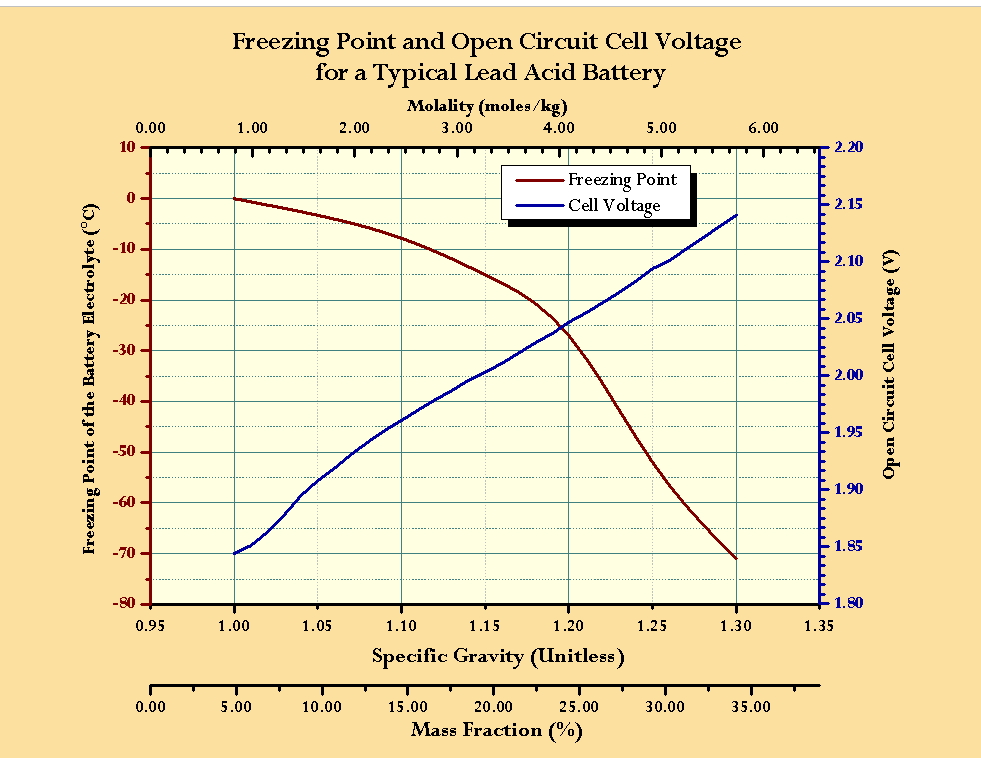
Here’s the part most people get wrong. They assume a car battery freezes at 32°F, the same as water. It doesn’t, but the truth depends on how charged your battery is.
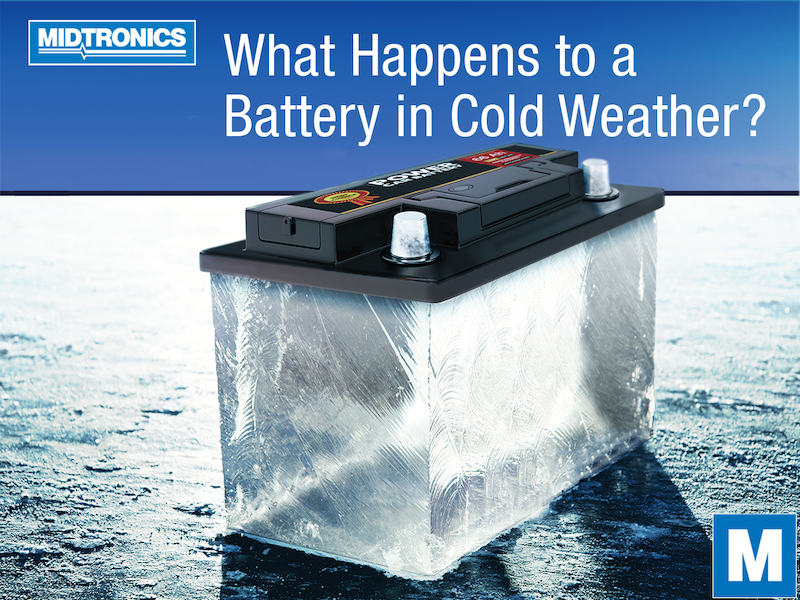
The electrolyte inside your battery is a mix of water and acid. Acid lowers the freezing point, but the more your battery dies, the more water and less acid is in the mix. A fully charged battery has a freezing point around -76°F, which is so cold it almost never happens in nature. A fully discharged battery, on the other hand, can freeze at 32°F or even slightly above.
In real life, most car batteries are somewhere in the middle. A healthy, fully charged battery can handle anything winter throws at it, but a weak or partially charged battery starts running into trouble once the temperature drops into the teens or single digits. Once it freezes, the liquid inside expands, and the battery case can crack. Even if the case doesn’t crack, the internal plates can get damaged, and you’ll have a battery that won’t hold a charge anymore.
A frozen battery is usually a dead battery, and in some cases, a dangerous one. Charging a frozen battery can cause it to explode, so if you suspect it’s frozen, don’t try to jump it or charge it. Let it thaw out first and have it tested.
What Happens When a Battery Freezes
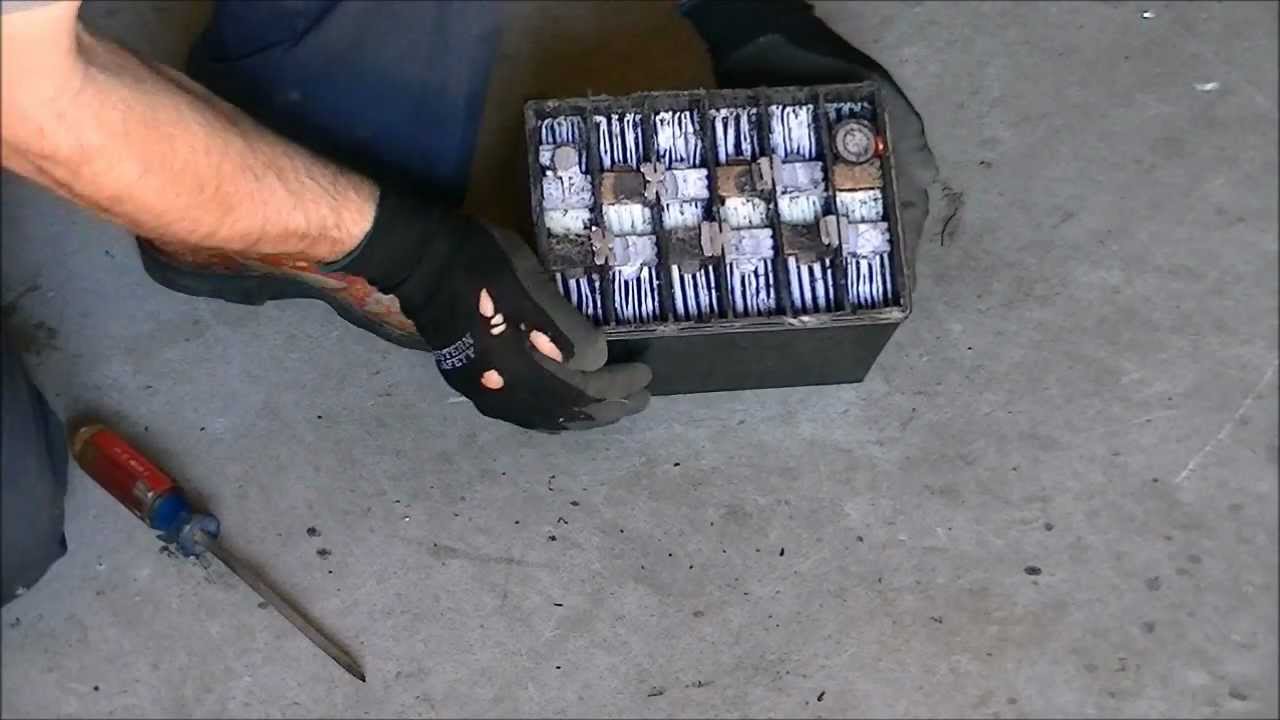
When the electrolyte inside a battery freezes, it expands, just like water turning to ice in a tray. That expansion puts pressure on the battery’s internal plates and the outer case. The case is plastic and can crack, especially if the battery is old or already weak. If the case cracks, you’ll see acid leaking out, and that’s a serious safety hazard.
Even if the case holds, the plates inside can warp or break apart. Once that happens, the battery is toast. You might be able to thaw it out and get a few cranks, but it will never hold a full charge again. In some cases, a frozen battery can even explode if you try to charge it while it’s still frozen, because the gas inside builds up pressure with nowhere to go.
I’ve seen this happen firsthand. A neighbor of mine left his car parked outside during a cold snap, and the battery was so dead it froze solid. He tried to jump it the next morning, and the case cracked right down the side. Acid leaked onto his driveway, and he had to buy a brand new battery. All of that could have been avoided with a little prevention.

Signs Your Battery Is at Risk of Freezing
Most of the time, a battery doesn’t just freeze out of nowhere. There are usually warning signs leading up to it, especially in cold weather. If you notice any of these, your battery might be on the edge.
- The engine cranks slowly when you try to start it
- The dashboard lights dim or flicker when you turn the key
- You’ve needed a jump start recently, even in mild weather
- The battery is more than four or five years old
- The battery case looks swollen or cracked
- The terminals are covered in white or blue corrosion
If any of these sound familiar, get your battery tested before the deep cold hits. Most auto parts stores will test it for free, and it only takes a couple of minutes. A healthy battery can handle the cold, but a weak one is a ticking time bomb once the temperature drops below freezing.

How to Prevent a Car Battery from Freezing
The good news is that preventing a frozen battery is pretty simple, and most of it comes down to basic maintenance. If you make these habits part of your routine, you’ll almost never have to worry about your battery in the winter.
- Keep your battery fully charged. A charged battery can handle extreme cold, but a weak one can’t. Drive your car regularly, especially in winter, and avoid short trips that don’t give the alternator enough time to top off the battery.
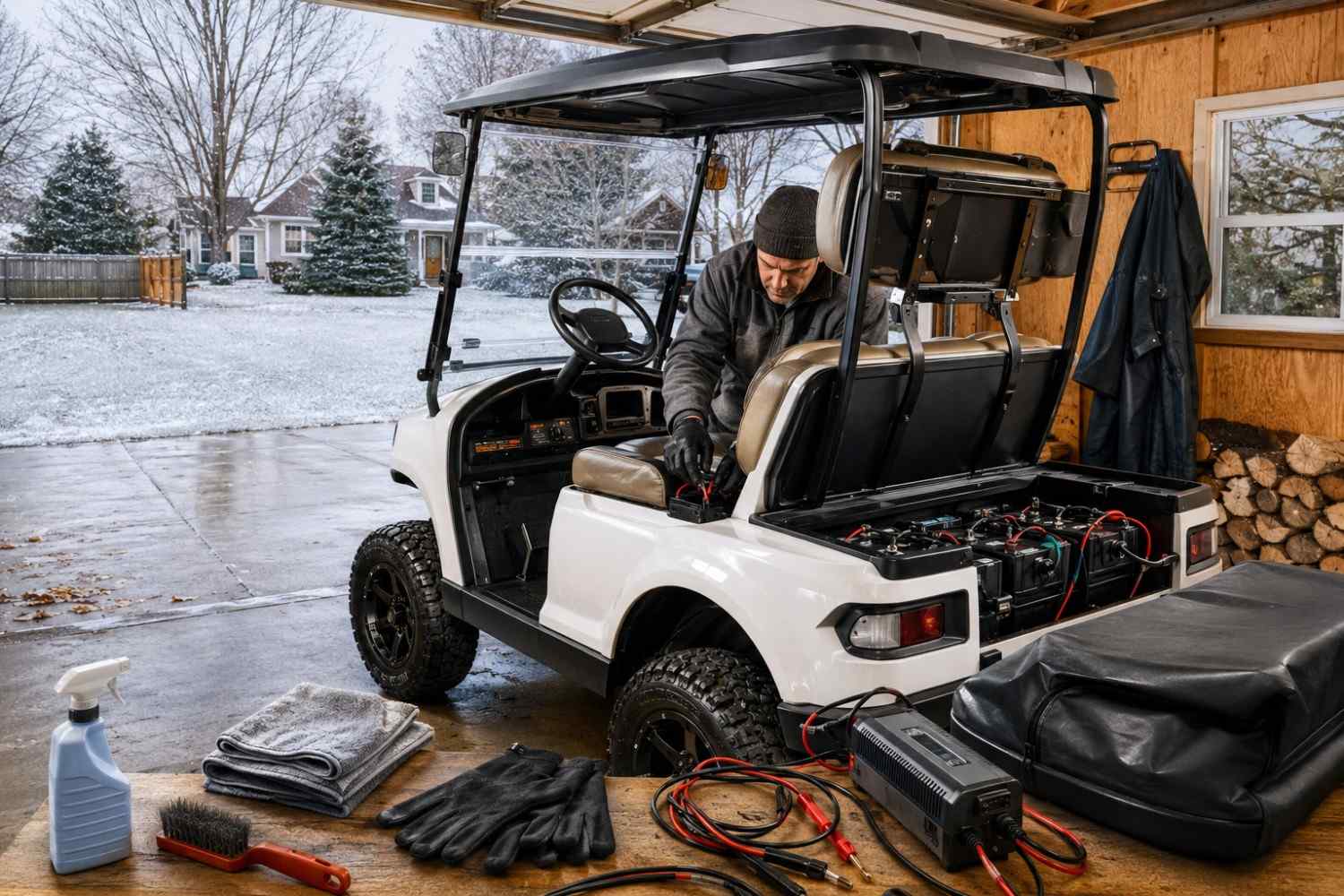
- Park in a garage when possible. Even an unheated garage is warmer than sitting outside in the wind. If you don’t have a garage, consider a battery warmer or an insulated blanket.
- Clean the terminals. Corrosion builds up over time and interferes with charging. A quick scrub with a wire brush and some baking soda can make a big difference.
- Test your battery before winter. A load test tells you how much life is left. If it’s weak, replace it before the cold arrives. You don’t want to be stuck on a freezing morning.
- Turn off accessories before shutting off the car. Heated seats, defrosters, and phone chargers all draw power. Give the alternator a fighting chance to recharge the battery on the drive home.
- Disconnect the battery if you’re storing the car. If you’re parking for weeks at a time, hook up a trickle charger or disconnect the negative cable to keep the battery from slowly draining.
I’ve followed these steps for years, and I’ve never had a battery freeze on me, even during some brutal Midwest winters. It’s not magic. It’s just taking care of the basics.
What to Do If You Suspect Your Battery Is Frozen
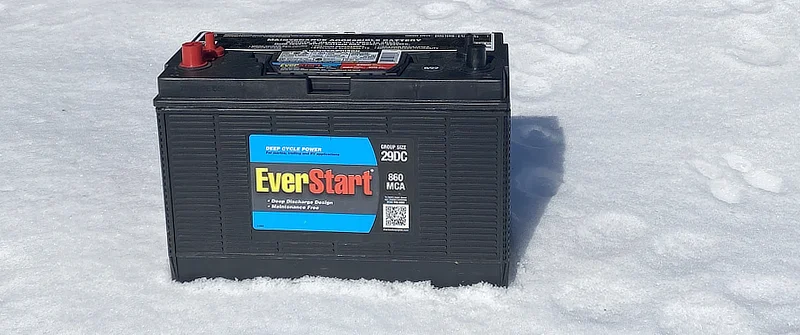
If you wake up to a frozen morning and your car won’t start, don’t panic, but don’t try to jump it either. The first thing you should do is look at the battery. If the case looks bulged, cracked, or you see ice on the outside, it’s almost certainly frozen.
Move the car somewhere warm if you can, like a heated garage. Let the battery thaw out naturally for a few hours. Don’t try to speed it up with a heater or hot water. The sudden change in temperature can crack the case even more. Once it’s thawed, take it to an auto parts store and have it tested. If it still holds a charge, you got lucky. If not, it’s time for a new one.
In the meantime, if you absolutely have to drive, you can try a few things. A portable jump starter can help if the battery isn’t fully frozen. You can also try turning on the headlights for a minute before cranking the engine. This warms the battery slightly and can sometimes give you just enough juice to start.
Cold Weather Battery Myths You Should Ignore
There’s a lot of bad advice out there about car batteries in the winter, and some of it can actually hurt your battery. Let’s clear up a few of the most common myths.
- Myth: You should idle your car to warm it up. Modern cars don’t need this. Idling for long periods actually drains your battery and doesn’t help the engine warm up much faster.
- Myth: A frozen battery will work once it thaws. Sometimes it will, but most of the time the damage is done. Plan on replacing it.
- Myth: All batteries freeze at the same temperature. Nope. The freezing point depends entirely on the state of charge. A dead battery freezes much sooner than a charged one.
- Myth: Disconnecting the battery in winter will save it. It can help if the car is sitting for a long time, but for daily driving, it’s unnecessary and can reset your radio and computer settings.

How Different Battery Types Handle the Cold
Not all car batteries are the same, and some handle cold better than others. Most cars come with a standard flooded lead-acid battery, but you also have options like AGM and gel batteries. Here’s a quick breakdown.
Flooded lead-acid batteries are the most common and the cheapest. They work fine in cold weather as long as they’re fully charged, but they’re more likely to freeze if they’re weak.
AGM batteries are a step up. The electrolyte is absorbed into fiberglass mats, which makes them more resistant to freezing and vibration. They also hold a charge better in extreme cold. If you live somewhere with brutal winters, an AGM battery is worth the extra cost.
Gel batteries are similar to AGM but use a thick gel instead of mats. They’re less common in cars but hold up well in cold weather. They also have a longer lifespan in general.
Lithium-ion batteries are starting to show up in some vehicles, especially hybrids and electric cars. They handle cold much better than lead-acid, but they can still lose range and power in freezing temperatures. Most EVs have built-in heaters to keep the battery in its sweet spot.

Why a Weak Battery Fails Faster in Winter
If you’ve ever wondered why batteries seem to die the moment it gets cold, even if they were fine a month ago, here’s the answer. Cold doesn’t kill a healthy battery. It just exposes the ones that were already weak. A battery that’s on its last legs in the summer will completely give up in the winter, and it might even freeze if it’s discharged enough.
The reason is simple. Cold reduces the battery’s cranking power, which is the amount of energy it can deliver in a short burst. A weak battery already has low cranking power, so even a small drop in temperature can push it below the threshold needed to start the engine. That’s why so many batteries seem to “die overnight” in the winter. They were already on borrowed time.
If your battery is more than four years old, it’s a good idea to have it tested every fall. A $20 test now can save you a $200 tow bill later.
Frequently Asked Questions
Can a car battery freeze while still in the car?
Yes, a car battery can freeze while installed, especially if it’s weak or fully discharged. A fully charged battery has a very low freezing point, but a dead one can freeze at 32°F or just below. Cold weather combined with a low charge is the most common cause of frozen batteries in vehicles.
How long does it take for a battery to freeze?
It depends on the temperature, the state of charge, and the size of the battery. A dead battery can freeze overnight in below-freezing temperatures. A fully charged battery would take much longer and requires extreme cold, well below -60°F, which rarely happens outside of laboratory settings.
Is a frozen battery dangerous?
A frozen battery can be dangerous, especially if the case cracks. The electrolyte is highly acidic and can damage your car, your skin, or the ground. Charging a frozen battery can also cause it to explode, so never try to jump or charge a battery you suspect is frozen. Let it thaw first and have it tested.
Can you save a frozen car battery?
Sometimes, a frozen battery will work again after thawing, but usually only if it was only partially frozen. If the case cracked or the internal plates are damaged, the battery is done. The safest move is to thaw it, test it, and replace it if it doesn’t hold a full charge.
Does cold weather kill car batteries?
Cold weather doesn’t kill healthy batteries. It just makes weak ones fail faster. Most batteries that die in the winter were already on their way out. The cold just pushes them over the edge by reducing cranking power and increasing the demand on the battery.
Conclusion
A fully charged car battery can handle almost any cold snap, but a weak or dead one can freeze at 32°F. The state of charge is everything, and that’s why a little maintenance goes a long way. Keep your battery charged, clean the terminals, test it before winter, and park in a garage if you can. These simple steps will save you from the headache of a frozen battery on a freezing morning.
I’ve been through enough winters to know that batteries don’t get better with age. If yours is more than four years old, get it tested now. Replace it if you need to. A new battery is a lot cheaper than a tow truck or a cracked engine block from a battery that exploded.
Take care of your battery, and it will take care of you. If you found this guide helpful, share it with a friend who always seems to have car trouble in the winter, and leave a comment below with your own cold-weather battery tips.