Most car batteries should deliver between 400 and 1000 cold cranking amps (CCA), with 600 to 800 CCA being ideal for the average gasoline-powered vehicle.
If you've ever popped the hood, stared at the numbers on your battery, and wondered whether yours is strong enough, you're definitely not alone. I've been there myself, scratching my head over terms like CCA, RC, and CA while trying to figure out what my truck actually needed. After years of testing, replacing, and even installing a few batteries in friends' cars, I've learned that picking the right amperage isn't just about grabbing the biggest number you see. It's about matching the battery to your engine, your climate, and how you actually drive. Let me walk you through everything I've picked up so you can avoid the guesswork and choose with confidence.
Understanding Car Battery Amperage Basics
Think of your car battery as the heart that gives your engine its first heartbeat. Amperage is simply the measure of how much electrical current the battery can push out at one time. When you turn the key or press the start button, your battery needs to send a strong burst of power to crank the engine. That burst is measured in amps.
But here's the thing: not all amps are the same. There are a few key ratings you'll see on the label, and each one tells you something different.
What Is Cold Cranking Amps (CCA)?
CCA is the most important number for most drivers. It tells you how many amps a battery can deliver for 30 seconds at 0°F without dropping below 7.2 volts. If you live somewhere cold, this number really matters because engines get sluggish in freezing temps and need more power to turn over.
What Is Cranking Amps (CA)?
CA is similar to CCA but measured at a warmer temperature, usually 32°F. It's a less strict rating, so the number will always be higher than the CCA. You might see this called MCA, or marine cranking amps, on some batteries.
What Is Reserve Capacity (RC)?
RC is the number of minutes a fully charged battery can run essential accessories if your alternator fails. It's a backup power rating, not a starting power rating, but it's still useful to know.
How Many Amps Should a Car Battery Have?
The short answer is: it depends on your engine size, your climate, and how many electrical accessories you run. But there are some solid ranges you can follow.
Average Amperage by Vehicle Type
- Small 4-cylinder cars: 400 to 600 CCA
- Mid-size sedans and 6-cylinder engines: 600 to 750 CCA
- Large V8 engines, SUVs, and trucks: 750 to 1000 CCA
- Diesel engines: 800 to 1500 CCA
- Performance or heavy-duty vehicles: 1000+ CCA
If you drive a typical Honda Civic or Toyota Camry, something in the 500 to 650 CCA range is usually plenty. If you've got a big Ford F-150 with a V8 or a Chevy Silverado, you'll want at least 700 to 850 CCA to feel confident on chilly days.
Why You Shouldn't Just Buy the Highest Number
I learned this the hard way. A few years ago, I slapped a 1000 CCA battery into an old Civic because I thought bigger meant better. It worked fine, but it was overkill, cost more, and added unnecessary weight. The rule of thumb is to match your manufacturer's recommendation and only go higher if you have a real reason, like a cold climate or extra accessories.
Factors That Affect the Right Amperage for Your Battery
Choosing the right battery isn't just a numbers game. There are several real-world factors that shift the answer.
Climate and Temperature
Cold weather is the biggest enemy of battery performance. At 0°F, a battery can lose up to 35% of its cranking power. That's why cars in Minnesota or Canada need more CCA than cars in Florida or Arizona. If you live somewhere mild, you can safely stay on the lower end of the recommended amps.
Engine Size and Type
Big engines need more power to turn over because they have more cylinders and more compression. Diesel engines especially need high CCA because of the high compression ratio. A small engine with a manual transmission, on the other hand, doesn't need nearly as much juice.
Electrical Accessories and Add-Ons
Got a loud stereo, light bars, winches, or heated seats? These all draw power, especially when the engine is off. If you've added aftermarket accessories, consider going up one tier in both CCA and RC to avoid getting stranded.
Age and Condition of Your Vehicle
Older vehicles with worn starters or frayed wires need more cranking power to get going. If your car has been giving you slow starts, it might be a sign you need a battery with a higher CCA, or it might mean your starter is on its way out. Either way, don't ignore it.
How to Check Your Battery's Amperage
You don't have to guess. There are a few simple ways to find out what you've got under the hood.
Read the Label
Most batteries have the CCA rating printed right on the top or side. Look for a number followed by "CCA." If you see a number with just "A," that might be a different rating, so be careful.
Check Your Owner's Manual
Your vehicle's manual will list the minimum and recommended CCA for your specific make and model. This is the single best reference point you have.
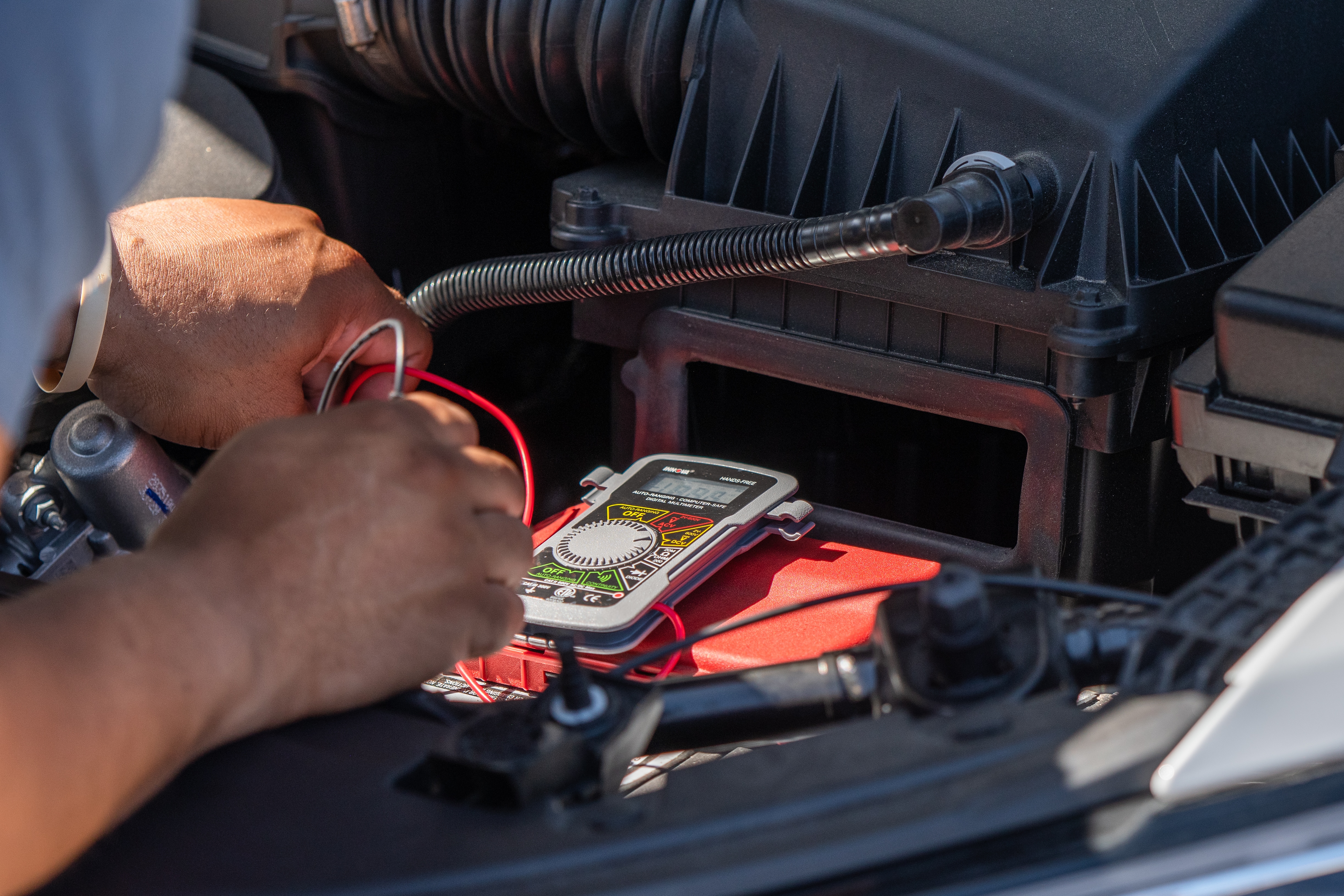
Use a Multimeter or Battery Tester
A load tester or digital battery analyzer will give you a real-world reading of your battery's health and current output. I keep a small tester in my garage, and it's saved me from being stuck more than once.
Common Mistakes to Avoid When Choosing a Battery Amperage
Over the years, I've watched friends and family make the same avoidable errors. Save yourself the headache and skip these pitfalls.
- Buying too little CCA for a cold climate just to save a few bucks.
- Ignoring the reserve capacity if you use accessories with the engine off.
- Picking the cheapest battery without checking the manufacture date. A battery older than six months may already be losing capacity.
- Mixing up CA and CCA. Always look at the CCA number for starting power in cold weather.
- Forgetting to test your alternator. A weak alternator can kill even the best battery in a few months.
Signs Your Battery Amperage Is Too Low
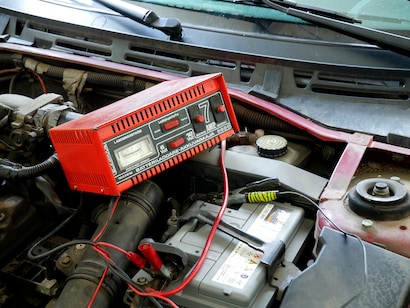
Sometimes your car will tell you it needs more juice. Here are the red flags I've learned to watch for.
- The engine cranks slowly, especially on cold mornings.
- The headlights dim noticeably when you turn the key.
- Clicking sounds when you try to start, but no real cranking.
- The battery warning light stays on even after the engine is running.
- You need jump starts more than once or twice a year.
If any of these sound familiar, it's time to test your battery and check your amperage rating. A weak battery can also put extra strain on your starter and alternator, so don't wait until you're stranded in a parking lot.
Tips for Getting the Most Out of Your Car Battery
Once you've got the right battery, a little care goes a long way. Here are some habits that have kept my batteries running strong for years.
- Drive your car regularly. Short trips don't give the alternator enough time to recharge the battery fully.
- Keep the terminals clean. A bit of baking soda and a wire brush work wonders.
- Avoid leaving lights or accessories on when the engine is off.
- Park in a garage during extreme heat or cold when you can.
- Test your battery once a year, especially before winter.

Frequently Asked Questions
Is higher CCA better for a car battery?
Higher CCA is better for cold starts and larger engines, but only up to a point. Going way above your manufacturer's recommendation adds cost and weight without real benefit for most drivers.
Can I use a battery with lower CCA than recommended?
It's not a good idea, especially in cold climates. A battery with too little CCA may struggle to start your engine and wear out your starter over time.
How many amps does it take to start a car?
A typical starter draws 150 to 400 amps during cranking, but it only needs that burst for a few seconds. The battery's CCA rating tells you it can sustain that draw even in tough conditions.
Does a bigger engine need more CCA?
Yes. Larger engines have more cylinders and higher compression, which means the starter has to work harder. More CCA gives you a reliable start under all conditions.
How long does a car battery last?
Most car batteries last 3 to 5 years, depending on climate, driving habits, and maintenance. Extreme heat and cold both shorten battery life.
Conclusion
Picking the right amperage for your car battery doesn't have to be a mystery. Most drivers do well with a battery rated between 600 and 800 CCA, but the best choice always comes back to your specific engine, climate, and driving style. Match your manufacturer's recommendation, consider your local weather, and don't fall for the trap of thinking bigger is always better.
Take a few minutes to pop the hood, read your current battery, and compare it to your manual. If it's time for a replacement, you've now got everything you need to make a smart, confident choice. And hey, if you've got a great tip or a battery horror story of your own, drop it in the comments. I'd love to hear how it went.