A dead car battery can stop you in your tracks, but the fix is usually simple: jump-start the car, identify why the battery died, and either recharge or replace it as needed.
That moment when you turn the key and nothing happens is something almost every driver faces. The good news? It's rarely as bad as it feels. With a little know-how and the right tools, you can get back on the road fast. I've dealt with dead batteries more times than I can count, from forgotten headlights in the driveway to freezing winter mornings in a parking lot. Let me walk you through exactly what to do when your car battery dies, so you're never stuck feeling helpless.

Recognizing the Signs of a Dead Car Battery
Before jumping to solutions, it helps to know what a dead battery actually looks like. Sometimes the signs are obvious, but other times they're easy to miss.
Common symptoms include:
- No response when you turn the key or press the start button
- Dim or flickering dashboard lights
- Clicking sounds from the engine
- Electrical accessories like radio or power windows not working
- A sulfur or rotten egg smell near the battery
If your car shows one or more of these signs, your battery is likely the culprit. In my experience, cold mornings are the worst offenders. Batteries lose strength in cold weather, and a weak one can die overnight without warning.
Stay Safe Before You Do Anything
Safety always comes first. A dead battery situation might feel stressful, but rushing in can lead to mistakes or even injury.
Here's what to keep in mind:
- Park in a safe, well-lit area if possible
- Turn off all electronics like the radio, lights, and climate control
- Keep flammable materials away from the battery
- Wear gloves and eye protection if you have them
- Avoid smoking or creating sparks near the battery
I learned this the hard way years ago when I tried to jump my car in the rain without thinking. Water and electrical systems don't mix well. Take a breath, assess your surroundings, and only proceed when it's safe.
How to Jump-Start a Car Battery
Jump-starting is the fastest way to get a dead battery going. You can use jumper cables with another car or a portable jump starter.
Using Jumper Cables and Another Vehicle
This is the classic method that works in most situations.
Steps to follow:
- Position the working car close to yours so the batteries are within cable reach
- Turn off both vehicles and remove the keys
- Connect the red positive cable to the positive terminal on the dead battery
- Attach the other end of the red cable to the positive terminal on the good battery
- Connect the black negative cable to the negative terminal on the good battery
- Ground the other black clamp on an unpainted metal surface in your car, away from the battery
- Start the working car and let it run for a few minutes
- Try starting your car
If it starts, let it run for at least 15 to 20 minutes to help recharge the battery. Avoid turning off the engine right away, or you might end up stuck again.
Using a Portable Jump Starter
Portable jump starters are a lifesaver when you're alone. I've kept one in my trunk for years, and it's paid for itself many times over.
Here's how to use one:
- Make sure the jump starter is fully charged
- Connect the red clamp to the positive terminal of your battery
- Connect the black clamp to a grounded metal surface
- Turn on the jump starter
- Try starting your car
Once your car starts, disconnect the cables in reverse order and let the engine run to recharge the battery.
What If Jump-Starting Doesn't Work?
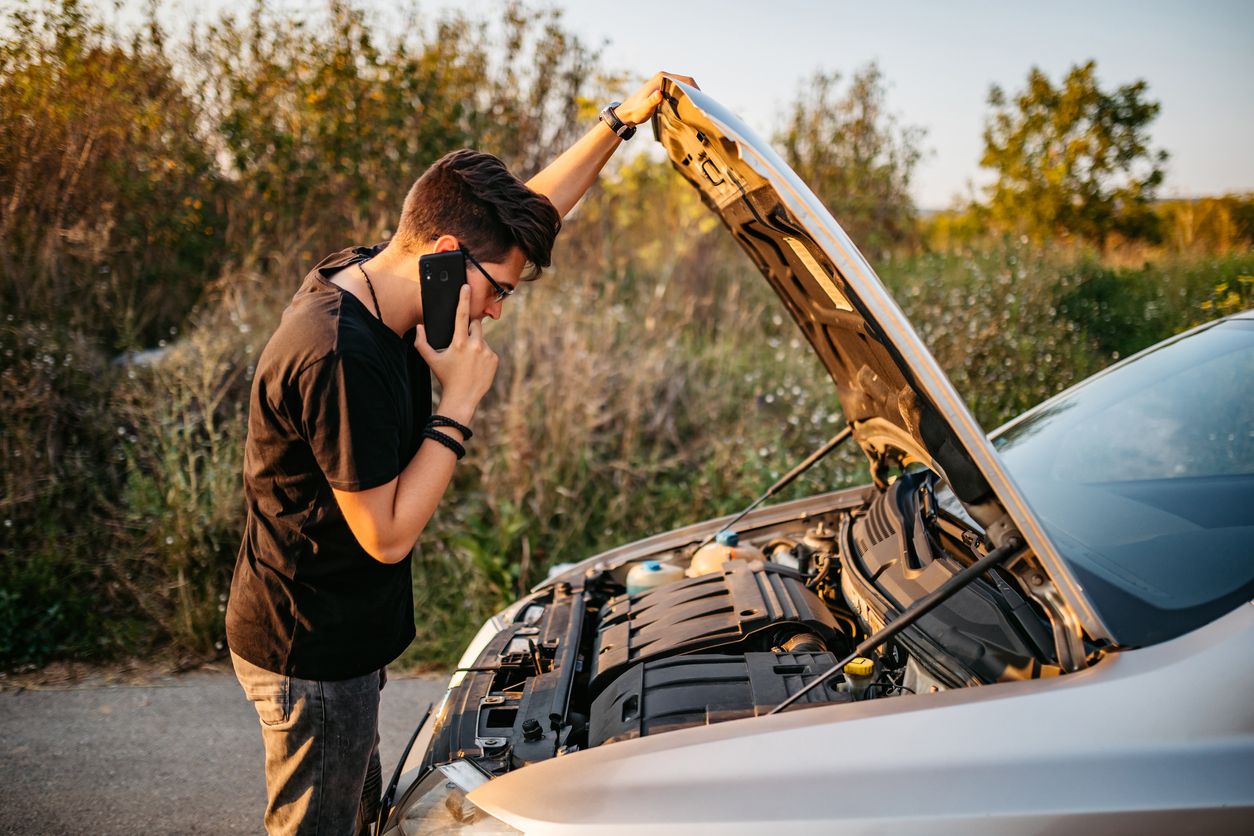
Sometimes a jump-start isn't enough. If your car still won't start, there might be a deeper issue.
Possible reasons include:
- A completely dead battery that won't hold a charge
- Corroded or loose battery terminals
- A faulty alternator that isn't charging the battery
- A broken starter motor
- Electrical system problems
If you hear clicking but no engine turnover, the battery might be too weak. If you hear absolutely nothing, the problem could be the starter or a blown fuse. In my case, I once spent 20 minutes trying to jump a car only to find out the alternator had failed. The battery kept dying because it was never being charged in the first place.
How to Charge a Dead Battery Without Another Car
If you have time and access to a charger, you can recharge your battery slowly and safely.
Steps for using a battery charger:
- Disconnect the battery cables, starting with the negative terminal
- Connect the charger clamps to the battery terminals, matching positive to positive and negative to negative
- Set the charger to the correct voltage, usually 12 volts
- Let it charge for several hours or overnight
- Reconnect the battery and try starting your car
This method is great if you're at home and don't need the car right away. It's also gentler on your battery than a jump-start.
When to Call for Roadside Assistance
Sometimes the smartest move is to call for help. Roadside assistance exists for exactly these moments.
Reasons to call for help:
- You don't have jumper cables or a jump starter
- You're in an unsafe location
- The battery is visibly damaged or leaking
- You've tried jumping and it still won't start
- You don't feel confident doing it yourself
Services like AAA, insurance-provided roadside help, or even local towing companies can send someone out quickly. I've called roadside assistance twice in my life, and both times the technician had my car running in under 10 minutes.

How to Prevent Your Car Battery from Dying Again
Once you're back on the road, you'll want to avoid this situation in the future. A few simple habits can make a big difference.
Tips to keep your battery healthy:
- Drive your car regularly, especially on longer trips
- Turn off all lights and electronics when the engine is off
- Keep the battery terminals clean and free of corrosion
- Have your battery tested once a year, especially before winter
- Replace your battery every 3 to 5 years as a general rule
- Park in a garage during extreme weather when possible
I started testing my battery every fall after one too many cold mornings left me stranded. It's a five-minute check that can save you a lot of frustration.
Understanding Why Car Batteries Die
Knowing the cause can help you prevent future problems. Batteries don't just die out of nowhere. There's usually a reason.
Common causes include:
- Leaving headlights or interior lights on overnight
- Extreme temperatures, both hot and cold
- Short trips that don't allow the battery to fully recharge
- Old age and natural wear
- A failing alternator
- Corroded or loose battery connections
- Parasitic drains from electronics that stay on
One summer, I left my dome light on for three days while on vacation. When I came back, the battery was completely dead. Now I always do a quick walkaround before locking the car.
Tools Every Driver Should Keep in the Car
Preparation is everything. Having the right tools on hand can turn a bad day into a minor inconvenience.
Must-have items:
- Jumper cables or a portable jump starter
- A basic socket wrench set
- A flashlight with extra batteries
- Gloves and safety glasses
- A portable phone charger
- Reflective triangles or flares for emergencies
I keep all of these in a small bin in my trunk. It doesn't take up much space, and the peace of mind is worth it.

What to Do After Your Battery Dies
Once your car is running again, don't just drive off and forget about it. A dead battery is often a warning sign.
Follow-up steps:
- Drive for at least 30 minutes to help recharge the battery
- Visit an auto parts store for a free battery test
- Replace the battery if it's old or weak
- Check the alternator to make sure it's charging properly
- Inspect for any electrical issues that might drain the battery
Think of a dead battery like a check engine light. It might be a simple fix, or it might point to something bigger. Either way, it's worth paying attention to.
Frequently Asked Questions About a Dead Car Battery
How long does it take to jump-start a dead car battery?
It usually takes about 5 to 10 minutes to jump-start a dead battery, but you should let the car run for at least 15 to 20 minutes afterward to recharge it properly.
Can a completely dead battery be recharged?
Yes, in most cases a completely dead battery can be recharged using a battery charger, but if it's old or damaged, replacement might be the better option.
How do I know if it's the battery or the alternator?
If the car starts with a jump but dies shortly after, the alternator is likely the problem. If the car won't hold a charge even after driving, the battery is probably the issue.
Is it safe to jump-start a car in the rain?
Yes, but you should take extra care. Make sure the cables are in good condition, keep connections dry when possible, and avoid standing in puddles while working.
How often should I replace my car battery?
Most car batteries last between 3 and 5 years. If yours is in that range and showing signs of weakness, it's a good idea to replace it before it fails.
Final Thoughts
A dead car battery is one of those things that feels like a disaster in the moment but is usually easy to fix. Whether you jump-start it, charge it, or call for help, you have options. The key is staying calm, staying safe, and taking a few preventive steps so it doesn't happen again.
Keep a set of jumper cables or a portable jump starter in your car, test your battery regularly, and pay attention to the little habits like turning off your lights. These small efforts can save you time, money, and a whole lot of stress down the road. If you found this guide helpful, feel free to share it with a friend or drop a comment below with your own tips and experiences.