CCA on a car battery stands for Cold Cranking Amps, which measures the battery's ability to start an engine in cold temperatures. When you're shopping for a new car battery or checking your old one, you have probably seen the letters CCA printed right on the label. It looks technical, but it is actually one of the most important numbers you can know about your battery. Think of it as your battery's muscle power when the weather turns freezing. Over the years, I have replaced and tested plenty of batteries, and I can tell you right now that understanding CCA can save you from a lot of cold morning headaches. Let me walk you through everything I have picked up, so you can pick the right battery and never get stuck in the cold again.
Understanding the Basics of CCA
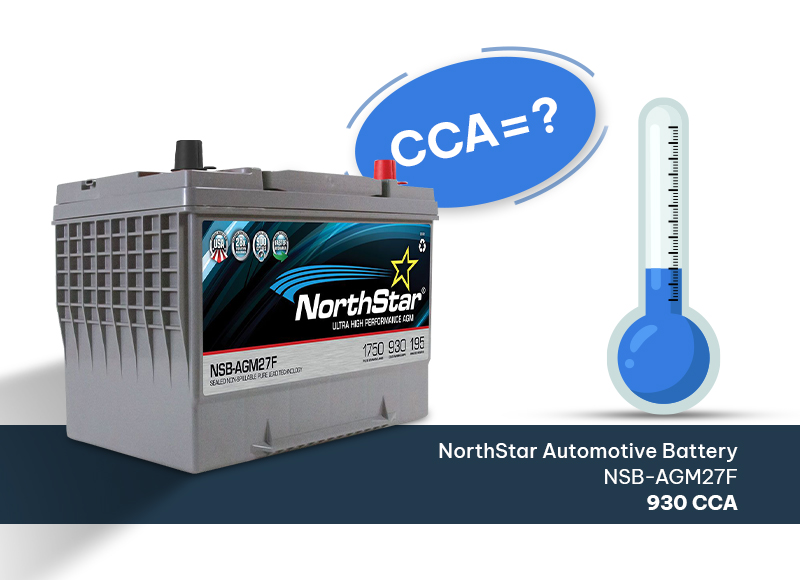
CCA tells you how much current a fully charged battery can deliver for 30 seconds at zero degrees Fahrenheit while keeping the voltage above 7.2 volts. It is a standardized test created by the Battery Council International, and it gives you a real-world number for cold starts. If you live somewhere that gets chilly in the winter, this rating matters a lot.
To put it in plain terms, imagine your engine is trying to wake up on a freezing morning. The starter motor needs a strong burst of electricity to turn the engine over. CCA is how much push the battery can give during that first few seconds. A battery with 600 CCA can push out 600 amps for half a minute in the cold. A battery with 800 CCA can push even harder.
Most cars come with a recommended CCA range from the manufacturer. You can find this number in your owner's manual or by asking your local parts store. I always tell people to match or go slightly above the original rating, but never below it. Going lower can leave you stranded when the temperature drops.
Why CCA Matters More Than You Think
Cold weather is tough on batteries for a simple reason. Chemical reactions inside the battery slow down when it gets cold. The oil in your engine also thickens, which makes the starter work harder. So the battery has to deliver more power in less time, exactly when it is least efficient. That is why CCA is such a big deal in northern climates.
I remember one winter when my old truck refused to start because I had installed a battery with too little CCA. I thought I was saving money, but I ended up paying for a tow truck instead. Lesson learned. Now I always check the rating before I buy.
Here is a quick list of situations where CCA really counts:
- Cold mornings below 32 degrees Fahrenheit
- Short trips that do not give the alternator enough time to recharge the battery
- Older vehicles with higher cranking demands
- Diesel engines that need extra power to glow plugs and compression
CCA vs. Other Battery Ratings You Might See
When you look at a battery label, you might also see CA, MCA, or HCA. These look similar but measure different things.
- CA or MCA stands for Cranking Amps or Marine Cranking Amps, measured at 32 degrees Fahrenheit instead of zero. CA is usually higher than CCA for the same battery because warmer temperatures make testing easier.
- HCA stands for Hot Cranking Amps, measured at 80 degrees Fahrenheit.
- RC or Reserve Capacity tells you how long the battery can run accessories if the alternator fails.
- Ah or Amp Hours tells you how much total energy the battery can store.
Think of CCA as the sprint rating and RC as the marathon rating. You need both, but CCA is the one that gets you started on a cold day.
How to Choose the Right CCA for Your Vehicle
Matching the right CCA to your car is not as hard as it sounds. Start with the manufacturer's recommendation, then think about your climate and driving habits.
Follow these steps to pick the perfect battery:
- Check your owner's manual for the minimum CCA rating.
- Look at the climate where you live. Colder areas need higher CCA.
- Think about your engine size. Bigger engines usually need more cranking power.
- Consider added accessories like winches, heavy sound systems, or extra lights, which can drain the battery faster.
- Buy from a trusted brand that publishes honest test results.
If you live in a warm climate year-round, you can usually get away with a battery near the minimum rating. If you deal with snow and ice every winter, go for a bump of 10 to 20 percent above the minimum. That extra cushion can make the difference between a quick start and a no-start morning.
Common Mistakes People Make with CCA
Over the years, I have seen some pretty common slip-ups that leave people with batteries that do not perform. Let me save you the trouble.
First, do not assume a higher CCA is always better. Yes, more power sounds great, but a battery with way more CCA than you need can put extra strain on a starter that is not built for it. Stick to the range your vehicle likes.
Second, do not ignore CCA as your battery ages. A battery that started at 700 CCA might only deliver 400 CCA after a few years. Once it drops below the recommended range, it is time to replace it. Most batteries last three to five years, but extreme heat or cold can shorten that life.
Third, do not confuse CCA with the battery's total capacity. A battery can have high CCA but low reserve capacity, or the other way around. Look at both numbers when you compare options.
Finally, never buy a battery just because it is cheap. Cheap batteries often have lower-quality cells that lose CCA faster. Spend a few extra dollars for a reliable brand and you will thank yourself later.
How to Test CCA on Your Own Car
You do not need to be a mechanic to check your battery's health. Most auto parts stores will test it for free, but if you want to do it at home, a digital battery tester or a multimeter can help.
Here is a simple way to get a rough idea:
- Turn off the car and let the battery sit for a few hours.
- Set your multimeter to DC voltage.
- Connect the red lead to the positive terminal and the black lead to the negative terminal.
- A healthy battery should read between 12.4 and 12.7 volts.
- If it reads below 12.2 volts, the battery is weak and probably low on CCA.
For a real CCA test, you need a carbon pile tester or a modern electronic tester. These tools load the battery and measure how it holds up under stress. I keep a small electronic tester in my garage because it saves me trips to the store and tells me exactly when to replace a battery.
Tips to Keep Your CCA Strong Over Time
Batteries lose CCA as they age, but you can slow the process with a little care.
- Drive your car regularly so the alternator can fully recharge the battery.
- Keep the terminals clean and free of corrosion.
- Secure the battery tightly so vibration does not damage the internal plates.
- Avoid draining the battery with accessories when the engine is off.
- Park in a garage during extreme cold if you can.
These small habits keep the internal chemistry strong, which keeps your CCA ratings higher for longer. I once had a battery last seven years just because I kept it clean and drove the car every week.
Frequently Asked Questions About CCA
What is a good CCA rating for a car battery?
A good CCA rating depends on your vehicle, but most cars need between 400 and 700 CCA. Trucks and SUVs often need 600 to 900 CCA, while smaller engines can get by with 300 to 500 CCA. Always check your owner's manual for the exact number your engine requires.
Can I use a battery with higher CCA than recommended?
Yes, you can usually use a battery with slightly higher CCA than recommended without any problems. The extra power gives you a bigger safety margin in cold weather. Just make sure the battery fits properly in the tray and that the terminals are in the right position.
How does cold weather affect CCA?
Cold weather reduces a battery's ability to deliver power because the chemical reactions inside slow down. A battery that delivers 700 CCA at zero degrees might only deliver half that amount at extreme cold. That is why winter is the toughest time on any battery.
Does a higher CCA battery last longer?
Not necessarily. Battery life depends on build quality, maintenance, and climate, not just CCA. A high CCA battery from a cheap brand might wear out faster than a lower CCA battery from a premium brand. Focus on the brand reputation and warranty along with the rating.
How do I know when my battery is losing CCA?
Signs include slow cranking, dim headlights when starting, a clicking sound when you turn the key, and a battery that dies frequently. A load test or electronic battery tester will give you an exact CCA reading so you know if it is time for a replacement.
Conclusion
CCA is one of those small details that makes a huge difference, especially when the temperature drops. By now you know that CCA measures how much current your battery can push out in the cold, why it matters for reliable starts, and how to pick the right rating for your vehicle. Keep an eye on your battery's health, match the CCA to your engine and climate, and you will avoid those frustrating mornings when your car refuses to wake up. A little knowledge here goes a long way. If you found this guide helpful, share it with a friend who always asks you for car advice, or drop a comment below with your own battery stories.