A 12-volt car battery typically lasts between 3 to 5 years under normal driving conditions.
If you've ever turned the key and heard nothing but a sad click, you already know how important a healthy battery is. The average life of a 12-volt car battery isn't just a number on a spec sheet. It's the difference between a smooth morning commute and being stranded in a parking lot. Over the years, I've replaced more batteries than I can count, and the truth is, most drivers don't think about their battery until it's too late. In this guide, I'll walk you through exactly how long these batteries last, what affects their lifespan, and how you can squeeze out every extra mile from yours. Think of it as a friendly chat with someone who's been under the hood enough times to know what really matters.

Understanding the Average Life of a 12-Volt Car Battery
When we talk about the average life of a 12-volt car battery, we're usually looking at a window of 3 to 5 years. Some premium batteries can push past 6 years with perfect care, while others might give up in less than 2. The variation is real, and it depends heavily on how you drive, where you live, and how well you maintain the unit.
Think of your car battery like a smartphone battery. Day one, it's full of energy and ready to go. But after hundreds of charge cycles, heat exposure, and vibration, it slowly loses its punch. A 12-volt lead-acid battery, which is the most common type in gasoline vehicles, works the same way. It provides the initial jolt to start the engine and then relies on the alternator to keep it topped off while you drive.
Several factors influence this lifespan. Climate plays a huge role. Batteries in hot southern states often fail faster because heat accelerates the chemical reaction inside the cells, causing the fluid to evaporate and internal plates to corrode. On the flip side, extreme cold can also strain a battery by thickening the engine oil and making the starter work harder. Short trips are another silent killer. If you only drive a mile to the coffee shop and back, the alternator never has enough time to fully recharge the battery, leading to a slow drain over time.
Battery Type and Its Impact on Longevity
Not all 12-volt batteries are created equal, and the type you choose directly affects how long it lasts.
Conventional flooded lead-acid batteries are the most affordable and the most common. They usually last around 3 to 4 years. They contain liquid electrolyte that can leak or evaporate, which is why they require occasional maintenance, like checking water levels and cleaning the terminals.
Absorbent glass mat (AGM) batteries are a step up. They're sealed, spill-proof, and designed to handle deeper discharge cycles. In my experience, AGM batteries regularly hit the 5 to 6 year mark, and some go even longer. They cost more upfront, but the extra life and reliability often justify the price, especially in vehicles with start-stop technology or heavy electrical loads.
Enhanced flooded batteries (EFB) sit somewhere in the middle. They're built for entry-level start-stop systems and offer better durability than standard flooded batteries, typically lasting 4 to 5 years.
Lithium-ion 12-volt batteries are the new kids on the block. They're lighter, hold a charge longer, and can technically last 8 to 10 years. However, they come with a steep price tag and aren't compatible with every vehicle's charging system, so they're still a niche choice for most drivers.
How Driving Habits Shape Battery Life
Your daily driving routine has a bigger impact on battery health than most people realize.
Frequent short trips are the enemy of longevity. Every time you start the car, the battery uses a burst of energy. The alternator needs sustained driving, usually 20 minutes or more, to fully replenish that charge. If you're making lots of quick stops, the battery stays in a partial state of charge, which causes sulfation. That's when lead sulfate crystals build up on the plates and slowly reduce the battery's ability to hold a charge.
On the other hand, long highway drives are actually great for battery health. The engine runs at a steady RPM, the alternator puts out consistent voltage, and everything stays in balance.
Letting your car sit unused is another problem. Even when the engine is off, the battery powers things like the clock, alarm system, and key fob sensors. After a few weeks of sitting, especially in cold weather, the voltage can drop to a level that permanently damages the cells.
I learned this the hard way with an old project car I kept in storage. I didn't drive it for two months during winter, and when I finally went to start it, the battery was completely dead. Even after jumping it, it never held a full charge again. Lesson learned: if you're not driving a car regularly, a trickle charger or battery maintainer is worth every penny.
Signs Your 12-Volt Battery Is Nearing the End
Batteries rarely die without warning. They usually give you clues long before they leave you stranded.
Slow engine crank is the most obvious sign. If the starter sounds sluggish or takes longer than usual to turn the engine over, your battery is likely losing its capacity.
Dim headlights or interior lights can also point to a weak battery. If they look noticeably dimmer than usual, especially at idle, the battery might not be holding a full charge.
The battery warning light on your dashboard is a direct message from your car's computer. It usually means the charging system isn't working properly, which often traces back to a failing battery or alternator.
Swelling or bloating of the battery case is a serious red flag. It usually means the battery has been exposed to extreme heat or overcharging, and it needs to be replaced immediately.
A sulfur or rotten egg smell is another warning. It means the battery is venting gas, often due to overcharging or internal damage.
Corroded terminals can mimic a dead battery. If you see a white, powdery substance around the connections, it can prevent the battery from delivering power. Cleaning the terminals with a wire brush and baking soda solution can sometimes bring a battery back to life, but if the corrosion keeps coming back, the battery itself is likely failing.
Testing Your Battery's Health
You don't have to guess whether your battery is healthy. A simple voltage test can tell you a lot.
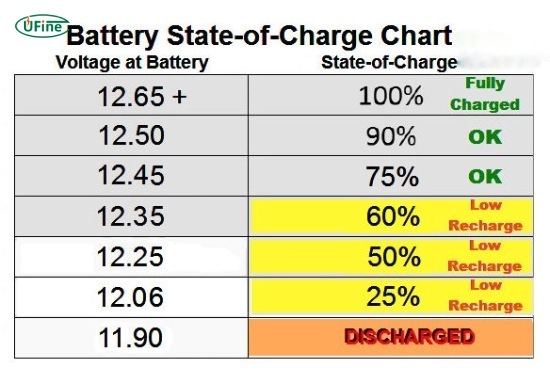
A fully charged 12-volt battery should read between 12.6 and 12.8 volts when the engine is off. If it drops below 12.4 volts, it's partially discharged. Below 12.0 volts, it's significantly discharged and may be sulfated.
Most auto parts stores will test your battery for free using a load tester or conductance tester. These tools simulate the demand of starting the engine and give you a clear picture of the battery's condition. I recommend getting your battery tested once a year after it hits the 3-year mark. It's a quick check that can save you from a breakdown.
How to Extend the Life of Your 12-Volt Battery
While no battery lasts forever, there are several things you can do to maximize its lifespan.
Keep the terminals clean. Corrosion builds up over time and creates resistance, making it harder for the battery to deliver power. A quick cleaning every few months can make a noticeable difference.
Make sure the battery is securely mounted. Vibration from a loose battery can damage the internal plates and shorten its life. Most battery trays have a hold-down clamp that should be checked periodically.
Avoid short trips whenever possible. Combining errands into one longer drive gives the alternator enough time to fully recharge the battery.
Turn off accessories before shutting off the engine. Headlights, interior lights, and the radio can put a small drain on the battery. Getting into the habit of double-checking these before you walk away can help.
If you don't drive often, consider a battery maintainer. These small devices plug into a wall outlet and keep the battery at a full charge without overcharging it. They're especially useful for classic cars, motorcycles, or any vehicle that sits for weeks at a time.
Watch the temperature. If you live in a hot climate, parking in the shade or a garage can help reduce heat exposure. In cold climates, a battery warmer or insulated blanket can make starting easier and reduce strain on the battery.
The Role of the Alternator in Battery Life
Your battery and alternator work as a team. The battery starts the engine, and the alternator keeps it charged while you drive. If the alternator is failing, it can overcharge or undercharge the battery, both of which shorten its life.
A healthy alternator should put out between 13.7 and 14.7 volts when the engine is running. If it's pushing too much voltage, the battery will overheat and lose electrolyte. If it's not putting out enough, the battery will slowly drain.
I once had a customer whose battery kept dying every few months. He replaced the battery three times before someone finally tested his alternator. It was putting out 16 volts, which cooked every new battery he installed. Once the alternator was fixed, his new battery lasted almost six years.
Common Myths About 12-Volt Car Batteries
There are a lot of myths floating around about car batteries, and believing them can cost you time and money.
One common myth is that turning off the engine and restarting it saves fuel. While this might be true if you're sitting for several minutes, frequent restarts actually put extra strain on the battery and starter motor.
Another myth is that a battery will recharge fully after a jump start. In reality, a jump start gets you running, but it doesn't replace a proper charge. The alternator needs hours of driving to fully recharge a deeply discharged battery, and even then, it might never reach 100 percent again.
Some people believe that storing a battery on concrete will drain it. This used to be true decades ago when battery cases were made of hard rubber that could conduct electricity. Modern battery cases are made of plastic that doesn't conduct current, so it's perfectly safe to store a battery on any surface.
Finally, there's the idea that you should occasionally drain your battery completely to "reset" it. This is terrible advice. Deep discharges are one of the fastest ways to kill a lead-acid battery.
What to Do When Your Battery Dies
Even with the best care, every battery will eventually need to be replaced. When that day comes, knowing what to do can save you a lot of frustration.
If your battery dies while you're out, a jump start from another vehicle or a portable jump starter can get you going. Just make sure you connect the cables in the correct order: positive to positive, negative to a ground point on the dead car's engine block, not the battery terminal.
After a jump start, drive for at least 30 minutes to give the alternator a chance to recharge the battery. If the battery dies again soon after, it's time for a replacement.
When buying a new battery, make sure it matches your vehicle's specifications. The group size, cold cranking amps (CCA), and terminal layout all need to be correct. Installing the wrong battery can cause electrical issues or even damage the charging system.
Most batteries come with a warranty, typically 2 to 3 years for standard batteries and 4 to 5 years for premium ones. Keep your receipt and warranty information in a safe place, just in case.

Environmental Factors That Affect Battery Life
Where you live and how you drive have a major impact on how long your battery lasts.
Hot climates are the most challenging. Heat speeds up the chemical reactions inside the battery, which sounds like a good thing for power output but actually causes the water in the electrolyte to evaporate. Once the fluid level drops, the plates are exposed to air, and the battery starts to lose capacity. Batteries in places like Arizona, Texas, and Florida often last only 2 to 3 years.
Cold climates put a different kind of stress on batteries. Cold temperatures slow down the chemical reactions, reducing the battery's cranking power. At the same time, engine oil thickens, making the starter motor work harder. A battery that might be weak but functional in summer can completely fail in winter.
Coastal areas with salty air can also shorten battery life by accelerating corrosion on the terminals and connections.
Urban driving with lots of stop-and-go traffic is harder on batteries than highway driving because of the constant starting and stopping. Rural driving with long, steady distances is usually easier on the battery's overall health.
The Impact of Modern Vehicle Electronics
Today's cars are packed with electronics that weren't around 20 years ago. Infotainment systems, heated seats, advanced driver-assistance systems, and always-on connectivity all draw power from the battery, even when the engine is off.
This parasitic drain is usually small, but it adds up over time. A healthy battery can handle it for days or even weeks. A weaker battery might be drained in a matter of hours.
If you're adding aftermarket electronics like a powerful sound system, extra lighting, or a car alarm, make sure your battery and charging system can handle the extra load. Otherwise, you might find yourself replacing the battery more often.
Choosing the Right Replacement Battery
When it's time for a new battery, the cheapest option isn't always the best deal.
Look at the cold cranking amps (CCA) rating. This tells you how much power the battery can deliver at 0 degrees Fahrenheit for 30 seconds while maintaining at least 7.2 volts. A higher CCA is better, especially in cold climates.
Check the reserve capacity (RC). This is the number of minutes the battery can run essential accessories if the alternator fails. A higher RC gives you more time to get to safety if something goes wrong.
Consider the warranty. A longer warranty often means the manufacturer is confident in the battery's durability. Some premium batteries even offer free replacement for the first 3 years.
Buy from a reputable brand. While off-brand batteries might save you a few dollars upfront, they often don't last as long and may not perform as well in extreme conditions.
I usually recommend sticking with well-known brands that have a track record of quality. The few extra dollars you spend on a premium battery are usually worth it in the long run.

Frequently Asked Questions
How do I know if my 12-volt battery needs replacing?
If your engine is slow to crank, your headlights are dim, or your battery is more than 3 years old, it's a good idea to have it tested. Most auto parts stores offer free testing that can tell you if a replacement is needed.
Can a car battery last 10 years?
It's rare, but possible with lithium-ion batteries or under ideal conditions. Most lead-acid 12-volt batteries won't make it past 7 years, and the average is closer to 4 to 5 years.
Does idling the car charge the battery?
Yes, but not very efficiently. The alternator produces less power at idle than at higher RPMs. A short idle won't fully recharge a depleted battery, and excessive idling can waste fuel and cause engine wear.
Why does my battery die every winter?
Cold weather reduces battery capacity and increases the demand on the starter. If your battery is already weak, winter can be the final straw. Testing the battery before winter and replacing it if needed can prevent breakdowns.
Can I replace my car battery myself?
Yes, in most cases it's a straightforward job. Just make sure to disconnect the negative cable first, swap the battery, and reconnect the terminals in the correct order. If you're not comfortable doing it, any mechanic or auto parts store can handle it for you.
Wrapping It Up
The average life of a 12-volt car battery usually falls between 3 and 5 years, but the exact number depends on your battery type, driving habits, climate, and how well you maintain it. Hot weather, short trips, and neglect are the biggest threats to longevity, while regular driving, clean terminals, and proper charging can help you get the most out of your investment.
A battery isn't the most exciting part of your car, but it's one of the most important. A few minutes of attention a couple of times a year can mean the difference between a car that starts every morning and one that leaves you calling for help. Pay attention to the warning signs, test your battery as it ages, and don't wait until you're stranded to take action. Your future self will thank you.
If you found this guide helpful, feel free to share it with a friend or leave a comment with your own battery experiences. I've always believed the best car advice comes from people who've been under the hood a few times, and I'd love to hear yours.