A healthy car battery should read between 12.4 and 12.7 volts when the engine is off, and 13.7 to 14.7 volts when the engine is running. Knowing these numbers can save you from getting stuck with a dead battery on a cold morning.
I've been working with car batteries for over a decade now, both as a hobbyist and through helping friends and family troubleshoot their vehicles. Trust me, understanding your battery's voltage is one of the simplest yet most powerful things you can learn as a car owner. In this guide, I'll walk you through everything you need to know about car battery readings, what they mean, and how to keep your battery in top shape.
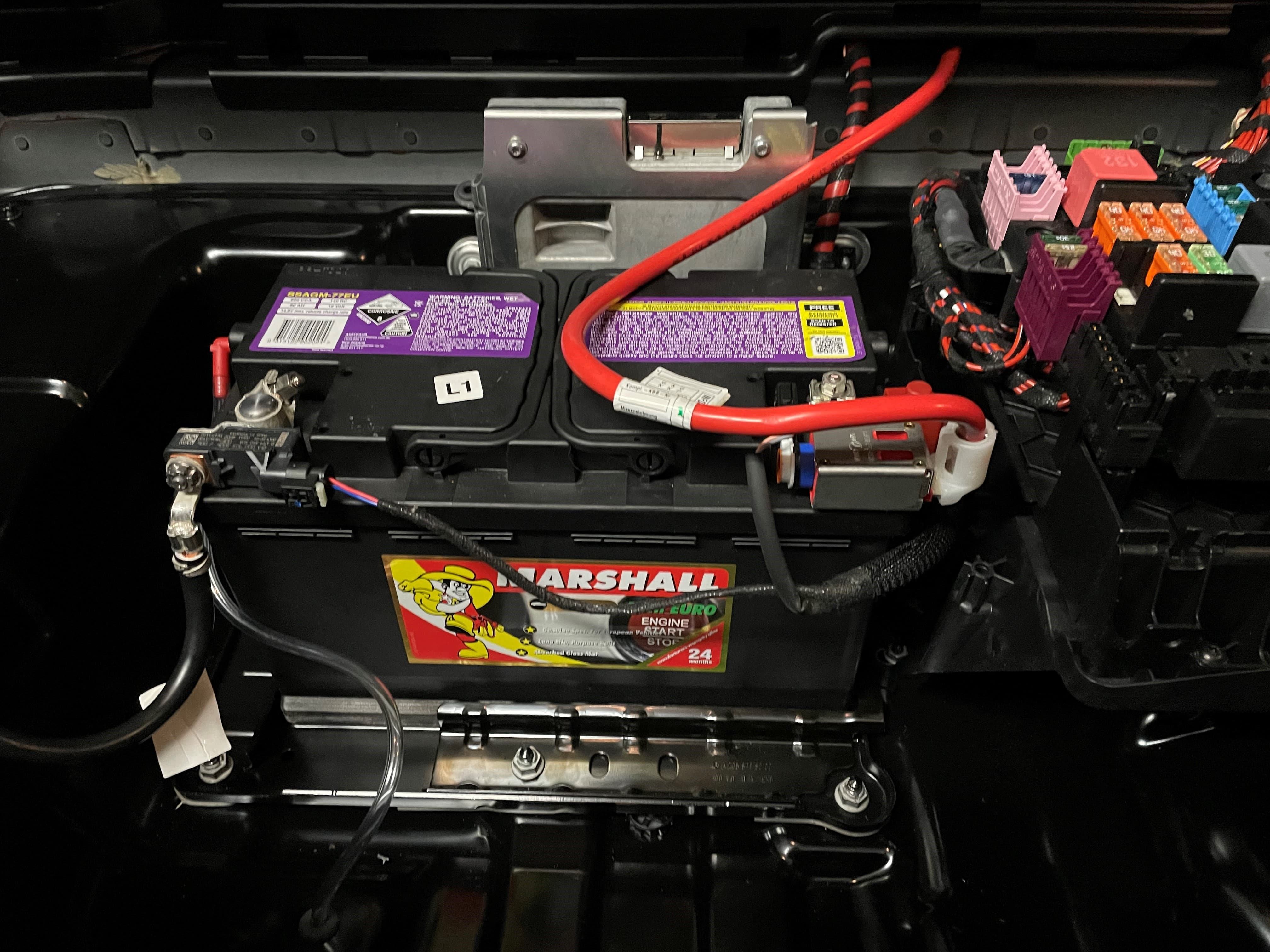
What Is a Car Battery Voltage Reading?
Think of a car battery's voltage reading as its pulse. Just like a doctor checks your heartbeat, you can check your battery's health with a simple tool called a multimeter. The voltage reading tells you how much electrical pressure your battery has stored up and ready to deliver to your car's starter, lights, and other electronics.
A standard 12-volt car battery actually produces a bit more than 12 volts when fully charged. This might seem confusing at first, but there's a good reason. The extra voltage acts like a cushion, giving your battery enough power even when some energy gets used up. When you see a reading of 12.6 volts, that means your battery is at about 100% charge. As the voltage drops, so does the charge level.
The chemistry inside your battery is mostly lead-acid, which has been the go-to technology for over 150 years. Each cell in your battery produces about 2.1 volts, and six cells are connected together to give you that familiar 12-volt system. Pretty neat, right?
What Should a Car Battery Read When the Car Is Off?
When your car is turned off and the battery has been resting for at least a few hours, a healthy reading should fall between 12.4 and 12.7 volts. I always tell my friends to think of this as the "resting heart rate" of their battery.
Here's a simple breakdown of what different readings mean when the car is off:
- 12.6 to 12.7 volts: Fully charged and in great shape
- 12.4 volts: About 75% charged, still good
- 12.2 volts: Around 50% charged, getting weak
- 12.0 volts: Roughly 25% charged, needs attention
- Below 11.9 volts: Discharged, likely won't start your car
I learned this the hard way one winter when my old sedan refused to start after sitting in the airport parking lot for two weeks. The battery read 11.8 volts, and I had to call for a jump. Since then, I always check my battery before any long trip.
Temperature plays a sneaky role here too. Cold weather can make your battery's voltage drop temporarily, while hot weather can speed up chemical reactions inside. A battery that reads 12.4 volts on a freezing morning might actually be healthier than you think. Give it a few hours to warm up and check again.
What Should a Car Battery Read When the Car Is Running?
When you start your engine, your alternator kicks in to charge the battery and power your car's electrical systems. In this state, your battery should read between 13.7 and 14.7 volts. This higher reading is completely normal and shows that everything is working as it should.
Think of the alternator as your battery's personal trainer. It keeps the battery charged up while also running all the electronics like your radio, headlights, and air conditioning. If the reading is too low, the alternator might not be doing its job. If it's too high, you could have a voltage regulator problem that might cook your battery over time.
Here's what different running readings typically indicate:
- 13.7 to 14.7 volts: Alternator working perfectly
- 13.0 to 13.6 volts: Undercharging, alternator might be weak
- 14.8 to 15.0 volts: Slightly overcharging, watch for issues
- Above 15.0 volts: Overcharging, could damage battery
One thing I always do is turn on the headlights, radio, and AC while checking the running voltage. This puts a load on the system, and the reading should still stay above 13.5 volts. If it drops below that, your alternator might be struggling to keep up.

How to Test Your Car Battery the Right Way
Testing your battery isn't rocket science, but doing it correctly makes a big difference. Let me share the exact method I use every time I check a battery, whether it's my own car or a friend's.
First, you'll need a digital multimeter. You can grab a decent one for around 20 to 30 dollars at any auto parts store. It's one of the best investments you can make as a car owner. Before testing, make sure your car has been off for at least 4 to 6 hours, or even better, test it first thing in the morning before you start the engine.
Here are the steps I follow:
- Turn off the engine and all accessories like lights and radio
- Open the hood and locate your battery
- Set your multimeter to DC voltage, around 20 volts setting
- Connect the red probe to the positive terminal, marked with a plus sign
- Connect the black probe to the negative terminal, marked with a minus sign
- Read the display and note the voltage
- Compare your reading to the healthy ranges I shared earlier
If the reading is low, don't panic right away. Try driving the car for 30 minutes to let the alternator charge it up, then wait a few hours and test again. Sometimes a battery just needs a good charge to bounce back, especially if the car has been sitting for a while.
Signs Your Car Battery Is Failing
Even if you don't have a multimeter handy, your car usually gives you plenty of warning signs when the battery is on its way out. Learning to spot these signs can save you from being stranded somewhere inconvenient.
The most obvious sign is a slow-cranking engine. When you turn the key, the engine should start up quickly and smoothly. If it sounds like the starter is struggling or turning over slowly, your battery is probably weak. I remember one morning when my car took three tries to start, and I knew right away it was time for a new battery.
Other common warning signs include:
- Dim headlights, especially when the engine is idling
- Dashboard battery light staying on after starting
- Electrical issues like power windows moving slowly
- A clicking sound when you turn the key
- The engine not starting at all
- Swelling or bloating of the battery case
- A rotten egg smell from battery acid
One thing many people overlook is the age of their battery. Most car batteries last between 3 and 5 years, depending on climate and driving habits. If your battery is approaching that age range, start paying closer attention to its performance. I mark my battery's installation date on a small sticker so I always know when to expect trouble.
How to Maintain Your Car Battery for Longer Life
Taking care of your battery doesn't require a lot of effort, but it does require consistency. Over the years, I've found that a little bit of attention every few months can add years to a battery's life. Let me share my favorite maintenance tips that actually work.
Keep the terminals clean. Corrosion builds up on battery terminals over time, and it acts like a roadblock for electricity. Mix some baking soda with water, scrub the terminals with an old toothbrush, and rinse with clean water. Just make sure the car is off, and disconnect the negative cable first if you're going deep into cleaning.
Make sure your battery is secure. A battery that bounces around in its tray can develop internal damage or crack the case. Check the hold-down bracket and make sure everything is tight. This is something I check every time I change my oil.
Here are more maintenance tips that have worked for me:
- Drive your car regularly, at least once a week for 20 minutes
- Avoid short trips that don't give the battery time to fully recharge
- Turn off all lights and accessories before shutting off the engine
- Keep the battery case clean and dry
- Check the electrolyte level in non-sealed batteries
- Park in a garage during extreme weather when possible
Heat is actually your battery's worst enemy, even more than cold. High temperatures speed up the chemical reactions inside, which can shorten battery life. If you live in a hot climate, consider parking in the shade or a garage whenever you can.
Common Battery Reading Mistakes to Avoid
Over the years, I've seen a lot of people make the same mistakes when checking their battery. Some of these mistakes can lead to wrong conclusions, and others can actually be dangerous. Let me walk you through the most common ones so you can avoid them.
Testing the battery right after driving is a big one. Your alternator has been charging the battery, so the surface charge will give you an artificially high reading. Always wait at least a few hours after driving to get an accurate resting voltage. I usually test mine first thing in the morning before the car has been started.
Another mistake is touching the probes to the wrong terminals or letting them touch each other while connected. This can short-circuit the multimeter or cause sparks. Always double-check your connections before looking at the display. The red probe goes on positive, the black probe goes on negative, every single time.
Some people also forget to consider the temperature. A battery might read 12.3 volts on a cold morning but actually be in good shape. The chemical reactions slow down in cold weather, giving you a lower reading. Most multimeters don't compensate for temperature, so keep this in mind when you see a reading that's slightly off.
Finally, don't ignore the obvious stuff. If your battery terminals are covered in white or blue-green powder, clean them before testing. Corrosion acts as a resistor and can give you a lower reading than the actual battery state.

When to Replace Your Car Battery
Knowing when to say goodbye to your old battery is just as important as knowing how to test it. Most batteries have a limited lifespan, and pushing your luck can leave you stranded at the worst possible moment.
The general rule of thumb is 3 to 5 years, but this varies based on several factors. If you live in a hot climate, expect closer to 3 years. If you live somewhere cooler and you take good care of your battery, you might get 6 or even 7 years out of it. I once had a battery that lasted 8 years because I was religious about maintenance, though that's pretty rare.
Here are clear signs it's time for a replacement:
- Voltage consistently below 12.2 volts after a full charge
- Visible damage like cracks, bulges, or leaks
- Sulfur smell coming from the battery
- Need for frequent jump starts
- Battery older than 5 years, even if it still works
- Failed load test at an auto parts store
Most auto parts stores will test your battery for free, and many will come to you. I always recommend getting a professional load test once a year once your battery passes the 3-year mark. It's free, takes just a few minutes, and gives you peace of mind.
When buying a new battery, don't just go for the cheapest option. Look at the cold cranking amps, or CCA, which tells you how well the battery performs in cold weather. Match or exceed the CCA rating of your original battery. Also, check the warranty. A longer warranty usually means the manufacturer has more confidence in the product.
Frequently Asked Questions
What voltage is too low for a car battery?
A car battery that reads below 12.0 volts when the engine is off is considered discharged. Anything under 11.8 volts is severely discharged and might not recover even with a full charge. If your battery consistently reads low, it's time to test the charging system or replace the battery.
Can a car battery show 12 volts and still be bad?
Yes, a battery can read 12 volts or even higher on a voltmeter but still be bad. Voltage measures the electrical potential, but it doesn't tell you about the battery's ability to deliver current under load. A proper load test is the only way to know for sure if a battery is truly healthy.
How often should I check my car battery voltage?
Check your battery voltage at least every 3 months, and more often if your battery is over 3 years old. I also recommend checking before long trips or after the car has been sitting for an extended period. Regular checks help you catch problems before they leave you stranded.
Does idling the car charge the battery?
Idling does charge the battery, but very slowly. The alternator produces less power at idle compared to higher RPMs. Driving at normal speeds for 20 to 30 minutes is a much more effective way to recharge a weak battery. Short idling sessions might not even keep up with the electrical demands of modern cars.
What does it mean if my battery reads 13 volts while running?
A reading of 13 volts while running is a bit low and suggests the alternator might be undercharging. It could also mean you have a weak connection or corroded cables. Have your charging system tested to find the exact cause and prevent long-term battery damage.
Conclusion
Understanding what your car battery should read is a simple skill that pays off in a big way. A healthy resting voltage sits between 12.4 and 12.7 volts, while a properly charging system shows 13.7 to 14.7 volts when the engine runs. These numbers tell you everything you need to know about your battery's health and your charging system's performance.
I've been through my share of battery troubles, from dead batteries in parking lots to sudden failures on road trips. Each experience taught me to respect the importance of regular checks and maintenance. Now I check my battery every few months, keep the terminals clean, and replace batteries before they fail completely.
The best thing you can do is grab a multimeter and start checking your battery today. It's a small habit that can prevent big headaches down the road. Drop a comment below with your own battery experiences or any questions you have, and feel free to share this guide with fellow car owners who might find it useful.