A typical car battery lasts between three and five years, but the exact lifespan depends on climate, driving habits, and maintenance.
If you've ever been stranded with a dead battery on a cold morning, you already know how important that little box under the hood really is. After working with cars for over a decade and helping countless drivers avoid those frustrating no-start moments, I can tell you that understanding your battery's life expectancy is one of the smartest things any car owner can do. Most people don't think about their battery until it fails, but by then, you're already paying the price in time, stress, and sometimes a costly tow. In this guide, I'll walk you through everything you need to know about how long a car battery actually lasts, what makes one die early, and what you can do to squeeze out every extra mile of life from yours.
The Average Lifespan of a Car Battery Explained
When someone asks me, "how long does a car battery last?" I usually smile because the honest answer is "it depends." But there are real numbers we can point to. The average life expectancy of a car battery sits right around four years. Some batteries push past the five-year mark with ease, while others give up before they even hit three.
Think of your battery like a pair of running shoes. You can buy the cheapest pair on the rack, or you can invest in a solid one. Either way, how long they last depends on how often you run, what kind of terrain you cover, and whether you take care of them. The same logic applies to your battery.
A few key factors that shape the average lifespan include:
- Battery type: Lead-acid, AGM, and lithium-ion all behave differently under stress.
- Climate: Extreme heat or cold can shorten life dramatically.
- Driving patterns: Short trips never let the battery fully recharge.
- Maintenance habits: Clean terminals and proper voltage checks go a long way.
A typical lead-acid battery lasts around three to five years, while an AGM battery can stretch to six or seven under ideal conditions. If you're driving a newer car packed with electronics, your battery is working overtime and may not last as long as one in a simpler vehicle.

Factors That Shorten or Extend Battery Life
Climate and Temperature Swings
Heat is the silent killer of car batteries. I learned this the hard way living in Arizona, where summer temperatures regularly push past 110 degrees. My battery died at just two years old. On the flip side, bitter cold makes a weak battery fail faster because the chemical reactions inside slow down.
Here's a quick breakdown:
- Hot climates accelerate internal corrosion and evaporate battery fluid.
- Cold climates thicken engine oil, demand more cranking power, and expose weak batteries.
- Mild climates are the sweet spot, often pushing batteries past the five-year mark.
Driving Habits
Your daily commute plays a bigger role than you might think. If you're making lots of short trips, the alternator never has enough time to fully recharge the battery. Over time, this leads to what's called "chronic undercharging," which kills batteries early.
Long, steady drives are much better. They let the alternator do its job and keep the battery topped off. If you mostly drive in stop-and-go traffic, expect to replace your battery sooner rather than later.
Maintenance and Care
A battery is like a plant. Ignore it, and it wilts. Care for it, and it thrives.
Simple maintenance steps include:
- Cleaning corrosion off the terminals with a wire brush and baking soda paste
- Checking the electrolyte level in non-sealed batteries
- Making sure the battery is securely mounted to reduce vibration damage
- Testing the voltage regularly, especially before winter
A battery tender or maintainer is also a lifesaver if you store your car for weeks at a time. I've used one on my classic truck, and that battery is still going strong after six years.

Signs Your Battery Is Nearing the End
One of the most frustrating things about batteries is that they often fail without much warning. But if you pay attention, your car will usually drop hints before it leaves you stranded.
Common warning signs include:
- Slow engine crank: The engine turns over lazily, especially in cold weather.
- Dim headlights or interior lights: A sign the battery is struggling to hold a charge.
- Warning light on the dashboard: Often shaped like a battery icon.
- Swollen or bloated battery case: Caused by excessive heat or overcharging.
- Frequent need for jump-starts: The most obvious red flag.
I always tell friends to pay attention to how their car behaves on the first start of the day. If it sounds sluggish, get the battery tested right away. Most auto parts stores will do this for free in just a few minutes.
How to Maximize Your Car Battery's Life
Drive Smart
Whenever possible, take longer drives to give your battery time to recharge fully. If your commute is mostly short hops, consider investing in a portable jump starter as a backup.
Keep It Clean
Dirt and corrosion on the battery terminals create resistance, making it harder for the battery to deliver power. A quick cleaning every few months can add real life to your battery.
Avoid Power Drains
Modern cars have a lot of electronics, and leaving accessories plugged in when the engine is off can slowly drain your battery. Be mindful of:
- Phone chargers left plugged in
- Interior lights that don't shut off automatically
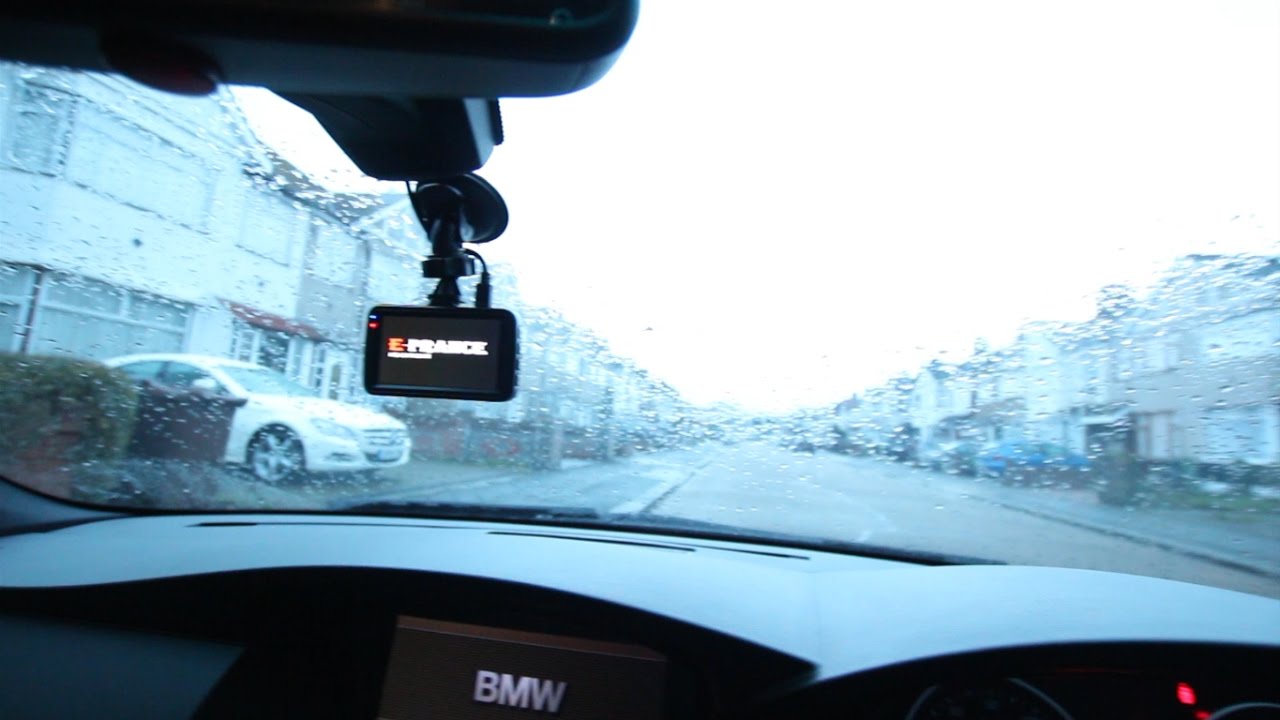
- Aftermarket accessories like dash cams or sound systems
Test It Regularly
Once your battery hits the three-year mark, get it tested at least twice a year. A simple voltage test or load test can tell you if it's on its way out. Catching a weak battery early means you can replace it on your schedule, not on a cold morning in a parking lot.
Park Smart
If you can, park in a garage or shaded area during extreme heat. In winter, a battery blanket can help keep it warm and ready to crank.
Different Battery Types and Their Lifespans
Not all batteries are created equal. The type you choose has a big impact on how long it will serve you.
- Standard Flooded Lead-Acid: The most common and affordable option. Lifespan is typically three to five years.
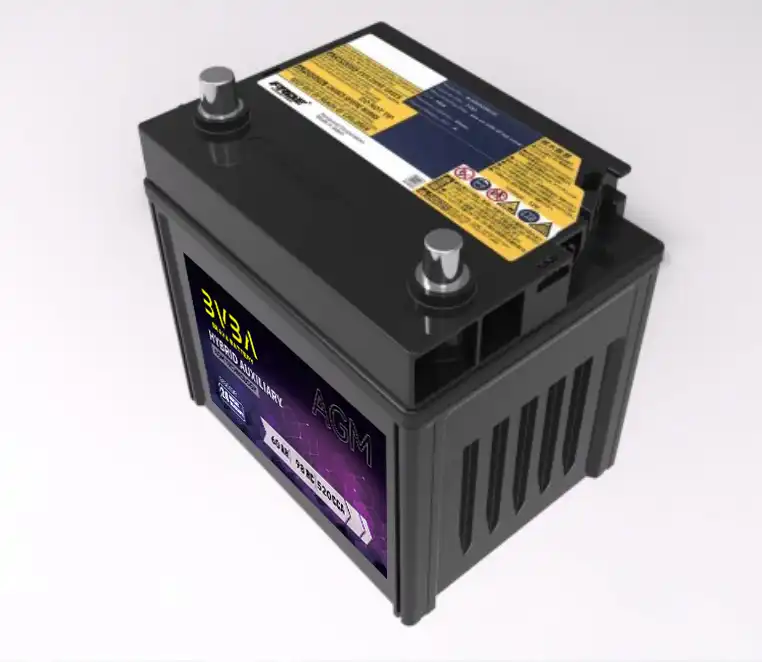
- AGM (Absorbent Glass Mat): A premium option that handles deep cycling better. Lifespan often reaches five to seven years.
- Lithium-Ion: Mostly found in hybrid and electric vehicles. Can last ten years or more with proper care.
- Enhanced Flooded Batteries (EFB): Used in cars with start-stop technology. Lifespan sits between standard and AGM, usually four to six years.
I usually recommend AGM batteries for anyone living in extreme climates or driving vehicles with lots of electronics. Yes, they cost more upfront, but the longer life and better performance often make them worth the investment.
Common Misconceptions About Car Batteries
Over the years, I've heard just about every battery myth in the book. Let me clear up a few of the most common ones.
- "A battery will last as long as the car does." Not true. Most batteries die well before the vehicle reaches the end of its life.
- "Jump-starting a dead battery damages it." Jump-starting won't damage a healthy battery, but doing it constantly will shorten its life.
- "Driving recharges a battery." Partially true. Driving helps, but a weak battery often needs a proper charger to fully recover.
- "All batteries are the same." Big myth. Quality, type, and brand make a huge difference in lifespan.
When to Replace Your Battery
Don't wait for a complete failure. The best time to replace your battery is before it leaves you stranded. Most mechanics recommend replacement once the battery shows signs of weakness or after four to six years, depending on type.
If your car struggles to start, the headlights dim at idle, or your battery is past the four-year mark, go ahead and replace it. A new battery typically costs between $100 and $250, including installation. That's a small price compared to the cost of a tow, a missed workday, or a ruined trip.

Frequently Asked Questions
How many years does a car battery typically last?
A car battery typically lasts between three and five years, though AGM batteries can last up to seven years with proper care.
Can a car battery last 10 years?
In rare cases, yes. A well-maintained battery in a mild climate with light electrical demand can sometimes reach ten years, but it's not the norm.
What shortens the life of a car battery the most?
Excessive heat, frequent short trips, and lack of maintenance are the top killers of car batteries.
Does a new battery improve car performance?
A new battery won't boost horsepower, but it can improve the reliability of your electrical system, including lights, sensors, and accessories.
Is it safe to drive with a weak battery?
It's risky. A weak battery can fail at a stoplight or in traffic, leaving you stranded or causing electrical issues.
Conclusion
Your battery is the heart of your car's electrical system, and treating it right pays off in reliability and peace of mind. The average car battery gives you three to five solid years, and with a little care, you can often push that further. Pay attention to the warning signs, keep those terminals clean, and don't ignore routine testing. A few minutes of attention now can save you from a cold morning surprise later. If your battery is past the four-year mark or showing any signs of weakness, take the proactive step and replace it before it chooses the worst possible moment to quit. Your future self will thank you.