
A car battery contains lead plates, sulfuric acid electrolyte, and plastic casing that work together to store and deliver electrical energy.
Understanding what's inside a car battery might not sound exciting at first, but trust me, it's one of those things that makes you appreciate the little marvels hiding under your hood. I've spent years tinkering with cars, and every time I pop open a battery, I'm reminded of just how much clever chemistry keeps our daily drives alive. Whether you're a weekend mechanic or just someone who wants to know why your car starts every morning, knowing the guts of a battery can save you time, money, and a lot of frustration. Let me walk you through it like we're chatting over a cup of coffee.
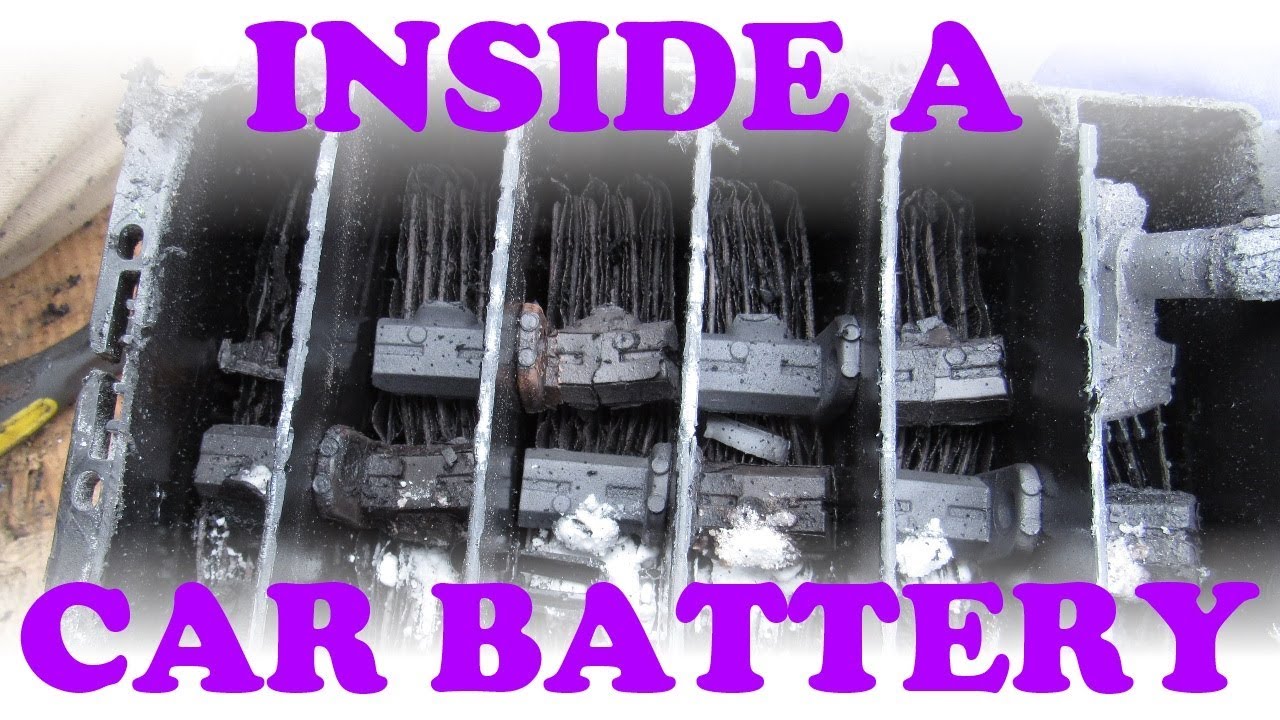
The Main Parts of a Car Battery and How They Function
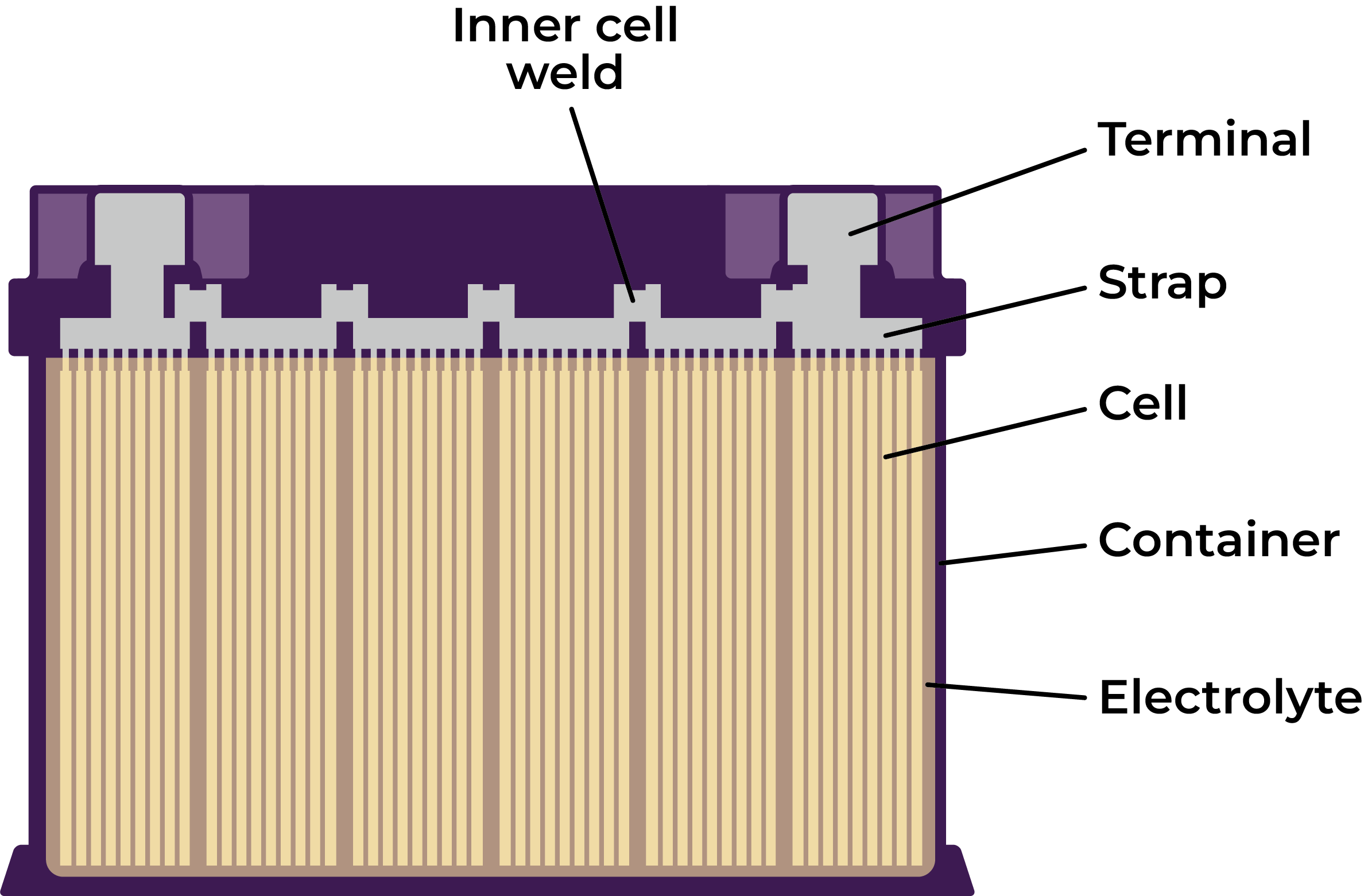
At first glance, a car battery looks like a simple black box. But inside, it's a carefully arranged system of components that turn chemical energy into the electrical power your engine needs. Let's break it down piece by piece so it all makes sense.
Lead Plates: The Power Producers
The heart of any car battery is the lead plates. These thin, flat pieces come in two types: positive plates coated with lead dioxide and negative plates made of sponge lead. They're stacked alternately inside the battery cells, with each cell generating about 2.1 volts of electricity.
Think of these plates as tiny energy factories. When your battery is charged, the plates hold onto energy in a chemical form. When you turn the key, that energy gets released as electricity. The more plates you have, the more power your battery can deliver. I've seen batteries with up to 13 plates per cell in high-performance models, and the difference in cranking power is noticeable right away.
One thing I learned the hard way: never let the plates sit exposed to air for long. When that happens, they oxidize fast, and you end up with a battery that won't hold a charge. It's like leaving a metal tool out in the rain. It just falls apart.
Sulfuric Acid Electrolyte: The Energy Mover
Between those lead plates sits a liquid called electrolyte, which is a mix of sulfuric acid and water. This is the stuff that actually makes the chemical reaction happen. When the battery discharges, the acid reacts with the lead plates to create lead sulfate and release electrons. When you charge it, that process reverses.
The concentration of the acid matters a lot. Too much water and the battery struggles. Too little and the plates dry up. I remember checking a friend's battery once and finding the electrolyte level so low I could see the tops of the plates. One top-up with the correct acid mixture, and that battery ran for another two years.
A quick safety note here: this acid is no joke. It can burn your skin and eat through clothing. Always wear gloves and goggles if you're peeking inside a battery. I learned this lesson after a small splash left a tiny hole in my favorite jeans. Lesson learned.
Separators: The Silent Guardians
Between each lead plate, you'll find thin sheets called separators. They're usually made of plastic, rubber, or fiberglass, and their job is simple but critical: keep the positive and negative plates from touching while still letting the electrolyte flow freely.
Without separators, your battery would short-circuit in seconds. It's like having a referee at a game. Nobody notices when things go right, but the moment that person steps away, chaos breaks loose.
I once pulled apart an old battery to see how things were built, and the separators were starting to crumble. That battery was only three years old, but it had seen a lot of heat. Heat kills separators faster than anything else, which is why parking in the shade can actually extend your battery's life.
Battery Case: The Protective Shell
The outer case of a car battery is typically made from hard plastic, usually polypropylene. This material does three jobs: it holds everything inside, keeps the acid from spilling, and resists the heat and vibration that come with daily driving.
When you pick up a battery, that case might seem indestructible. Yet over time, exposure to engine heat and road vibrations can cause tiny cracks. I've found hairline fractures in batteries that still seemed fine on the outside but were slowly leaking acid. A quick visual check every few months can catch these issues before they leave you stranded.
The case also has vent caps or a sealed design. Older batteries let gases escape through small caps, while modern ones use sealed designs with built-in vents. Either way, those vents exist because charging creates hydrogen gas, which is highly flammable. So yeah, no smoking near a charging battery.
Terminals: The Connection Points
At the top or side of the battery, you'll find two terminals: positive and negative. These are your battery's connection points to the rest of the car. The positive terminal is usually marked with a plus symbol and often has a red cover, while the negative is marked with a minus and may have a black cover.
Corrosion loves to build up on these terminals, and I've cleaned more caked-on battery terminals than I can count. A simple mixture of baking soda and water does the trick. But here's a tip I wish someone had told me years ago: always disconnect the negative terminal first and reconnect it last. This simple habit prevents accidental short circuits that can fry your car's electrical system.
The Chemistry Behind How a Car Battery Works
Now that you know the parts, let's talk about how they all play together. The magic of a car battery is all about chemistry, but don't worry. I'll keep it simple.
When you turn the ignition key, the battery sends a burst of electrical current to the starter motor. That current comes from a process called a chemical reaction. The sulfuric acid reacts with the lead plates, creating lead sulfate and releasing electrons. Those electrons flow through the wires in your car, powering everything from the lights to the radio.
When you drive, the alternator recharges the battery. It sends current back into the battery, reversing the chemical reaction. The lead sulfate breaks apart, the acid gets stronger again, and the plates return to their charged state. This cycle repeats thousands of times during a battery's life.
I find it amazing that this process has been refined for over 150 years, and the basic design hasn't changed much. Sure, we have AGM and lithium-ion options now, but the trusty lead-acid battery still rules under most hoods.
Different Types of Car Batteries and What's Inside Them
Not every car battery is built the same way. Different designs use different internal components, and knowing the differences can help you pick the right one for your vehicle.
Flooded Lead-Acid Batteries
These are the most common and the most affordable. Inside, you'll find the classic setup: lead plates, sulfuric acid electrolyte, and vent caps. They're reliable, easy to service, and can last 3 to 5 years with proper care.
The downside? They can spill if tipped over, and they require occasional maintenance to top up the water level. I've owned a few of these, and they never let me down, as long as I kept an eye on the fluid levels.
AGM Batteries
AGM stands for Absorbent Glass Mat. Inside these batteries, the electrolyte is held in fiberglass mats rather than freely flowing. This design makes them spill-proof, more resistant to vibration, and better at handling deep discharges.
They're more expensive than flooded batteries, but they last longer and perform better in extreme conditions. I switched to an AGM battery a few years ago, and the difference in cold-weather starting was immediate. No more sluggish cranking on freezing mornings.
Gel Batteries
Gel batteries use a silica-based gel to hold the electrolyte in place. They're similar to AGM in that they're sealed and maintenance-free, but they handle deep cycling even better. You'll often find them in off-road vehicles or marine applications.
They're not as common in regular cars because they don't handle high cranking currents as well as AGM or flooded batteries. But for specific uses, they really shine.
Lithium-Ion Car Batteries
A newer option, lithium-ion car batteries, use lithium compounds instead of lead. They're lighter, last longer, and charge faster. But they're expensive and not as widely available. I've only seen these in high-end sports cars and some hybrids, but the technology is slowly making its way into everyday vehicles.

How to Inspect What's Inside Your Car Battery Safely
You don't need to be a mechanic to peek inside your car battery. With a few simple checks, you can catch problems before they leave you stuck in a parking lot.
Start by looking at the case. Any cracks, bulges, or leaks mean it's time for a replacement. Next, check the terminals. If they're covered in white or blue-green powder, that's corrosion. Clean it off with a wire brush and a baking soda solution.
If your battery has removable caps, you can check the electrolyte level. The fluid should cover the plates by about half an inch. If it's low, top it off with distilled water. Never use tap water. The minerals can damage the internal components.
Finally, use a multimeter to check the voltage. A fully charged battery should read around 12.6 volts. If it's below 12.2 volts, it's time to charge it. And if it won't hold a charge at all, the plates are likely sulfated, and the battery is done.
I check my battery every six months, and it's saved me from being stranded more than once. A little attention goes a long way.
Common Problems Found Inside Car Batteries
Even with perfect care, batteries eventually fail. Most problems start inside, where you can't easily see them. Here are the most common issues I've encountered over the years.
Sulfation happens when lead sulfate builds up on the plates. This occurs when a battery stays discharged too long. It's the number one cause of battery failure, and it's almost always preventable with regular use and charging.
Corrosion on the internal connections can also cause issues. While external corrosion is easy to clean, internal corrosion is harder to spot. It usually shows up as poor performance or slow cranking.
Acid stratification is another common issue, especially in batteries that don't get fully charged. The acid settles at the bottom, leaving the top weak. This is more common in vehicles that only make short trips, and it's a good reason to take your car for a longer drive now and then.
Physical damage from vibration or impact can crack the internal components. This often leads to short circuits and sudden failure. If you drive on rough roads often, a battery with stronger internal construction, like an AGM, is worth the investment.
Tips for Extending the Life of Your Car Battery
A car battery isn't cheap, so getting the most out of it just makes sense. Here are some practical tips that have served me well over the years.
Keep the battery clean and dry. Dirt and moisture on the case can create a path for electrical discharge, which slowly drains the battery. A quick wipe-down every few months is all it takes.
Make sure the battery is securely mounted. Vibration is a battery killer. Every time you hit a bump, a loose battery bounces around, which can damage the internal plates. Check the hold-down bracket regularly.
Avoid short trips when possible. Short trips don't give the alternator enough time to fully recharge the battery. If most of your driving is short hops, consider using a battery maintainer to keep it topped off. I keep one in my garage, and it's saved me from buying new ones sooner than necessary.
Turn off electronics when the engine isn't running. Leaving the lights or radio on while the engine is off is one of the fastest ways to kill a battery. Modern cars usually warn you, but older models might not.
Get your battery tested before winter. Cold weather is tough on batteries. A weak battery might seem fine in summer but fail on the first cold morning. Most auto parts stores will test your battery for free, and it's worth doing every fall.

The Environmental Side of Car Batteries
Car batteries contain some pretty nasty stuff, especially sulfuric acid and lead. That's why proper disposal is so important. Never throw one in the trash. Most auto parts stores accept old batteries for recycling, and many will even give you a small credit toward a new one.
Recycling car batteries is a well-established process. The lead, plastic, and acid can all be reused. In fact, most of the lead in new batteries comes from recycled sources. It's a great example of how we can turn an environmental problem into a sustainable cycle.
When I replace a battery, I always bring the old one back to the store. It feels good to know that the materials aren't ending up in a landfill. Plus, that small store credit usually pays for a nice lunch on the way home.
How to Choose the Right Replacement Battery
When the time comes to replace your battery, picking the right one matters. It's not just about grabbing the cheapest option off the shelf. Here's what I look for.
First, check your owner's manual for the recommended group size and cold cranking amps. The group size ensures the battery fits your car's tray, and the cold cranking amps tell you how well it will start in cold weather.
Consider the climate where you live. If you're in a cold region, go for a battery with higher CCA. If you're in a hot climate, focus on reserve capacity, which tells you how long the battery can run accessories if the alternator fails.
Think about your driving habits. If you mostly drive short distances, an AGM battery is worth the extra cost because it handles partial charging better. If you do a lot of long drives, a standard flooded battery will serve you well.
Finally, look at the warranty. A longer warranty often signals a higher-quality battery. Most decent batteries come with at least a 3-year warranty, and premium ones can go up to 5 years or more.
Myths and Misconceptions About Car Batteries
Over the years, I've heard just about every car battery myth out there. Let me clear up a few of the most common ones.
Myth: A battery will recharge fully after a jump start. Not true. A jump start gets you going, but it doesn't fully recharge a deeply discharged battery. You need to drive for at least 30 minutes or use a proper charger to bring it back to full charge.
Myth: Storing a battery on concrete will drain it. This used to be true with old battery cases, but modern plastic cases don't have this problem. You can store a battery on concrete without any issues.
Myth: You don't need to maintain a maintenance-free battery. While you don't add water to a maintenance-free battery, you still need to keep the terminals clean and the case in good shape. The term is more about convenience than total freedom from care.
Myth: Bigger batteries are always better. Not necessarily. A battery that's too large might not fit properly, and one with too much power can strain your alternator. Always stick with the recommended size and specs.
Frequently Asked Questions
What is inside a car battery made of?
A car battery contains lead plates, sulfuric acid electrolyte, plastic separators, and a hard plastic case. The lead plates and acid work together to create and store electrical energy through chemical reactions.
Can you open a car battery to see inside?
Yes, but it's risky. The sulfuric acid inside is highly corrosive and can cause burns. If you do open one, wear protective gear and work in a well-ventilated area. Most people get all the information they need from external checks.
How long does the inside of a car battery last?
The internal components typically last 3 to 6 years, depending on the type and how well you maintain it. Heat, vibration, and deep discharges all shorten that lifespan. Regular care can help you get the most out of it.
What causes the inside of a car battery to fail?
Sulfation is the biggest culprit. It happens when lead sulfate builds up on the plates due to undercharging or sitting unused. Heat and physical damage also wear down the internal parts over time.
Is the inside of a car battery dangerous?
Yes, especially the sulfuric acid. It can burn skin, eat through clothing, and damage your car's paint. Always handle batteries with care, and never smoke or create sparks near one. The gases inside are also flammable.
Can a car battery work if it's empty inside?
No, the electrolyte is essential for the chemical reaction that produces electricity. Without it, the battery can't function. That's why low fluid levels cause such a quick drop in performance.
How do you know if the inside of your car battery is bad?
Common signs include slow engine cranking, dim headlights, a swollen case, and a rotten egg smell. If your battery is more than three years old and showing any of these signs, it's time to have it tested.
Wrapping It All Up
Knowing what is inside of a car battery turns a mysterious black box into something you can understand and even work on. From the lead plates that generate power to the sulfuric acid that keeps the reaction going, every part has a purpose. Once you see how all those pieces fit together, taking care of your battery becomes second nature.
I've shared a lot of tips here, but the biggest takeaway is this: a little attention goes a long way. Keep the terminals clean, check the fluid level if you can, and don't ignore the warning signs. Doing so will save you from the frustration of a dead battery at the worst possible moment.
If you found this guide helpful, feel free to drop a comment with your own battery tips or questions. And if you want to learn more about car maintenance, I've got plenty more where this came from. Until next time, happy driving, and may your battery always be fully charged.