A dead car battery stops your engine from cranking, cuts power to all electrical systems, and leaves you stranded with a vehicle that won't start. Understanding the warning signs, causes, and fixes can save you time, money, and frustration.
I've been there — turning the key on a cold morning and hearing nothing but a sad click. Over the years, I've tested batteries, jump-started countless cars, and learned what really happens when a car battery dies. In this guide, I'll walk you through everything you need to know, from the science behind a dead battery to the exact steps you can take to prevent and fix the problem.

How a Car Battery Works
Before diving into what happens when a car battery dies, it helps to understand how a battery actually functions. Your car's battery is a rechargeable 12-volt lead-acid unit that stores chemical energy and converts it into electrical energy.
The battery has six cells, each producing about 2.1 volts. Together, they deliver the power needed to crank the engine, run the starter motor, and feed electricity to accessories like lights, radio, and sensors. Once the engine starts, the alternator takes over and recharges the battery while you drive.
Think of the battery as the heart of your car's electrical system. Without it, nothing in your vehicle gets the initial jolt of life it needs to start.
Signs Your Car Battery Is About to Die
Batteries rarely die without warning. If you pay attention, your car usually gives you clues long before you're left stranded. Here are the most common signs a battery is on its way out:
Slow engine crank
When you turn the key, the engine turns over slowly or feels sluggish. This is one of the earliest and most reliable signs of a weak battery.
Dashboard warning lights
The battery light, check engine light, or other warning indicators may flicker or stay on.
Dim headlights or interior lights
If your lights look weaker than usual, the battery may not be holding a full charge.
Electrical issues
Power windows, radio, or infotainment systems may act up or reset randomly.
Swollen battery case
Extreme heat can cause the battery case to bulge, signaling internal damage.
Old age
Most car batteries last three to five years. If yours is older, it's living on borrowed time.
A few years ago, I ignored a slow crank for weeks. I told myself I'd deal with it "this weekend." That weekend came too late — I was stuck in a grocery store parking lot with a completely dead battery. Lesson learned: don't wait until it's too late.
What Happens When a Car Battery Dies
When a car battery dies, the chain reaction affects nearly every part of your vehicle. Here's exactly what happens:
The engine won't start
The starter motor needs a surge of power to turn the engine. A dead battery can't deliver that power, so all you hear is a click or silence.
All electrical systems shut down
Lights, radio, power windows, dashboard displays, and even your alarm system stop working.
The alternator can't do its job
While the alternator normally recharges the battery, if the battery is completely dead, the alternator may struggle to keep up, especially with multiple accessories running.
The car may lose electronic memory
Modern vehicles store settings like radio presets, seat positions, and engine learning data in volatile memory. A dead battery can wipe these out.
You may smell sulfur or see corrosion
A leaking or dead battery can produce a rotten egg smell or leave a white, powdery residue on the terminals.
The vehicle may enter a locked-out state
Some cars with advanced anti-theft systems may refuse to start until the battery is reconnected or the system is reset.
In short, a dead battery doesn't just stop your engine. It shuts down the entire nervous system of your car.

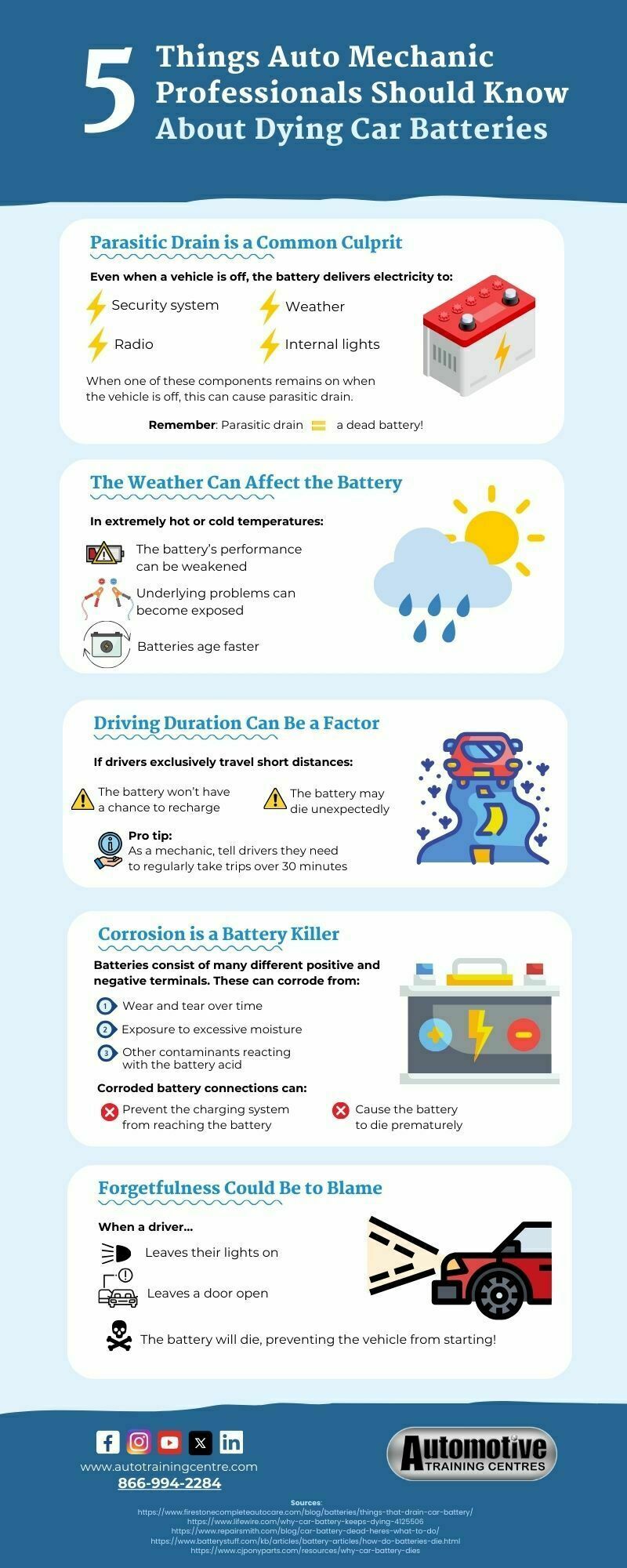
Common Causes of a Dead Car Battery
Several things can drain or kill a car battery. Some are obvious, others are sneaky.
Leaving lights or accessories on
Headlights, dome lights, or a phone charger left plugged in overnight can drain a battery completely.
Parasitic drain
Even when your car is off, small amounts of power flow to systems like the clock, alarm, and onboard computers. If something draws too much, the battery dies.
Faulty alternator
If the alternator fails, it can't recharge the battery while driving, leading to a gradual drain.
Extreme temperatures
Both intense heat and freezing cold can shorten battery life and cause sudden failure.
Corroded or loose terminals
Dirty connections prevent the battery from charging properly or delivering full power.
Short drives
Frequent short trips don't give the alternator enough time to recharge the battery fully.
Old age
Batteries lose capacity over time. An old battery simply can't hold a charge like it used to.

What to Do When Your Car Battery Dies
A dead battery doesn't have to ruin your day. Here's a step-by-step plan to get back on the road safely.
Step 1: Stay safe
Pull off the road if possible. Turn on your hazard lights and make sure you're in a safe location.
Step 2: Try a jump start
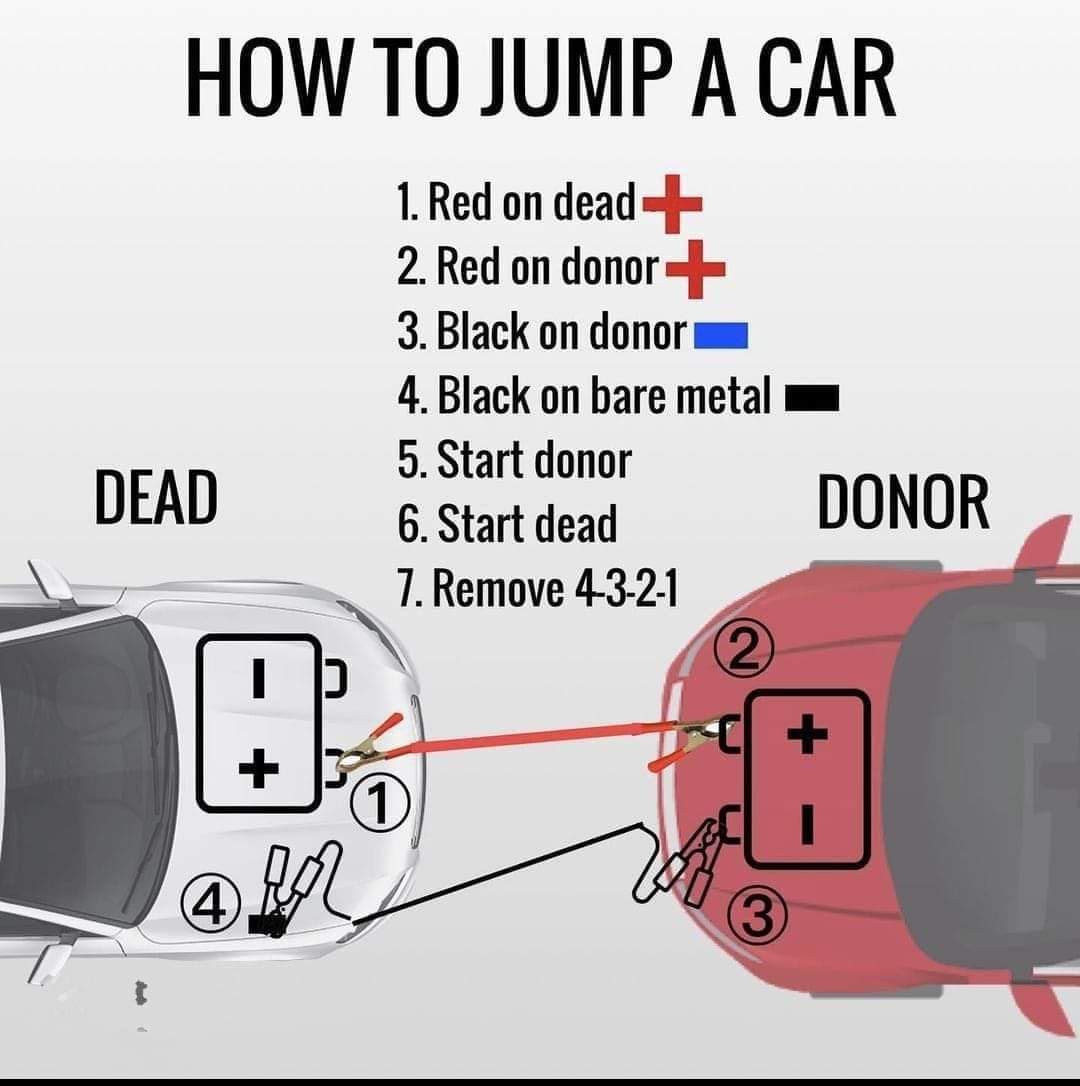
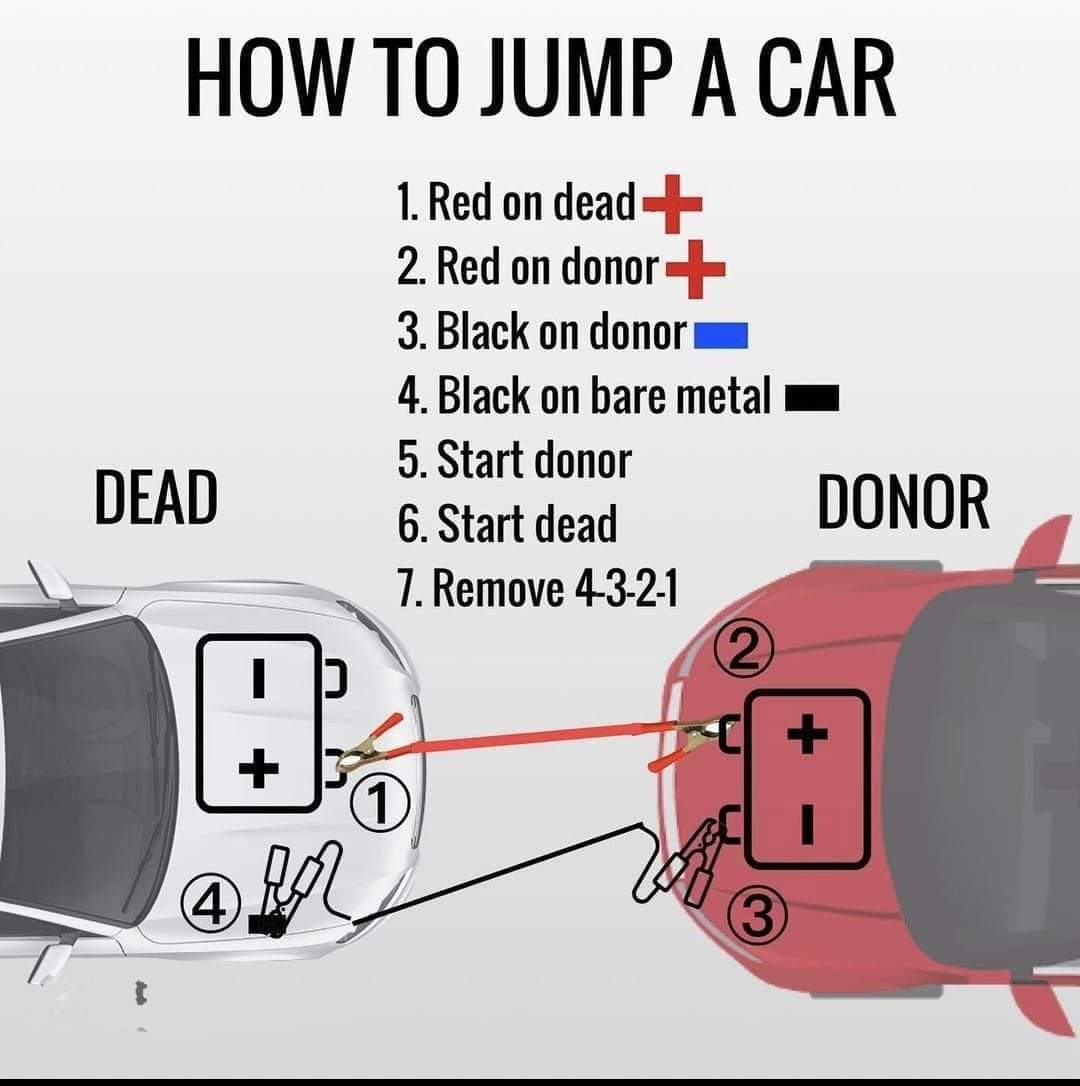
Use jumper cables and another vehicle with a good battery, or a portable jump starter. Connect the positive terminals first, then the negative. Start the working car, wait a few minutes, then try starting your car.
Step 3: Let it run
If the jump works, let your car run for at least 20 to 30 minutes to recharge the battery. Avoid turning off the engine until you're somewhere safe.
Step 4: Drive to a service center
A jump start is a temporary fix. Drive to an auto parts store or mechanic to have the battery tested. Most will test it for free.
Step 5: Replace if needed
If the battery is old or won't hold a charge, replace it. Make sure to get the right size and group number for your vehicle.
Step 6: Check the alternator
If a new battery dies again, the alternator is likely the culprit. Have it tested before assuming the battery is bad.
I've jump-started more cars than I can count, and I'll tell you — the order you connect the cables matters. Always positive first, negative last. Reverse the order when disconnecting. It prevents sparks and protects your car's electronics.

How to Prevent a Dead Car Battery
Prevention is always better than a roadside rescue. Here are simple habits that can extend your battery's life.
Drive regularly
Letting a car sit for weeks drains the battery. Take it for a 20-minute drive at least once a week.
Turn off accessories before shutting off the engine
Make sure headlights, radio, and climate controls are off before you turn the key.
Keep terminals clean
Wipe away corrosion with a baking soda and water mix, then dry and reconnect.
Secure the battery
Vibrations can damage internal components. Make sure the hold-down bracket is tight.
Test the battery annually
Most auto parts stores offer free battery testing. A five-minute check can save you a headache.
Avoid short trips when possible
Combine errands so the alternator has time to recharge the battery fully.
Park in the shade or garage
Extreme heat kills batteries faster than cold. A little shade goes a long way.
When to Replace Your Car Battery
Even with great care, every battery has a lifespan. Replace your battery if:
- It's more than four years old
- It struggles to start the engine
- The terminals are heavily corroded
- The battery case is swollen or leaking
- A load test shows it's weak
- You've needed multiple jump starts recently
A new battery typically costs between $80 and $200, depending on the brand and vehicle. It's a small price compared to the inconvenience of being stranded.
Myths About Dead Car Batteries
There are plenty of myths floating around about car batteries. Let's clear up a few.
Myth 1: Jump-starting damages your car
Done correctly, jump-starting is safe. The risk comes from connecting cables in the wrong order.
Myth 2: A dead battery means it's bad
Sometimes the battery is fine. The problem may be the alternator, a parasitic drain, or simply leaving lights on.
Myth 3: Cold weather kills batteries
Cold doesn't kill a healthy battery. It reveals a weak one. A weak battery struggles in cold because it needs more power to start the engine.
Myth 4: Idling charges the battery as well as driving
Idling charges slowly. Highway driving at higher RPMs recharges faster and more efficiently.
Myth 5: You can revive a dead battery by driving
If the battery is severely discharged, driving alone may not bring it back. A proper charger is often needed.
Frequently Asked Questions
Can a car battery die while driving?
Yes, if the alternator fails, the battery will drain quickly. You'll notice warning lights and a loss of power. Pull over immediately to avoid being stranded.
How long does a car battery last?
Most car batteries last three to five years. Climate, driving habits, and maintenance all affect lifespan.
Can a dead battery recharge itself?
No. A car battery needs an external charger or the alternator to recharge. Simply letting the car sit won't restore a dead battery.
Is it safe to drive with a weak battery?
It's risky. A weak battery may leave you stranded. Plus, a failing battery can put extra strain on the alternator and electrical system.
How do I know if it's the battery or the alternator?
If the car starts with a jump but dies shortly after, the alternator is likely the problem. If it starts and runs fine, the battery is the issue.
Conclusion
A dead car battery is more than just an inconvenience. It cuts power to your engine, disables your electrical systems, and can leave you stuck at the worst possible time. By understanding the warning signs, common causes, and proper response steps, you can handle the situation with confidence. Keep your terminals clean, test your battery yearly, and replace it before it fails. A little preventive care goes a long way toward keeping your car reliable and your life stress-free. If you found this guide helpful, share it with a friend, leave a comment below, or explore more of our car care tips to stay prepared on every drive.