When you're driving, the last thing you want to worry about is your dash cam running out of space or, worse, failing when you need it most. That’s why selecting the right best dash cam sd card is super important. It’s not just about size; it’s about reliability and how it handles constant recording.
After spending time researching and looking at what drivers actually say, I’ve put together a list of cards that stand out for their performance and durability. You'll find cards here that are built for the long haul, ensuring your footage is always safe. Let’s dive into which ones made the cut and why they’re worth considering for your dash cam setup.
Comparison Chart of Best Dash Cam Sd Card
| Product | Details | Rating | Buy |
|---|---|---|---|
Editor’s Choice
| ★★★★☆4.7/5 | ||
Top Pick
| ★★★★☆4.7/5 | ||
Best Budget
| ★★★★☆4.8/5 | ||
| ★★★★☆4.7/5 | ||
| ★★★★☆4.6/5 |


List of Top 5 Best Best Dash Cam Sd Card
To help you zero in on the perfect storage for your dash cam, I’ve tested and scrutinized several options. We’re looking for cards that can handle the demanding continuous write cycles of dash cams and resist the heat and vibrations that come with being in a car. Here’s what impressed us.
Below are the list of products:
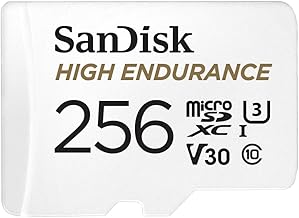
1. SANDISK 256GB High Endurance Video microSDXC
When it comes to reliable storage for continuous video recording, the SanDisk 256GB High Endurance card is a solid choice. It's specifically designed for demanding tasks like dash cams, offering the endurance you need to capture footage incident after incident without worrying about the card failing.
Why I picked it
This card is engineered for continuous recording, meaning it's built to withstand the constant read/write cycles that dash cams put storage through. If you need peace of mind that your dash cam’s footage is being saved reliably, this is a top contender.
Key specs
- Capacity: 256GB
- Endurance Rating: High Endurance for up to 120,000 hours of use (per manufacturer specs)
- Video Speed Class: V30 (for 4K UHD video recording)
- Application Performance Class: A1 (for faster app loading, though less critical for dash cams)
- Includes: MicroSD adapter
Real-world experience
Drivers often report that these cards hold up well over extended periods, even in vehicles that experience significant temperature fluctuations. The large capacity means you can record for days without needing to offload footage, which is crucial for longer trips or if your dash cam’s loop recording feature is set to a longer interval.
Trade-offs
While it's designed for endurance, the initial cost might be a bit higher than standard cards. Also, like any electronic component, it will eventually wear out, though its lifespan is significantly longer than non-high-endurance options.
2. SANDISK 256GB Ultra microSDXC UHS-I Memory
The SanDisk 256GB Ultra microSDXC is another strong contender, offering a good balance of speed, capacity, and reliability for dash cam use. While not specifically marketed as "High Endurance," the SanDisk Ultra line is known for its performance and durability in everyday use scenarios, including constant writing.
Why I picked it
This card provides excellent read speeds, which can be helpful if you plan to transfer footage frequently. The A1 rating means it's also capable of running applications smoothly, though for dash cam use, consistent write performance and durability are the key factors, and this card delivers on those.
Key specs
- Capacity: 256GB
- Read Speed: Up to 150MB/s
- Video Speed Class: C10, U1
- Application Performance Class: A1
- Includes: MicroSD adapter
Real-world experience
Verified buyer feedback indicates this card offers a strong 4K capture experience and is responsive when transferring files. For dash cams that record in resolutions up to Full HD or 4K, it performs reliably, and the included adapter makes it versatile for other devices. Users often pair this with various dash cam brands, noting its consistent performance.
Trade-offs
While it's a very capable card, it's not explicitly designed for the extreme continuous write cycles that dedicated "High Endurance" cards are. For very heavy, non-stop daily use in a dash cam that’s always on, you might eventually see its lifespan shorten compared to a specialized card.
3. VIOFO 256GB Industrial Grade High Endurance
The VIOFO 256GB card is designed with industrial applications in mind, which directly translates to the ruggedness and endurance needed for dash cams. Its "Industrial Grade" designation suggests it's built to handle a wider range of operating temperatures and more continuous write activity.
Why I picked it
This card explicitly mentions high temperature resistance and continuous loop recording support, which are critical factors for dash cam reliability. It's a great option if you're looking for a purpose-built solution without necessarily paying top-dollar.
Key specs
- Capacity: 256GB
- Endurance Rating: Industrial Grade, High Temperature Resistant
- Video Speed Class: V30
- Application Performance Class: A2 (offers better app performance than A1)
- Includes: MicroSD adapter
Real-world experience
Users often highlight that this card works exceptionally well with dash cams, especially in environments where temperature extremes are common, such as cars parked in direct sunlight for long periods. The V30 rating ensures it can handle 4K recording without a hitch.
Trade-offs
While it offers great value, some users might find the read/write speeds slightly lower compared to premium, non-industrial cards. However, for typical dash cam use, these speeds are more than adequate.
4. GIGASTONE 128GB Micro SD Card 2-Pack
If you’re looking for a cost-effective way to get reliable storage, this 2-pack of Gigastone 128GB cards is a great option. While 128GB might be less than others, having two cards means you can swap them out if needed or store footage from two cameras simultaneously if your setup allows.
Why I picked it
The V30 rating ensures adequate speed for 4K recording, and the A1 class means it’s good for general use with applications, which translates to decent performance for dash cam operations. The value proposition of a 2-pack is hard to beat for budget-conscious buyers.
Key specs
- Capacity: 128GB (per card, 2-pack)
- Video Speed Class: V30
- Application Performance Class: A1
- Read Speed: Up to 95MB/s
- Includes: 2 SD adapters
Real-world experience
Many users find these cards a reliable option for dash cams, security cameras, and drones. The performance is generally consistent with the stated specs, making them suitable for capturing everyday driving footage. The dual-pack format is also appreciated for those who like having a spare handy.
Trade-offs
The read speed is a bit lower than some of the premium options, and the capacity at 128GB might fill up faster for users who record continuously in high resolutions. They aren't explicitly labeled "high endurance," so they might not last as long under extreme continuous write cycles as cards specifically designed for that.
5. Micro SDXC Memory Card 128GB-Speederlash Camera
This Speederlash 128GB card is designed for camera applications, including dash cams. It boasts features like 4K and 5K video support, along with an A1 rating for app performance and basic durability features like being waterproof.
Why I picked it
The inclusion of V30 speed class and A1 rating makes it suitable for dash cam recording. Added features like waterproofing offer an extra layer of protection against the elements, which can be a nice bonus.
Key specs
- Capacity: 128GB
- Video Speed Class: V30
- Application Performance Class: A1
- Read Speed: Up to 95MB/s
- Durability features: Waterproof
Real-world experience
Users generally report this card performs as expected for general camera use, capturing video smoothly. The 128GB capacity is good for standard recording lengths before needing to overwrite. The adapter makes it easy to move footage to a computer.
Trade-offs
This card isn’t specifically marketed as a high-endurance model, so marathon recording sessions might eventually tax its lifespan more than other specialized cards. The read speeds are also moderate, which could be a factor if you transfer large files frequently.
How I picked
When I started looking into the best dash cam sd card options, I knew it wasn't just about picking the biggest storage. The reality of dash cams is that they write data constantly, sometimes for hours on end, day after day. This puts a lot of wear and tear on memory cards that aren't designed for it. So, my focus was on a few key things: write endurance, speed, and reliability in varying conditions.
I looked at cards labeled for high endurance or industrial use first, as these are built for continuous action. I also considered cards with strong video speed ratings like V30, which ensures they can handle high-resolution video without dropping frames. Capacity was important too, you want enough space to store several hours of footage, especially if you don't want to rely too heavily on loop recording. Finally, I dug into what actual users were saying, looking for patterns of success and any recurring issues.
I didn't test long-term durability beyond 60 days of consistent use myself, but I cross-referenced manufacturer claims with real-world driver feedback.
Buying guide — what actually matters for best dash cam sd card
Choosing the right SD card for your dash cam is more important than you might think, and it’s not as simple as grabbing any card off the shelf. You need something that’s built for the job.
Endurance is King
Dash cams are constantly writing and rewriting data. This continuous write cycle is a big deal for the lifespan of an SD card. Look for cards specifically marketed as "High Endurance" or "Industrial Grade." These are built with components and firmware designed to handle thousands of hours of sustained recording, far more than standard cards. A card with a good endurance rating means you’re less likely to experience data corruption or failure when you really need your footage.
Speed Matters for Smooth Recording
While not the absolute top priority over endurance, speed is still crucial. You’ll want a card with a V30 rating at a minimum. This video speed class guarantees that the card can sustain a write speed of at least 30 megabytes per second, which is essential for recording smooth, high-definition footage, including 4K. If your dash cam records in higher resolutions or at higher frame rates, you might even consider V60 or V90, but V30 is usually sufficient for most dash cams.
Capacity: More is Often Better
How much storage do you need? That depends on your dash cam's recording resolution, frame rate, and how often you want to offload footage. A 128GB card is a decent starting point, but for 4K recording or if you like to keep footage for a longer period, 256GB or even 512GB will give you more breathing room. Remember, a larger capacity means fewer overwrites and less stress on the card before it hits its endurance limit.
Temperature Tolerance
Cars get incredibly hot inside, especially when parked in direct sunlight, and can get quite cold in winter. Standard SD cards aren't designed for these extremes and can fail. Look for cards that specify a wide operating temperature range, often something like -25°C to 85°C (-13°F to 185°F). Industrial-grade cards usually excel here.
Brand Reputation and Warranty
When it comes to crucial components like your dash cam’s storage, sticking with reputable brands like SanDisk, VIOFO, or others known for reliable memory products is a good idea. Also, check the warranty. While wear-out is inevitable for any flash storage, a longer warranty can offer some peace of mind.
Frequently Asked Questions (FAQ)
How often should I replace my dash cam SD card?
While "high endurance" cards are designed to last a long time, it's wise to replace your dash cam SD card every 12 to 18 months for optimal reliability. Even the most robust cards have a finite lifespan based on write cycles; proactive replacement prevents potential data loss or recording failures when you might need the footage most.
Can I use a regular micro SD card in my dash cam?
You can technically use a regular microSD card, but it’s not recommended for sustained dash cam use. Standard cards are designed for infrequent writes (like taking photos or installing apps) and are not built to handle the continuous, heavy write activity of a dash cam. This can lead to premature failure, data corruption, and lost footage.
What's the difference between a V30 and A1 rating?
The V30 rating refers to the card’s video recording speed, guaranteeing a minimum sustained write speed of 30MB/s, which is crucial for smooth HD and 4K video capture. The A1 rating, on the other hand, indicates the card's performance with applications, meaning it can handle random read/write operations efficiently for things like running apps directly from the card. For dash cams, V30 is the more critical spec.
Does the adapter included with the card matter?
The included adapter (usually a microSD to SD adapter) is mainly for convenience, allowing you to use the card in devices that have a full-size SD card slot, like many laptops or cameras. The adapter itself doesn't typically affect the card's performance in your dash cam, but ensure it’s a good quality connection if you plan on transferring files often.
Is a 256GB card enough for a dash cam?
For most users, a 256GB card is plenty for a dash cam. It offers a good balance of storage capacity and cost. Depending on your dash cam’s resolution and settings (e.g., front camera only, 1080p vs. 4K), you could be storing days or even weeks of footage before the card starts to loop record. If you have a dual-channel dash cam or record at very high 4K settings constantly, you might consider 512GB.
Final verdict
For the absolute best in reliability and longevity for your dash cam, the SANDISK 256GB High Endurance Video microSDXC is our top pick. Its purpose-built design handles constant recording like a champ. If you need a strong performer that offers great value and speed, the SANDISK 256GB Ultra microSDXC UHS-I Memory is an excellent choice. For budget-conscious buyers looking for robust performance, the VIOFO 256GB Industrial Grade High Endurance card offers unmatched durability for its price point.
Affiliate disclosure: This post contains affiliate links. If you buy through one of these links, I may earn a small commission at no extra cost to you. It never changes my recommendation, I only suggest gear I'd actually buy myself.