Hooking up a car battery backwards can cause serious damage to your vehicle's electrical system, including blown fuses, fried wiring, and destroyed electronic modules. As someone who has worked on cars for years and seen the aftermath of reverse polarity mistakes, I can tell you this is one of those small errors that turns into a huge headache fast. Let me walk you through exactly what happens, why it matters, and how you can avoid the kind of costly damage I have personally witnessed.
Understanding Car Battery Polarity
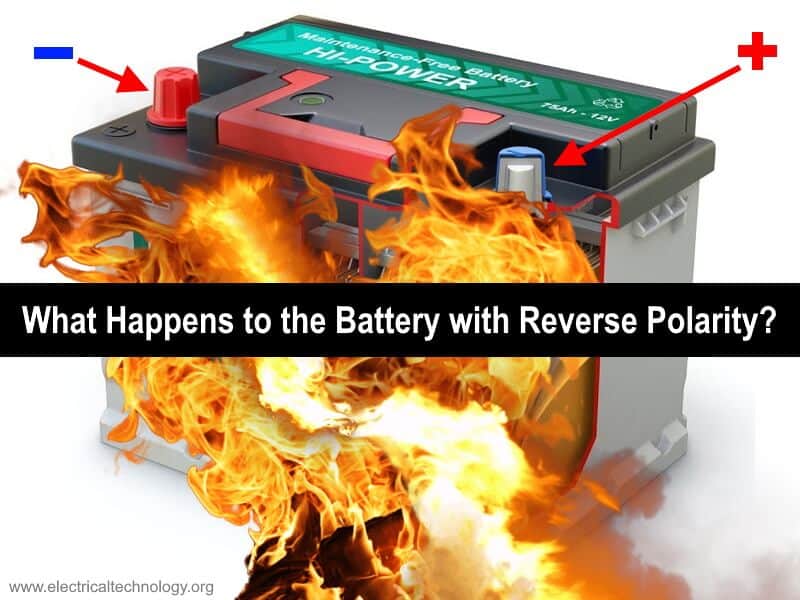
Every car battery has two terminals, one positive (+) and one negative (−), and they are clearly marked on the battery case. The positive terminal is usually slightly larger and marked with a plus sign, while the negative terminal is marked with a minus sign. Your vehicle's electrical system is designed to handle current flowing from the positive terminal through the components and back to the negative terminal in a complete loop.
When you connect the cables correctly, everything works as the manufacturer intended. But when you reverse the connections, you flip the direction of electrical flow, which the vehicle's components were never designed to handle. Think of it like trying to push water through a pipe in the wrong direction; the pump is not built for that, and something is going to give.
What Happens the Moment You Hook It Up Backwards
The instant you make contact with the battery cables in reverse, the electrical system receives a jolt of reverse polarity current. Here is what typically happens in those first few seconds:
- The alternator diode can blow out instantly because it only allows current to flow in one direction
- Fuses throughout the vehicle may pop to protect more sensitive circuits
- The ECU (engine control unit) can receive a surge of reverse voltage that damages its internal components
- The dashboard electronics, radio, and instrument cluster can short out
- Any accessories that were on, like headlights or interior lights, often get fried
In my early days of working on cars, I watched a friend hook up a battery backwards in a hurry. The moment the negative cable touched the positive terminal, we heard a loud pop, smelled burning plastic, and saw smoke coming from under the hood. The ECU was destroyed, and the repair bill was over a thousand dollars. That moment taught me to always double-check before making any connection.
Common Components That Get Damaged
Reverse polarity does not damage every part equally. Some components are more vulnerable than others, and understanding this helps you know what to inspect first if the worst occurs.
The alternator is usually the first casualty because its internal diodes act as one-way valves for electricity. When current flows backward, these diodes overload and burn out almost immediately. The ECU is another frequent victim, as modern vehicles rely heavily on sensitive microprocessors that cannot handle electrical current going the wrong way.
Other commonly damaged parts include the onboard computer modules, the audio system, the power window motors, and various sensors throughout the vehicle. Even small things like the cigarette lighter or auxiliary ports can be ruined. In severe cases, the wiring harness itself can melt or short, creating fire hazards that are not immediately obvious.
Why Reverse Polarity Causes So Much Damage
Modern vehicles are essentially rolling computers. They rely on dozens of electronic modules that communicate with each other through complex wiring networks. These systems are designed with a specific electrical flow in mind, and when that flow is reversed, the semiconductors inside these modules can break down.
Semiconductors are like one-way streets for electricity. They allow current to flow in only one direction, which is why your vehicle's electronics work properly under normal conditions. When you hook up the battery backwards, you are forcing current through these one-way paths in the wrong direction. The result is often immediate failure or, in some cases, delayed failure where a component works fine at first but dies weeks later.
I have seen cases where a vehicle seemed fine after a reverse connection, only to have mysterious electrical problems show up days or weeks later. This delayed failure is particularly frustrating because it is hard to diagnose and expensive to trace.
Signs Your Car Has Been Hooked Up Backwards
If you suspect someone (maybe even you) connected the battery wrong, here are the warning signs to look for:
- The vehicle does not start at all, even though the battery has charge
- Multiple electrical systems fail simultaneously, including lights, radio, and gauges
- You notice a burning smell coming from under the hood or dashboard
- Fuses keep blowing every time you replace them
- The check engine light comes on along with multiple other warning lights
- The alternator makes unusual whining or grinding noises
These symptoms often appear together because reverse polarity damages multiple systems at once. If you see several of these signs happening right after a battery installation, reverse connection is almost certainly the cause.
What to Do If You Hooked Up a Car Battery Backwards
First, do not panic, but act quickly. If you realize your mistake while the cables are still connected, disconnect them immediately. The longer the reverse connection stays in place, the more damage occurs.
Once you have corrected the connection and installed the cables properly, do not assume everything is fine. Follow these steps:
- Check all fuses and replace any that have blown
- Inspect the battery terminals for signs of melting or burning
- Try starting the vehicle and note any warning lights on the dashboard
- Listen for unusual sounds from the alternator
- Test the charging system with a multimeter if you have one
If the vehicle starts and runs normally, you might have gotten lucky with minimal damage. However, I always recommend getting the electrical system professionally inspected because some damage does not show up immediately. A mechanic can run diagnostic tests that reveal issues you would not notice on your own.
How to Avoid Hooking Up a Battery Backwards
Prevention is always the better approach, and it is actually quite simple once you build the right habits.
Always identify the positive and negative terminals before making any connection. The positive terminal usually has a red cover or marker, while the negative terminal is black or unmarked. Battery manufacturers go out of their way to make these distinctions clear, so take advantage of those labels.
I personally make it a habit to clean the terminals first so the markings are easy to see. A dirty battery can hide important details and lead to mistakes. Another good practice is to connect the positive cable first and the negative cable last, which reduces the chance of accidental sparks or wrong connections.
If you are working on a vehicle you are not familiar with, take a photo of the original battery setup before disconnecting anything. That way you have a reference point and can match the connections exactly when installing the new battery.
The Cost of Repairing Reverse Polarity Damage
Repair costs can vary wildly depending on how much damage occurred and what kind of vehicle you drive. Basic repairs might only involve replacing a few fuses, which costs very little. However, if the ECU, alternator, or multiple modules were damaged, you could be looking at hundreds or even thousands of dollars in repairs.
Modern luxury vehicles with advanced electronics are particularly expensive to fix because their modules are more sophisticated and harder to program. I have seen repair bills ranging from a hundred dollars for simple fuse replacements to over three thousand dollars for complete electrical system overhauls on higher-end vehicles.
This is why taking a few extra minutes to verify your connections is so worth it. A careful approach saves you time, money, and stress in the long run.
How Long Does Damage Take to Appear
Most reverse polarity damage happens within the first few seconds of incorrect connection. The electrical surge is immediate and intense, which is why components fail so quickly.
However, some damage can be progressive. A diode in the alternator might be weakened but not completely destroyed. It might work for a few days before finally giving out. Similarly, a damaged sensor might send incorrect readings until it eventually fails completely.
This delayed failure pattern is why professional mechanics always recommend thorough testing after any reverse polarity incident. The visible damage is just the tip of the iceberg in many cases.

Frequently Asked Questions
Can a car battery explode if hooked up backwards?
While a battery explosion is rare with reverse polarity, it is possible if the battery is severely damaged or old. The reverse current can cause hydrogen gas inside the battery to ignite, leading to a dangerous situation. Always work in well-ventilated areas and wear protective gear when handling batteries.
Will disconnecting the battery fix reverse polarity damage?
Disconnecting the battery stops further damage but does not repair what has already occurred. Any components that were damaged during the reverse connection will need to be replaced or repaired separately. Disconnection only prevents additional harm from continuing.
How do I know if my alternator is damaged from reverse polarity?
The most common sign is a whining or grinding noise from the alternator, along with a battery warning light on the dashboard. You can also test the charging voltage with a multimeter. A healthy alternator should show between 13.5 and 14.5 volts when the engine is running.
Is it safe to drive with reverse polarity damage?
Driving with potential electrical damage is risky and not recommended. Damaged systems can fail unexpectedly while you are on the road, creating safety hazards. Have the vehicle checked by a professional before driving it extensively.
Can reverse polarity drain a battery?
Reverse polarity does not drain the battery in the traditional sense, but it can destroy the battery itself by causing internal short circuits. A battery that has been connected backwards may never hold a proper charge again and might need replacement.

Conclusion
Hooking up a car battery backwards is a mistake that happens more often than you might think, especially when people are in a hurry or working in poor lighting. The damage ranges from minor fuse replacements to thousands of dollars in electrical repairs, depending on how long the reverse connection lasted and what systems were affected. The good news is that this is one of the easiest automotive mistakes to prevent with a little patience and attention to detail. Always verify your terminal connections before tightening anything, and never assume you remember which cable goes where. Take your time, do it right, and your vehicle's electrical system will thank you for it. If you found this guide helpful, feel free to share it with fellow car enthusiasts or drop a comment below with your own experiences with reverse polarity situations.