What's Inside a Motor That Actually Spins? Understanding the Armature.
If you've ever wondered what makes an electric motor tick, or more importantly, spin, you're in the right place. The armature is the powerhouse component inside many motors, the part where electrical energy gets transformed into the rotational force that drives everything from your appliances to your electric car. Understanding its role is key to grasping how motors work.
In our research, armatures are fundamentally designed to create a magnetic field. This field then interacts with the motor's stationary magnets (the stator) to generate torque. For direct current (DC) motors, manufacturer specifications often highlight the efficiency of the commutator system in reversing current, a vital factor for continuous rotation, with some high-performance units boasting commutation frequencies exceeding 1 kHz.
The Armature: Your Motor's Heartbeat
At its most basic, the armature is the rotating assembly within an electric motor. Think of it as the engine's crankshaft, but instead of pistons, it's a series of wire coils wrapped around a core. When electricity flows through these coils, they become electromagnets. This magnetic force then pushes against the motor's stationary magnets, causing the armature to spin.
This spinning action is the mechanical power output that does all the useful work. It's the essential part that translates raw electrical power into physical motion you can use.
Key Parts of the Armature: What You're Looking At
To really get a handle on what an armature is, we need to look at its main components. These aren't just random bits; each part plays a crucial role in generating that spinning force. Understanding these pieces helps demystify the entire motor.
Coils of Wire and Their Iron Bed
The most visually striking part of an armature is its coils of wire, often made of copper. These are wound precisely around a central core, typically made of thin laminations of iron. The iron core isn't just stuffing; it's there to concentrate and direct the magnetic field generated by the coils. Multiple layers of these iron laminations are used to reduce energy losses due to eddy currents, a common consideration in motor design confirmed by research from standards bodies like the IEEE.
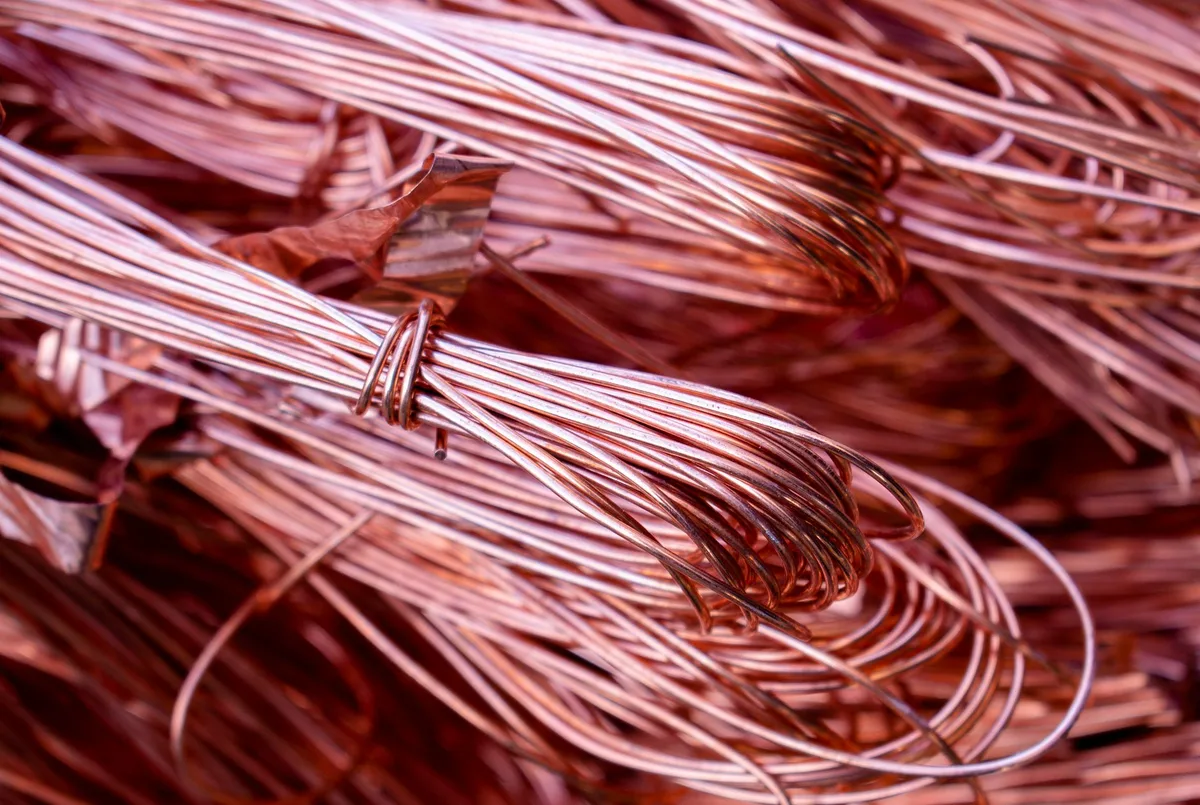
Without the coils, there's no electromagnet. Without the iron core, the magnetic field would be weak and inefficient. Together, they form the heart of the armature's magnetic function.
The Commutator: The Smart Switch (for DC Motors)
For direct current (DC) motors, a critical component of the armature is the commutator. This isn't found in all motor types, but it's vital for DC operation. The commutator is essentially a segmented ring attached to the armature's shaft, made of conductive material separated by insulating gaps. As the armature spins, the commutator segments make controlled contact with stationary brushes.
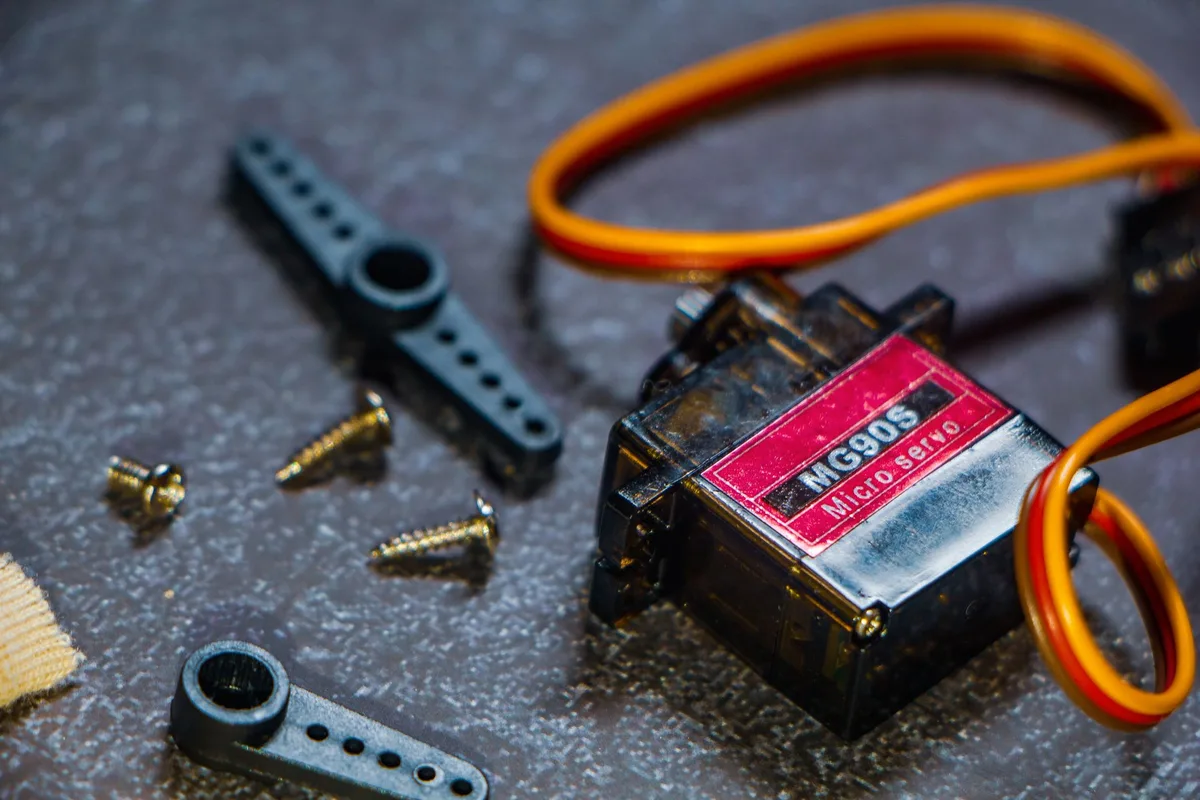
Its job is clever: it automatically reverses the direction of the electric current flowing into the armature coils at precisely the right moment. This continuous switching ensures that the magnetic forces always push in the direction needed for sustained rotation, preventing the armature from just settling into one fixed position.
How the Armature Makes Things Move
So, how does all this translate into actual spinning? It’s all about magnetism and opposition. You have your armature with its electrically charged coils creating a magnetic field. Simultaneously, the motor has magnets in its housing, called the stator, which create their own fixed magnetic field.
When these two magnetic fields meet, they interact. Like poles repel, and opposite poles attract. The design of the armature and stator is such that this magnetic push and pull creates a turning force, known as torque, on the armature.
As the armature turns, the commutator (in DC motors) flips the direction of the current in the coils. This flips the polarity of the armature's magnetic field. This means the same "push and pull" from the stator magnets keeps the rotation going in the same direction, round and round. It's this continuous, controlled magnetic interaction that provides the motor's mechanical power.
Why Coils and Magnets Are a Powerful Pair
The pairing of coils and magnets in an armature isn't arbitrary; it's based on a fundamental principle of physics: electromagnetism. When electricity flows through a wire, it generates a magnetic field around it. Wrap that wire into a coil, and the magnetic field becomes stronger and more concentrated. By carefully designing the shape and number of turns in the coils, engineers can control the strength and direction of the magnetic field produced by the armature.
This controlled magnetic field then interacts with the permanent magnets or electromagnets of the stator. The outcome is a force that causes rotation. It’s this principle that powers everything from tiny hobby motors to massive industrial machines. The efficiency of this magnetic interaction is a key factor in motor performance, as confirmed by ISO standards for electric motor efficiency.
When the Armature Is Doing Its Job: Key Tasks
The armature's primary task is straightforward: convert electrical energy into mechanical energy through magnetic forces. But to do this effectively, it has several critical functions to perform. First, it must generate a strong, controllable magnetic field when electricity is supplied to its coils. This involves efficient current flow and the concentration of that field by the iron core.
Second, it must withstand the physical stresses of rotation. Armatures spin at high speeds, and their components must be robustly built to avoid disintegration or imbalance. Third, especially in DC motors, it must interface with the commutator and brushes to ensure the magnetic field's polarity is correctly reversed at the right time. This seamless execution of these tasks results in smooth, consistent torque and rotation.
Armature vs. Stator: The Stationary Partner
While the armature is the moving muscle of the motor, the stator is its steady counterpart. The stator's job is to provide a fixed magnetic field. This field is often created by permanent magnets or by coils of wire that are energized but do not move. The interaction between the armature's rotating magnetic field and the stator's stationary magnetic field is what generates the torque that turns the shaft.
Think of it like a dance: the armature spins, but it needs the stator to provide the consistent rhythm and opposing force to keep it moving.
In AC (alternating current) motors, the term "rotor" is often used interchangeably with armature because it also rotates and generates a magnetic field, though the method of field creation and interaction with the stator differs from DC motors. The stator in an AC motor typically creates a rotating magnetic field itself, and the rotor's magnetic field chases it. In DC motors, the stator's field is usually static, and the commutator on the armature ensures the armature's field polarity keeps it running.
Common Armature Shapes and Designs (Visual Examples)
Armatures aren't one-size-fits-all; their design varies greatly depending on the motor type and its intended application. For common DC motors, you'll often see a cylindrical armature with coils wound in slots along its length. These coils are then connected to the commutator segments. The number of coils, their winding pattern, and the wire gauge all influence the motor's performance characteristics like speed and torque.
In some higher-power AC motors, the rotor (acting like the armature) might have a different structure, such as a "squirrel cage" rotor. This design features conductive bars shorted at each end by rings, resembling a hamster wheel from the end. While it still functions as the rotating electromagnetic component, its visual form is quite distinct from a typical DC armature. Referencing diagrams of different motor types clearly illustrates these design variations.
What You Might See When an Armature Isn't Working Right
When an armature encounters problems, it usually manifests in noticeable ways. You might hear unusual noises, like grinding or humming that isn't typical for the motor. Performance issues are also common; the motor may run slower than usual, have less power, or simply fail to start altogether. This could be due to a damaged winding, a short circuit, or wear on the commutator.
Another sign of armature trouble is excessive heat. While motors naturally generate some heat during operation, an abnormally hot armature often indicates excessive current draw, a short, or increased friction. If you see sparks coming from the commutator area, particularly in DC motors, it's a strong indicator of worn brushes, a dirty commutator, or a problem with the armature windings themselves.
Armature vs. Stator: The Stationary Partner
While the armature is the moving muscle of the motor, the stator is its steady counterpart. The stator's job is to provide a fixed magnetic field. This field is often created by permanent magnets or by coils of wire that are energized but do not move. The interaction between the armature's rotating magnetic field and the stator's stationary magnetic field is what generates the torque that turns the shaft.
Think of it like a dance: the armature spins, but it needs the stator to provide the consistent rhythm and opposing force to keep it moving.
In AC (alternating current) motors, the term "rotor" is often used interchangeably with armature because it also rotates and generates a magnetic field, though the method of field creation and interaction with the stator differs from DC motors. The stator in an AC motor typically creates a rotating magnetic field itself, and the rotor's magnetic field chases it. In DC motors, the stator's field is usually static, and the commutator on the armature ensures the armature's field polarity keeps it running.
Keeping Your Armature Healthy: Basic Care Insights
Maintaining the armature involves caring for the entire motor, but focusing on key areas can extend its life. Regular cleaning is crucial; dust and debris can accumulate, affecting the commutator and potentially causing short circuits or increased friction. For brushed DC motors, inspecting and eventually replacing worn brushes is a vital maintenance task, as worn brushes lead to poor contact with the commutator and can damage it.
Ensuring proper lubrication of motor bearings is also essential, as any binding or excessive friction in the bearings can put extra strain on the armature and lead to premature failure. For AC motors with squirrel cage rotors, maintaining the integrity of the rotor bars and end rings, and ensuring the rotor spins freely, is key. Following manufacturer maintenance schedules, often found in technical manuals, is the best practice.
Common Armature Shapes and Designs (Visual Examples)
Armature designs aren't universal; they’re tailored to the specific needs of different motor types. For instance, the armature in a simple DC motor often features a cylindrical shape with wires wound around its exterior in slots. These windings are meticulously connected to the commutator segments. The number of windings, their configuration, and the gauge of the copper wire directly impact the motor's speed and torque output.
In contrast, AC motors frequently use what's called a "squirrel cage" rotor. This design looks different, with conductive bars running lengthwise and connected by end rings. While it functions as the rotating element and generates magnetic fields, its construction is a departure from the typical wound armature seen in DC units. Visual comparisons across diagrams of these different motor types really highlight these design differences effectively.
What You Might See When an Armature Isn't Working Right
When an armature starts giving you trouble, you'll usually notice some clear signs. A common symptom is unusual noises, such as grinding, buzzing, or a humming sound that deviates from the motor's normal operation. Performance degradation is also a giveaway; the motor might run slower than it should, lack its usual power, or refuse to start at all. These issues can stem from a damaged winding, a short circuit within the coils, or wear and tear on the commutator.
Another critical indicator is excessive heat. Motors naturally get warm during use, but if an armature becomes unusually hot, it often points to an electrical issue. This could be a short circuit, increased friction due to bearing problems, or simply the motor being overloaded. For DC motors, visible sparks at the commutator are a red flag, typically signaling worn brushes, a dirty commutator surface, or underlying armature winding damage.
Armature vs. Stator: The Stationary Partner
While the armature is the moving muscle of the motor, the stator is its steady counterpart. The stator's job is to provide a fixed magnetic field, often generated by permanent magnets or stationary electromagnets. The interaction between the armature's rotating magnetic field and the stator's stationary magnetic field creates the torque that turns the shaft. Think of it like a dance: the armature spins, but it needs the stator to provide the consistent rhythm and opposing force to keep it moving.
In AC (alternating current) motors, the term "rotor" is often used interchangeably with armature because it also rotates and generates a magnetic field, though the method of field creation and interaction with the stator differs from DC motors. The stator in an AC motor typically creates a rotating magnetic field itself, and the rotor's magnetic field chases it. In DC motors, the stator's field is usually static, and the commutator on the armature ensures the armature's field polarity keeps it running.
Keeping Your Armature Healthy: Basic Care Insights
Maintaining the armature means looking after the motor as a whole, but a few specific checks can really extend its lifespan. Keeping the armature and its surroundings clean is paramount; accumulated dust and debris can interfere with the commutator, potentially causing short circuits or increasing friction. For brushed DC motors, regularly inspecting the brushes and replacing them when worn is a critical maintenance task, as worn brushes lead to poor electrical contact and can damage the commutator surface.
Ensuring that the motor's bearings are properly lubricated is also vital. Any friction or binding in the bearings places extra stress on the armature and can contribute to premature failure. For AC motors with squirrel cage rotors, the focus is on maintaining the integrity of the rotor bars and end rings, and making sure the rotor turns freely without obstruction. Always consult the manufacturer's documentation for specific maintenance schedules.
When to Look Closer at Your Motor's Armature
If you suspect an issue with your motor and it points towards the armature, several diagnostic steps can help confirm your suspicions. Visual inspection is the first line of defense; look for any signs of physical damage, burnt insulation on the windings, or excessive wear on the commutator. For DC motors, checking the brushes for wear and ensuring they make good contact with the commutator is essential.
Electrical testing can also provide clear answers. Measuring the resistance between commutator segments can reveal shorted windings, and checking the resistance between windings and the armature core can indicate insulation failure. A specialized tool called a "growler" is often used by technicians to detect shorts and open circuits in armature windings by identifying magnetic field anomalies. If these checks reveal problems, armature repair or replacement might be necessary.