You're out on the water, enjoying the breeze, and then… whomp whomp whomp. Your trusty boat motor just isn't giving you the oomph it used to. Frustrating, right? It feels like your boat's suddenly aging decades in minutes.
As someone who's spent a fair bit of time wrestling with marine engines, our research shows there are usually a handful of offenders that lead to this power loss. It's not always some catastrophic failure; often, it's something simpler that's just gotten out of whack. Let's break down the most common culprits and how you can start figuring out what’s going on.
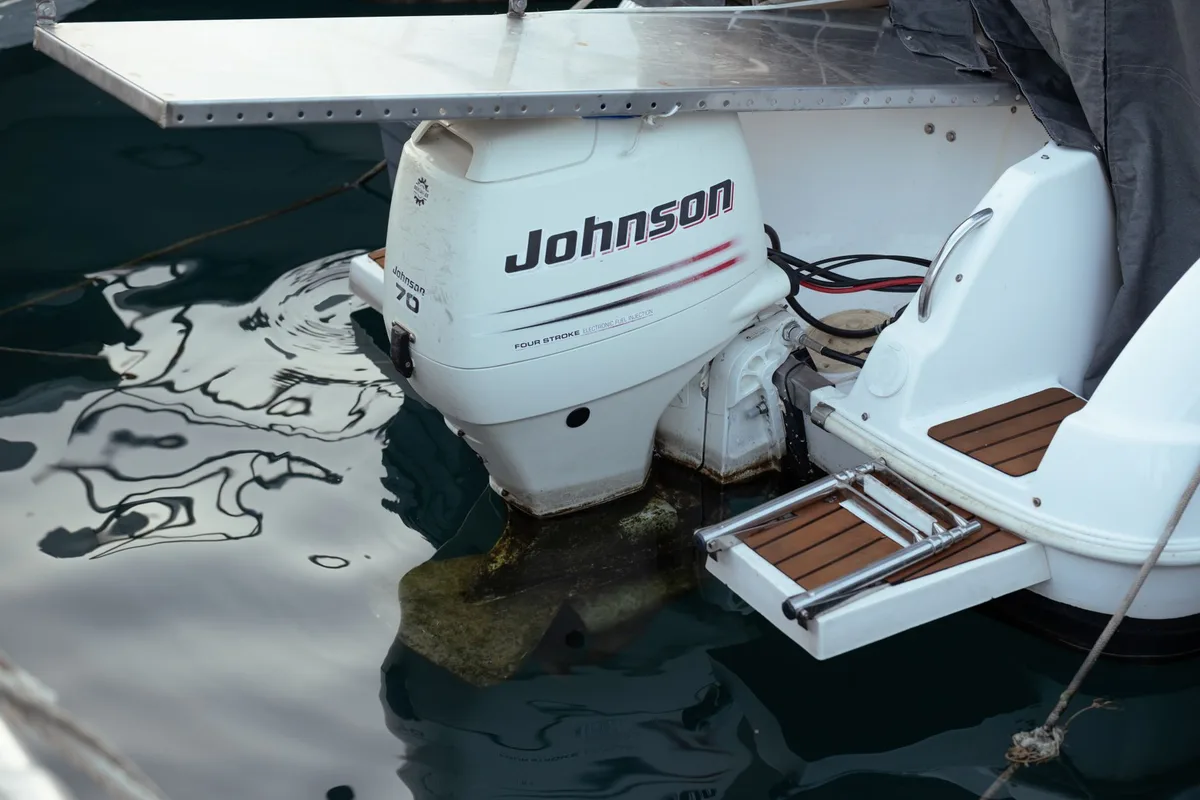
Fuel System Woes: The Lifeblood That's Not Flowing Right
If your engine isn't getting enough clean fuel, or if that fuel isn't the right mix, it's going to sputter and fade. This is, by far, the most common place to start looking when you notice your boat motor losing power.
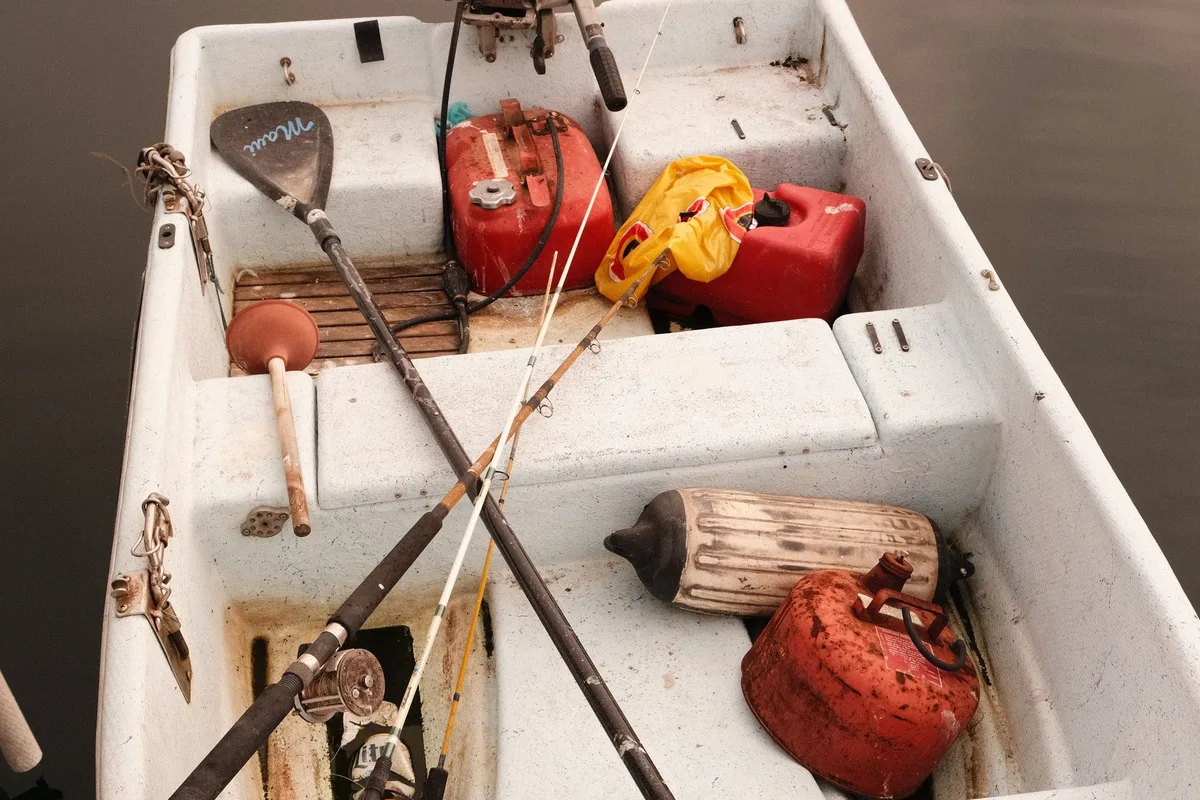
Clogged Fuel Filter Leading to Poor Flow
When your fuel filter gets jammed with debris, it's like trying to drink a thick milkshake through a tiny straw, not much goes through, and it’s slow going. This restriction significantly limits the fuel flow to your engine. As of 2026, most marine gasoline engine manufacturers recommend inspecting and replacing fuel filters annually, or every 100-200 hours of operation, whichever comes first.
Water in the Fuel: A Sneaky Performance Killer
Water doesn't burn and can really mess with combustion. Condensation can happen in your fuel tank, or sometimes you can pick up contaminated fuel at the dock. Even a small amount of water can cause the engine to run rough or lose significant power.
Dirty Carburetor or Fuel Injectors
These are the parts that precisely deliver fuel into your engine cylinders. If they're gummed up with old fuel deposits or debris, they can't spray the right amount of fuel. For carbureted engines, this might mean a rich or lean condition; for fuel-injected ones, it can lead to uneven fuel distribution.
Fuel Pump Problems Affecting Delivery
The fuel pump's job is to push fuel from your tank to the engine. If it's weak or failing, you won't get consistent fuel pressure. This inconsistency directly translates to unstable engine performance and power loss, especially under load.
Old or Degraded Fuel Impact
Gasoline degrades over time, losing its volatility and octane rating. If your boat has been sitting with old gas, it can perform poorly. This aged fuel can also form varnish that clogs fuel system components, exacerbating performance issues.
Air Intake Blockages: Can't Breathe? Can't Perform.
Your engine needs a good supply of clean air to mix with that fuel. Anything blocking that air supply will choke its performance, making it feel weak and unresponsive.
Dirty Air Filter Restricting Airflow
Similar to the fuel filter, a dirty air filter restricts the amount of air entering the engine. The engine can't get enough "breath" to burn fuel efficiently, leading to reduced power. Many air filters are designed for easy DIY replacement.
Obstructions in the Air Intake Path
While less common, it's worth double-checking that nothing is physically blocking the main air intake pipes leading into the engine. Debris, nests, or other foreign objects can significantly impede airflow.
Ignition System Woes: Sparking Out
You need a strong, consistent spark to ignite that fuel-air mixture. If your spark is weak, intermittent, or not happening at all on certain cylinders, your engine will lose power.
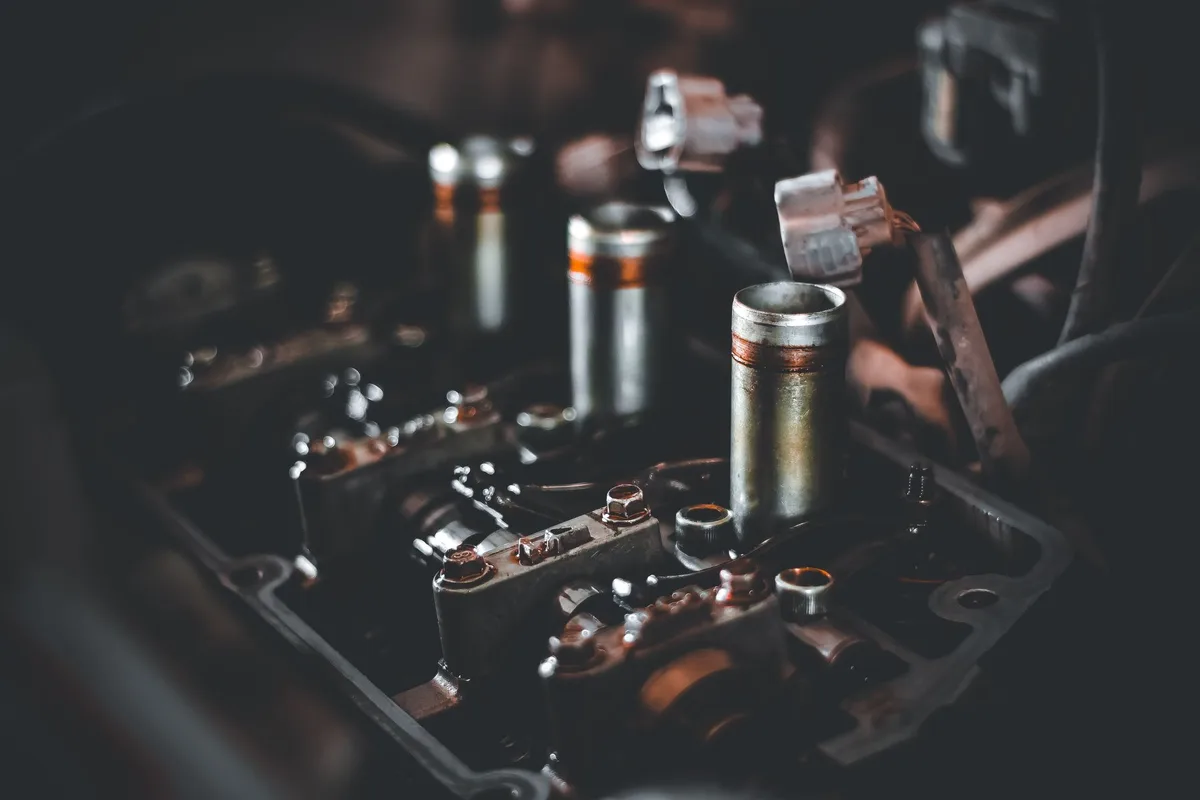
Worn or Fouled Spark Plugs
Over time, spark plugs wear out. They can become fouled with carbon or oil, or the electrode can erode, leading to a weak spark. A weak spark means incomplete combustion of the fuel-air mix, resulting in less power produced.
Bad Spark Plug Wires or Coil Packs
These components deliver the electrical charge to the spark plugs. If they're cracked, corroded, or failing internally, the spark won't make it to where it needs to be effectively. This can cause misfires or a complete lack of spark on one or more cylinders.
Ignition Timing Issues
The engine's timing dictates precisely when the spark plug fires. If the timing is off, the spark happens too early or too late, leading to inefficient combustion. This can manifest as noticeable power loss and rough running.
Other Potential Power Zappers
Beyond the core fuel, air, and spark issues, a few other things can creep in and zap your motor's strength, making it feel sluggish.
Engine Overheating Symptoms and Causes
If your engine is running too hot, it will often protect itself by reducing power output. This is typically a sign of a cooling system problem. Common culprits include a blocked water intake or a worn impeller. For example, research indicates that even a small reduction in coolant flow can lead to significant temperature spikes.
Propeller Issues Affecting Efficiency
[^1] Is your propeller damaged, bent, or encrusted with marine growth? A damaged prop acts like drag, making the engine work harder to achieve the same speed. One study of propeller drag reported that marine growth could increase fuel consumption by up to 20%.
Lower Unit Problems Impacting Power Transfer
The marine engine's lower unit houses the gears that transmit power to the propeller shaft. Worn gears or contaminated gear oil can cause friction and reduce the efficient transfer of power. Water intrusion into the lower unit can also lead to corrosion and component damage.
Troubleshooting Your Boat Motor's Power Loss: A Step-by-Step Approach
When your boat motor starts feeling sluggish, don't panic. The most effective way to tackle it is to methodically work through the possibilities, starting with the simplest checks.
Quick Checks: The First Few Things to Investigate
Begin by checking the most accessible components. Is your fuel tank full of fresh, good-quality gasoline? Have you recently inspected your fuel filter for debris? Look for obvious obstructions in your air intake system that might be hindering airflow.
Observing Engine Behavior for Clues
Pay close attention to how the power loss manifests. Does it happen suddenly or gradually? Is the engine rough at idle or only struggling under load? Does it make unusual noises?
Listening to the engine and noting specific symptoms can provide valuable diagnostic information.
Consulting Your Owner's Manual for Guidance
Your boat's and engine's owner's manuals are invaluable resources. They often contain troubleshooting sections that outline common problems and their potential solutions. Specific maintenance schedules detailed in these manuals should be followed diligently.
When to Call in the Professionals
If you've gone through the obvious checks and can't pinpoint the issue, or if the problem involves taking apart complex engine components, it's always best to seek professional help.
Recognizing When to Seek Expert Marine Mechanic Help
For issues involving internal engine components, fuel injection systems, or complex electrical diagnostics, it's wise to consult a qualified marine mechanic. They have specialized tools and knowledge to accurately diagnose and repair these problems, preventing further damage and ensuring safety.
[^1]: While this section discusses efficiency, a related topic of interest might be how to measure outboard motor shaft length, as an improperly sized shaft can also indirectly affect performance.
Fuel System Woes: The Lifeblood That's Not Flowing Right
If your engine isn't getting enough clean fuel, or if that fuel isn't the right mix, it's going to sputter and fade. This is, by far, the most common place to start looking when you notice your boat motor losing power.
Clogged Fuel Filter Leading to Poor Flow
When your fuel filter gets jammed with debris, it’s like trying to drink a thick milkshake through a tiny straw, not much goes through, and it’s slow going. This restriction significantly limits the fuel flow to your engine. As of 2026, most marine gasoline engine manufacturers recommend inspecting and replacing fuel filters annually, or every 100-200 hours of operation, whichever comes first.
Water in the Fuel: A Sneaky Performance Killer
Water doesn't burn and can really mess with combustion. Condensation can happen in your fuel tank, or sometimes you can pick up contaminated fuel at the dock. Even a small amount of water can cause the engine to run rough or lose significant power.
Dirty Carburetor or Fuel Injectors
These are the parts that precisely deliver fuel into your engine cylinders. If they're gummed up with old fuel deposits or debris, they can't spray the right amount of fuel. For carbureted engines, this might mean a rich or lean condition; for fuel-injected ones, it can lead to uneven fuel distribution.
Fuel Pump Problems Affecting Delivery
The fuel pump's job is to push fuel from your tank to the engine. If it's weak or failing, you won't get consistent fuel pressure. This inconsistency directly translates to unstable engine performance and power loss, especially under load.
Old or Degraded Fuel Impact
Gasoline degrades over time, losing its volatility and octane rating. If your boat has been sitting with old gas, it can perform poorly. This aged fuel can also form varnish that clogs fuel system components, exacerbating performance issues.
Air Intake Blockages: Can't Breathe? Can't Perform.
Your engine needs a good supply of clean air to mix with that fuel. Anything blocking that air supply will choke its performance, making it feel weak and unresponsive.
Dirty Air Filter Restricting Airflow
Similar to the fuel filter, a dirty air filter restricts the amount of air entering the engine. The engine can't get enough "breath" to burn fuel efficiently, leading to reduced power. Many air filters are designed for easy DIY replacement.
Obstructions in the Air Intake Path
While less common, it's worth double-checking that nothing is physically blocking the main air intake pipes leading into the engine. Debris, nests, or other foreign objects can significantly impede airflow.
Ignition System Woes: Sparking Out
You need a strong, consistent spark to ignite that fuel-air mixture. If your spark is weak, intermittent, or not happening at all on certain cylinders, your engine will lose power.
Worn or Fouled Spark Plugs
Over time, spark plugs wear out. They can become fouled with carbon or oil, or the electrode can erode, leading to a weak spark. A weak spark means incomplete combustion of the fuel-air mix, resulting in less power produced.
Bad Spark Plug Wires or Coil Packs
These components deliver the electrical charge to the spark plugs. If they're cracked, corroded, or failing internally, the spark won't make it to where it needs to be effectively. This can cause misfires or a complete lack of spark on one or more cylinders.
Ignition Timing Issues
The engine's timing dictates precisely when the spark plug fires. If the timing is off, the spark happens too early or too late, leading to inefficient combustion. This can manifest as noticeable power loss and rough running.
Other Potential Power Zappers
Beyond the core fuel, air, and spark issues, a few other things can creep in and zap your motor's strength, making it feel sluggish.
Engine Overheating Symptoms and Causes
If your engine is running too hot, it will often protect itself by reducing power output. This is typically a sign of a cooling system problem. Common culprits include a blocked water intake or a worn impeller. For example, research indicates that even a small reduction in coolant flow can lead to significant temperature spikes.
Propeller Issues Affecting Efficiency
Is your propeller damaged, bent, or encrusted with marine growth? A damaged prop acts like drag, making the engine work harder to achieve the same speed. One study of propeller drag reported that marine growth could increase fuel consumption by up to 20%.
Lower Unit Problems Impacting Power Transfer
The marine engine's lower unit houses the gears that transmit power to the propeller shaft. Worn gears or contaminated gear oil can cause friction and reduce the efficient transfer of power. Water intrusion into the lower unit can also lead to corrosion and component damage.
Troubleshooting Your Boat Motor's Power Loss: A Step-by-Step Approach
When your boat motor starts feeling sluggish, don't panic. The most effective way to tackle it is to methodically work through the possibilities, starting with the simplest checks.
Quick Checks: The First Few Things to Investigate
Begin by checking the most accessible components. Is your fuel tank full of fresh, good-quality gasoline? Have you recently inspected your fuel filter for debris? Look for obvious obstructions in your air intake system that might be hindering airflow.
Observing Engine Behavior for Clues
Pay close attention to how the power loss manifests. Does it happen suddenly or gradually? Is the engine rough at idle or only struggling under load? Does it make unusual noises?
Listening to the engine and noting specific symptoms can provide valuable diagnostic information.
Consulting Your Owner's Manual for Guidance
Your boat's and engine's owner's manuals are invaluable resources. They often contain troubleshooting sections that outline common problems and their potential solutions. Specific maintenance schedules detailed in these manuals should be followed diligently.
When to Call in the Professionals
If you've gone through the obvious checks and can't pinpoint the issue, or if the problem involves taking apart complex engine components, it's always best to seek professional help.
Recognizing When to Seek Expert Marine Mechanic Help
For issues involving internal engine components, fuel injection systems, or complex electrical diagnostics, it's wise to consult a qualified marine mechanic. They have specialized tools and knowledge to accurately diagnose and repair these problems, preventing further damage and ensuring safety.