A flooded car battery is a lead-acid battery with liquid electrolyte that can spill if tipped or cracked, requiring proper handling and maintenance. Sounds simple, right? But there's actually quite a bit more to understand about flooded batteries than most drivers realize. If you're trying to figure out if your battery is flooded, how it differs from alternatives, or what to do if it gets wet, you're in the right place. After spending years working with automotive electrical systems and helping folks troubleshoot battery issues, I've learned that knowing your battery type can save you a lot of headaches (and cash). Let me walk you through everything you need to know.
What Exactly Is a Flooded Car Battery?
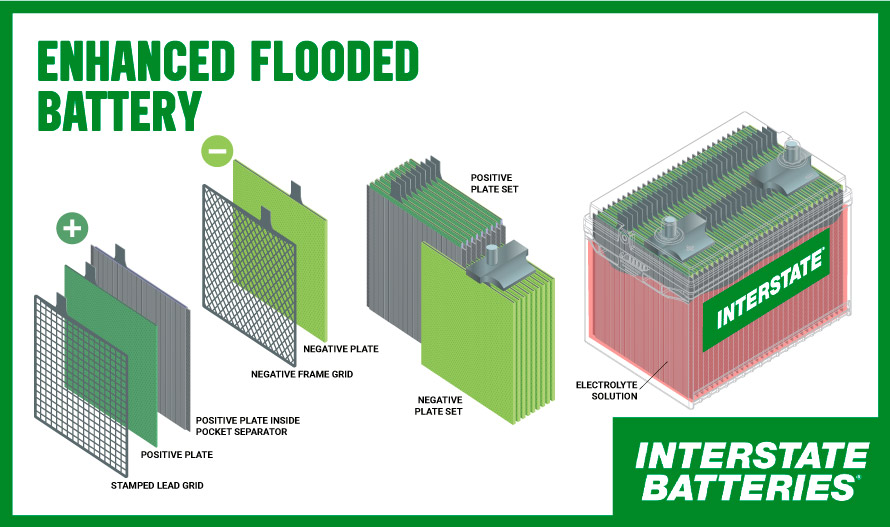
A flooded car battery is the traditional, most common type of lead-acid battery used in vehicles for decades. The term "flooded" refers to the liquid electrolyte solution (a mix of sulfuric acid and distilled water) that completely fills the battery's internal cells. Inside the battery, you'll find lead plates submerged in this liquid, which creates the chemical reaction needed to produce electricity.
Think of it like a sponge soaking in water. The water (electrolyte) needs to stay at proper levels to keep everything working smoothly. If that sponge dries out or gets over-saturated, things stop functioning properly. The same principle applies to your battery.
These batteries are sometimes called "wet cell" batteries for exactly this reason. They're vented, which means gases can escape during charging. That little vent cap on top? That's what allows the battery to "breathe" and release hydrogen gas that builds up during operation.
Flooded batteries have been the go-to choice for vehicles since the early 1900s. They're affordable, reliable when maintained properly, and relatively simple in design. Most cars that rolled off assembly lines before 2020 came equipped with a flooded lead-acid battery as standard equipment.
Key Characteristics of Flooded Batteries
- Liquid electrolyte that can be seen and accessed through vent caps
- Requires periodic maintenance, including checking water levels
- Vented design that allows gases to escape
- Generally more affordable than sealed alternatives
- Heavier than AGM or lithium batteries of similar capacity
- Sensitive to deep discharges and extreme temperatures
How Does a Flooded Battery Work?
Understanding how flooded batteries work helps you appreciate why certain maintenance steps are necessary. Inside each cell of a flooded battery, you'll find alternating lead plates (positive and negative) submerged in the electrolyte solution. When you turn your key or push the start button, a chemical reaction occurs between the plates and the acid.
The sulfuric acid in the electrolyte reacts with the lead plates to produce lead sulfate and release electrons. Those electrons flow through your vehicle's electrical system, powering everything from your lights to your starter motor. When you drive, the alternator recharges the battery by reversing this chemical process.
Here's the interesting part: the water in the electrolyte can break down into hydrogen and oxygen gases during charging. That's why flooded batteries have vent caps. If those gases couldn't escape, pressure would build up and potentially damage the battery. In extreme cases, this could even cause the battery to rupture.
The liquid nature of the electrolyte is both the strength and weakness of flooded batteries. It allows for robust chemical reactions and high cranking power, but it also means the battery can spill, freeze, or dry out if not properly maintained.
The Chemistry Behind the Power
The basic reaction involves lead dioxide (positive plate), sponge lead (negative plate), and sulfuric acid (electrolyte). During discharge, both plates convert to lead sulfate, and the acid becomes more diluted. During charging, this process reverses. The specific gravity of the electrolyte changes based on the battery's charge state, which is why mechanics used to test batteries with hydrometers.
Flooded vs. Sealed Batteries: What's the Difference?
This is where things get interesting for many car owners. Flooded batteries differ significantly from sealed batteries like AGM (Absorbent Glass Mat) or gel cell batteries. The main difference comes down to one thing: the electrolyte.
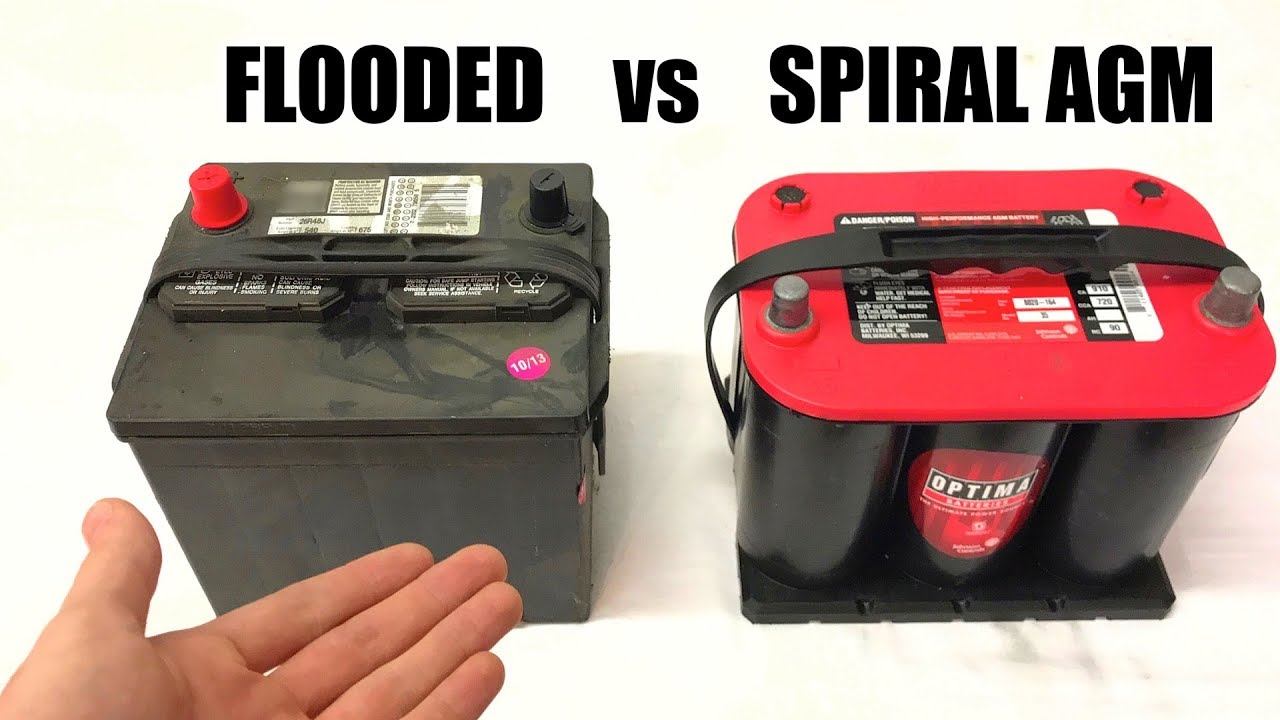
In flooded batteries, the electrolyte is liquid and free-flowing. In AGM batteries, the electrolyte is absorbed into fiberglass mats sandwiched between the plates. In gel batteries, the electrolyte is mixed with silica to form a thick, gel-like substance.
Sealed batteries don't have removable vent caps (though they do have small safety vents). They're often called "maintenance-free" because you can't (and shouldn't try to) add water to them. This makes them more convenient but also more expensive.
Here's a quick comparison to help you see the differences:
- Flooded batteries need regular water level checks and topping off with distilled water
- AGM batteries are sealed, spill-proof, and can be installed at various angles
- Gel batteries are also sealed but have different charging requirements
- Flooded batteries are typically 30-50% cheaper than AGM equivalents
- AGM batteries generally last longer and perform better in extreme conditions
- Flooded batteries handle overcharging better than sealed alternatives

What Does It Mean When a Flooded Battery Gets Wet?
Now, let's address the question that probably brought you here. If your flooded car battery gets wet, it generally means the electrolyte (or external water) has made contact with the battery terminals or casing. This could happen in a few scenarios, and the meaning depends on the context.
If you mean the battery itself has liquid inside (which it always does), that's normal. But if you're asking about a battery that's been submerged in water, flooded with rainwater, or has liquid spilling out, that's a different story.
When a flooded battery tips over or gets cracked, you might see sulfuric acid leaking out. This is dangerous stuff that can damage your car's paint, corrode metal components, and cause serious skin burns. If your battery is leaking, that's a clear sign it needs immediate replacement.
On the other hand, if your battery has gotten wet from external water (like heavy rain or a car wash), the main concern is the terminals. Water on the terminals can cause corrosion and create resistance in the electrical connections. This might lead to starting problems or intermittent electrical issues.
Common Wet Battery Scenarios
- Topping off with distilled water during routine maintenance (this is normal and safe)
- Electrolyte spilling from a cracked case (dangerous, battery needs replacement)
- Rainwater or car wash water splashing the battery (mostly affects terminals)
- Submersion in floodwater (catastrophic failure, requires replacement)
Signs Your Flooded Battery Needs Attention
After working on hundreds of batteries, I've learned to spot the warning signs quickly. Here are the red flags that tell you your flooded battery needs some TLC or replacement:
The most obvious sign is a swollen or bloated battery case. This happens when the battery has been overcharged, exposed to extreme heat, or has internal damage. If your battery looks like it's bulging out, replace it immediately. Continuing to use a swollen battery is risky.
Slow engine cranking is another telltale sign. If your engine turns over slowly when you try to start it, especially in cold weather, your battery might be weak or failing. This could also indicate a charging system problem, so it's worth checking both.
Corrosion around the terminals is super common with flooded batteries. You'll see a white, blue, or greenish powdery substance around the battery posts. This is dried acid or sulfate buildup. While you can clean it off, persistent corrosion might indicate the battery is venting excessively or leaking.
A rotten egg smell (sulfur odor) means it's venting hydrogen sulfide. This happens when the battery is overcharged or has internal damage. Not only does it smell terrible, but the gas is also corrosive and potentially hazardous in enclosed spaces.
Visual Inspection Checklist
- Check for cracks in the battery case
- Look for bulging or swelling on the sides
- Inspect terminals for heavy corrosion buildup
- Examine the battery tray for acid stains or discoloration
- Verify that vent caps are present and tight (if applicable)
- Look for any white or colored deposits on the top surface
How to Maintain a Flooded Battery Properly
Taking care of a flooded battery isn't complicated, but it does require some attention. Here's what I've learned from maintaining batteries over the years:
First, check the electrolyte level regularly. Most flooded batteries need their water levels topped off every few months, especially in hot climates where evaporation happens faster. Remove the vent caps and look inside each cell. The electrolyte should cover the plates by about half an inch. If it's low, add distilled water (never tap water, which contains minerals that can damage the battery).
Keep the terminals clean. Mix a tablespoon of baking soda with a cup of water and use an old toothbrush to scrub away corrosion. Rinse with clean water and dry thoroughly. You can also apply a thin layer of petroleum jelly or terminal protectant to prevent future corrosion.
Make sure your battery is securely mounted. Vibration from a loose battery can damage the internal plates and shorten its life. The hold-down bracket should be tight, and the battery shouldn't wiggle when you try to move it.
Avoid deep discharges when possible. Flooded batteries don't like being drained completely. If you accidentally leave your lights on, try to jump-start the battery within a few hours rather than letting it sit dead for days.

Can You Recharge a Flooded Battery?
Yes, flooded batteries can be recharged, and in fact, they need regular recharging to function properly. Your car's alternator handles this during normal driving, but sometimes you need a dedicated battery charger, particularly if the battery has been deeply discharged.
When charging a flooded battery, slow and steady wins the race. A slow charge (2-10 amps) is better than a fast charge because it allows the chemical reactions to complete properly without generating excessive heat or gas. Fast charging can warp plates and reduce battery life.
One thing many people don't realize: flooded batteries need to be vented during charging. The charging process produces hydrogen gas, which is explosive in confined spaces. Always charge in a well-ventilated area and keep sparks, flames, and cigarettes far away.
If your battery won't hold a charge, it might be sulfated. Sulfation happens when lead sulfate crystals build up on the plates, usually from sitting in a discharged state for too long. A desulfating charger can sometimes recover a sulfated battery, but success rates vary.
Charging Best Practices
- Use a charger matched to your battery's voltage (usually 12V for cars)
- Charge in a ventilated space away from sparks and flames
- Disconnect the battery from the vehicle before charging (optional but recommended)
- Don't overcharge, which can damage plates and boil away electrolyte
- Check water levels after charging, as some evaporation may have occurred
- Allow the battery to rest for a few hours after charging before testing
Safety Considerations With Flooded Batteries
Flooded batteries contain sulfuric acid, which is seriously dangerous stuff. I've seen the aftermath of acid spills on car paint, and let me tell you, it's not pretty. The acid can eat through clear coat and paint within hours if left unattended.
Always handle flooded batteries with care. Wear gloves and eye protection when checking water levels or handling the battery. If you get acid on your skin, flush immediately with plenty of water and seek medical attention if irritation persists.
Never smoke or create sparks near a flooded battery, especially during charging. The hydrogen gas that vents from these batteries is highly flammable. I've heard stories of people dropping a wrench across battery terminals and causing sparks that ignited the hydrogen, leading to battery explosions.
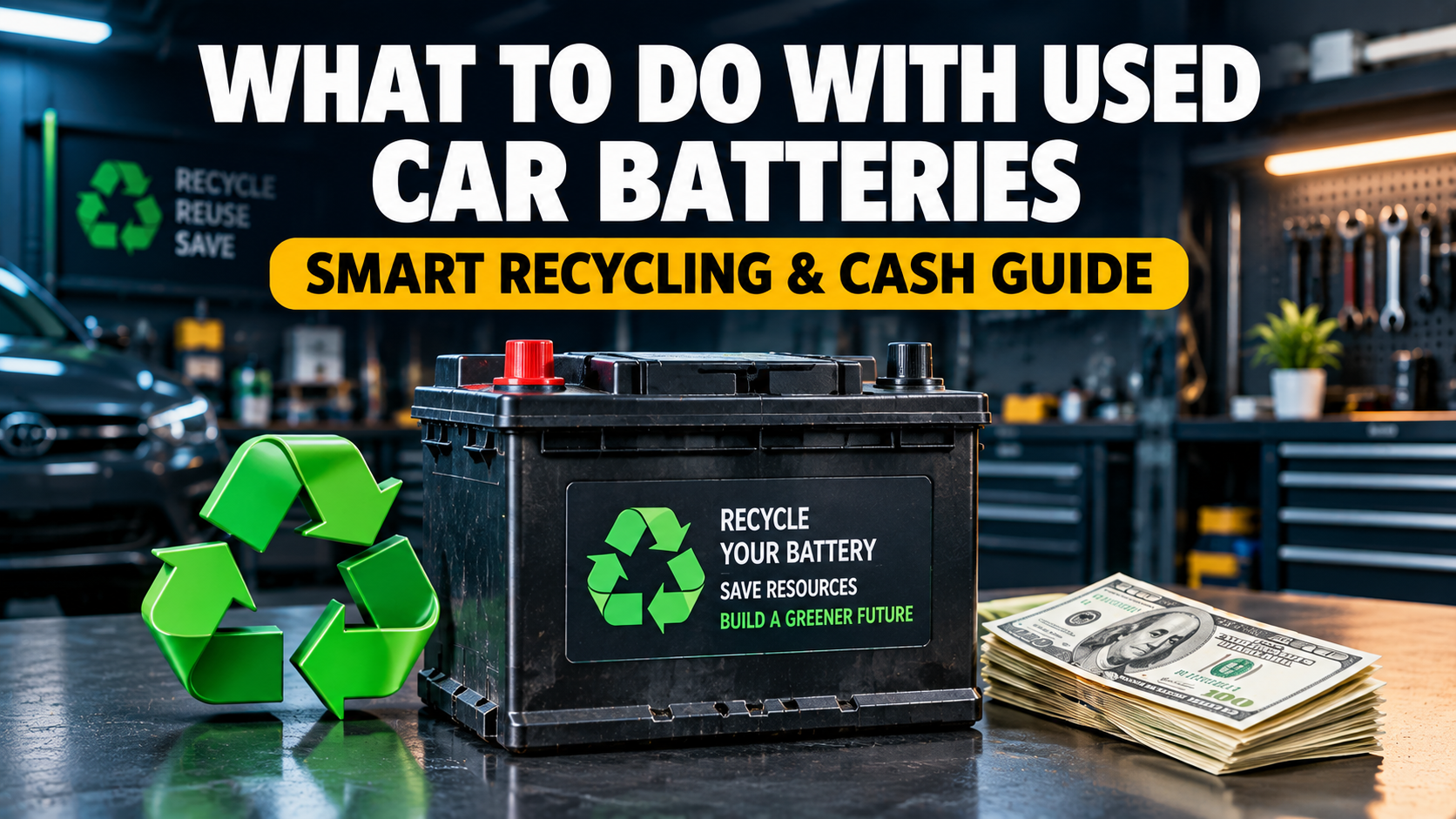
When disposing of old flooded batteries, never throw them in the trash. Lead-acid batteries are nearly 100% recyclable, and most auto parts stores will take your old battery for free (often giving you credit toward your new one). This is both environmentally responsible and often financially rewarding.
Common Myths About Flooded Batteries
Let me debunk a few myths I hear all the time:
Myth: All car batteries are the same. Not true. Flooded, AGM, and gel batteries have different characteristics and aren't interchangeable in all applications. Some modern vehicles with start-stop technology specifically require AGM batteries.
Myth: You don't need to maintain maintenance-free batteries. Even "maintenance-free" flooded batteries sometimes need water added in very hot conditions or after years of service. Sealed batteries (AGM/gel) truly don't need water, but flooded batteries marketed as maintenance-free still have vent caps, just harder to access.
Myth: A dead battery is always ruined. Deeply discharged flooded batteries can often be recovered with slow charging. However, if a battery has been dead for weeks or months, sulfation may have permanently damaged it.
Myth: Bigger cranking amps always mean better performance. While adequate cranking amps are essential, exceeding your vehicle's requirements doesn't provide meaningful benefits and might indicate a lower-quality battery with inflated specs.
When to Replace Your Flooded Battery
Most flooded car batteries last between 3-5 years, though some can go longer with excellent maintenance. Several factors affect battery life, including climate, driving habits, and electrical system health.
Hot climates are actually harder on batteries than cold ones. Heat accelerates chemical reactions inside the battery, which sounds good but actually causes faster degradation of internal components. Battery life can be significantly shorter in Arizona compared to Minnesota, for example.
Frequent short trips are tough on batteries because the alternator doesn't have enough time to fully recharge the battery after starting. If most of your driving is short hops around town, consider using a battery maintainer to keep the charge topped up.
Once your battery starts showing multiple signs of weakness (slow cranking, dim lights, needing frequent jumps), it's time to replace it. Waiting too long risks getting stranded, and a completely dead battery can sometimes damage your vehicle's electrical system.
Alternatives to Flooded Batteries
If you're considering switching from a flooded battery, here are your main options:
AGM (Absorbent Glass Mat) batteries have become increasingly common in modern vehicles. They offer better vibration tolerance, faster recharging, and longer life. They're also spill-proof and can be mounted in various orientations. The downside is cost, typically 30-50% more than flooded equivalents.
EFB (Enhanced Flooded Battery) is a middle ground between traditional flooded and AGM batteries. They're designed for vehicles with start-stop systems but don't cost as much as full AGM units.
Lithium-ion batteries are starting to appear in some automotive applications, particularly performance vehicles and racing. They're incredibly lightweight and powerful but expensive and require special charging systems.
Gel cell batteries are less common in automotive applications but are used in some deep-cycle applications. They're sensitive to overcharging and have specific charging requirements that not all vehicles can provide.
Frequently Asked Questions
Is a flooded battery bad?
A flooded battery isn't inherently bad. It's simply a type of lead-acid battery with liquid electrolyte. Flooded batteries have been used successfully in vehicles for over a century. They require more attention than sealed batteries but are reliable when properly maintained and offer good value for money.
Can a flooded battery be recharged?
Yes, flooded batteries can and should be recharged regularly. Your vehicle's alternator charges the battery during driving. For deeply discharged batteries, a dedicated battery charger works best. Slow charging is recommended to preserve battery life.
How long do flooded batteries last?
Flooded car batteries typically last 3-5 years, depending on climate, usage patterns, and maintenance. In hot climates or with poor maintenance, they might last only 2-3 years. With excellent care in moderate climates, some flooded batteries can last 5-7 years.
What happens if a flooded battery gets wet externally?
If a flooded battery gets wet from external water (rain, car wash, etc.), the main concern is the terminals. Water can cause corrosion and electrical resistance. Dry the terminals thoroughly and clean any corrosion with a baking soda solution. The battery itself isn't damaged by external water if the case is intact.
Are flooded batteries dangerous?
Flooded batteries contain sulfuric acid and produce flammable hydrogen gas during charging. They can be dangerous if mishandled, cracked, or charged improperly. However, with basic precautions like wearing gloves, ensuring ventilation, and avoiding sparks, they're safe for typical automotive use.
Wrapping Things Up
So, what does it mean when a car battery is flooded? It means you have a traditional lead-acid battery with liquid electrolyte that needs some basic maintenance to keep running smoothly. These batteries are affordable, reliable, and have powered vehicles for over a century. While they require more attention than sealed alternatives, they're a solid choice for many drivers.
The key takeaways are simple: check water levels regularly, keep terminals clean, ensure proper ventilation during charging, and replace the battery when it shows signs of failure. Don't let myths or confusion steer you away from a perfectly good battery technology that's still widely used for good reason.
If you're in the market for a replacement, take time to figure out which battery type your vehicle actually needs. Some modern cars require AGM batteries and won't work properly with flooded alternatives. Check your owner's manual or ask a trusted mechanic if you're unsure.
Got questions about your specific battery situation? Drop them in the comments below, and I'll do my best to help you figure out what's going on with your electrical system.