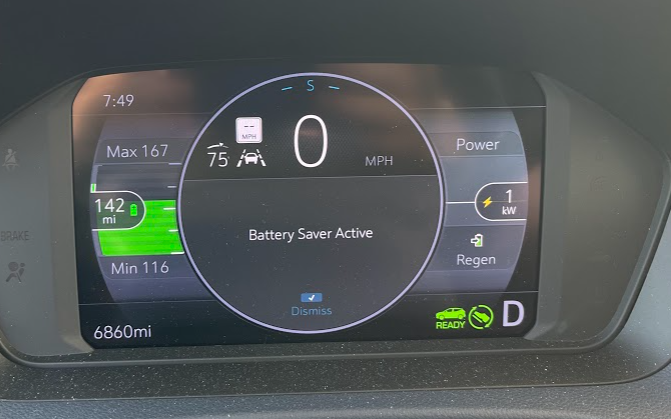
Battery saver active means your car's electrical system is automatically reducing power to non-essential features to prevent the battery from draining completely.
That little message popping up on your dashboard can feel confusing, especially when you're just trying to get from point A to point B. I've been there more times than I'd like to admit, wondering whether my car was about to give up on me in the middle of traffic. The good news is that battery saver mode is actually your vehicle looking out for you, not warning you of an immediate breakdown. It's a smart protective feature designed to keep you from getting stranded with a dead battery. Let me walk you through exactly what this means, why it happens, and what you should do when you see it. Trust me, understanding this feature can save you from a lot of unnecessary stress and potentially expensive repair bills down the road.
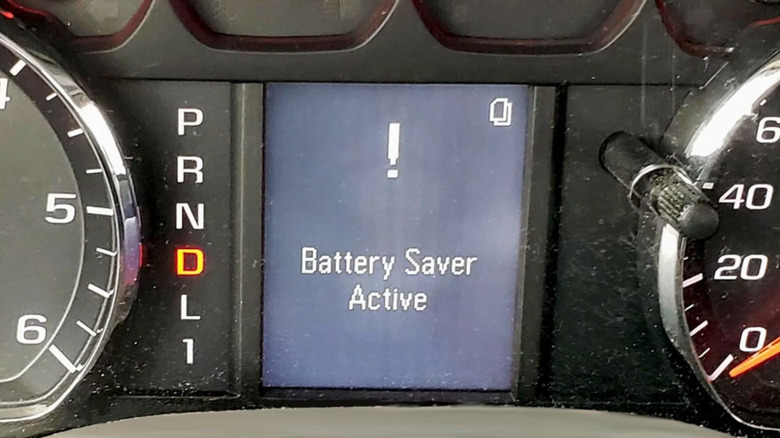
What Exactly Is Battery Saver Active in a Car
Battery saver active is a built-in protective mode that your car automatically engages when it detects the battery voltage dropping below a safe operating threshold. Think of it as your vehicle saying, "Hey, I need to preserve what energy I have left so I can still start later." When this mode kicks in, your car begins shutting down or reducing power to non-essential electrical components. These typically include things like your heated seats, interior lights, infotainment system, and sometimes even the climate control fan.
The main goal here is simple: keep enough juice in the battery to power the essential systems like your engine control unit, fuel pump, and ignition system. Without enough power to these critical components, your car simply won't run. I learned this the hard way years ago when I kept running my radio with the engine off during a long wait, only to find my car completely unresponsive when I tried to leave. The battery saver feature exists specifically to prevent that kind of frustrating situation from happening while you're driving.
Why Your Car Triggers Battery Saver Mode
There are several common reasons why your vehicle might activate this protective mode, and understanding them can help you prevent future occurrences.
Weak or Aging Battery
The most common culprit is simply an old battery that's no longer holding a full charge like it used to. Most car batteries last between three to five years, and as they age, their capacity gradually decreases. A battery that once held a full charge effortlessly might now struggle to keep up with your vehicle's electrical demands, especially during shorter drives when the alternator doesn't have enough time to replenish the charge. If your battery is more than four years old and you're seeing this message, it's probably time for a replacement.
Alternator Problems
Your alternator is essentially the power plant for your car's electrical system while the engine is running. It charges the battery and powers all the electrical components simultaneously. If the alternator starts failing, it can't produce enough voltage to keep everything running smoothly. This forces the battery to pick up the slack, which quickly drains it and triggers the battery saver mode. Common signs of alternator trouble include dimming headlights, flickering interior lights, or strange electrical behavior beyond just the battery saver message.
Excessive Electrical Load
Modern cars are packed with technology, and all those features draw power. If you're running your heated seats, defroster, high beams, phone charger, premium audio system, and navigation all at the same time, your electrical system might struggle to keep up. I remember driving through a harsh snowstorm once with every comfort feature cranked up, and sure enough, the battery saver light came on. It was a gentle reminder that there's a limit to what my electrical system could handle all at once.
Short Trips and Infrequent Use
Taking lots of short trips doesn't give your alternator enough time to fully recharge the battery after each start. Over time, this can leave your battery in a perpetually undercharged state. Similarly, if you let your vehicle sit unused for weeks, the battery will naturally lose charge through parasitic drains from things like your alarm system, clock, and computer memory. Both situations can eventually trigger the battery saver message.
How Battery Saver Mode Actually Works
When your car detects that the battery voltage has dropped to a critical level, usually somewhere around 11.5 to 12 volts, the battery management system takes action. This system is like a smart referee that decides which electrical features get priority access to the remaining power.
The process typically happens in stages. First, your car will reduce power to the most energy-hungry accessories like heated seats and rear window defrosters. If the voltage continues to drop, it might dim or turn off interior lights, reduce infotainment functionality, or lower the climate control fan speed. The engine and essential drivetrain components always get top priority, so your car will keep running as long as the battery can support those critical systems.
Some vehicles will display a specific message on the dashboard or driver information center, while others might just show a small icon that looks like a battery or a turtle. Either way, the underlying principle is the same: your car is actively trying to preserve enough power to get you where you need to go safely.

What to Do When Battery Saver Active Appears
Seeing this message doesn't mean you need to pull over immediately and panic, but it does mean you should take some smart actions right away.
Reduce Electrical Load Immediately
The first thing I always do is turn off anything I'm not absolutely essential. Switch off heated seats, unplug phone chargers, turn down the climate control fan, and dim the screen if possible. This immediately reduces the demand on your battery and gives it a chance to recover slightly. The less power your accessories draw, the more energy remains available for critical systems.
Avoid Stopping the Engine If Possible
Once the battery saver mode is active, turning off your engine might mean it won't restart. The battery might not have enough juice left to power the starter motor. If you can safely reach your destination or a service station without shutting off the engine, that's usually your best bet. If you absolutely need to stop, turn off as many electrical features as possible and try to restart as quickly as you can.
Drive to a Service Center or Safe Location
Get your car checked as soon as possible, especially if the message appears repeatedly. A professional mechanic can test your battery, alternator, and charging system to identify the root cause. Don't ignore this warning hoping it will just go away. The underlying issue will only get worse, and eventually your car might not start at all.
Common Misconceptions About Battery Saver Mode
There are a few myths floating around about this feature that I want to clear up. Some people think battery saver mode is the same as the eco mode in hybrid vehicles, but they're completely different systems. Eco mode helps save fuel by adjusting throttle response and climate control, while battery saver mode is strictly about preserving electrical power.
Another misconception is that you can fix this by simply driving longer or faster. While extended driving can help recharge a slightly depleted battery, it won't fix a failing alternator or a battery that's reached the end of its life. No amount of driving will resolve those issues, and ignoring them will only lead to a breakdown at the most inconvenient time.
Some drivers also believe that battery saver mode means their battery is about to explode or catch fire. This is absolutely not true. The feature is purely about preventing a dead battery situation, and there's no safety risk to you or your vehicle when it activates.
Preventing Battery Saver Mode From Triggering
The best strategy is always prevention, and there are several simple habits that can keep this message from ever appearing on your dashboard.
Regular battery maintenance is the single best thing you can do. Get your battery tested at least once a year, especially before winter when cold weather puts additional strain on battery performance. Most auto shops will test your battery for free, and it takes just a few minutes. If the test shows weak capacity, replace the battery before it leaves you stranded.
Keep your battery terminals clean and free of corrosion. That white, powdery substance that builds up on the terminals can interfere with the charging system and reduce efficiency. A mixture of baking soda and water with an old toothbrush works great for cleaning them, followed by a thorough rinse and dry.
Minimize electrical use when the engine isn't running. Sitting in your car with the radio blasting and the engine off might seem harmless, but it drains your battery surprisingly fast. Modern batteries have limited reserve capacity, and every minute spent running accessories without the engine means less power available to start your car later.
If you don't drive your car regularly, consider investing in a trickle charger or battery maintainer. These devices keep your battery at an optimal charge level during long periods of inactivity, preventing the deep discharge that triggers battery saver mode.
The Difference Between Battery Saver Active and Check Engine Light
It's important not to confuse the battery saver message with other dashboard warnings. The battery saver mode is specifically about electrical system management, while the check engine light relates to emissions, engine performance, or transmission issues. They are different systems addressing different problems.
If you see battery saver active along with a check engine light, you likely have multiple problems that need attention. In that case, getting a professional diagnostic scan is especially important, as the issues could be related or could be compounding each other. Don't assume one warning explains the other. They often require separate investigations to properly resolve.

Frequently Asked Questions
Can I drive my car normally with battery saver active?
Yes, you can typically continue driving, but you should reduce electrical usage and head to a service center soon. The car is still operational but is protecting itself from a complete electrical failure.
How long can I drive before battery saver mode becomes a serious problem?
There's no set time limit because it varies with each situation and vehicle. However, the longer you drive with this message showing, the more you risk complete battery drain and breakdown. Address it as soon as practically possible.
Will battery saver mode drain my battery even more?
Actually, battery saver mode does the opposite. It actively works to preserve your battery by reducing power to non-essential systems, giving the battery a chance to recover slightly while you drive.
Does battery saver active mean I need a new battery?
Not necessarily, but it often indicates a battery issue, whether it's age, a weak cell, or insufficient charging. A proper diagnostic test is the only way to know for sure whether you need a replacement or just a recharge.
Can cold weather cause battery saver mode to activate?
Cold temperatures significantly reduce battery capacity and make the engine harder to start. If your battery is already marginal, winter weather can easily push it below the threshold that triggers battery saver mode.
Wrapping Up the Discussion
Battery saver active is fundamentally a helpful feature designed to keep you safe and your car running when your electrical system is under stress. It tells you that your battery voltage is low and that your car is taking smart steps to preserve remaining power for essential functions.
The key takeaways are simple: don't ignore the message, reduce your electrical load immediately, and get your vehicle checked by a professional as soon as you can. With proper maintenance and attention to your battery's health, you can avoid the inconvenience and potential expense of an unexpected breakdown.
Take care of your battery, and it will take care of you. If you found this guide helpful, feel free to share it with fellow drivers who might benefit from understanding their vehicles a little better.