A dead car battery can leave you stranded at the worst possible moment, and knowing the right charging amperage can mean the difference between a quick fix and a long wait. The sweet spot for most car batteries is between 2 and 10 amps for a slow, safe charge, though you can push higher for a quick boost. If you stick to the 2 to 10 amp range, you’ll protect your battery’s lifespan while still getting it back to full power.
I’ve charged dozens of batteries over the years, from my old pickup truck to my neighbor’s stubborn sedan, and I can tell you that the amperage you choose really matters. Too much current can fry the plates, warp the internals, and shorten your battery’s life. Too little, and you’ll be waiting forever. Let me walk you through everything I’ve learned so you can charge your car battery the right way.

Understanding Car Battery Charging Basics
Before we talk numbers, it helps to know what’s happening inside your battery. A typical 12-volt lead-acid car battery stores energy through a chemical reaction between lead plates and sulfuric acid. When you charge it, you’re reversing that reaction, pushing electrical energy back into the cells.
The amperage you use controls how fast that energy flows in. Think of it like filling a swimming pool. A high amp setting is like using a fire hose, fast but potentially damaging. A low amp setting is like using a garden hose, slow but gentle and thorough.
Most standard car batteries hold between 40 and 60 amp-hours. That rating tells you how many amps the battery can deliver over 20 hours. A 50 amp-hour battery, for example, can put out 2.5 amps for 20 hours before dying. Knowing this helps you pick the right charging rate.

What Amperage Should You Use to Charge a Car Battery?
The general rule I follow and recommend is the 10% rule. For a standard 12-volt car battery, you want to charge it at about 10% of its amp-hour rating. If you have a 50 amp-hour battery, that means 5 amps is your ideal slow charging rate.
Here’s a quick breakdown:
- 2 to 4 amps: This is a trickle charge. It’s very slow but incredibly safe. You can leave it on overnight or even for a full day without worrying about overcharging. This is my go-to for batteries that have been sitting unused for months.
- 6 to 10 amps: This is the standard charging range. Most home battery chargers default to somewhere in this range. It balances speed and safety, usually bringing a dead battery back to life in 4 to 10 hours.
- 12 to 20 amps: This is a fast charge. It’s fine for a quick boost when you’re in a hurry, but you need to watch the battery closely. Too long at this rate can overheat the battery and reduce its overall lifespan.
- 40 amps and above: This is jump-starting territory, not true charging. You’ll see these rates on portable jump starters, and they’re meant to crank your engine, not fully charge your battery.
How to Choose the Right Amperage for Your Situation
Not every charging job is the same. The right amperage depends on your battery’s condition, how much time you have, and what you’re trying to accomplish.
For Regular Maintenance Charging
If your battery is just a little low because you left your lights on, a 2 to 4 amp trickle charge is perfect. It will top off the battery in about 12 to 24 hours without any risk of damage. I do this every few months on my classic car during winter storage.
For a Fully Dead Battery
When your battery is completely dead, you can step up to 6 to 10 amps. This is what I use most often. It will take roughly 4 to 10 hours to fully charge, depending on the battery’s size and how deeply it was discharged. Check the voltage after charging to make sure you’ve hit at least 12.6 volts.
For Emergency Quick Charges
If you’re in a rush and just need enough juice to get to the auto parts store, a 20 to 40 amp boost for 15 to 30 minutes can help. But be careful. This kind of fast charging generates heat, and you risk damaging the battery if you push it too hard or too long.

The Risks of Using Too Much Amperage
I learned this lesson the hard way with my first car. I thought cranking the charger up to 30 amps would charge my battery faster. Instead, I warped the plates inside, and the battery never held a full charge again.
Here’s what happens when you overdo it on amperage:
- Overheating: High current creates heat. Too much heat can cause the electrolyte to evaporate, leaving the plates exposed and damaged.
- Warping: The lead plates inside can bend and warp under excessive current, creating internal short circuits.
- Reduced lifespan: Even if the battery seems fine after a fast charge, the heat and stress take a toll. You might lose months or even years of total battery life.
- Acid leakage: In extreme cases, the case can crack or vent, spilling corrosive battery acid.
How to Tell If Your Battery Is Charging Properly
You don’t have to guess whether your charging is working. A few simple checks will tell you everything you need to know.
Watch the Voltage
A healthy, fully charged 12-volt battery should read between 12.6 and 12.8 volts when the engine is off. While charging, you should see somewhere between 13.7 and 14.7 volts at the charger. If the voltage doesn’t climb after a few hours, the battery might be sulfated or damaged.
Check the Temperature
The battery should feel warm during charging, but not hot. If you can’t comfortably hold your hand on the case, it’s getting too hot. Disconnect the charger and let it cool down before trying a lower amp setting.
Look for Bubbling
Some bubbling in the cells is normal during the final stages of charging. Vigorous bubbling, though, means the charger is pushing too much current. This is called gassing, and it’s a sign you need to reduce the amperage.

Different Types of Battery Chargers and Their Amperage
The charger you use matters just as much as the setting you choose. Here’s a quick guide to the most common types.
Trickle Chargers
These output between 1 and 3 amps. They’re designed for long-term maintenance, not fast charging. If you have a vehicle that sits for weeks at a time, a trickle charger is your best friend.
Standard Battery Chargers
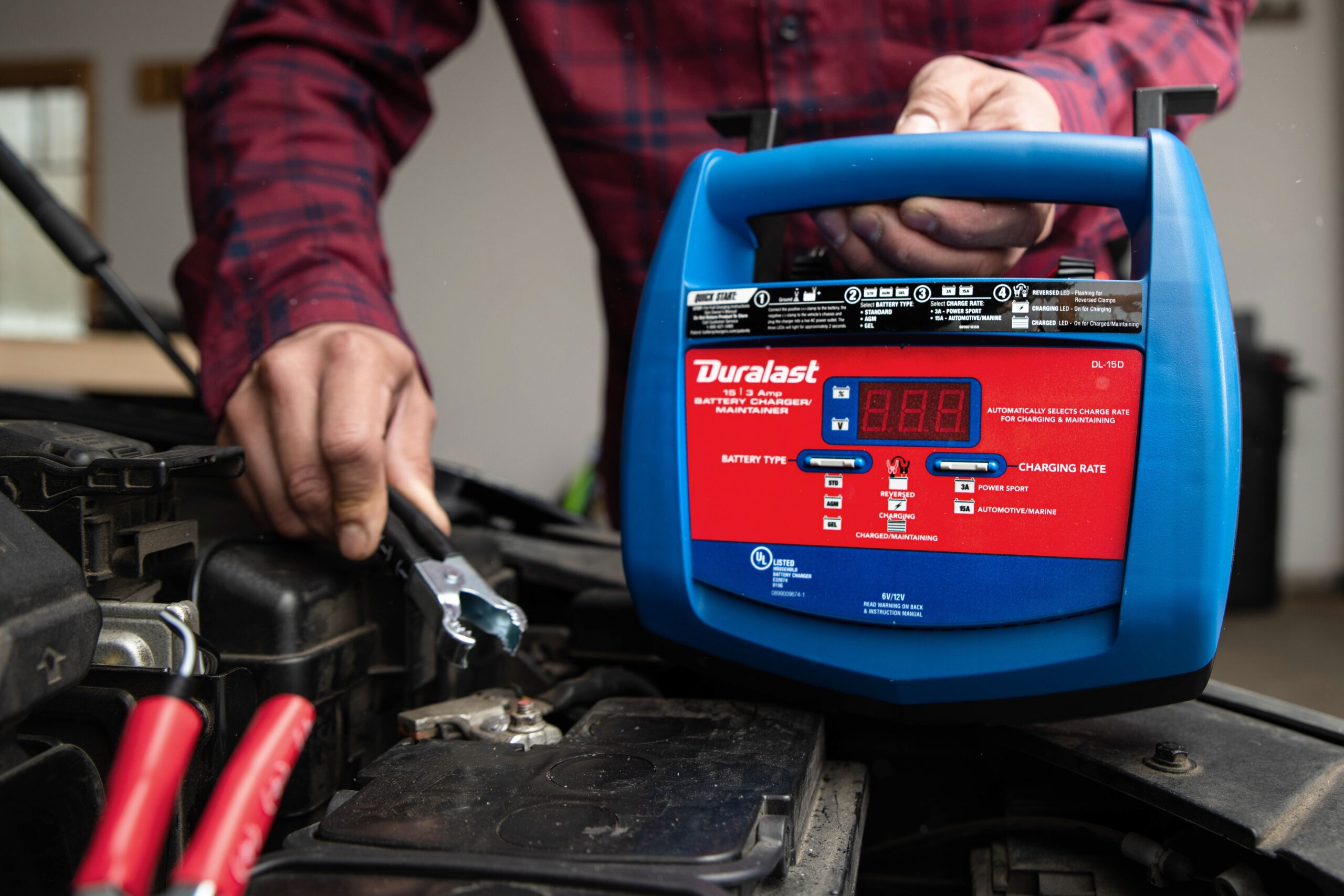
Most consumer-grade chargers fall into the 6 to 12 amp range. They usually have multiple settings, so you can choose between slow and standard charging. This is what I keep in my garage for everyday use.
Smart Chargers
These are the modern marvels of battery care. They monitor the battery’s voltage and adjust the amperage automatically. Many also have desulfation modes that can revive old batteries. If you can afford one, a smart charger is worth every penny.
Jump Starters with Charging Capabilities
Some portable jump starters also have a charging mode, usually around 10 to 15 amps. They’re handy for emergencies, but I wouldn’t rely on them for full, regular charges.

Special Considerations for Different Battery Types
Most cars still use traditional flooded lead-acid batteries, but other types are becoming more common. The charging amperage can vary depending on what’s under the hood.
AGM Batteries
Absorbent Glass Mat batteries are sealed and more sensitive to overcharging. Stick to the lower end of the amp range, usually 2 to 6 amps, and avoid high voltages above 14.7 volts.
Gel Cell Batteries
These are even more sensitive. You need a charger specifically designed for gel cells, and the amperage should stay below 5 amps to avoid damaging the gel electrolyte.
Lithium-Ion Car Batteries
If your car has a lithium starting battery, you absolutely need a lithium-compatible charger. These batteries charge at a different voltage and can be dangerous if charged with a standard lead-acid charger.
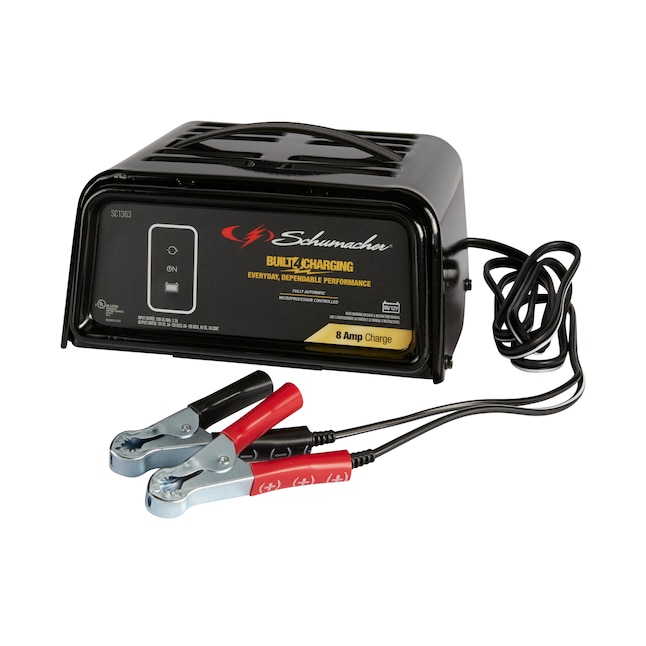
Step-by-Step Guide to Charging Your Car Battery Safely
Let me walk you through the exact process I use every time. Follow these steps, and you’ll never have to worry about damaging your battery or yourself.
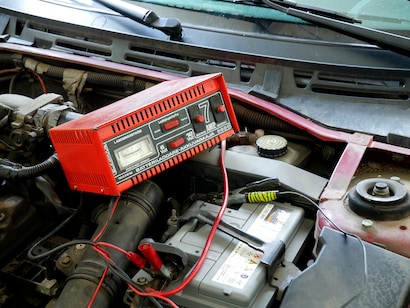
- Park in a well-ventilated area. Charging produces hydrogen gas, which is flammable. I always charge in my open garage with the door up, never in a closed space.
- Turn off the charger and unplug it before connecting the cables.
- Connect the positive clamp (red) to the positive terminal on the battery.
- Connect the negative clamp (black) to an unpainted metal surface on the car’s frame, away from the battery. This grounds the circuit and reduces the risk of sparks near the battery.
- Plug in the charger and set it to the appropriate amperage. For most situations, 4 to 8 amps is a safe starting point.
- Monitor the charge. Check the voltage every few hours. Once it hits 12.6 volts or higher, the battery is fully charged.
- Turn off and unplug the charger before removing the clamps.
- Remove the negative clamp first, then the positive clamp.
How Long Does It Take to Charge a Car Battery at Different Amperages?
Time is a factor for most of us, so here’s a rough estimate for a typical 50 amp-hour battery discharged to 50%.
- 2 amps: 12 to 14 hours
- 4 amps: 6 to 7 hours
- 6 amps: 4 to 5 hours
- 10 amps: 2 to 3 hours
- 20 amps: 1 to 1.5 hours
Remember, these are estimates. The actual time depends on the battery’s age, temperature, and overall condition. A battery that’s been deeply discharged for a long time might take longer to recover, or it might not recover at all.
Can You Charge a Car Battery with a Higher Amp Charger Without Damaging It?
Yes, but only if you monitor it carefully and stop the charge when the battery is full. Most modern chargers have automatic shutoffs that kick in when the battery reaches a full charge. If your charger doesn’t have this feature, you’ll need to check the voltage manually.
I’ve used a 20 amp setting on my truck’s battery in a pinch, and it worked fine. But I watched the clock and unplugged it the moment my voltmeter showed 12.6 volts. The risk of leaving it on too long isn’t worth the convenience of a faster charge.
Common Mistakes to Avoid When Charging Your Car Battery
I’ve made most of these mistakes myself, so learn from my errors and save yourself the headache.
- Charging a frozen battery: If your battery is frozen, charging it can cause it to explode. Let it thaw completely first.
- Connecting the cables in reverse: This can fry your car’s electrical system. Always double-check positive and negative.
- Smoking near the battery: Hydrogen gas is highly flammable. Keep flames and sparks far away.
- Using the wrong charger setting: Match the charger to the battery type. AGM and gel batteries need specific settings.
- Ignoring a swollen battery case: If the case is bulging, the battery is damaged. Replace it instead of trying to charge it.
Tips for Extending Your Car Battery’s Life
Proper charging is just one piece of the puzzle. Here are a few habits I’ve picked up over the years that help my batteries last longer.
- Drive your car regularly. Short trips don’t give the alternator enough time to fully recharge the battery.
- Keep the terminals clean. Corrosion can block the flow of electricity and prevent proper charging.
- Check the electrolyte level. If you have a flooded battery, top off the cells with distilled water when they get low.
- Use a maintainer during storage. If you’re parking your car for more than a month, a trickle charger will keep the battery in good shape.
Signs That Your Battery Needs More Than Just a Charge
Sometimes a charge isn’t enough. If you notice any of these signs, your battery might be on its last legs and need a replacement.
- The engine cranks slowly even after a full charge.
- The battery won’t hold a charge overnight.
- The case is cracked, swollen, or leaking.
- The battery is more than four or five years old.
- You see heavy corrosion around the terminals that keeps coming back.
I had a battery that wouldn’t hold a charge no matter how long I left the charger on. It turned out one of the cells was shorted. No amount of amperage was going to fix that, so I replaced it and haven’t had a problem since.
Frequently Asked Questions About Car Battery Charging Amperage
Is 2 amps enough to charge a car battery?
Yes, 2 amps is enough to charge a car battery, but it will take a long time. For a standard 50 amp-hour battery, a 2 amp charge will take roughly 24 to 30 hours to go from completely dead to fully charged. This rate is best for maintenance charging or for reviving a deeply discharged battery without risking damage.
Can I charge my car battery at 10 amps?
You can safely charge most car batteries at 10 amps as long as you monitor the process. This is at the upper end of the safe range for standard flooded batteries. It will typically take 4 to 6 hours to fully charge a moderately discharged battery. Just make sure the battery doesn’t get hot and disconnect once it reaches 12.6 volts or higher.
Is it better to charge a car battery at 2 amps or 10 amps?
It depends on your goal. Charging at 2 amps is gentler and better for the battery’s long-term health, making it ideal for maintenance or reviving deeply discharged batteries. Charging at 10 amps is faster and more practical when you need the car ready in a few hours. If you have the time, stick with 2 amps. If you’re in a hurry, 10 amps is fine as long as you keep an eye on it.
Will a 15 amp charger damage a car battery?
A 15 amp charger won’t damage a healthy car battery if you use it correctly and stop the charge when the battery is full. However, it’s higher than the recommended 10% rule for most batteries, so it generates more heat and stress. Use it sparingly and only when you need a faster charge.
How many amps do I need to jump-start a car?
To jump-start a car, you typically need between 200 and 400 amps for a few seconds to crank the engine. This is very different from charging amperage. Once the engine starts, the alternator takes over and charges the battery at roughly 20 to 50 amps while you drive, tapering off as the battery fills up.
Can I leave a battery charger on overnight?
You can leave a smart charger on overnight because it will automatically shut off or switch to a maintenance mode when the battery is full. However, leaving a basic manual charger on for too long can overcharge and damage the battery. If you’re using a manual charger, set an alarm or timer to remind you to check on it.
Conclusion
Choosing the right amperage to charge your car battery doesn’t have to be complicated. For most situations, sticking to 2 to 10 amps will keep your battery healthy and your car ready to go. Match the amperage to your battery’s size, use the 10% rule as your guide, and always monitor the process to avoid overheating or overcharging.
A good battery charger is one of the best investments you can make as a car owner. Take care of your battery, and it will take care of you with years of reliable starts. If you found these tips helpful, feel free to leave a comment with your own experiences or questions. I’d love to hear how your charging projects turn out.