If your car battery dies, your vehicle won't start, electrical systems shut down, and you may face dim lights, clicking sounds, or complete power loss. Picture this: you turn the key, and instead of the familiar hum of your engine, you hear nothing but a weak click — or worse, total silence. That sinking feeling in your stomach is something every driver dreads. A dead battery can strike at the worst possible moment, leaving you stranded and frustrated.
After more than a decade working closely with vehicles, drivers, and roadside emergencies, I've seen how a simple battery issue can spiral into a major inconvenience if you don't know what to do next. That's exactly why understanding what happens when your car battery dies — and how to respond — is so important. In this guide, I'll walk you through the warning signs, the immediate effects, the common causes, and the exact steps you can take to get back on the road safely.

Warning Signs Your Car Battery Is About to Die
Before a battery completely fails, it almost always gives you signals. Catching these early can save you from being stuck somewhere inconvenient.
One of the most common signs is a slow engine crank. When you turn the key, the engine sounds sluggish or takes longer than usual to start. Another red flag is dim or flickering headlights, which means the battery isn't delivering enough power to the electrical system. You might also notice dashboard warning lights behaving oddly, or your radio and power accessories working intermittently.
From personal experience, I once ignored a faint clicking sound when starting my car for almost a week. One cold morning, the battery finally gave up in a grocery store parking lot. That click was the starter motor not getting enough current — a classic early symptom of a dying battery. Other subtle signs include a sulfur or rotten egg smell, which often indicates a leaking or overworked battery, and corrosion buildup around the battery terminals.
Paying attention to these small details can help you replace or charge your battery before it leaves you completely stranded.
Immediate Effects When Your Car Battery Dies
When the battery finally dies, the effects are immediate and unmistakable.
The most obvious result is that your car won't start at all. The starter motor requires a significant burst of electrical power, and without it, nothing happens. You might hear a rapid clicking noise, which means the solenoid is trying to engage but doesn't have enough voltage. In some cases, the dashboard lights won't turn on, the radio won't work, and even the interior lights will be completely dead.
Once the engine isn't running, your car loses power steering assist, power window operation, and any electronic features that rely on the battery. Modern vehicles with keyless entry may not even unlock, since the smart key system depends on battery power to communicate with the car.
I remember helping a friend whose SUV battery died in a shopping center. Not only couldn't she start the engine, but she also couldn't open the tailgate because it was electronically controlled. We had to use the manual override hidden inside the cabin. This experience taught me that a dead battery affects far more than just starting the car — it impacts nearly every modern convenience drivers rely on.
Common Causes of a Dead Car Battery
Understanding why batteries die helps you prevent it from happening in the first place.
One of the leading reasons is simply age. Most car batteries last between three and five years, depending on climate, driving habits, and maintenance. Extreme heat accelerates internal corrosion, while extreme cold reduces the battery's ability to hold a charge. If your battery is older than four years, it's wise to have it tested regularly.
Another common cause is leaving lights or accessories on. Forgetting to turn off headlights, interior lights, or charging devices can drain a battery overnight. Parasitic drain — where small electrical components continue pulling energy even when the car is off — can also slowly kill a battery over time.
Corroded or loose battery terminals are another frequent culprit. When the connection between the battery and the cables is weak, the car struggles to draw enough power. Alternator problems can also masquerade as battery issues. If the alternator isn't charging the battery while the engine runs, the battery will eventually die even if it was perfectly fine before.
Short, infrequent drives are a hidden cause many drivers overlook. The alternator needs sufficient driving time to recharge the battery fully. If you only drive a few minutes here and there, the battery never gets a chance to recover, and over weeks, it weakens significantly.
What to Do When Your Car Battery Dies
A dead battery is stressful, but it's also one of the easiest roadside problems to solve if you're prepared.
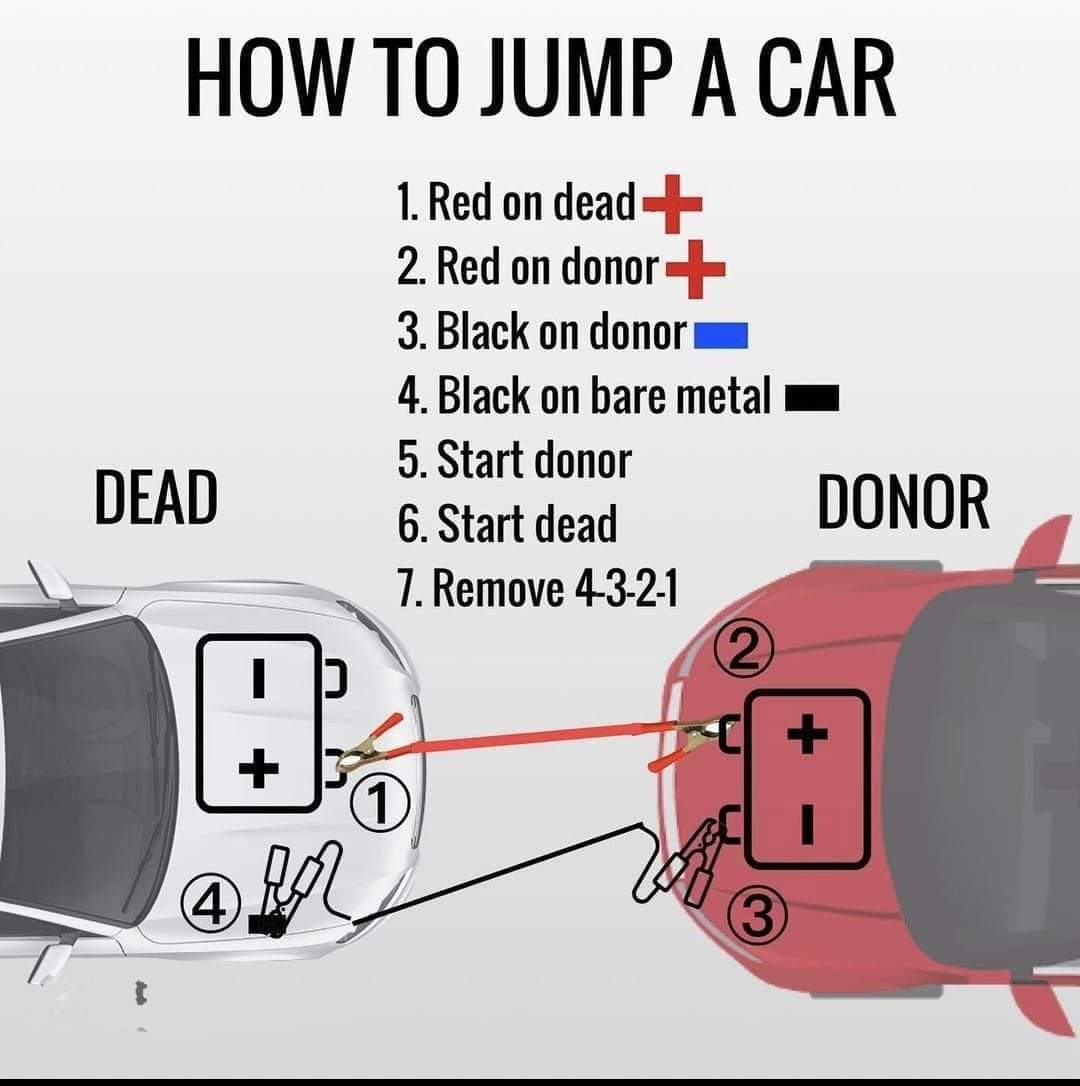
The first step is to stay safe. If your car dies in traffic, turn on your hazard lights and move to a safe location if possible. If you're parked, you're already in a good spot. Next, try a jump start. Using jumper cables and another vehicle with a working battery, connect the positive terminals first, then the negative terminals to a grounding point on the dead car. Start the working vehicle, let it run for a few minutes, then try starting yours.
If you don't have access to another vehicle, a portable jump starter is a lifesaver. These compact devices store enough power to start most cars without needing a second vehicle. I've used mine multiple times, and it's one of the best investments any driver can make.
If the jump start doesn't work, or the battery dies again shortly after, the battery may be too far gone to hold a charge. In that case, you'll need a replacement. Many auto parts stores will test your battery for free and install a new one on the spot.
Another option is calling roadside assistance. Services like AAA or insurance-provided help can send someone to jump-start or tow your vehicle. If you're stranded in an unsafe area, this is often the safest choice.
How to Prevent Your Car Battery from Dying
Prevention is always better than the cure, especially when it comes to car batteries.
Make it a habit to check your battery terminals every few months. If you see white, blue, or greenish powdery buildup, clean it off with a mixture of baking soda and water, and tighten any loose connections. Schedule a battery test during routine maintenance, especially before winter or summer, since extreme temperatures put extra strain on batteries.
Try to drive your car regularly and for longer distances when possible. This keeps the alternator active and allows the battery to recharge fully. If you have a second vehicle that sits for long periods, consider using a battery maintainer or trickle charger to keep it healthy.
Turn off all lights and accessories before exiting the car. It sounds simple, but it's one of the most common reasons batteries die unexpectedly. If your car has accessories that draw power even when the ignition is off, like dashcams or phone chargers, unplug them when not in use.
From my years of experience, drivers who follow these simple habits rarely face dead battery emergencies. It's the small, consistent actions that keep your battery — and your car — reliable.
Can a Dead Battery Be Recharged or Reused?
Whether a dead battery can be saved depends on why it died and how long it sat discharged.
If the battery died from leaving lights on, a jump start or slow charging with a battery charger can usually restore it. Lead-acid batteries can recover from a full discharge, but the depth of discharge affects their lifespan. Batteries that are deeply discharged multiple times lose capacity permanently.
However, if the battery is old, physically damaged, or has frozen from sitting in extreme cold while discharged, it's no longer safe to use. Swollen, leaking, or cracked batteries should be replaced immediately and disposed of properly at a recycling center.
When to Replace Your Car Battery
Sometimes, no amount of charging will bring it back to life.
If your battery is more than four years old, struggles to hold a charge, or causes repeated jump-start situations, it's time for a replacement. Warning signs like slow cranking even after charging, frequent electrical glitches, and a sulfur smell all point to a battery nearing the end of its life.
When shopping for a new battery, match the specifications recommended by your vehicle's manufacturer, including group size, cold cranking amps, and terminal placement. Investing in a high-quality battery from a trusted brand typically pays off with longer service life and better performance in extreme conditions.
Frequently Asked Questions
Can a dead battery cause other car problems?
A dead battery itself won't damage other components, but the voltage drop can reset electronic systems, trigger error codes, and sometimes confuse modern sensors until the system relearns.
How long does it take to jump-start a dead battery?
Typically, five to ten minutes of idling the donor vehicle is enough to transfer enough charge to start the dead car, though deeply discharged batteries may need longer.
Is it safe to drive with a weak battery?
It's not recommended. A weak battery can leave you stranded and may indicate alternator problems that could cause the engine to stall while driving.
How much does it cost to replace a car battery?
Standard car batteries usually cost between one hundred and two hundred dollars, while premium models with longer warranties can range higher.
Do electric vehicles have the same battery issues?
Electric vehicles use high-voltage lithium-ion battery packs that don't fail in the same way as traditional 12-volt batteries, but the 12-volt auxiliary battery in EVs can still die and cause starting issues.
Final Thoughts
A dead car battery is one of the most common roadside headaches, but it's also one of the most preventable and manageable. By learning to recognize the early warning signs, understanding the common causes, and keeping a simple emergency plan, you can handle a dead battery with confidence instead of panic. From my years of hands-on experience, I can tell you that the drivers who rarely face this issue are the ones who maintain their vehicles proactively and stay prepared.
Take a few minutes this week to check your battery, clean the terminals, and consider keeping a portable jump starter in your trunk. That small step could be the difference between a minor inconvenience and a major disruption to your day. If this guide helped you, feel free to share it with fellow drivers, and stay tuned for more practical automotive insights.