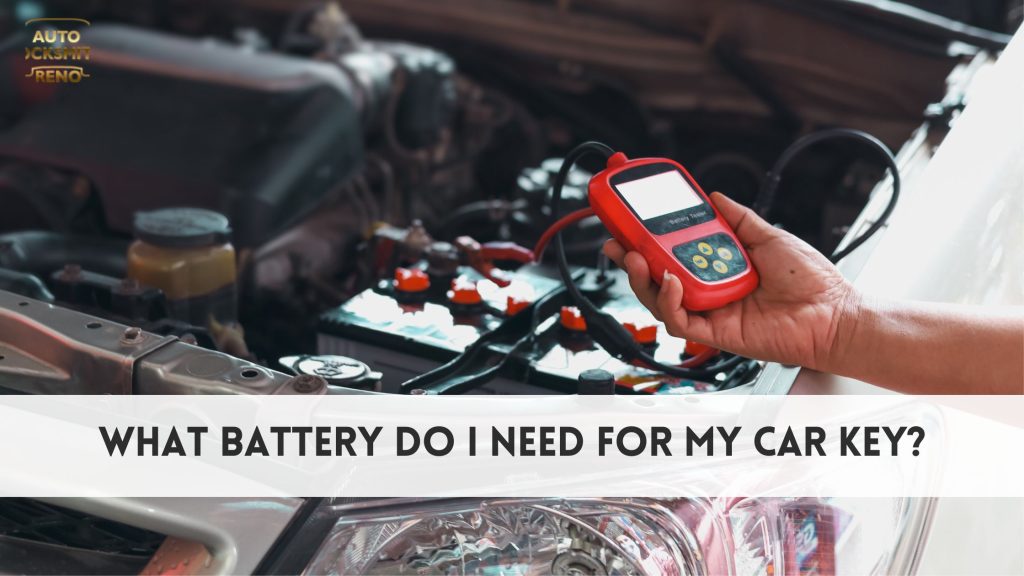
Car battery life refers to the total time a battery can power your vehicle before it needs replacing, typically lasting 3 to 5 years. Most car batteries don't die suddenly; they slowly lose their strength over months, leaving many drivers wondering what went wrong.
I've replaced more batteries than I can count over the years, and I've learned one thing for sure: most people wait until they're stranded in a grocery store parking lot before they even think about their battery. That's a costly and frustrating mistake. Understanding car battery life isn't just about knowing when to buy a new one. It's about saving money, avoiding stress, and keeping your car reliable every single day.
In this guide, I'll walk you through everything I've picked up from years of hands-on experience, including how long batteries really last, what kills them faster, and the simple habits that can add real months (sometimes even years) to their lifespan. By the end, you'll know exactly how to spot a weak battery before it leaves you stuck, and what you can do today to get the most out of the one under your hood.

What Is Car Battery Life and How Does It Work?
Car battery life is the total lifespan a battery has from the day it's installed until the day it can no longer hold a reliable charge. Think of it like a rechargeable phone battery: it works great at first, but over time, it just can't hold as much power as it used to.
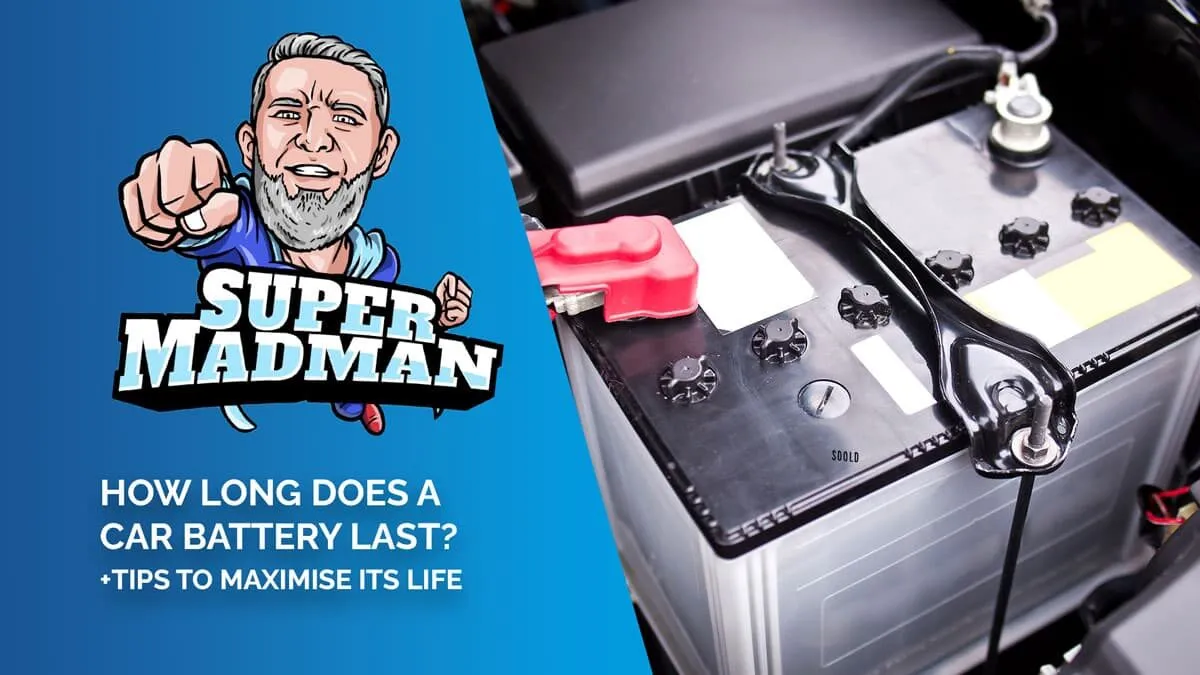
A standard car battery is a lead-acid battery that uses a chemical reaction to create the electrical energy your car needs to start the engine and run accessories. Every time you turn the key, that chemical reaction happens. Over thousands of starts, plus hot summers, freezing winters, and short trips that never fully recharge the battery, those chemicals slowly wear out.
Here's a quick breakdown of the main types of car batteries and how long they typically last:
- Flooded lead-acid batteries: The most common type. Last around 3 to 5 years.
- Absorbent glass mat (AGM) batteries: Higher performance, often in newer or luxury cars. Last about 4 to 7 years.
- Enhanced flooded batteries (EFB): Used in many start-stop vehicles. Last roughly 4 to 6 years.
- Lithium-ion batteries: Found mostly in hybrids and EVs. Can last 8 to 10 years or more with proper care.
The actual car battery lifespan depends on more than just the type. Climate, driving habits, maintenance, and even how often you use electronic features while parked all play a role. A battery in Phoenix, Arizona, for example, will usually die faster than one in Seattle, Washington, because extreme heat is one of the worst enemies of battery life.
Average Car Battery Lifespan by Type
Not all batteries are built the same. The material inside, the way it's built, and the demands of your vehicle all affect how long a battery lasts.
Here's a simple comparison:
- Standard flooded: 3 to 5 years, affordable, and widely available
- AGM: 4 to 7 years, handles more electrical load, better for start-stop cars
- EFB: 4 to 6 years, improved version of flooded, good for entry-level start-stop systems
- Deep cycle: 4 to 8 years, designed for repeated deep discharges, common in RVs and marine use
- Lithium-ion: 8 to 10 years, lightweight, long-lasting, but expensive
I've personally had the best luck with AGM batteries in cars with lots of tech features (like heated seats, big sound systems, and advanced safety systems). They cost more upfront, but they tend to last longer and handle the extra electrical demand much better. On the other hand, if you're driving an older, simpler car, a standard flooded battery is often all you need.
Common Causes of Short Car Battery Life
Even the best battery won't last long if it's treated poorly. Here are the most common reasons I've seen car batteries die way too early:
- Extreme temperatures: Heat causes the fluid inside to evaporate, while cold slows down the chemical reaction
- Short trips: Starting the car uses a big burst of energy, and short drives don't give the alternator enough time to recharge it
- Corrosion: Dirty or corroded terminals block the flow of electricity and slowly drain the battery
- Parasitic drain: Things like interior lights, phone chargers, or faulty wiring can slowly pull power even when the car is off
- Lack of use: Cars that sit for weeks at a time slowly lose their charge
- Overcharging: A bad voltage regulator can push too much power into the battery and damage it
I remember one winter when my neighbor's car wouldn't start after sitting for two weeks while he was on vacation. He had a brand-new battery, but it was completely dead. The problem wasn't the battery. It was a small interior light he forgot to turn off. Just one tiny light, left on for 14 days, drained the whole thing.
That's why understanding the causes of short car battery life is just as important as knowing how long a battery should last.
Signs Your Car Battery Is Dying
The good news is that a dying battery usually gives you warning signs. You just have to know what to look for. Over the years, I've learned to spot these early, and they've saved me from getting stranded more than once.
Watch out for these common symptoms:
- Slow engine crank: The engine turns over slowly when you try to start
- Dim headlights: Lights look weaker, especially at idle
- Warning light: A battery-shaped light appears on the dashboard
- Clicking sound: You hear a rapid clicking noise when turning the key
- Swollen battery case: The battery looks bloated, usually from heat damage
- Frequent jump-starts: If you need jumps more than once or twice, it's time for a replacement
- Electrical issues: Power windows move slowly, radio resets, or dashboard lights flicker
One thing I've learned from experience: don't ignore these signs. I once pushed my luck and ignored a slow crank for about two weeks. Then, of course, the battery died on the coldest morning of the year. I had to call a tow truck and wait two hours for a jump. That one mistake taught me to listen to my car and act early.

How to Extend Your Car Battery Life
The best part about car batteries is that a little care goes a long way. With the right habits, you can often get more life out of your battery than the average driver. Here's what I do to keep mine going strong:
- Drive regularly: Take your car out for at least 20 minutes a few times a week
- Keep terminals clean: Wipe off any white or blue powdery buildup
- Secure the battery: Make sure it's tightly mounted to reduce vibration damage
- Avoid short trips when possible: Combine errands to give the alternator enough time to recharge
- Turn off accessories before shutting off: Make sure lights, AC, and radio are off before you turn the key
- Test the battery yearly: Most auto parts stores will test it for free
- Disconnect if storing long-term: If you're not driving for weeks, use a battery maintainer
I personally use a small battery maintainer (also called a trickle charger) during the winter months when I'm not driving my classic car as much. It's a small investment, and it keeps the battery fully charged without overcharging it. I've had the same battery in that car for over six years now, which is well above average.
How Climate and Driving Habits Affect Battery Life
Climate is one of the biggest factors in battery life. Heat speeds up chemical reactions inside the battery, which sounds good but actually causes faster internal corrosion and water loss. Cold, on the other hand, thickens the engine oil and makes the battery work harder to start the engine.
Here's how different conditions can shorten or extend your battery life:
- Hot climates (like Texas, Arizona, Florida): Heat can cut battery life by 30% or more
- Cold climates (like Minnesota, Michigan, Alaska): Cold can cut cranking power by up to 50%
- Moderate climates: Best for battery longevity
- Stop-and-go city driving: Harder on batteries due to constant short cycles
- Highway driving: Easier on batteries because the alternator has time to fully recharge
If you live in a hot area, parking in the shade or in a garage can make a real difference. I had a customer in Phoenix whose batteries used to last about two years. After he started parking in a garage, they started lasting closer to four. That small change added nearly 50% more life.
When Should You Replace Your Car Battery?
There's no exact calendar date for replacement, but there are some clear signs it's time:
- The battery is older than 4 years
- It fails a load test at an auto parts store
- You see visible damage like cracks, leaks, or swelling
- The car struggles to start even after a full charge
- You're constantly needing jump-starts
I usually tell people to replace the battery preventively around the 4-year mark, especially if they live in a hot climate or have an older car. It's much cheaper than dealing with a tow truck or missing an important meeting because your car won't start.
If you're not sure, many shops and auto parts stores will test your battery and tell you its health. It's a free and easy way to stay ahead of a dead battery surprise.
Myths About Car Battery Life
Over the years, I've heard just about every car battery myth out there. Here are a few that need to go away:
- Idling charges the battery: Not really. It takes much longer to charge than people think
- Driving once a week is enough: It depends on the drive length. Short hops don't count
- All batteries are the same: They vary a lot in quality and performance
- You never need to maintain a battery: Even "maintenance-free" batteries benefit from occasional cleaning and testing
- A dead battery is always the battery's fault: Often it's the alternator, wiring, or a parasitic drain
I've fallen for some of these myself. I once thought that starting my car every few days and letting it idle would keep the battery healthy. After a few months of that, the battery was completely dead. Lesson learned: short idling sessions do almost nothing to recharge a battery.
Car Battery Recycling and Disposal
One last thing I want to mention is recycling. Car batteries are full of lead and acid, which means they should never go in the trash. Almost every auto parts store will take your old battery and give you a small credit toward a new one. The lead inside is recycled and used again, which is great for the environment.
In the US alone, over 99% of lead-acid batteries are recycled. It's one of the most recycled products in the world, which is something I think most drivers don't realize.
Frequently Asked Questions
How long does a car battery usually last?
Most car batteries last between 3 and 5 years, depending on the type, climate, and how the car is driven. AGM and lithium-ion batteries often last longer than standard flooded ones.
What kills a car battery the fastest?
Extreme heat, frequent short trips, and parasitic drains from accessories left on are the top killers. These can cut a battery's life in half if not addressed.
Can a car battery last 10 years?
In rare cases, yes. Some AGM or lithium-ion batteries can reach 8 to 10 years with perfect conditions. However, most standard batteries won't make it that long.
Does idling a car charge the battery?
Only a little. Idling doesn't generate enough RPM to fully recharge the battery. It's better to drive the car for at least 20 minutes to get a proper charge.
Should I replace my battery before it dies?
Yes, preventive replacement around the 4-year mark is a smart move, especially in hot climates. It avoids the risk of being stranded without warning.
Conclusion
Car battery life isn't a mystery once you understand how it works and what affects it. The average battery lasts 3 to 5 years, but with the right care, you can stretch that by months or even years. Climate matters, driving habits matter, and small maintenance steps really do add up.
If I could leave you with one piece of advice from all my years of dealing with car batteries, it would be this: don't wait until your car won't start to think about your battery. Pay attention to the warning signs, test it once a year, and replace it before it leaves you stuck.
Take care of your battery, and it'll take care of you. If you found this guide helpful, feel free to share it with a friend or leave a comment below with your own battery tips. And if you want to learn more about keeping your car running smoothly, check out our other guides on car maintenance and troubleshooting.