A dead car battery stops your engine from starting, disables your lights and electronics, and can leave you stranded — but jump‑starting or replacing it usually gets you back on the road fast.
Picture this: you're running late for work, you turn the key, and nothing happens. No roar of the engine, no dashboard glow — just silence. That sinking feeling in your stomach is something almost every driver has experienced at some point. A dead car battery is one of those small mechanical hiccups that can completely derail your day, but the good news is it's usually fixable and often preventable. I've dealt with my share of dead batteries over the years, from freezing winter mornings to that one time I accidentally left my headlights on in a parking lot. In this guide, I'll walk you through exactly what happens when your car battery dies, why it happens, what you can do about it, and how to keep it from happening again.

How a Car Battery Works and Why It Matters
Your car battery is the heart of your vehicle's electrical system. It stores chemical energy and converts it into the electrical energy needed to start your engine and power accessories like lights, radio, and power windows.
When you turn the key or push the start button, the battery sends a burst of electricity to the starter motor. That motor cranks the engine, and once the engine is running, the alternator takes over and recharges the battery while you drive. It's a simple but elegant cycle — until something breaks down.
A typical lead-acid car battery lasts about three to five years, though that can vary based on climate, driving habits, and maintenance. Think of it as the trusty sidekick to your engine; it doesn't get the glory, but without it, nothing moves.
Common Signs Your Car Battery Is Dying
Before your battery completely dies, it usually gives you warning signs. Paying attention to these can save you from getting stranded.
Slow Engine Crank
If your engine takes longer than usual to start or sounds sluggish when turning over, your battery may be losing its charge. I remember one morning when my car cranked like it was waking up from a deep sleep — slow, groaning, and reluctant. Sure enough, the battery was on its last legs.
Dim Lights and Electrical Issues
Headlights that look dim, a dashboard that flickers, or power windows that move slowly are all signs your battery isn't delivering enough juice. These small annoyances often point to a bigger problem brewing under the hood.
Warning Light on the Dashboard
Most modern cars have a battery warning light that looks like a little red battery icon. If it lights up, don't ignore it. It's your car's way of saying, "Hey, something's wrong down here."
Clicking Sound When You Turn the Key
That rapid clicking noise is the sound of the starter motor trying to engage but not getting enough power. It's frustrating to hear and a clear signal that your battery needs attention.
Swollen or Leaking Battery Case
Extreme heat or cold can cause the battery case to swell or crack. If you notice corrosion buildup around the terminals or any leaking fluid, it's time for a replacement.
What Exactly Happens When Your Car Battery Dies
So what actually happens when your car battery dies? Let's break it down step by step.
The Engine Won't Start
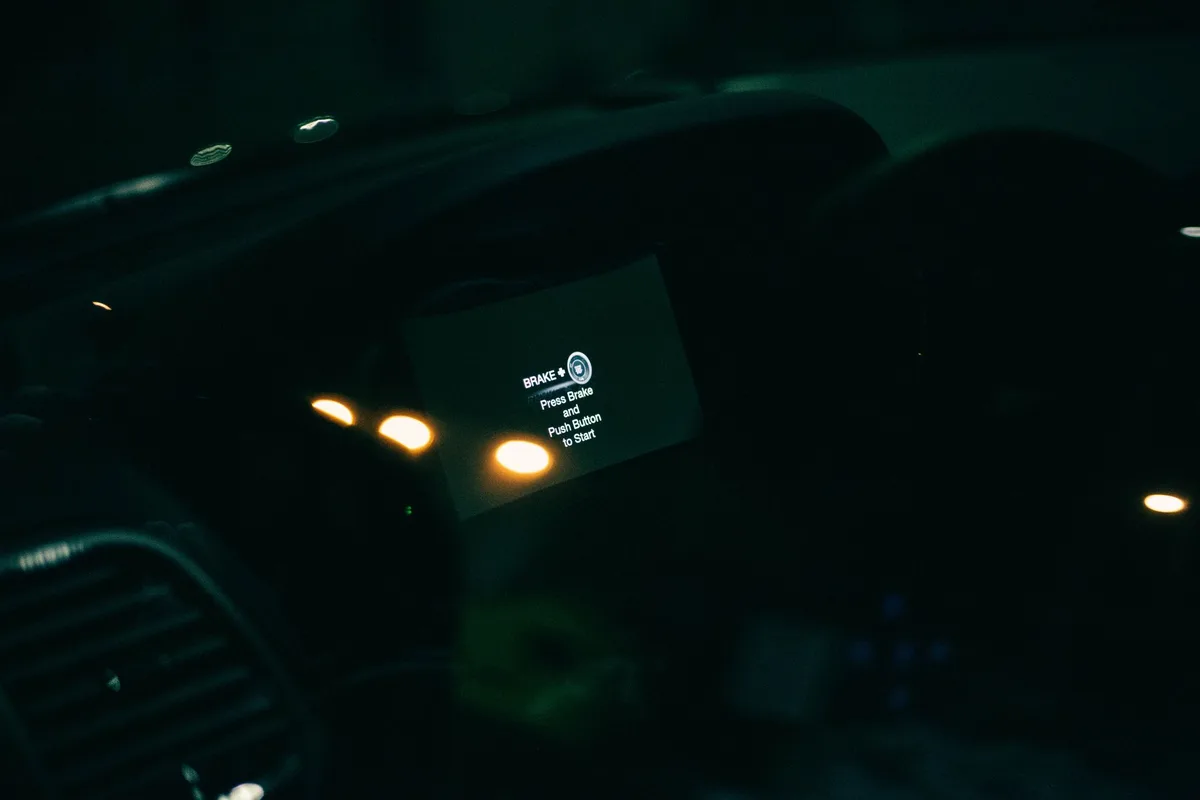
This is the most obvious and immediate consequence. When the battery is dead, there isn't enough electrical current to power the starter motor, which means your engine can't crank. You might hear a clicking sound or get complete silence when you turn the key.
All Electrical Systems Shut Down
Your battery powers everything electrical when the engine isn't running. If the battery is dead, you lose access to your headlights, interior lights, radio, climate control, and even your power door locks in some vehicles. It's like your car suddenly forgot how to do anything.
The Alternator Can't Do Its Job
Here's something many people don't realize. The alternator charges the battery while you drive. But if the battery is completely dead, the alternator can't function properly either. This creates a domino effect — a dead battery can eventually lead to a dead alternator if not addressed.
You're Stranded
Without a working battery or jump-start, your car simply isn't going anywhere. This can be inconvenient at best and dangerous at worst, especially if it happens in bad weather, at night, or in an unfamiliar area.
Common Causes of a Dead Car Battery
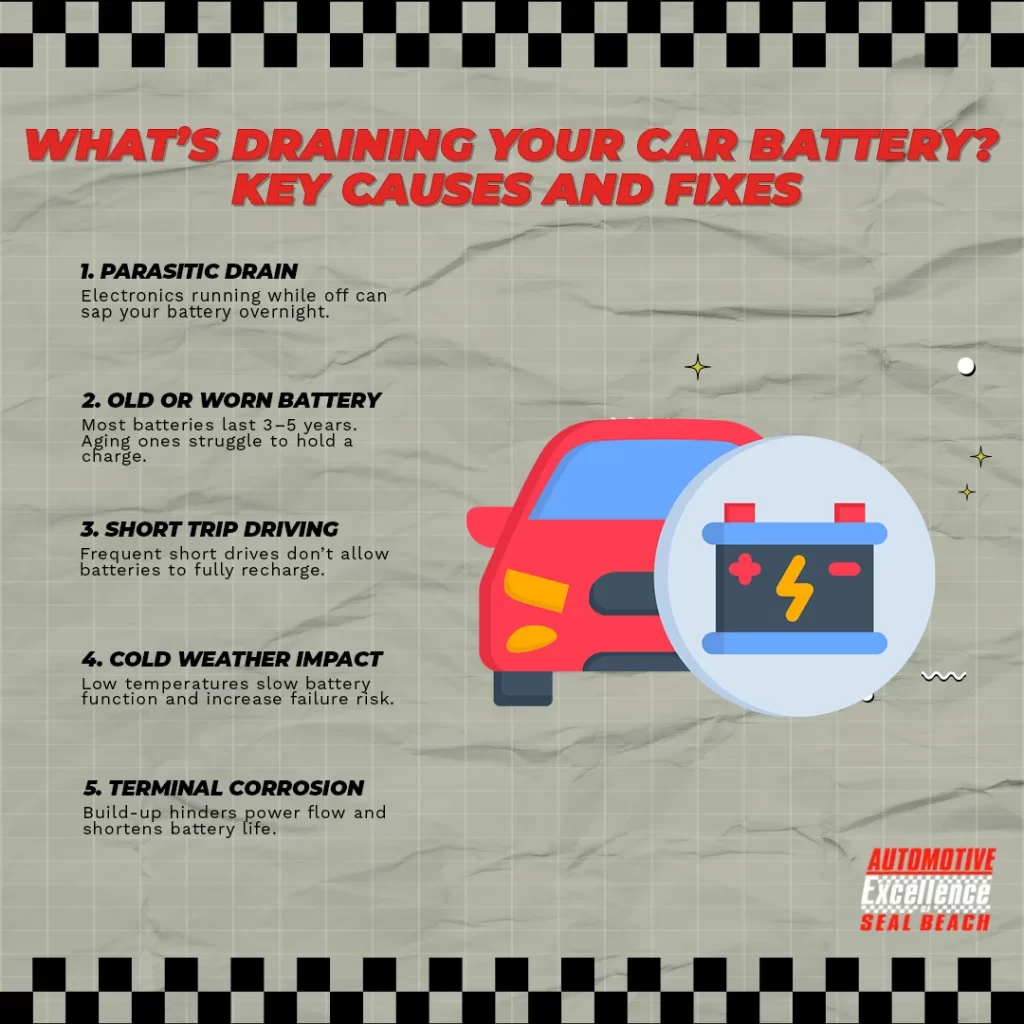
Understanding why your battery died in the first place can help you prevent it from happening again.
Leaving Lights or Accessories On
This is the classic mistake. Headlights, dome lights, or even a phone plugged into the cigarette lighter can slowly drain your battery overnight. I've made this mistake more times than I'd like to admit, and each time I promised myself I'd do a "light check" before walking away.
Parasitic Drain
Even when your car is off, small amounts of electricity keep things like your clock, alarm system, and computer memory running. This is called parasitic drain, and it's normal — but if something is drawing too much, it can kill your battery.
Extreme Temperatures
Cold weather slows down the chemical reactions inside your battery, reducing its ability to hold a charge. Hot weather causes the battery fluid to evaporate, which can lead to permanent damage. Both extremes are bad news.
Faulty Alternator
If your alternator isn't charging your battery properly, your battery will eventually run out of juice even while you're driving. The alternator and battery work as a team, and if one fails, the other usually suffers too.
Old Age
Like all things, car batteries have a lifespan. Most last between three and five years. If yours is older than that, it's living on borrowed time.
Corroded or Loose Battery Terminals
Corrosion around the battery terminals can prevent electricity from flowing properly. A quick cleaning with a wire brush and baking soda solution can sometimes solve the problem.
What to Do When Your Car Battery Dies
Okay, so your battery is dead. Now what? Here are your options, ranked from easiest to most involved.
Try a Jump Start
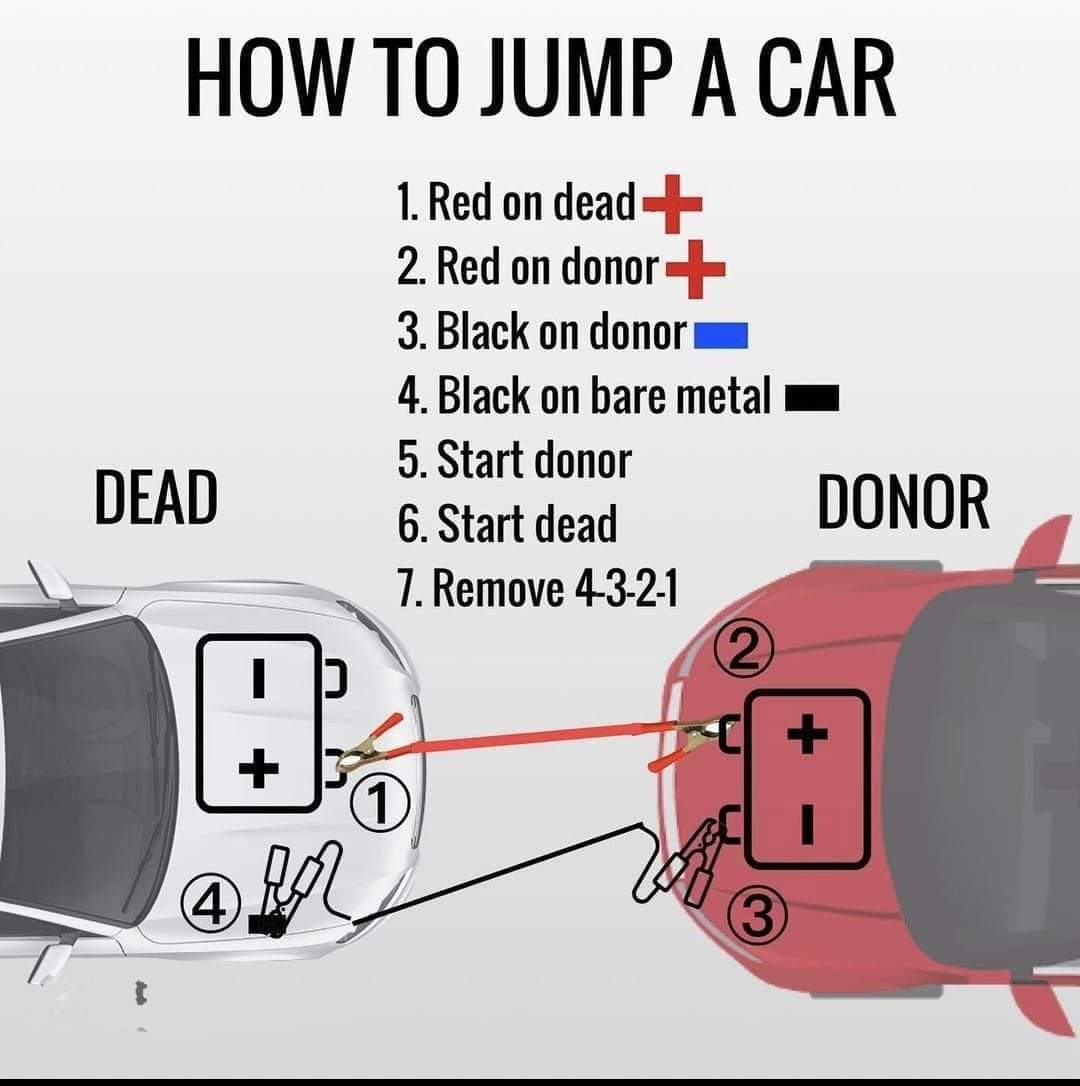
Jump-starting is the fastest way to get back on the road. You'll need jumper cables and another running vehicle. Connect the positive (red) cable to the positive terminal on both batteries, then connect the negative (black) cable to the negative terminal on the good battery and a metal ground on the dead car. Start the working car, let it run for a few minutes, then try starting yours.
I've jump-started countless cars, and it never gets old. There's something satisfying about bringing a dead vehicle back to life with a few simple cables.
Call for Roadside Assistance
If you don't have cables or another car nearby, roadside assistance is your best friend. Services like AAA or your insurance provider can send help quickly. Many new cars even come with complimentary roadside assistance for the first few years.
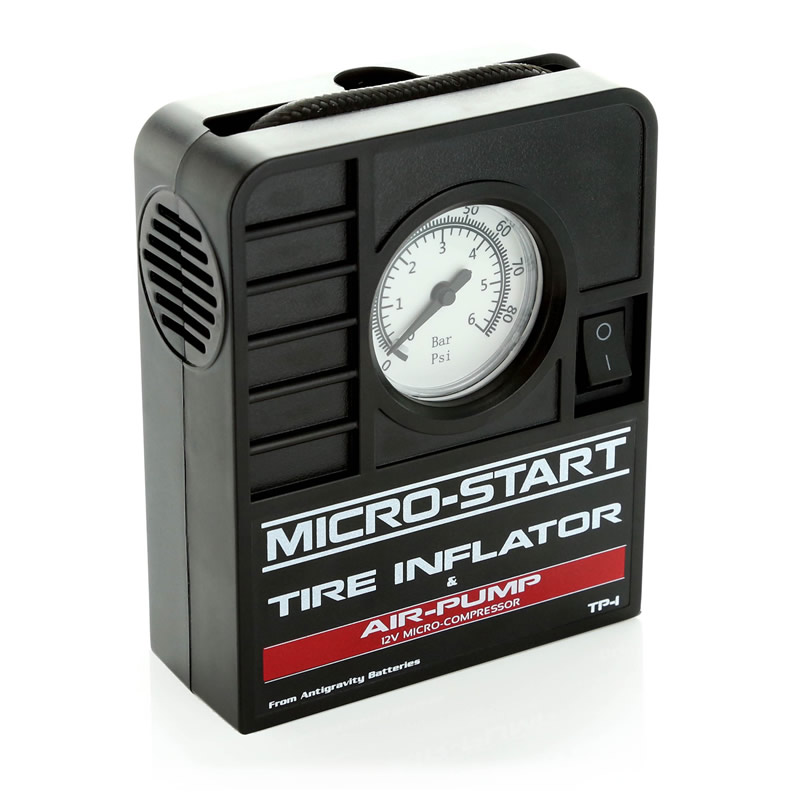
Use a Portable Jump Starter
These compact battery packs have become game-changers. They fit in your glove box, and you don't need another car to use them. I keep one in my trunk at all times — it's like insurance for your battery.
Replace the Battery
Sometimes a jump-start is just a temporary fix. If your battery is old or damaged, you'll need a replacement. Most auto parts stores can test your battery and install a new one on the spot.
Tow It to a Mechanic
If the battery isn't the problem — say, it's actually the alternator — your car may need professional attention. In that case, towing is the safest option.
How to Prevent Your Car Battery from Dying
An ounce of prevention is worth a pound of cure, especially when it comes to car batteries. Here are some simple habits that can extend your battery's life.
Drive Your Car Regularly
Short trips don't give your alternator enough time to fully recharge the battery. If you leave your car sitting for weeks at a time, the battery will slowly lose its charge. Try to drive it at least once a week for 20–30 minutes.
Keep Terminals Clean
Corrosion is the enemy. Check your battery terminals every few months and clean them if needed. A mixture of baking soda and water works wonders.
Turn Off All Accessories Before Shutting Off the Engine
Make it a habit to check your lights, radio, and climate control before turning off the car. This small habit can save you from a lot of frustration.
Park in a Garage During Extreme Weather
If possible, park indoors during very hot or very cold weather. Batteries hate temperature extremes, and a little shelter can go a long way.
Get Your Battery Tested Regularly
Most auto parts stores will test your battery for free. A quick annual check can tell you if your battery is still in good shape or if it's time to start shopping for a replacement.
Disconnect the Battery if Storing Long-Term
If you're storing your car for more than a month, consider disconnecting the battery or using a trickle charger. This prevents parasitic drain from killing your battery while you're away.
Common Myths About Dead Car Batteries
There are a lot of old wives' tales out there about car batteries. Let's bust a few.
Myth: A Dead Battery Means It's Ruined
Not true. A battery that's simply discharged — from leaving the lights on, for example — can usually be recharged and used again. However, if it's physically damaged or very old, replacement is the only option.
Myth: Jump-Starting Your Car Damages It
When done correctly, jump-starting is perfectly safe. The key is to follow the right order when connecting cables and to avoid touching the clamps together.
Myth: You Should Rev the Engine After a Jump Start
Modern cars don't need to be revved. Just let the engine idle for a few minutes, and the alternator will do its job.
Myth: All Car Batteries Are the Same
They're not. Different vehicles require different battery sizes, cold cranking amps (CCA), and terminal configurations. Always check your owner's manual before buying a replacement.
When to Replace vs. Repair Your Battery
Sometimes a simple recharge is all you need. Other times, replacement is the only option. Here's how to tell the difference.
Replace If:
- The battery is more than four years old
- The case is cracked, swollen, or leaking
- The battery won't hold a charge after multiple jump-starts
- You see heavy corrosion that keeps coming back
Recharge If:
- The battery is relatively new
- The issue was caused by leaving lights on
- The battery tests as healthy but simply discharged
If you're unsure, most auto parts stores will test your battery for free and give you an honest recommendation.
Final Thoughts on What Happens When Your Car Battery Dies
A dead car battery is one of those everyday hassles that can feel like a major crisis, especially when you're in a rush. But once you understand what's happening under the hood — and why it happens — the whole situation becomes a lot less intimidating. Whether it's a quick jump-start, a new battery, or just better habits moving forward, you've got plenty of options. Keep jumper cables or a portable jump starter in your car, check your battery regularly, and don't ignore those early warning signs. A little attention now can save you a lot of headaches later.
Frequently Asked Questions About What Happens When Your Car Battery Dies
Can a dead car battery recharge itself?
No, a car battery cannot recharge itself. It needs an external power source like an alternator or a battery charger to regain its charge.
How long does it take to jump-start a dead battery?
It usually takes about five to ten minutes of running the donor car before trying to start yours. After a successful jump, drive for at least 20 minutes to allow the alternator to recharge the battery.
Is it safe to drive with a dying battery?
It's risky. A dying battery can leave you stranded, and it may indicate a failing alternator, which can cause your car to stall while driving.
How much does it cost to replace a car battery?
Prices vary depending on the vehicle and battery type, but most car batteries cost between $75 and $200. Installation is often free at auto parts stores.
Can cold weather kill a car battery?
Yes. Extreme cold can slow the chemical reactions inside a battery, reducing its ability to hold a charge. In very low temperatures, an old or weak battery can die overnight.
Conclusion
A dead car battery doesn't have to ruin your day. With the right knowledge and a few simple tools, you can handle it confidently and get back on the road fast. Remember to keep an eye on those warning signs, maintain your battery regularly, and always be prepared with jumper cables or a portable jump starter. If you found this guide helpful, share it with a friend who could use the tips — and drop a comment below with your own battery-saving tricks!