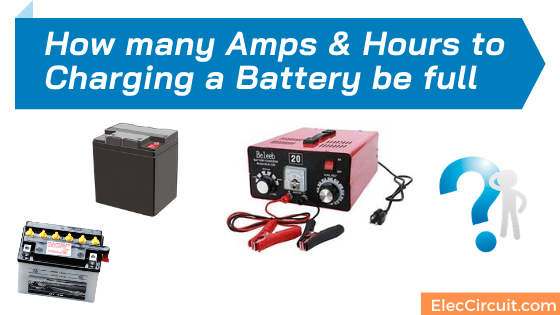
Most car batteries charge best at 2 to 10 amps, with 4 amps being the safest and most common rate for slow, steady charging.
Figuring out the right amperage for charging your car battery can feel like guessing if you have never done it before. Too many amps and you risk overheating or damaging the battery. Too few and you wait forever for a full charge. After years of working with vehicles and helping them figure out battery issues, I have learned that the "right" amps really depends on your battery size, type, and how much time you have. Let me walk you through everything you need to know so you can charge with confidence and avoid the common mistakes that shorten battery life.
Understanding Car Battery Charging Amps
Charging amps refer to the rate at which electrical current flows from your charger into the battery. Think of it like filling a swimming pool with a garden hose versus a fire hose. Both get the job done, but the speed and pressure are very different. When we talk about car battery charging, amps matter because they determine how fast energy moves back into the cells and how much heat gets generated along the way.
Your battery has a capacity measured in amp-hours (Ah). A typical car battery ranges from 40 Ah to 80 Ah. The general rule most experienced mechanics follow is charging at 10 percent of the battery's Ah rating. That means a 50 Ah battery would ideally charge at around 5 amps. Going higher creates heat, which is the enemy of battery longevity. Going much lower just takes longer but is gentler on the plates inside.
There are two main types of chargers you will encounter: manual chargers and automatic smart chargers. Manual chargers let you set the amp rate yourself. Smart chargers detect the battery's condition and adjust the amps automatically. Both work well, but smart chargers take the guesswork out and are much safer for beginners.

The Ideal Charging Amperage for Most Car Batteries
For a standard 12-volt lead-acid car battery, the sweet spot is between 2 and 10 amps. Most automotive experts recommend 4 amps as a great middle-ground setting for overnight charging. It is slow enough to protect the battery but fast enough to give you a meaningful charge in 8 to 12 hours.
Here is a quick breakdown by common scenarios:
- 2 amps: Trickle charging. Best for long-term maintenance or topping off a slightly discharged battery. Takes 24+ hours for a full charge.
- 4 amps: Slow charging. Perfect for overnight charging at home. Safe for most battery types and balances speed with battery health.
- 10 amps: Standard charging. Good when you need the battery ready in a few hours and the battery is in good condition.
- 20 amps or higher: Fast charging. Only for emergency situations or specific AGM batteries designed to handle high rates.
I once made the mistake of using a 30-amp setting on an old battery because I was in a hurry. The battery got warm to the touch, and the electrolyte started bubbling visibly. I quickly turned it down and learned my lesson. High amps push current too fast, which can warp plates and boil off the acid inside.
Different Battery Types and Their Amp Requirements
Not all car batteries are the same, and the type you have changes how many amps you should use. Most people do not realize that a battery's chemistry plays a huge role in safe charging rates.
Flooded Lead-Acid Batteries
These are the most common and least expensive. They can handle a wider range of charging amps but still prefer slow, steady rates. Charging at 4 to 6 amps is ideal for a flooded battery in normal condition. These batteries can handle up to 10 amps without much issue if they are not deeply discharged.
AGM Batteries
Absorbent Glass Mat batteries are more sensitive and charge more efficiently at slightly lower rates. AGM batteries should generally be charged at no more than 10 amps unless the manufacturer specifies otherwise. Many AGM batteries actually prefer a slower 2 to 4 amp charge to reach full capacity without damage.
Gel Batteries
Gel batteries are the most sensitive of the three. They require very slow charging, usually 2 to 5 amps maximum. Charging them too fast can create permanent bubbles in the gel electrolyte, which ruins the battery. Always check your battery label before charging.
Lithium-Ion Car Batteries
These are becoming more common in modern vehicles. Lithium batteries can accept much higher charging amps without damage, but they require a charger specifically designed for lithium chemistry. Using a standard lead-acid charger on a lithium battery can be dangerous.
How to Calculate the Right Amps for Your Battery
Doing the math yourself is actually pretty easy once you know your battery's amp-hour rating. You will usually find this printed on the battery label or in your owner's manual.
- Step 1: Find the Ah rating on your battery. Common values are 45 Ah, 55 Ah, 65 Ah, and 75 Ah.
- Step 2: Multiply the Ah rating by 0.1 to get the ideal charging amps. So a 60 Ah battery would charge best at 6 amps.
- Step 3: Round down to the nearest available setting on your charger. Chargers usually come in 2, 4, 6, 8, and 10 amp options.
This formula works because charging at 10 percent of capacity gives the battery enough time to absorb the energy without overheating. Some batteries can handle 20 percent or even 30 percent for short periods, but 10 percent is the gold standard for maximizing battery lifespan.
If your battery is deeply discharged below 10 volts, drop the amps even lower. Start at 2 amps and let it charge slowly for several hours before increasing. Deeply discharged batteries cannot accept high current right away and can be permanently damaged if you try to force too much in too quickly.
How Long Does Charging Take at Different Amps?
Time is usually the deciding factor when picking an amp setting. Here is what you can generally expect:
- 2 amps: 24 to 48 hours for a full charge from empty
- 4 amps: 12 to 24 hours for a full charge from empty
- 6 amps: 8 to 16 hours for a full charge from empty
- 10 amps: 4 to 8 hours for a full charge from empty
- 20 amps: 2 to 4 hours for a full charge from empty
These estimates assume a completely dead battery. If your battery just needs a top-off after a few days of sitting, the time drops significantly. A battery at 50 percent charge will only take about half as long to reach full as one at 0 percent.
One trick I have learned over the years is to charge at the lowest amp setting you can realistically wait for. Slow charging does a better job of equalizing the cells inside the battery, which means all the plates get fully charged. Fast charging tends to leave some cells partially charged, which leads to uneven wear over time.
Common Mistakes to Avoid When Charging
After helping countless drivers troubleshoot battery problems, I have seen the same mistakes repeated over and over. Avoiding these will save you money and frustration.
- Charging at too high an amp rate for too long
- Leaving the battery on a charger for days without checking it
- Not cleaning the battery terminals before charging
- Charging a frozen battery, which can cause it to crack
- Ignoring the battery temperature during charging
- Using a charger without a float mode for long-term connections
I learned the hard way about temperature monitoring. I once left a battery charging overnight and woke up to find the case slightly swollen. The charger had been pushing too many amps for too long, and the battery had overheated. Now I always check the battery every few hours during charging. If it feels hot to the touch, I cut the amps immediately.
Best Practices for Safe and Effective Charging
Following a few simple habits will extend your battery life and keep you safe. Charging a car battery involves electricity and sometimes corrosive acid, so taking it seriously matters.
- Always charge in a well-ventilated area. Charging produces hydrogen gas, which is explosive in enclosed spaces.
- Wear safety glasses and gloves when handling batteries.
- Make sure the charger is off before connecting or disconnecting clamps.
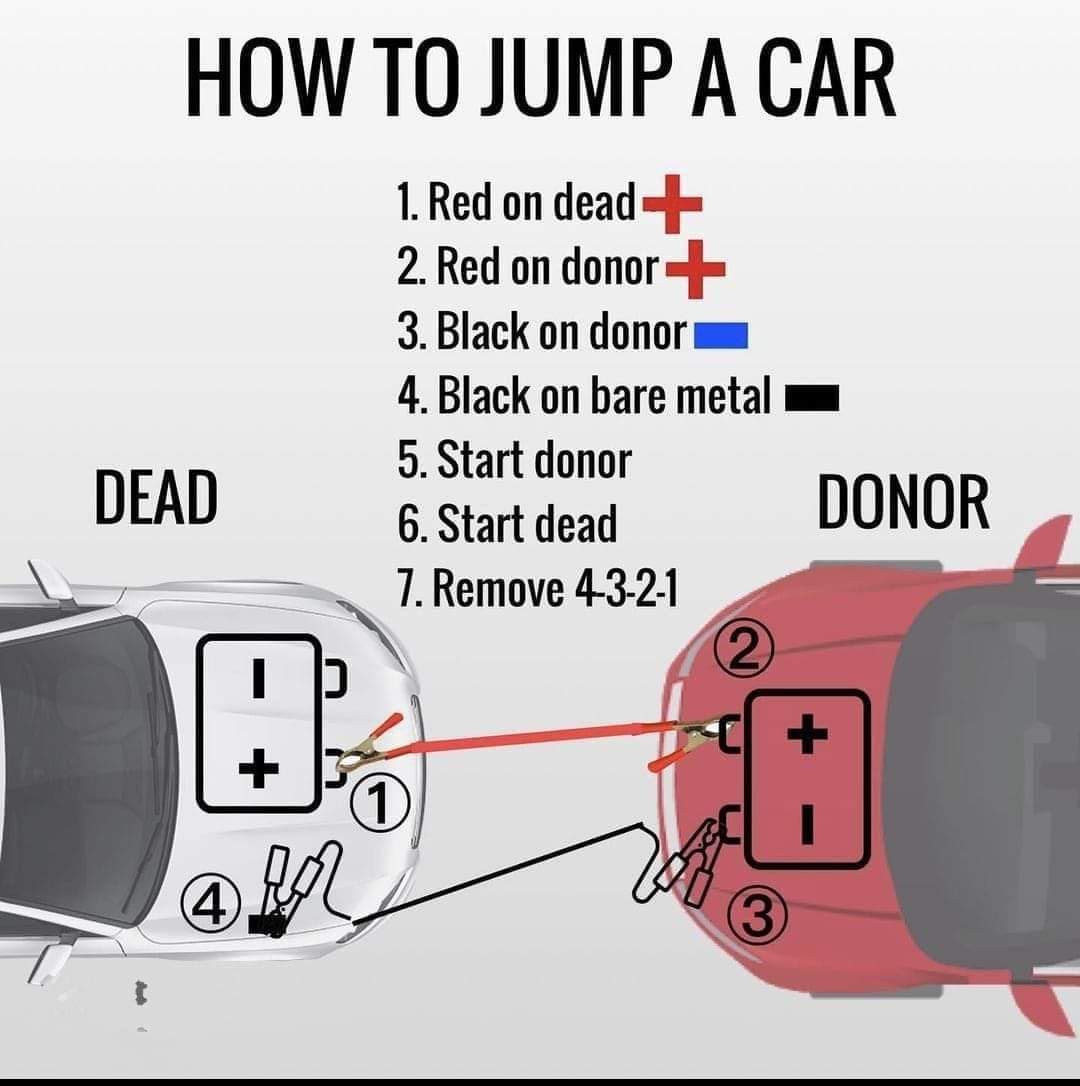
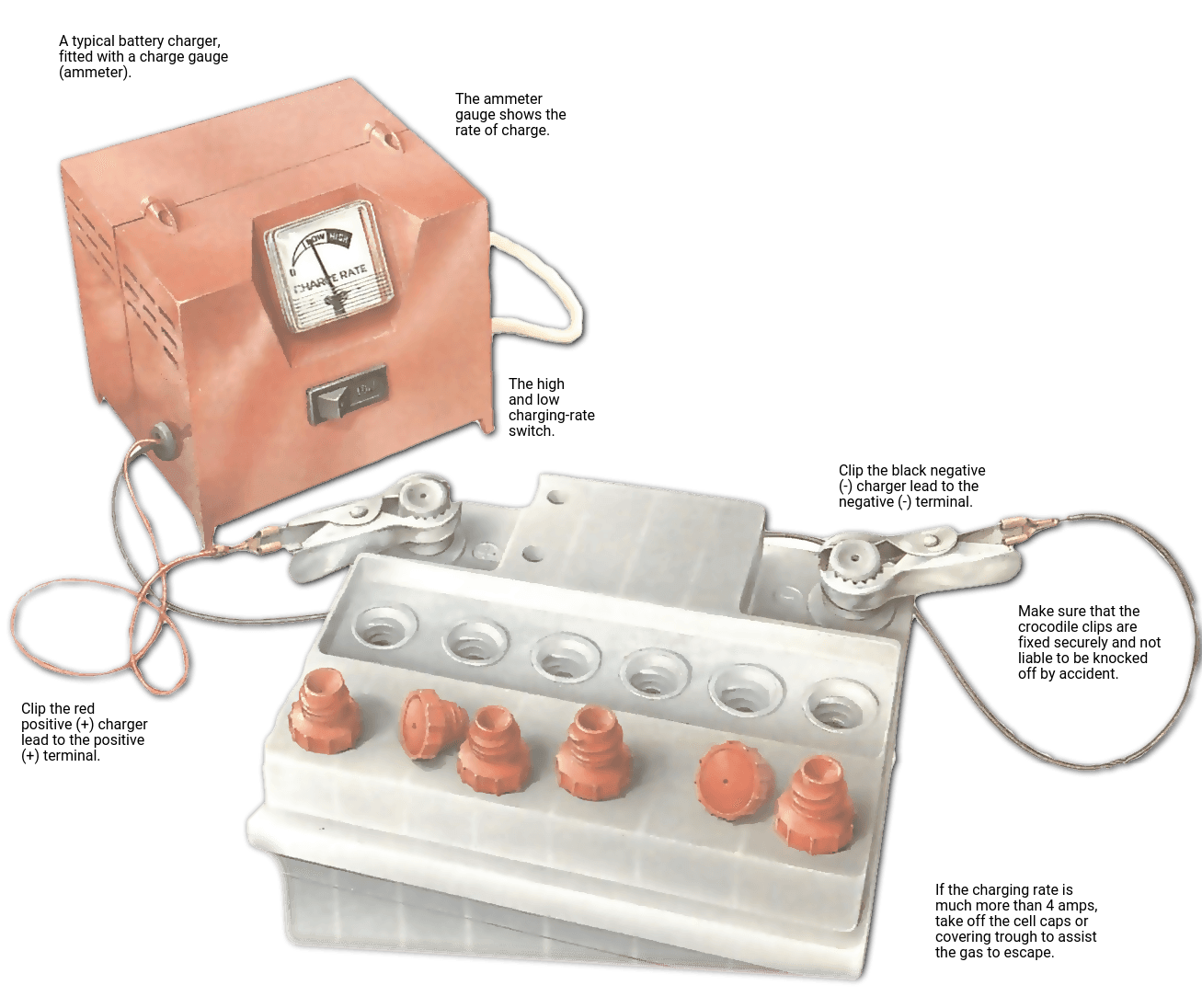
- Connect the positive clamp first, then the negative clamp.
- Disconnect in reverse order: negative first, then positive.
- Keep the charger as far from the battery as the cables allow.
- Check the electrolyte level in flooded batteries before charging. Top off with distilled water if the plates are exposed.
Using a smart charger with multiple stages takes most of the guesswork out. These chargers go through bulk, absorption, and float stages automatically. The bulk stage charges at the highest safe amps, then absorption slows it down, and float maintains the full charge without overcharging. If you charge batteries often, investing in a quality smart charger pays for itself by extending how long your batteries last.
Tools and Equipment You Need
You do not need a lot of fancy gear to charge a car battery at home. Here is the basic kit:
- A battery charger with adjustable amp settings
- Safety glasses and gloves
- A wire brush for cleaning terminals
- A voltmeter or multimeter for checking voltage
- Distilled water for flooded batteries
- A memory saver if you are charging without disconnecting the battery
A good entry-level option is a 6-amp smart charger with automatic shutoff. These typically cost $30 to $60 and work for most cars, motorcycles, and lawn equipment. As you get into higher-end vehicles with AGM or lithium batteries, you may want to upgrade to a charger designed specifically for those chemistries.
Signs You Are Charging at the Wrong Amps
Your battery and charger will tell you when something is wrong if you pay attention. Catching these signs early prevents permanent damage.
- Battery case feels hot or warm during charging
- Visible bubbling or hissing from the vents
- Strong sulfur or rotten egg smell
- Battery voltage rising above 14.4 volts quickly
- Charger getting excessively hot
- Battery not reaching full charge after extended charging
Any of these mean you need to lower the amp rate immediately. Disconnect the charger and let the battery cool down before trying again at a lower setting. If problems persist even at 2 amps, the battery may be too far gone to save. At that point, replacement is usually your best option.

Frequently Asked Questions
Can I charge my car battery at 40 amps?
Charging at 40 amps is too high for almost any car battery. This rate is reserved for heavy-duty commercial batteries or jump-starting scenarios. Charging a standard battery at 40 amps will cause overheating, warping of internal plates, and permanent capacity loss. Stick to 2 to 10 amps for regular charging.
Is it better to charge a car battery at 2 amps or 10 amps?
Neither is universally better since it depends on your situation. 2 amps is safer and gentler, making it ideal for deeply discharged batteries or long-term maintenance. 10 amps is faster and fine for batteries in good condition when you need the vehicle ready sooner. If you have time, slower charging always produces better results.
How many amps do I need to charge a dead battery?
A dead battery should start at 2 amps for the first few hours, especially if the voltage is below 10 volts. Once the voltage climbs above 11 volts, you can increase to 4 to 6 amps to finish the charge. This staged approach prevents damage and gives the battery time to recover.
Can I leave a 2-amp charger on overnight?
Yes, a 2-amp charger is safe to leave connected for long periods, especially if it has a float mode. Many people leave 2-amp trickle chargers connected for weeks during winter storage without issues. Just check the connections periodically to make sure they remain clean and secure.
What happens if I charge a battery with too many amps?
Charging with too many amps generates excessive heat, which boils the electrolyte and warps the lead plates. Over time, this reduces the battery's capacity and shortens its lifespan. In severe cases, the battery can swell, leak, or even explode. Always use the lowest amp setting you can wait for.
How do I know when my car battery is fully charged?
A fully charged 12-volt battery will read between 12.4 and 12.7 volts at rest, with no surface charge. If you have a smart charger, it will indicate when charging is complete. You can also check with a voltmeter about an hour after disconnecting the charger for the most accurate reading.
Conclusion
Choosing the right amps to charge your car battery comes down to knowing your battery's size, type, and condition. For most drivers, 4 amps is the perfect balance between speed and safety, giving you a full charge overnight without risking damage. If you have more patience, 2 amps is even gentler on the battery and produces better long-term results. For emergency situations, 10 amps will get you back on the road faster but should not be your default setting.
The most important thing is to match your charger's amperage to your battery's needs and always prioritize slow, steady charging over fast fixes. Take care of it properly, and your battery will reward you with reliable starts for years to come.