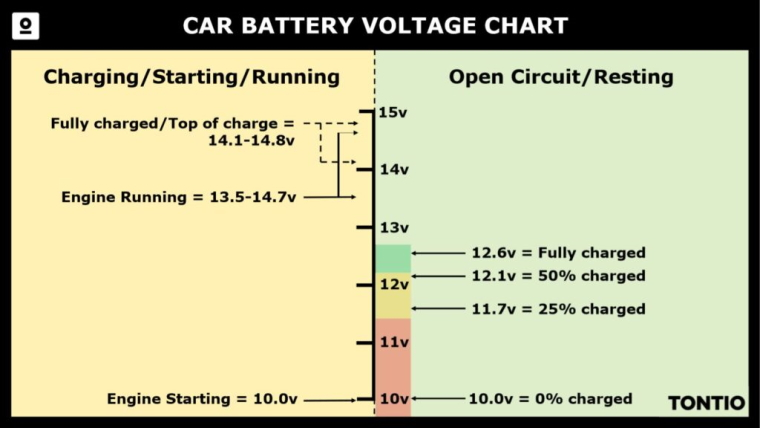
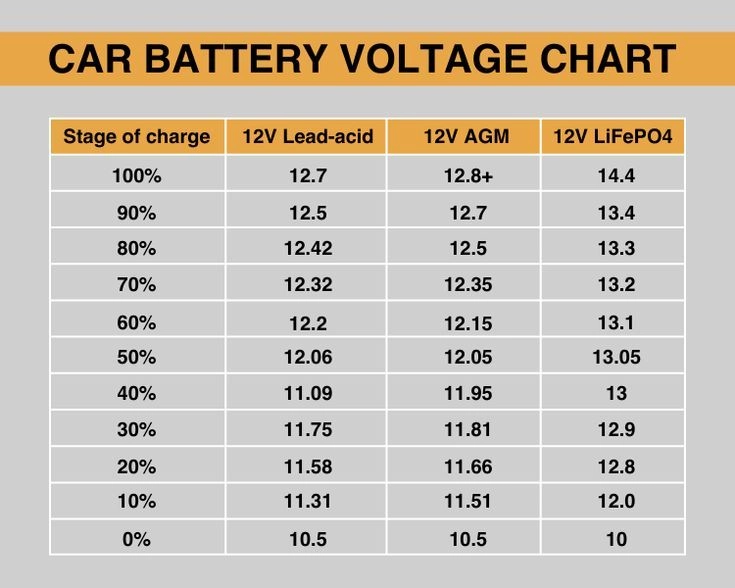
You generally need at least 12.6 volts to start a car, with a healthy resting voltage between 12.4 and 12.7 volts.
If you've ever turned your key only to hear a clicking sound or nothing at all, you already know how frustrating a weak battery can be. I've been there myself — standing in a freezing parking lot, jumper cables in hand, wondering if my battery was truly dead or just having a bad day. Over the years, I've learned that understanding battery voltage isn't just for mechanics. It's a simple skill that can save you time, money, and a lot of stress. In this guide, I'll walk you through exactly what voltage your car needs to start, how to check it, what makes it drop, and how to keep your battery healthy for the long run.
Understanding Car Battery Voltage Basics
Your car's battery is the heart of its electrical system. Most vehicles run on a 12-volt lead-acid battery, even though the actual voltage fluctuates depending on whether the engine is running or not.
Here are the key voltage ranges you should know:
- 12.6 volts or higher: Fully charged and healthy.
- 12.4 volts: Still good, but slightly undercharged.
- 12.2 volts: Around 50% charged. May struggle in cold weather.
- 12.0 volts or below: Discharged. Likely needs a jump or replacement.
- 11.8 volts or less: Severely discharged. Most vehicles won't start.
When you turn the key or press the start button, voltage temporarily drops because the starter motor draws a huge amount of current. This is normal. What matters is the resting voltage before you try to start the car.
How Voltage Relates to Starting Power
Voltage and cold cranking amps (CCA) work together. Voltage gives the push, while CCA delivers the raw power needed to turn the engine over.
Think of it this way: voltage is the water pressure in a hose, and CCA is the width of the hose. You need both to get a strong flow.
When you attempt to start your car, the voltage should stay above 10 volts while cranking. If it drops below that, the battery is weak or the starter is drawing too much power.
Minimum Voltage Needed to Start a Car
The sweet spot for starting most cars is between 12.4 and 12.7 volts at rest. Once you turn the key, it may dip to 10-11 volts during cranking, which is perfectly fine.
Here's a simple voltage guide based on real-world testing:
- 12.6V+: Starts easily in any weather.
- 12.4V: Starts fine in warm conditions, may struggle in cold.
- 12.2V: Risky. Likely won't start in winter.
- 12.0V or less: Won't start. Needs charging or replacement.
If your battery reads below 12.0 volts after sitting overnight, it's either deeply discharged or failing.
Factors That Affect Starting Voltage
Several things can drain your battery or lower its voltage. From my own experience, these are the most common culprits:
- Cold weather: Batteries lose up to 35% of their strength in freezing temperatures.
- Short trips: Never give the alternator enough time to recharge the battery.
- Old age: Most car batteries last 3-5 years. After that, voltage drops quickly.
- Parasitic drain: Things like interior lights, alarms, or faulty wiring can slowly pull power.
- Corroded terminals: Dirty or loose connections reduce voltage flow.
- Bad alternator: If the alternator isn't charging properly, the battery won't recover.
I once had a battery that tested fine at 12.5 volts but still wouldn't start my car. Turns out the terminals were covered in corrosion. A quick cleaning with a wire brush and baking soda solved the problem.
How to Test Your Car Battery Voltage
Testing your battery is easier than you think. You don't need to be a mechanic to do it.
Here's a step-by-step process:
- Turn off your car and remove the key.
- Wait at least 30 minutes to get a true resting voltage.
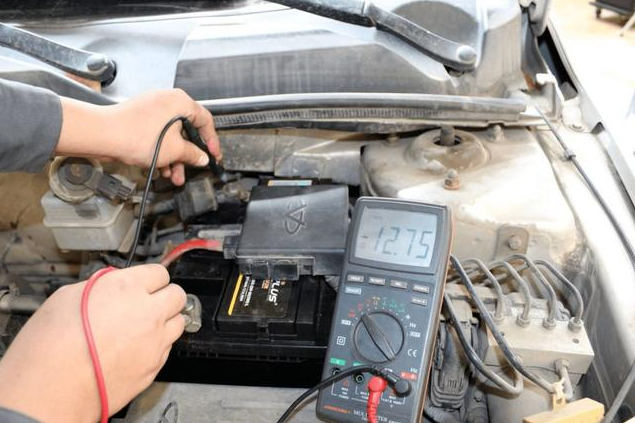
- Set your multimeter to 20V DC.
- Connect the red probe to the positive (+) terminal.
- Connect the black probe to the negative (-) terminal.
- Read the voltage on the screen.
If you don't have a multimeter, many auto parts stores will test your battery for free. It's a quick and painless process.
How to Maintain Proper Battery Voltage
Keeping your battery in good shape doesn't require much effort. A little care goes a long way.
Here are some habits that have saved me from dead batteries more than once:
- Drive your car regularly, especially on longer trips.
- Keep the terminals clean and tight.
- Avoid leaving lights or accessories on when the engine is off.
- Park in a garage during extreme cold.
- Use a battery maintainer if you store your car for weeks.
- Check the voltage monthly if your car is over three years old.
A simple once-a-month check can help you spot problems before they leave you stranded.
What to Do If Your Battery Voltage Is Low
If your battery voltage is below 12.0 volts, don't panic. There are a few ways to bring it back to life.
- Jump-start: Use jumper cables and another running vehicle.
- Portable jump starter: A compact device that doesn't require another car.
- Battery charger: A trickle charger can slowly restore voltage over several hours.
- Drive the car: A 30-minute drive may recharge a mildly drained battery.
If your battery drops below 11.8 volts and won't hold a charge, it's time for a replacement. No amount of charging will fix a battery that's reached the end of its life.
Differences Between Gas and Diesel Engine Requirements
Diesel engines often need more cranking power, which means they require stronger batteries. Many diesel trucks use two batteries or a single battery with higher CCA ratings.
Here's how they compare:
- Gas engines: Typically need 400-600 CCA.
- Diesel engines: Often need 800-1,000+ CCA.
Because diesel engines compress more fuel, they need more voltage and amps to turn over. If you drive a diesel, keep a close eye on voltage, especially in cold weather.
Signs Your Voltage Is Too Low to Start the Car
Your car usually gives you warning signs before the battery dies completely. Here are the most common red flags:
- Slow-cranking engine.
- Dim headlights or interior lights.
- Clicking sound when turning the key.
- Dashboard warning lights.
- Electrical issues like weak radio or power windows.
If you notice any of these, test your voltage right away. Catching it early can save you from a no-start situation.
Frequently Asked Questions
Is 11.9 volts enough to start a car?
No, 11.9 volts is too low. Most cars need at least 12.2 volts to start reliably. At 11.9 volts, the battery is deeply discharged and may not have enough power to crank the engine.
What voltage is too low for a car battery?
Anything below 12.0 volts is considered low. A healthy resting voltage should be between 12.4 and 12.7 volts. If your battery consistently reads below 12.2 volts, it likely needs charging or replacement.
Can a car start with 12.2 volts?
Yes, a car can usually start with 12.2 volts, especially in warm weather. However, in cold conditions, it may struggle. It's a sign your battery is partially discharged and needs attention soon.
How many volts does a car battery need to start in cold weather?
In cold weather, you need at least 12.4 volts at rest. The cranking voltage should stay above 10 volts. Cold reduces battery efficiency, so a fully charged battery is even more important in winter.
How long does it take to recharge a dead battery?
It depends on the method. A jump-start and 30-minute drive may give enough charge to start the car. A trickle charger can take 4-12 hours. A deeply discharged battery may need 24 hours for a full charge.
Conclusion
Understanding your car's battery voltage is one of the simplest yet most valuable skills any driver can have. A healthy battery sits at 12.6 volts or higher, and anything below 12.0 volts is a warning sign. Cold weather, short trips, and old age are common culprits, but with regular checks and basic maintenance, you can avoid most starting problems. Keep a portable jump starter in your trunk, clean your terminals every few months, and test your voltage regularly — especially before winter. A little attention now can save you from the frustration of being stranded later. If you've had your battery for more than four years, consider replacing it before it fails. Stay proactive, stay charged, and you'll never have to beg for a jump start on a cold morning again.