Car batteries die from age, extreme temperatures, corrosion, and leaving lights or electronics on too long.
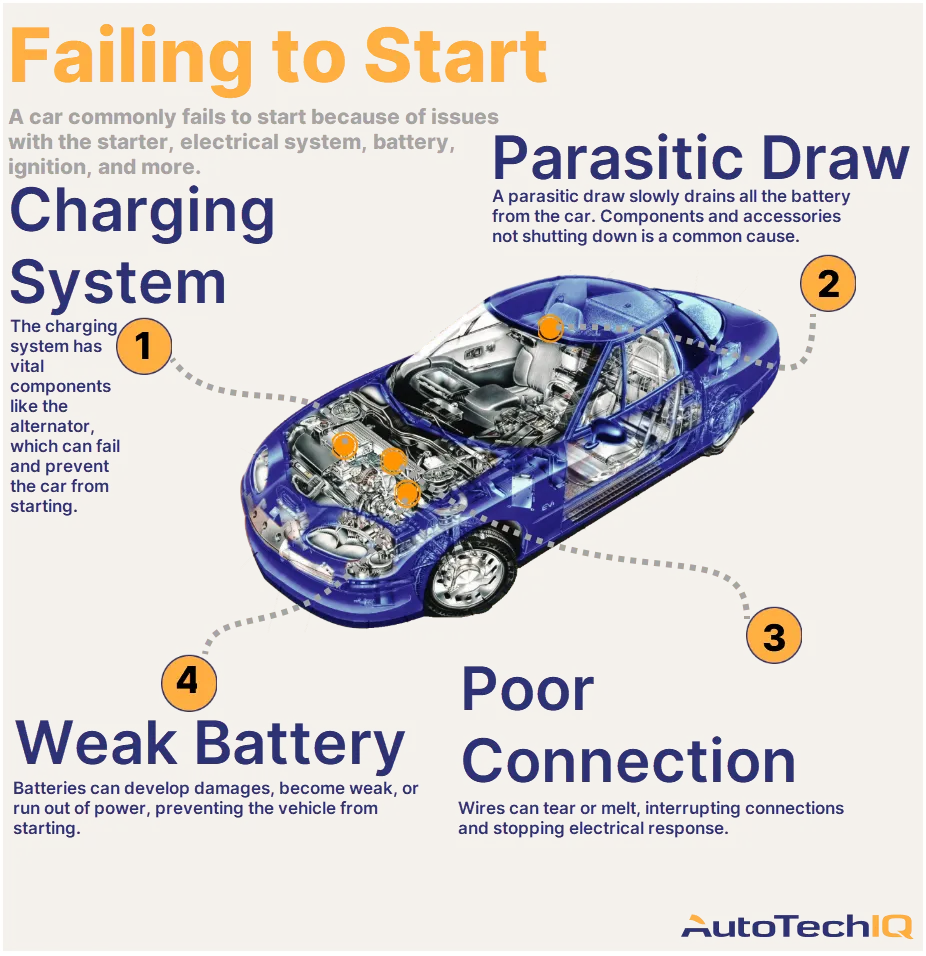
There's nothing worse than turning the key and hearing that dreaded clicking sound. I've been there, standing in a grocery store parking lot, late at night, wondering why my car decided to betray me. Over the years, I've learned that most battery problems don't happen out of nowhere. They build up slowly, and once you understand the warning signs, you can save yourself a lot of frustration and money.
How a Car Battery Actually Works
Before we talk about what kills a battery, it helps to understand what's happening under the hood. A typical 12-volt car battery is a lead-acid battery that stores chemical energy and converts it into electrical energy. That energy powers your starter motor, lights, radio, and all the little sensors that keep your car running.
Inside the battery are lead plates submerged in a mixture of sulfuric acid and water, known as electrolyte. When you turn the key, a spark triggers a chemical reaction that releases electrons. Those electrons flow through the cables and bring your engine to life. Once the engine is running, the alternator takes over and recharges the battery while you drive.
It's a simple but elegant system. The problem is, every part of that system can wear out or fail over time.
Common Reasons Car Batteries Go Bad
Heat and Extreme Temperatures
Most people think cold weather kills batteries, and it does, but heat is actually the bigger enemy. High temperatures speed up the chemical reaction inside the battery, which sounds like a good thing, but it actually causes the electrolyte to evaporate faster. Over time, this leads to internal damage and a shorter lifespan.
I've personally seen batteries in Arizona and Texas fail in just two years, while the same brand lasts five or six years in cooler climates. If you live somewhere hot, it's worth checking your battery's health every year before summer hits.
Cold weather doesn't help either. When temperatures drop, the battery's cranking power drops too. A weak battery that seemed fine in July might not have enough juice to start your engine in January.
Short Drives and Infrequent Use
Here's a scenario I run into all the time. Someone drives five minutes to the coffee shop, parks, and then drives five minutes home. That kind of trip never gives the alternator enough time to fully recharge the battery. Over weeks and months, the battery slowly drains below its optimal level, and the lead plates start to sulfate.
Sulfation happens when soft lead sulfate crystals form on the battery plates. A little bit is normal, but when a battery stays undercharged for too long, those crystals harden and reduce the battery's ability to hold a charge. Once sulfation sets in, it's very hard to reverse.
Leaving Accessories On
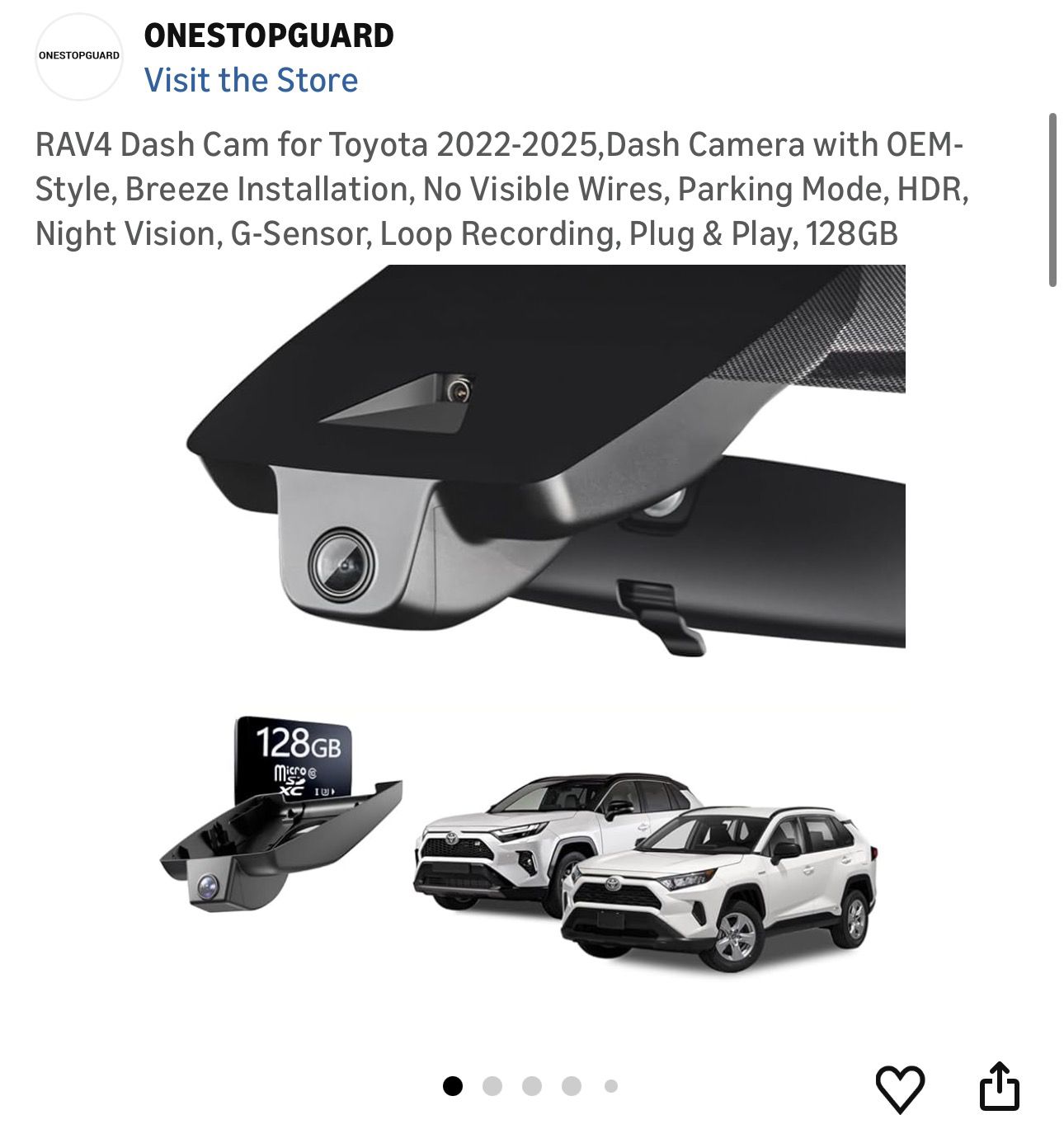
We've all done it. You park the car, grab your bag, and forget the headlights or dome light is still on. A modern car will usually warn you, but older models don't. Even something small like a phone charger or a plugged-in dashcam can slowly drain the battery overnight.
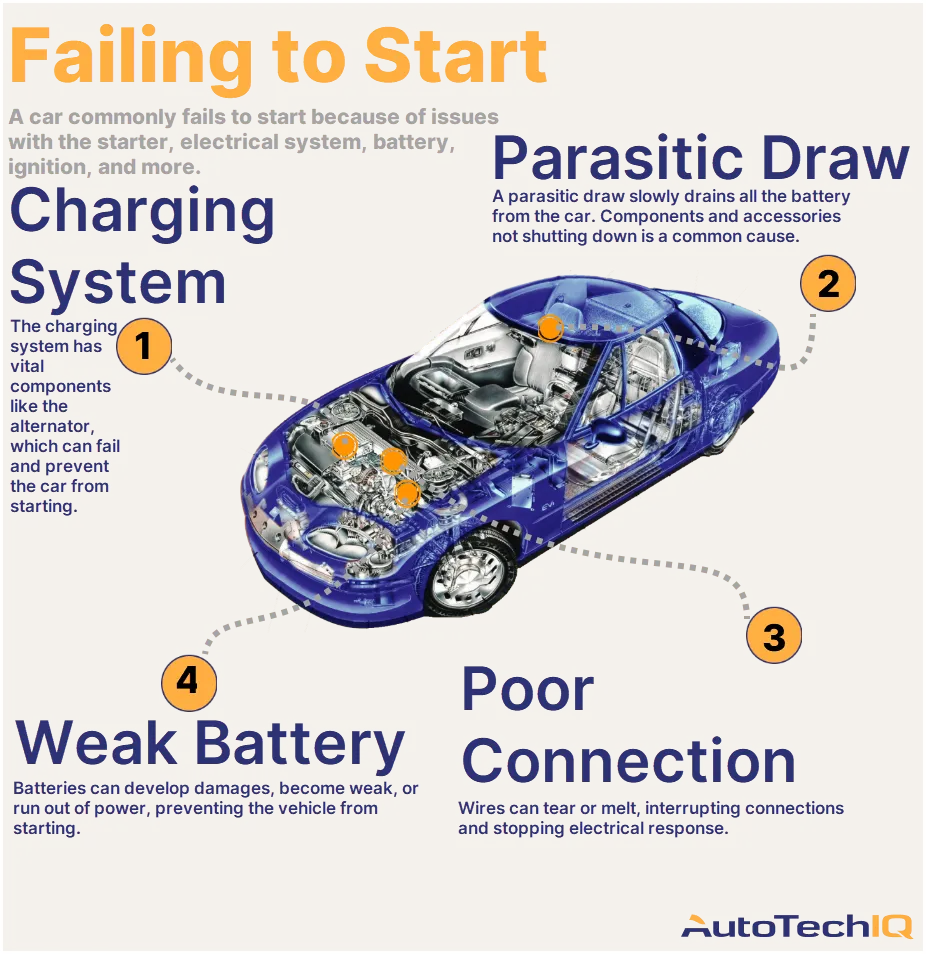
Parasitic drain is normal. Your clock, alarm system, and computer need a small amount of power even when the car is off. But when a faulty switch, stuck relay, or aftermarket accessory pulls too much current, the battery can die while you're sleeping.
Corrosion on the Terminals
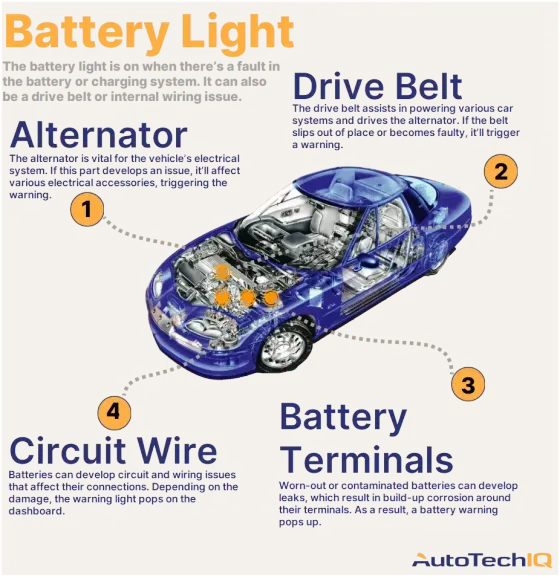
Take a look at your battery terminals. If you see a white, blue, or greenish powdery substance, that's corrosion. It builds up when battery acid reacts with the metal terminals and surrounding air. Corrosion acts like a resistor and prevents the battery from delivering full power to the starter.
Cleaning the terminals is easy. A mixture of baking soda and water, an old toothbrush, and a little elbow grease will do the job. After cleaning, apply a thin layer of dielectric grease or petroleum jelly to keep new corrosion from forming.
Age and Natural Wear
Even with perfect care, a car battery only lasts so long. Most lead-acid batteries have a lifespan of three to five years. After that, the internal plates start to break down, and the battery loses its ability to hold a full charge. You'll notice slower cranking, dimmer headlights, and occasional warning lights on the dash.
I've learned to mark the purchase date on my batteries with a small sticker. When the battery hits the four-year mark, I start testing it every few months. That way, I'm never surprised.
Vibrations and Poor Mounting
This one catches people off guard. If your battery isn't secured tightly in its tray, every bump in the road shakes the plates inside. Over time, those vibrations can crack the internal connections or damage the plates. Some batteries even leak acid when the casing cracks.
Always check that the hold-down bracket is tight. If you hear rattling when you drive over rough roads, pop the hood and make sure everything is snug.
Overcharging from a Bad Alternator
The alternator is supposed to charge the battery at a steady rate, usually between 13.7 and 14.7 volts. When the alternator's voltage regulator fails, it can push too much voltage into the battery. Overcharging boils away the electrolyte, warps the plates, and destroys the battery from the inside out.
A failing alternator usually shows warning signs. You might see a battery light on the dashboard, flickering headlights, or weird electrical behavior like windows rolling up slowly. If you notice any of these, get the charging system tested before it kills a perfectly good battery.
Low Electrolyte Levels
In traditional flooded lead-acid batteries, the electrolyte is liquid. If levels drop too low, the exposed plates oxidize and lose capacity. This usually happens in hot climates or when the battery has been overcharged.
Some batteries are sealed and maintenance-free, but if you have a serviceable battery, you can top it off with distilled water. Just make sure the plates are covered, and don't overfill.
Warning Signs Your Battery Is About to Fail
Catching a failing battery early can save you from a roadside headache. Here are the most common signs I look for:
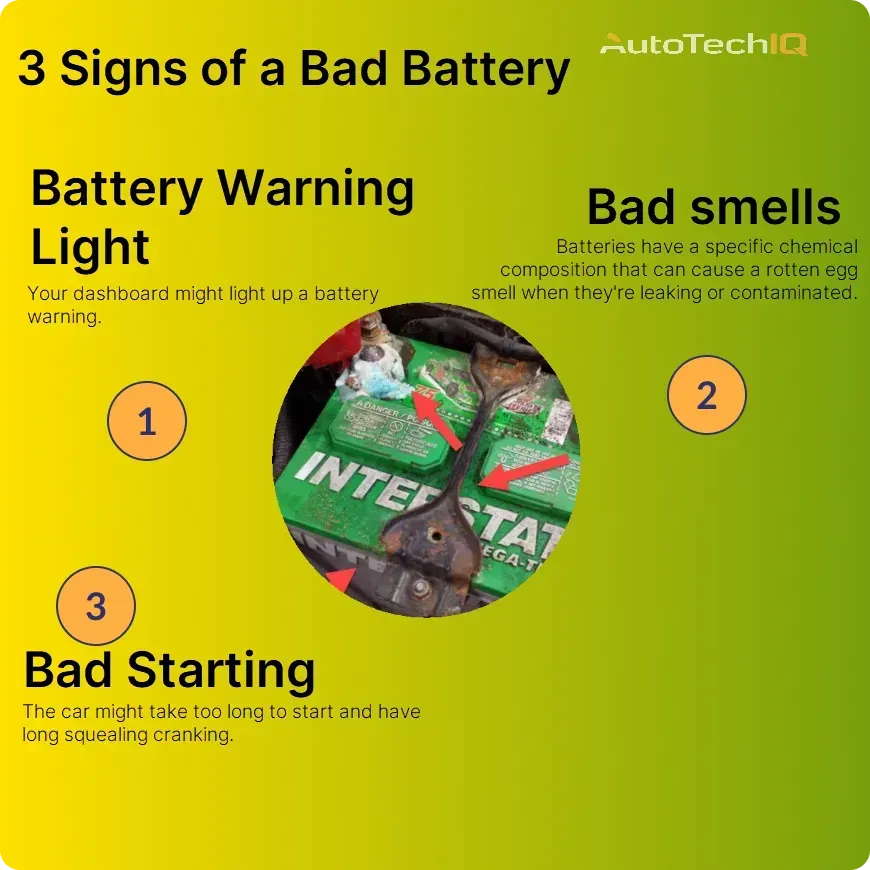
- The engine cranks slowly or makes a clicking sound when you turn the key
- Headlights look dim, especially at idle, and brighten when you rev the engine
- The battery warning light stays on or flickers while driving
- Electrical accessories act strange, like power windows moving slowly
- The battery case looks swollen or bloated, often from heat damage
- You smell something like rotten eggs, which usually means a leaking or damaged cell
Any one of these signs is a good reason to head to an auto parts store for a free battery test.
How to Extend the Life of Your Battery
You can't stop time, but you can slow down the aging process. These habits have helped me get the most out of every battery I've owned:
- Drive the car regularly and for longer stretches when possible
- Keep the terminals clean and protected with dielectric grease
- Make sure the battery is tightly secured in its tray
- Park in the shade or a garage during extreme heat
- Disconnect the battery if you plan to leave the car sitting for weeks
- Get the charging system tested once a year after the battery hits three years old
A little preventive care goes a long way. I've had batteries last well over five years just by following these simple steps.
When to Replace vs. Repair
Sometimes a battery just needs a good charge or a cleaning. Other times, replacement is the only option. If the battery is less than three years old, the terminals are clean, and there's no visible damage, a slow charge or a drive on the highway might bring it back to life.
If the battery is older, swollen, leaking, or won't hold a charge after several hours of charging, it's time for a new one. Trying to squeeze more life out of a dying battery usually leaves you stranded at the worst possible moment.
Frequently Asked Questions About Car Battery Failure
How long does a car battery usually last?
Most car batteries last between three and five years. In hot climates or with heavy electrical use, they may only last two or three years. In milder conditions and with regular long drives, some batteries reach six years.
Can a dead battery be recharged?
Yes, if the battery is still in good condition. A slow trickle charger can often restore a deeply discharged battery. If the battery won't hold a charge after several attempts or has visible damage, it needs to be replaced.
Does idling the car charge the battery?
Idling charges the battery a small amount. However, idling for long periods is inefficient and can actually leave the battery undercharged. The best way to recharge is to drive at road speeds for at least 20 to 30 minutes.
What kills a car battery the fastest?
Leaving the headlights or interior lights on overnight is one of the fastest ways to kill a battery. Extreme heat, a failing alternator, and long periods of sitting unused also drain batteries quickly.
Can a bad alternator damage a new battery?
Yes. A failing voltage regulator can push too much voltage into the battery, boiling the electrolyte and destroying the internal plates. Always test the alternator before installing a new battery to avoid wasting money.
Conclusion
Car batteries don't last forever, but they don't have to die unexpectedly either. Heat, short trips, corrosion, and old age are the biggest threats. By keeping the terminals clean, driving regularly, and paying attention to warning lights, you can get the most out of your battery and avoid that awful moment when your car won't start.
If you're not sure how healthy your battery is, swing by an auto parts store and ask for a quick load test. It takes five minutes and could save you from being stuck in a parking lot at midnight. A little attention now goes a long way toward keeping your car reliable for years to come.