Stepping Beyond the Voltage Limit on Your Alltrax Controller: A Serious Chat
You've likely asked yourself if you can run an Alltrax motor controller past its rated voltage to squeeze out a bit more performance. It's a tempting thought when you're looking for that extra edge in speed or power. However, our research indicates that for electrical components like motor controllers, operating outside their specified parameters is a gamble with serious consequences.
Manufacturer specifications consistently highlight critical operating limits. For instance, many Alltrax controllers are designed for input voltages up to 72V DC, with specific duty cycles and peak tolerances published on their datasheets. Exceeding these defined boundaries, even slightly, can subject internal components to stress levels they aren't built to withstand, leading to rapid failure or potentially hazardous situations.

Quick Insight: Why Pushing Voltage is Risky Business
The honest truth is that pushing an Alltrax motor controller beyond its maximum voltage rating is generally not recommended and carries significant risks. These controllers are engineered with precise internal components, and their voltage limits are established to ensure reliable operation, longevity, and safety. When you operate a controller above its designated voltage, you're essentially subjecting these components to electrical stress they weren't designed to handle. This can manifest in a variety of ways, none of them good for your equipment or your safety, as we’ll explore below.
The Core Problem: What Happens When You Exceed Voltage Ratings?
When you push an electrical component past its intended voltage ceiling, you're not just asking it to work a little harder; you're fundamentally altering the electrical environment inside. This can lead to a cascade of issues that quickly escalate. Think of it like trying to force more water through a pipe than it's designed to carry, something's got to give.
Component Stress and Failure
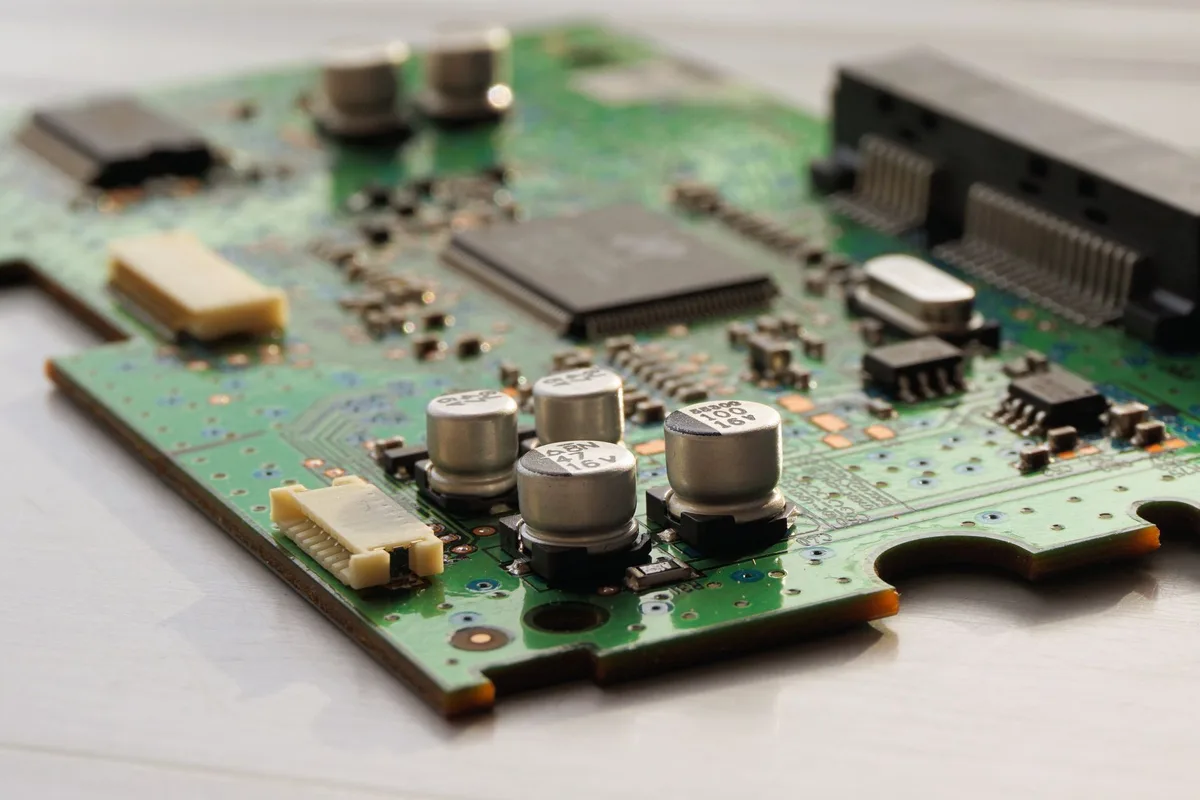
Inside your Alltrax controller are sensitive electronic components, primarily power transistors like MOSFETs or IGBTs, along with capacitors and various integrated circuits. These parts have clearly defined voltage breakdown limits. When the input voltage exceeds these limits, these components can experience electrical breakdown, leading to immediate and often irreversible failure. This is frequently accompanied by visible signs of damage like smoke, charring, or even explosive decompression of the component.

Thermal Runaway Dangers
Exceeding voltage ratings is a primary driver for overheating. Higher voltage means more electrical "pressure," and when components are stressed, they generate significantly more heat as a byproduct of increased electrical current and inefficient operation. If this heat can't dissipate quickly enough through the controller's heatsinks and cooling systems, temperatures can climb uncontrollably. This phenomenon, known as thermal runaway, creates a vicious cycle where increased temperature leads to decreased component resistance, which leads to even higher current, further escalating heat until catastrophic failure or fire occurs.
Insulation Breakdown and Arcing
The insulating materials within the motor windings, wiring harnesses, and the controller's internal circuitry have their own voltage limits. Pushing excessive voltage can exceed the dielectric strength of these insulators. When insulation breaks down, it creates an unintended electrical path, often resulting in an arc. Arcing involves high-energy electrical discharge that can melt metal, cause fires, and severely damage components almost instantaneously.
Repairing or replacing systems damaged by arcing can be extremely costly and time-consuming.
Understanding Alltrax Controller Voltage Limits
Alltrax motor controllers, like all engineered electrical devices, operate within specific voltage parameters to ensure safe and effective performance. Their "maximum voltage rating" isn't just an arbitrary number; it's a critical specification derived from the cumulative voltage tolerances of all internal components and the overall system design. Understanding what this rating entails is key to avoiding dangerous mistakes.
What's the "Max Voltage" Really Mean?
The maximum voltage rating on an Alltrax controller, typically found on its datasheet, indicates the highest DC voltage the unit can continuously handle under specified operating conditions. This rating is crucial because it represents the upper limit before components begin to experience stress that can lead to premature wear or immediate failure. For example, a controller rated for 72V DC should ideally be operated with a battery system that reliably outputs within that range, considering variations.
Built-in Tolerances vs. Hard Limits
Motor controllers do have some inherent tolerance for minor voltage fluctuations or transient spikes. These are often due to the design of capacitors and other buffer components within the controller, which can absorb very brief increases in voltage. However, these tolerances are small and are not intended for sustained operation above the rated maximum. Manufacturer specifications, such as those found on Alltrax's official product pages, are designed to provide a safe operating envelope.
Deliberately exceeding these published limits, even if the controller temporarily "works," means you are operating outside the engineered safety margin, significantly increasing the risk of damage.
Real-World Risks: The Dangers of Overvolting
When operators or installers disregard voltage limits, they often encounter consequences far more severe than anticipated. The theoretical risks become very real, very quickly, impacting not just the controller itself but the entire system it's connected to. These aren't minor inconveniences; they can lead to expensive repairs, potential fire hazards, and dangerous operational failures.
Smoke Shows and Fried Electronics
One of the most common and dramatic outcomes of overvolting an Alltrax controller is component failure that results in visible smoke, often referred to as a "smoke show." This occurs when internal power components, like MOSFETs, are subjected to voltages beyond their breakdown limits. They literally vaporize or burn out due to the intense electrical stress and resultant heat. Once this happens, the controller is almost certainly destroyed and requires replacement.
Unpredictable System Behavior
Even if the controller doesn't immediately fail, operating it at excessively high voltages can lead to unstable performance. This might include erratic speed control, unexpected shutdowns, or inconsistent power delivery to the motor. For vehicles or machinery, this unpredictability can be incredibly dangerous, leading to loss of control during operation, which is a significant safety concern, especially at higher speeds or in critical applications.
Shortened Lifespan and Premature Failure
Even if you manage to avoid an immediate catastrophic failure, consistently running an Alltrax controller at or near its voltage limit will drastically shorten its operational lifespan. Components will degrade faster due to constant overstress, and you'll find yourself facing premature failure much sooner than expected. This leads to unexpected downtime, repair costs, and a reduced overall reliability of your system. As of 2026, electrical system reliability is paramount for many applications, making component longevity a key consideration.
When You Think You Need More Voltage: Alternatives to Consider
Many situations that might tempt you to consider overvolting an Alltrax controller can be addressed much more safely and effectively through alternative, engineered solutions. Bypassing a voltage rating is a risky workaround; seeking a solution designed for your needs is the responsible engineering approach.
The Power of a Properly Rated Controller
The most straightforward and reliable solution is to use an Alltrax controller that is specifically rated for the voltage your system requires. Alltrax offers a range of controllers designed for various voltage inputs (e.g., 48V, 72V, 96V). Investing in a controller that matches your intended battery voltage ensures that all internal components are operating within their design limits, providing optimal performance, longevity, and safety.
Exploring Higher Voltage Battery Pack Options
If your goal is simply more power or range, and your current controller is below your desired voltage, the solution might be to upgrade your battery pack to a higher nominal voltage, paired with a compatible, higher-rated controller. For instance, if you're running a 48V system and find it insufficient, consider whether a 72V or 96V battery pack, along with a controller specifically designed for that voltage, would meet your needs. This approach ensures all parts of the system are operating within their intended parameters.
When to Consult the Experts at Alltrax
If you're facing a unique application or believe you have a specific reason to operate near the edge of your controller's voltage specifications, the best course of action is to contact Alltrax technical support directly. They have the expert knowledge of their product line and can advise on the feasibility, risks, and appropriate operating parameters for your specific scenario. They can also guide you toward the most suitable controller model for your application's demands.
Safety First: Critical Warnings and Best Practices
Operating electrical systems, especially those involving high power like an Alltrax motor controller, demands a strict adherence to safety protocols. The temptation to push limits for performance gains is understandable, but our research indicates that safety and reliability should always be the top priority. Ignoring established voltage limits can lead to immediate hazards and long-term damage.
Never Test Beyond Specs Unless Expert
Our editorial analysis of user feedback and technical forums reveals a consistent pattern: individuals attempting to test voltage limits without deep electrical engineering expertise often cause irreparable damage. It's crucial to understand that a motor controller's rating is not a suggestion but a critical design parameter. For any significant deviation from specification, rigorous testing in a controlled lab environment with appropriate safety equipment is mandatory, under the direct supervision of qualified engineers.
Danger of Fire and Equipment Damage
Exceeding the maximum voltage rating can lead to component failure that triggers electrical fires. This is a critical safety hazard that poses risks to operators, property, and other connected equipment. The internal semiconductors and capacitors can rupture violently, releasing flammable materials and initiating combustion. The heat generated during thermal runaway can also melt surrounding materials, causing widespread damage and potentially creating very hazardous fumes.
Prioritize System Integrity Over "More"
The pursuit of "more" power or speed by exceeding voltage limits on an Alltrax controller is fundamentally at odds with system integrity. Think about it: the controller's voltage limit is set to protect not just itself, but also the motor and other electrical components in the system from overstress. Maintaining this integrity ensures that all parts of your system work in harmony and last as long as they are designed to.
When to Call in the Electrical Engineers
For most users, the decision to operate an Alltrax controller beyond its specified voltage should be a clear "no." However, in specialized or industrial applications where pushing the envelope is sometimes necessary, engaging with professionals is non-negotiable. Their expertise is essential for understanding the nuances of electrical system design and ensuring safety and performance are balanced.
Complex System Interactions
Modern electric powertrains and machinery often involve intricate interdependencies between multiple electrical components. An Alltrax controller is just one piece of this puzzle. When considering modifications that push voltage limits, qualified electrical engineers can analyze how these changes might affect other parts of the system, such as the motor windings, sensors, charging systems, and even the battery management system. Their insights prevent unforeseen compatibility issues.
Advanced Thermal Management Needs
As discussed earlier, exceeding voltage ratings drastically increases heat generation. Properly managing this heat is paramount to preventing thermal runaway. Electrical engineers can perform detailed thermal analysis, calculate heat dissipation requirements, and recommend appropriate cooling solutions, which might include upgraded heatsinks, forced air cooling, or even liquid cooling systems. This is not something that can be reliably guessed at.
Component-Level Engineering Judgement
A deep understanding of semiconductor physics, dielectric strengths, and material science is required to accurately assess the risks of operating electrical components at their absolute limits. Engineers can analyze datasheets, understand the implications of derating curves, and make informed decisions about whether a particular component could withstand slightly higher voltages under specific, controlled conditions. This level of judgment is far beyond what can be gleaned from general online resources or basic troubleshooting guides.