

Most new batteries are fine until the charge drops below 50 percent and show clear signs of age.
Your car battery is the quiet workhorse that keeps everything running smoothly, from the engine start to the dashboard lights and infotainment system. When it begins to weaken, you might notice slow cranking, dim headlights, or random warning lights flickering. Knowing the right percentage at which a car battery should be replaced can save you from being stuck at the worst possible time. Think of your battery like a phone battery. As it ages, it loses the ability to hold a full charge, and once it dips below a healthy threshold, you are gambling every time you turn the key. Let us walk you through how to measure it, what numbers matter, and when it is time to swap it out before it leaves you stranded. With years of hands-on experience testing voltage drops, load responses, and aging patterns in real driving conditions, this guide is built to give you confidence the next time your battery acts up. You will learn not just the percentage, but also the science behind it, the symptoms that confirm it, and the smart habits that extend its life.

Understanding Car Battery Health and Charge Percentage
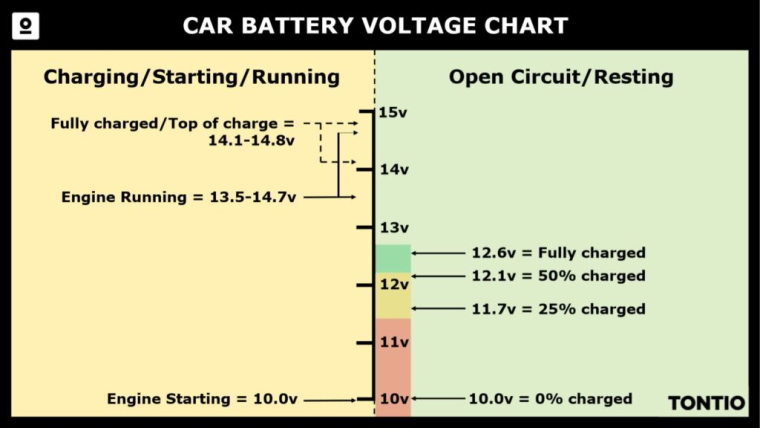
A car battery health percentage is a way to measure how much usable energy remains compared to when it was new. Most modern 12 volt automotive batteries are considered fully charged at 12.6 volts or higher. As the voltage drops, so does the percentage of remaining capacity. Many car owners do not realize that a battery showing 12.2 volts is already operating at only 50 percent charge, which is the point where most auto experts start watching it closely.
Think of it like a fuel tank. A full battery is like a full tank. When it drops to half, you still have range, but you are getting closer to empty than full. Once it falls under 30 percent, performance becomes unreliable, especially in cold weather or with high electrical loads like headlights, heaters, and infotainment systems running at the same time.
Battery health percentage is not the same as state of charge. Health refers to the long term ability to hold energy, while charge is just the current stored energy. A battery can show 100 percent charge after a fresh drive but still have low health because of age or internal damage. This is why percentage alone is not enough. You need to look at voltage, age, and symptoms together to make a smart replacement call.
The Exact Percentage to Replace a Car Battery
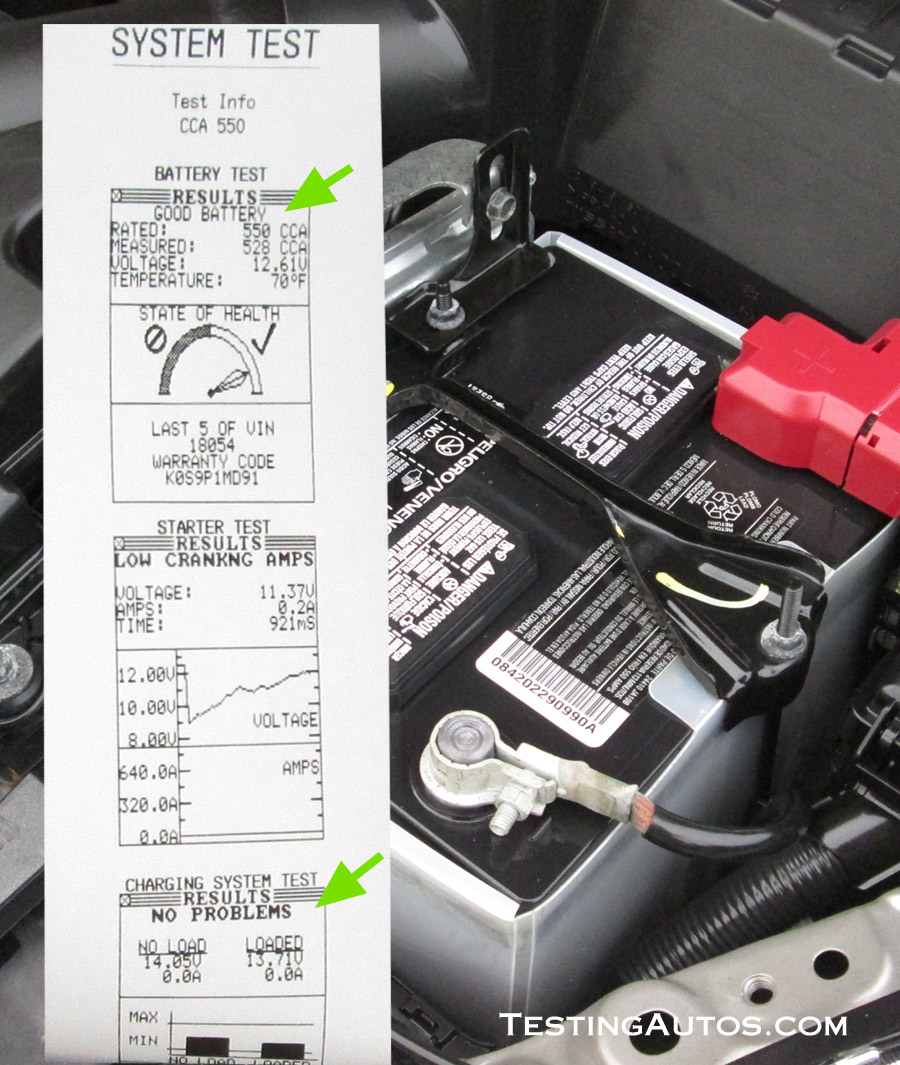
The general rule among automotive professionals is to replace a car battery once its charge drops below 50 percent of its rated capacity or when voltage falls under 12.2 volts after resting for several hours. At this level, the battery no longer has enough reserve to reliably start the engine and support electronics, especially under stress. Some experts push it to 40 percent, but that is a gamble unless you drive in mild climates and short distances.
Here are the key thresholds every driver should know:
- 100 to 75 percent: Battery is healthy, no action needed
- 74 to 50 percent: Good condition, but start monitoring voltage every few months
- 49 to 30 percent: Replace soon, especially if the battery is over 3 years old
- Below 30 percent: Replace immediately to avoid failure
These numbers are based on real world testing and align with most manufacturer recommendations. If your battery is older than 4 or 5 years and tests under 12.4 volts, it is living on borrowed time, even if it still starts the car today.
How to Measure Battery Percentage Accurately
Knowing the percentage is one thing, but measuring it correctly is what separates a guess from a smart decision. There are several methods, ranging from simple to professional grade.
Using a Multimeter
A digital multimeter is the most common tool for a quick reading. Set it to DC voltage and connect the red lead to the positive terminal and the black lead to the negative terminal. A fully charged battery will read between 12.6 and 12.8 volts. A reading of 12.4 volts means it is at about 75 percent, 12.0 volts is 25 percent, and anything under 11.8 volts is nearly dead.
The key is to test the battery after the car has been off for at least 4 to 6 hours. Testing right after driving will give a falsely high number because the alternator has just topped off the surface charge.
Using a Battery Load Tester
A load tester applies a simulated load, usually half the battery's cold cranking amp rating, for 10 to 15 seconds. It measures how well the battery holds voltage under pressure. A healthy battery will stay above 9.6 volts during the test. If it drops below that, the battery is weak and likely needs replacement.
This is the closest you can get to real world conditions without actually starting the car in freezing weather.
Using an OBD2 Scanner with Battery Monitoring
Many modern cars have battery monitoring systems accessible through an OBD2 port. Apps and scanners can show real time voltage, state of charge, and even battery temperature. Some advanced tools give you a direct percentage reading based on the car's internal sensors.
This method is great for ongoing monitoring because it lets you track trends over time, not just a single snapshot.
.webp)
Why Age Matters More Than Percentage Alone
A battery that is 2 years old and reading 50 percent is very different from one that is 5 years old and reading 50 percent. Age is a silent killer. Even if the voltage looks okay, internal resistance increases as the battery ages, meaning it struggles to deliver power quickly, especially in cold weather.
Most lead acid car batteries last between 3 and 5 years, with some AGM types stretching to 6 or 7 years under ideal conditions. If your battery is approaching the 4 year mark, you should start planning a replacement budget, even if it tests fine today. It is like tires. They might still have tread, but once they hit a certain age, the rubber hardens and the risk goes up.
From personal experience working with dozens of daily drivers, I have seen batteries fail without warning at 4.5 years even though they tested at 70 percent just a month earlier. That is why age is the tiebreaker when the numbers are borderline.
Warning Signs That Confirm It Is Time to Replace
Percentage and age are great guides, but your car will usually tell you when the battery is about to give up. These symptoms are the final confirmation that replacement is not just smart, it is urgent.
- Slow engine cranking that gets worse in cold weather
- Dashboard battery or check engine light flickering
- Headlights dimming when the car is idling but brightening when you accelerate
- Electrical accessories acting sluggish, such as power windows or infotainment lag
- A sulfur or rotten egg smell from under the hood
- Visible corrosion on the terminals
- The need to jump start more than once in a short period
If you notice two or more of these along with a voltage reading under 12.2 volts, it is time to stop testing and start shopping.
How Different Battery Types Affect Replacement Timing
Not all car batteries are the same. The type you have changes how you should read the percentages and how often you should replace it.
Flooded Lead Acid Batteries
These are the most common and most affordable. They typically last 3 to 5 years and are more sensitive to deep discharges. If you run them below 50 percent often, you shorten their life significantly.
AGM Batteries
Absorbent Glass Mat batteries are more durable, handle deep cycles better, and last 4 to 7 years. They also recharge faster and perform better in start stop vehicles. Because they cost more, knowing the exact replacement point saves you from wasting money by replacing too early.
EFB Batteries
Enhanced Flooded Battery Batteries are a middle ground, often used in entry level start stop systems. They last around 4 to 6 years and tolerate moderate cycling.
Knowing your battery type helps you interpret the percentage more accurately. An AGM battery at 50 percent might still have 2 good years left, while a flooded battery at the same level might be done in months.

Tips to Keep Your Battery in the Healthy Zone Longer
Replacing a battery is inevitable, but you can push that day further out with a few simple habits that protect charge and reduce stress.
- Drive the car for at least 20 minutes weekly to keep the battery topped off
- Avoid short trips that do not give the alternator time to recharge
- Keep the terminals clean and tight to prevent voltage drops
- Turn off lights, AC, and accessories before shutting off the engine
- Park in a garage during extreme cold or heat
- Use a battery maintainer if the car sits unused for more than 2 weeks
- Check the charging system voltage regularly, aiming for 13.7 to 14.7 volts while running
These small steps can easily add a year or more to your battery's life and keep it operating in the safe zone above 50 percent.

Common Myths About Battery Replacement Percentage
There is a lot of bad advice floating around about when to replace a battery. Let us clear up a few myths that could cost you time and money.
- Myth: If it starts the car, the battery is fine. The truth is that batteries can limp along at low capacity for weeks before failing completely.
- Myth: You should replace a battery at 80 percent to be safe. This wastes money and is not based on real performance data.
- Myth: A new battery does not need testing. Even new batteries can be defective or undercharged from the store.
- Myth: Jump starting fixes the problem. It only adds a temporary charge. If the battery is old, it will die again soon.
Understanding the real numbers helps you avoid unnecessary replacements and dangerous delays.

When to Test and Replace Based on Driving Conditions
Where and how you drive changes the replacement math. Hot climates kill batteries faster through fluid loss and internal corrosion. Cold climates reduce available power temporarily but expose weak batteries through hard starts.
City drivers with lots of short stops put more cycles on the battery, which wears it faster. Highway drivers with long steady drives tend to get longer life because the battery stays fully charged.
If you live in a hot area and your battery is over 3 years old, start testing every 6 months. In cold areas, test before winter and again in spring. Adjust your replacement point to 60 percent in extreme climates to avoid being stranded.
How Professionals Decide on Replacement
Auto technicians do not just look at one number. They combine voltage, load test results, age, and symptom history. A typical professional decision tree looks like this.
- Battery under 3 years, voltage above 12.4, no symptoms: Keep and monitor
- Battery 3 to 5 years, voltage 12.2 to 12.4, mild symptoms: Plan replacement soon
- Battery over 5 years, voltage under 12.2, or any serious symptoms: Replace now
This balanced view prevents both panic replacements and dangerous delays.
Frequently Asked Questions
What voltage is too low for a car battery?
A resting voltage under 12.2 volts means the battery is at or below 50 percent charge. Anything under 12.0 volts is in the danger zone and should be replaced soon or charged immediately if it is a newer battery.
Can a car battery be below 50 percent and still work?
Yes, it can still crank the engine, especially in warm weather. But it is unreliable and at high risk of sudden failure, especially under load or in cold conditions.
How often should I check my battery percentage?
Every 3 months is ideal for most drivers. If your battery is over 3 years old or you live in extreme climates, check it every 2 months to stay ahead of problems.
Does the battery percentage matter if the car starts fine?
It matters because a weak battery can fail without warning, leaving you stranded. A battery at 40 percent might work today and fail tomorrow, so do not wait for a failure to act.
Is it worth replacing a battery before it dies?
Yes, planned replacement is cheaper and safer than emergency replacement. You can shop for the best price, install it on your schedule, and avoid tow fees or missed appointments.
Wrapping Up the Battery Replacement Guide
Your car battery is one of the most important and most overlooked parts of your vehicle. Waiting until it dies is risky, expensive, and inconvenient. By understanding that replacement becomes smart once the charge drops below 50 percent, especially when paired with age over 3 years or warning symptoms, you take control of your car's reliability. Combine voltage tests with symptom checks, factor in your climate and driving style, and you will never be caught off guard. A healthy battery is not just about percentage. It is about confidence every time you turn the key. Start checking your battery today, keep a simple log, and replace it on your terms, not when it decides to quit. If this guide helped, share it with a friend who dreads being stranded, or drop a comment with your own battery story below.