After replacing your car battery, reset the ECU, check for error codes, test all electrical components, and take a short drive to let the alternator fully charge the new battery.
Swapping out a dead battery feels like a small win, but the job isn't truly finished the moment the new unit clicks into place. Think of it like moving into a fresh apartment — you still need to set up the utilities, check that everything works, and settle in before it truly feels like home. A new car battery needs the same kind of attention. Skipping the post-installation steps can leave you dealing with stubborn warning lights, glitchy electronics, or even a battery that underperforms from day one. With years of hands-on experience under the hood and plenty of trial-and-error moments, I'll walk you through exactly what to do after replacing car battery so your vehicle runs smoothly, reliably, and without any surprises down the road.
Reset the ECU and Clear Error Codes
One of the first things I always do after a battery swap is reset the Engine Control Unit, better known as the ECU. When you disconnect the old battery, the ECU loses its short-term memory. Once you reconnect power, it has to relearn your driving habits and sensor calibrations. Some cars handle this gracefully. Others throw a tantrum.
Here's how I typically handle the reset process:
- Drive the car for at least 15 to 30 minutes, mixing city streets with stop-and-go driving.
- Avoid aggressive acceleration or heavy loads during this relearning period.
- Let the engine idle for a few minutes before shutting it off to help idle settings stabilize.
Modern vehicles often store Diagnostic Trouble Codes (DTCs) in the ECU. Even something as simple as unplugging the old battery can trigger codes related to low voltage or sensor irregularities. If your check engine light stays on after replacement, grab an OBD-II scanner and clear the codes manually. I've seen countless drivers panic over a persistent warning light that was simply a leftover artifact from the swap.
Test Every Electrical Component
A new battery should power everything, but a weak connection or a blown fuse from the swap can mimic a dead component. After installing a fresh battery, I make it a habit to run through a full electrical check.
Here are the systems I verify:
- Headlights, brake lights, and turn signals
- Power windows and door locks
- Infotainment screen and speakers
- Heated seats, defrosters, and HVAC controls
- USB ports, 12V outlets, and auxiliary connections
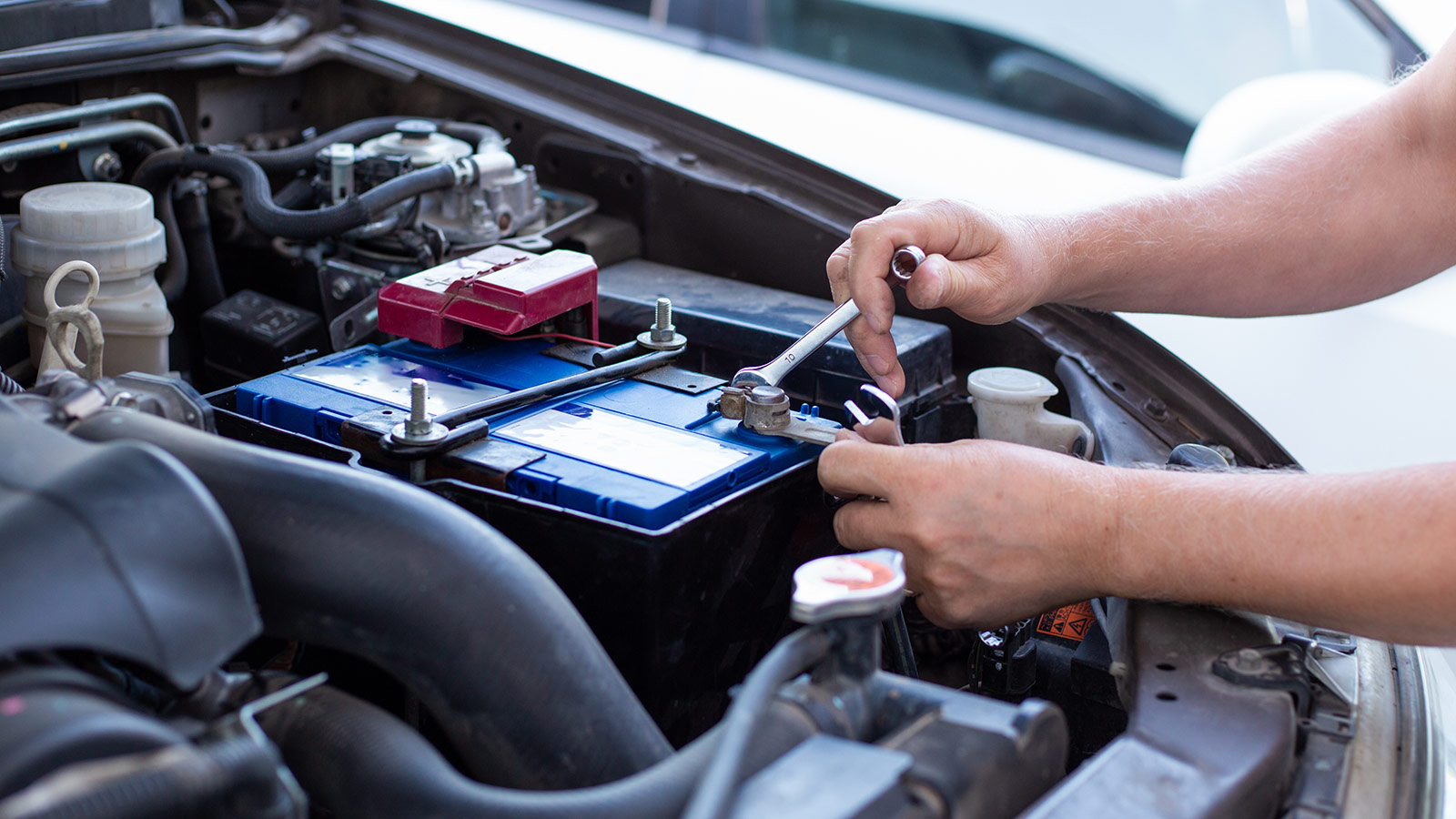
During one of my early battery swaps years ago, I left a door slightly ajar, which drained the new battery overnight because the interior light stayed on. Lesson learned — double-check that all doors, the trunk, and the hood are fully closed and latched after installation. Also inspect the battery terminals for tightness. A loose terminal will cause intermittent power loss, which can mimic a failing battery and leave you stranded.
Verify the Alternator Is Charging Properly
A brand-new battery won't last long if the alternator isn't doing its job. The alternator is what keeps the battery topped off while the engine runs. If it undercharges or overcharges, your new battery will either die early or get damaged.
Here's a simple method I use:
- Start the engine and let it idle.
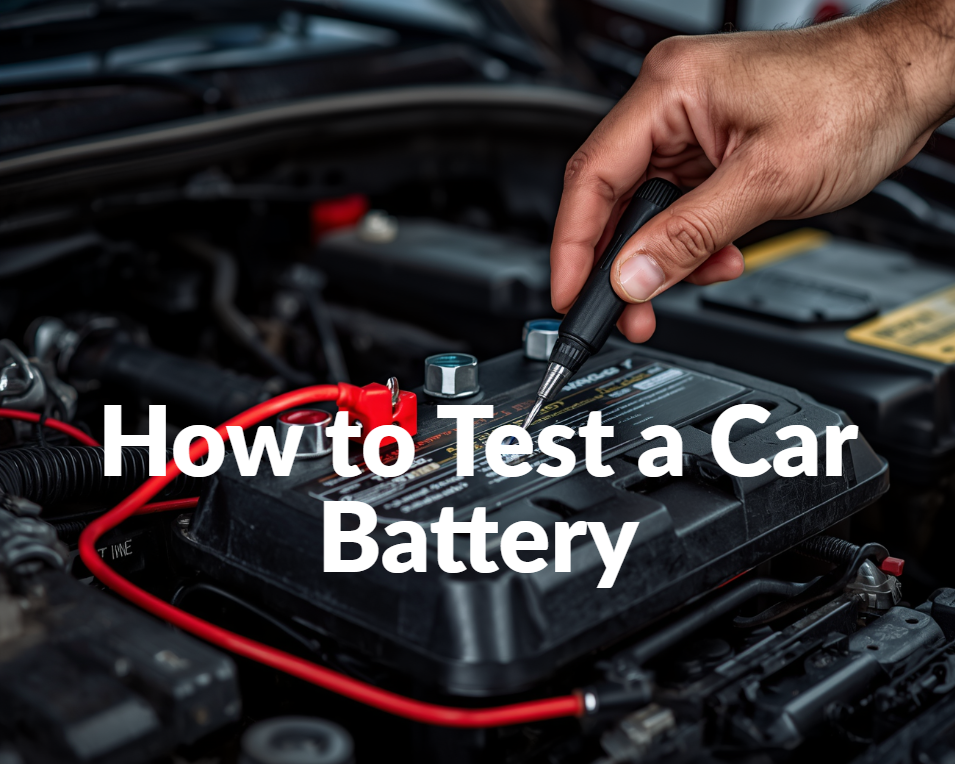
- Use a multimeter to measure voltage across the battery terminals.
- A healthy reading should be between 13.7 and 14.7 volts.
- Rev the engine slightly and confirm the voltage rises briefly before settling back into range.
If the reading falls below 13.5 volts, the alternator may be failing to charge the battery. If it climbs above 15 volts, the voltage regulator could be faulty. Either scenario means the alternator needs attention before you can trust the new battery long-term.
Dispose of the Old Battery Safely
This step is easy to overlook, but it's one of the most important. Car batteries contain lead and sulfuric acid — both hazardous materials. Tossing one in the trash can contaminate soil and water supplies.
Here's how I handle old batteries:
- Take the old battery to an auto parts store, recycling center, or service station.
- Many retailers offer a core credit when you turn in the old unit.
- Wear gloves when handling the battery, and avoid skin contact with any residue.
I've seen people leave old batteries in their garage for months because they forgot to recycle them. Don't be that person. A five-minute trip to the nearest auto shop can keep harmful chemicals out of the environment and put a few bucks back in your pocket.

Secure the Battery and Check the Hold-Down Bracket
A battery that shifts around under the hood is a ticking time bomb. Vibration and movement can damage the internal plates, loosen terminals, and even crack the case.
Make sure the following is in order:
- The battery sits flat in the tray without wobbling.
- The hold-down bracket is tightened securely.
- Terminal connections are snug but not over-torqued.
I learned this lesson the hard way when a battery I half-secured shifted during a sharp turn, causing a momentary loss of power mid-intersection. It only takes a few minutes to double-check, and it can prevent a serious roadside headache.
Take a Short Test Drive and Monitor Performance
Once everything is buttoned up, take the car for a real-world test drive. Don't just back out of the driveway and call it done. I like to put the vehicle through a variety of conditions to make sure everything feels right.
Pay attention to:
- Smooth idling without stalling or surging
- Responsive acceleration without hesitation
- Proper shifting in automatic or manual transmissions
- No flickering lights or strange electrical behavior
- No unusual smells like burning plastic or sulfur
If anything seems off during this drive, address it immediately rather than waiting. Catching a loose connection or a charging issue early can save you from being stranded later.
Check Battery Terminals for Corrosion
Even with a new battery, the cable ends can corrode if the old unit left residue behind. Corrosion acts like a barrier between the terminal and the cable, reducing conductivity and causing all sorts of electrical gremlins.
Here's what I do:
- Inspect the terminals for white, blue, or greenish powdery buildup.
- Clean the terminals with a wire brush and a baking soda solution.
- Rinse with clean water and dry thoroughly before reconnecting.
- Apply a thin layer of dielectric grease or terminal protector spray.
This small step can dramatically extend battery life and improve the reliability of your electrical system. It also makes future swaps easier.

Reinitialize Radio, Clock, and Accessory Settings
Disconnecting the battery wipes out radio presets, clock settings, and sometimes window auto-up/down features. It might feel annoying, but reprogramming these systems is part of the process.
Common items that usually need reconfiguration:
- Radio station presets and audio equalizer settings
- Clock and date settings
- Power window auto functions (some vehicles require a reset sequence)
- Sunroof position memory
- Navigation system favorites and home address
Some modern vehicles also store adaptive features like seat memory positions, mirror angles, and climate control preferences. Take a few minutes to set everything back the way you like it. It makes the car feel like yours again rather than a rental.
Inspect Battery Cables and Wiring for Wear
A new battery won't fix underlying issues in the wiring. Over time, battery cables can crack, fray, or develop internal corrosion that isn't visible from the outside.
Check for:
- Cracked or brittle insulation on the positive and negative cables
- Loose or stretched connectors that don't grip tightly
- Signs of acid leakage or rust around the cable ends
- Damaged ground straps between the engine and chassis
If anything looks worn, replace the cables before they cause a voltage drop. A weak cable can make even the best battery perform poorly.
Monitor the Battery Over the Following Days
A new battery doesn't always perform at full capacity right away. It may need a few charge cycles to reach its optimal state. Keep an eye on how the vehicle behaves over the next several days.
Watch for:
- Slow cranking during cold starts
- Dimming headlights at idle
- Intermittent electrical glitches
- Battery warning light reappearing
If any of these symptoms show up, have the charging system tested professionally. Most auto parts stores will perform a free battery and alternator test on the spot, which can catch issues before they escalate.

Frequently Asked Questions
Do I need to drive my car right after replacing the battery?
Yes, driving for at least 15 to 30 minutes helps the alternator recharge the battery and allows the ECU to recalibrate. Short trips may not give the system enough time to stabilize.
Why is my check engine light on after a battery replacement?
The ECU may have stored voltage-related codes during the swap. Use an OBD-II scanner to clear the codes. If the light returns, have the system diagnosed for a deeper issue.
Can a new battery cause electrical problems?
A new battery itself won't cause issues, but the process of swapping can trigger codes, reset modules, and occasionally expose pre-existing wiring problems that were hidden before.
How long does it take for a new car battery to fully charge?
It typically takes several hours of driving or one long trip to bring a new battery to a full charge. Using a trickle charger overnight can speed up the process.
Should I idle the car to charge the battery after installation?
Idling helps a little, but driving is far more effective because the alternator spins faster and produces more current. A short drive is better than sitting in the driveway.
Do I need to reset anything after installing a new battery?
Yes, expect to reset the clock, radio presets, window auto-functions, and sometimes the ECU. Some vehicles handle resets on their own during driving, but others need manual input.

Final Thoughts
Replacing a car battery is more than just a plug-and-play task. Taking the time to reset the ECU, test electrical systems, verify the alternator, secure the battery properly, and monitor performance over the following days ensures your new battery delivers the long, reliable life it's built for. Think of it as breaking in a new pair of shoes — a little care at the start goes a long way toward comfort and durability down the line. Treat your battery right from day one, and it will return the favor by keeping your car starting strong every morning.