The liquid inside a standard lead-acid car battery is a mix of sulfuric acid and distilled water called electrolyte. Knowing what's swirling inside that box under your hood isn't just trivia; it's the difference between a battery that lasts five years and one that dies on a cold morning. I've spent years poking around engines, testing cells, and learning the hard way what happens when that liquid drops or goes bad, so let me walk you through everything you ever wanted to know about car battery fluid.
What Exactly Is Car Battery Fluid Made Of?
Car battery fluid, often called electrolyte, is a simple but powerful chemical cocktail.
- Roughly one third is sulfuric acid
- Roughly two thirds is distilled water
- Together they create a solution that conducts electricity
- Standard flooded lead-acid batteries hold this liquid freely inside each cell
- Sealed AGM or gel batteries hold it differently, but the chemistry is nearly the same
Think of it as the lifeblood of your battery. Without it, the lead plates inside can't do their job, and your car won't start.
How Does the Electrolyte Actually Work?
The liquid isn't just sitting there for decoration. It's doing serious work every time you turn the key.
- When you start the car, the acid reacts with the lead plates
- This reaction creates a flow of electrons, which is electricity
- As the battery discharges, the acid gets weaker and the water level can shift
- When you drive, the alternator recharges the battery and reverses the reaction
- The acid strength goes back up and the system stays balanced
I remember the first time I checked the specific discharge of a battery with a hydrometer. Watching that little float move told me more about the battery's health than any dashboard light ever could.
What Happens If the Liquid Level Drops?
This is where most battery problems start, and it's something I've seen dozens of times in my own garage.
- Low fluid exposes the lead plates to air
- Exposed plates start to corrode and sulfate quickly
- Sulfation is a hard crust that permanently reduces battery capacity
- You might notice slow cranking, dim lights, or a check engine light
- In extreme cases, the battery can dry out completely and die overnight
If you catch it early, you can top it off with distilled water and bring it back to life. If you wait too long, you're buying a new battery.
Is Car Battery Fluid Dangerous?
Short answer, yes, and I don't say that lightly.
- Sulfuric acid can burn skin and eyes on contact
- It eats through clothing and eats paint off your car
- The hydrogen gas released during charging is highly flammable
- A single spark near a vented battery can cause a small explosion
- Always wear gloves and goggles when handling battery fluid
I learned this the hard way years ago. A drop of electrolyte splashed on my jeans and ate a hole within minutes. Now I keep baking soda, water, and safety glasses in my garage at all times.
How to Safely Check and Refill Battery Fluid
You don't need to be a mechanic to do this, but you do need to be careful.
- Park the car on a level surface and turn off the engine
- Pop the hood and locate the battery, usually near the front of the engine bay
- Remove the vent caps or top cover on a flooded battery
- Look inside each cell and check if the plates are covered by liquid
- If the level is low, top off with distilled water only, never tap water
- Tap water contains minerals that ruin the chemistry inside the cells
After filling, put the caps back on, clean any spills with a mix of baking soda and water, and you're good to go. The whole process takes about ten minutes once you've done it a few times.
Different Battery Types and the Liquids They Hold
Not all car batteries store their fluid the same way.
- Flooded lead-acid batteries hold liquid electrolyte that sloshes around inside
- AGM batteries absorb the electrolyte into fiberglass mats, so it's technically still there but not free-flowing
- Gel batteries use a thick silica gel to hold the electrolyte in place
- Lithium-ion batteries, which are rare in gas cars but common in hybrids and EVs, use no acid at all
- They use a flammable organic solvent, which is why damaged lithium batteries can catch fire
Knowing your battery type matters because AGM and gel batteries are sealed. You can't and shouldn't try to open them.
How Temperature Affects Battery Fluid
Weather plays a huge role in how well your battery performs.
- Cold weather slows the chemical reaction and makes it harder for the battery to deliver power
- Hot weather speeds up evaporation inside the cells
- Heat also speeds up corrosion on the internal components
- A battery in Arizona might last two years while the same battery in Minnesota lasts five
- Extreme cold can freeze low-fluid batteries, which cracks the case and ruins the cells
If you live somewhere with harsh winters, a battery blanket can help. If you live in the desert, check your fluid levels every few months.
Common Myths About Car Battery Liquid
There are a lot of old wives' tales out there, so let me clear up a few.
- You should never add acid to a battery, only distilled water
- Epsom salt tricks work for a little while but shorten battery life
- A battery that freezes is almost always damaged beyond saving
- You can't restore a dried-out battery by pouring in new acid
- Driving short trips constantly never fully recharges the battery
These myths cause more battery deaths than actual defects in my experience. Stick to the basics and your battery will thank you.
Signs Your Battery Fluid Needs Attention
Your car will usually give you hints before the battery quits.
- The engine cranks slowly on cold mornings
- Headlights dim when you stop at a traffic light
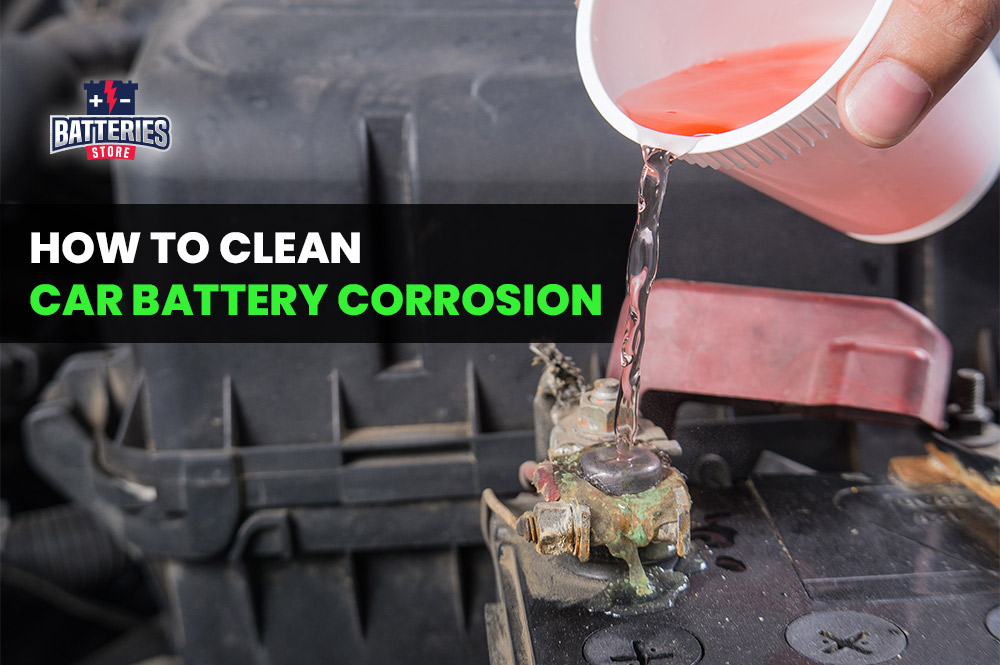
- You see white or blue crust around the battery terminals
- The battery case looks swollen or cracked
- You smell a strong rotten egg odor, which is hydrogen sulfide gas
If you notice any of these, check the fluid level first. It might save you a tow truck bill.
How Often Should You Check the Fluid?
It depends on your battery and your climate, but here's a good rule of thumb.
- Check every three months for flooded batteries
- Check more often if you live in a hot climate
- Check after long trips in extreme heat
- You don't need to check AGM or sealed batteries, they are maintenance-free
- Always check before the first cold snap of winter
I've made it a habit to check mine every time I rotate my tires. It keeps me on schedule without having to remember a separate date.
Frequently Asked Questions
What kind of water goes in a car battery?
Always use distilled water. Tap water contains minerals and chemicals that mess up the electrolyte balance and shorten battery life.
Can you use bottled water if you don't have distilled?
Technically, some bottled water is pure enough, but it's risky. Stick with distilled water from the grocery store. It costs about a dollar and saves you from ruining a battery.
How much acid is actually inside a car battery?
About one third of the fluid is sulfuric acid. The rest is water. The exact ratio varies by battery size and design, but that balance is critical for performance.
What happens if battery fluid leaks on your car paint?
It will eat the paint quickly. Neutralize it right away with a baking soda and water mix, then wash the area thoroughly. I learned this the hard way when a small spill left a permanent mark on my old truck.
Can a dead battery come back to life with new fluid?
Sometimes, if it died because of low water. But if the plates are corroded or sulfated, no amount of new fluid will fix it. At that point, you need a replacement.
Conclusion
Car battery liquid might seem like a small detail, but it's the heart of how your vehicle starts and runs. From the sulfuric acid that powers the reaction to the distilled water that keeps the chemistry balanced, every drop matters. Check your fluid regularly, top it off with distilled water when needed, and never underestimate the damage a small leak or low level can cause. A little attention now will save you from a dead battery on the worst possible day. Got questions or your own battery story to share? Drop a comment below, I'd love to hear it.