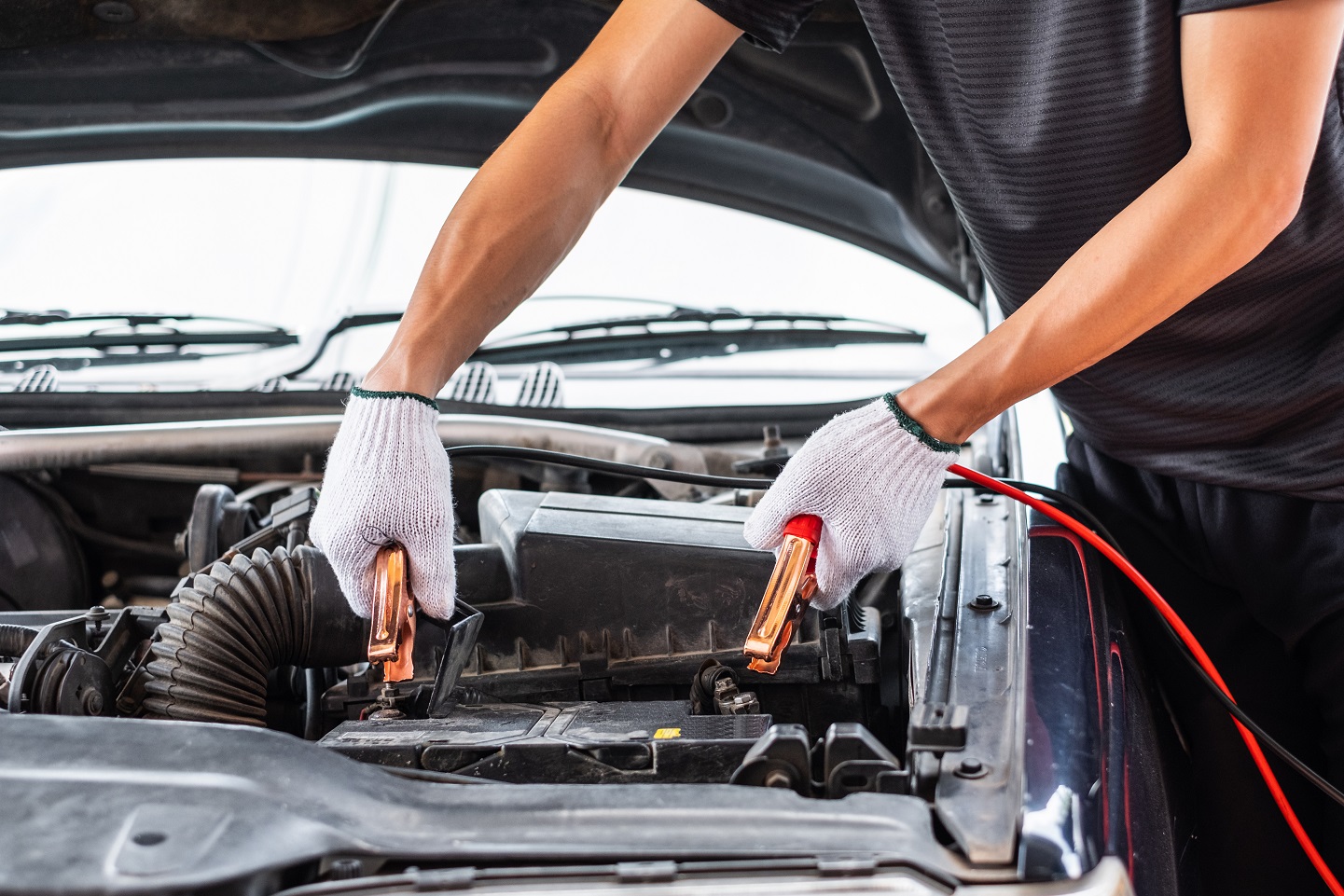
Charging a car battery means restoring its stored electrical energy using an external power source like an alternator or a dedicated charger. This process keeps your vehicle starting reliably and powers all its electrical systems, from headlights to the radio. Over the years, I've jump-started countless batteries, installed chargers in my garage, and even helped stranded drivers on rainy nights. Let me walk you through everything you need to know about how to charge a car battery, why it matters, and how you can do it safely at home or on the road.
How a Car Battery Works
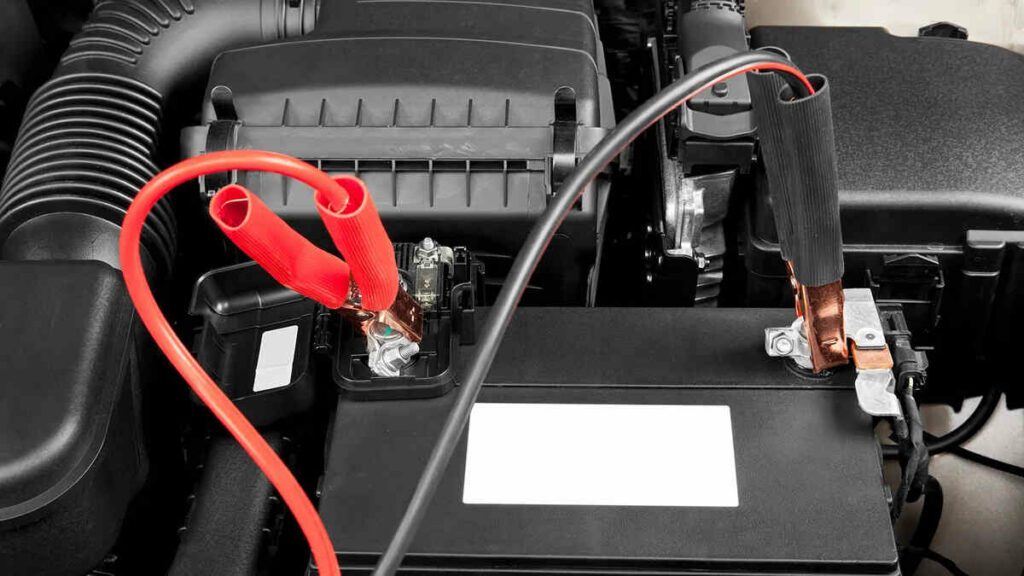
A car battery is the heart of your vehicle's electrical system. It stores chemical energy and converts it into the electrical energy needed to start the engine and run accessories when the engine is off.
Most vehicles use a 12-volt lead-acid battery made up of six cells. Each cell produces about 2.1 volts, giving the battery its total 12-volt output. Inside, lead plates sit in a sulfuric acid solution. When you turn the key, a chemical reaction sends a burst of electricity to the starter motor.
Once the engine runs, the alternator takes over. It recharges the battery while powering the car's systems. If the alternator fails or the battery is old, the battery can lose its charge quickly. That's why understanding the charging process is so important for every driver.
What Charges a Car Battery While Driving
Your car's alternator is the main charger while the engine is running. It converts mechanical energy from the engine's rotation into alternating current, which is then converted to direct current to recharge the battery.
The voltage regulator controls how much voltage the alternator sends to the battery, typically keeping it between 13.7 and 14.7 volts. This prevents overcharging and keeps the battery healthy.
If you drive regularly, the alternator usually keeps the battery topped off. Short trips, though, don't always give the alternator enough time to fully recharge the battery, which can slowly drain it over time.
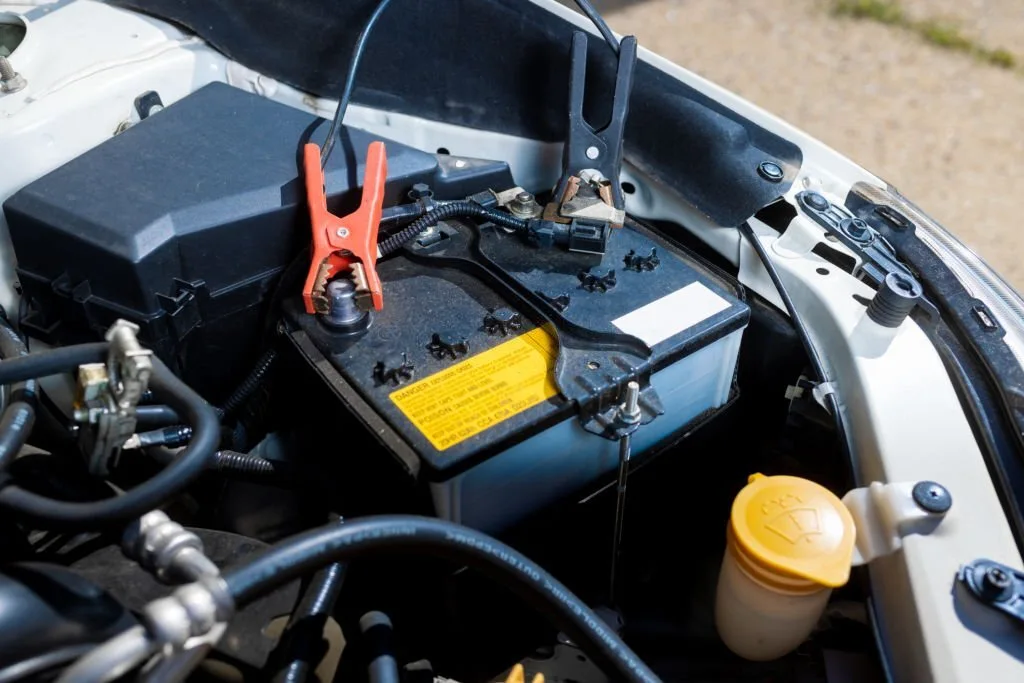
What Charges a Car Battery When Not Driving
When your car sits idle, the battery slowly loses charge through a process called parasitic drain. Things like your car's clock, alarm system, and key fob receiver continue to pull small amounts of power.
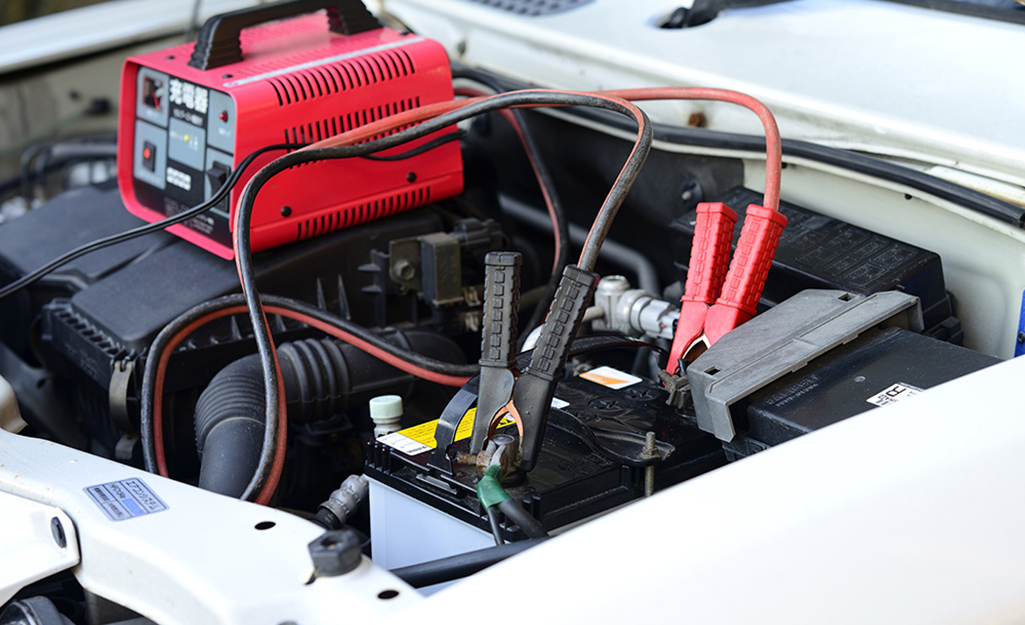
To charge a battery when the car isn't running, you'll need an external charger. There are several types, and knowing the right one can save you time and extend your battery's life.
Types of Battery Chargers
- Trickle Charger: Delivers a slow, steady charge. Great for long-term maintenance or reviving a deeply discharged battery.
- Standard Charger: Provides a faster charge at a fixed rate. Best for occasional use.
- Smart Charger: Automatically detects battery condition, adjusts voltage, and stops when fully charged. Ideal for regular home use.
- Solar Charger: Uses sunlight to maintain charge. Useful for vehicles stored for long periods.
How to Charge a Car Battery with a Charger
- Park the car in a well-ventilated area and turn off the engine.
- Open the hood and locate the battery.
- Identify the positive (+) and negative (-) terminals.
- Connect the red clamp to the positive terminal and the black clamp to the negative terminal.
- Plug in the charger and set it to the correct voltage and amperage.
- Turn on the charger and let it run until the battery is full.
- Turn off the charger, remove the clamps in reverse order, and close the hood.
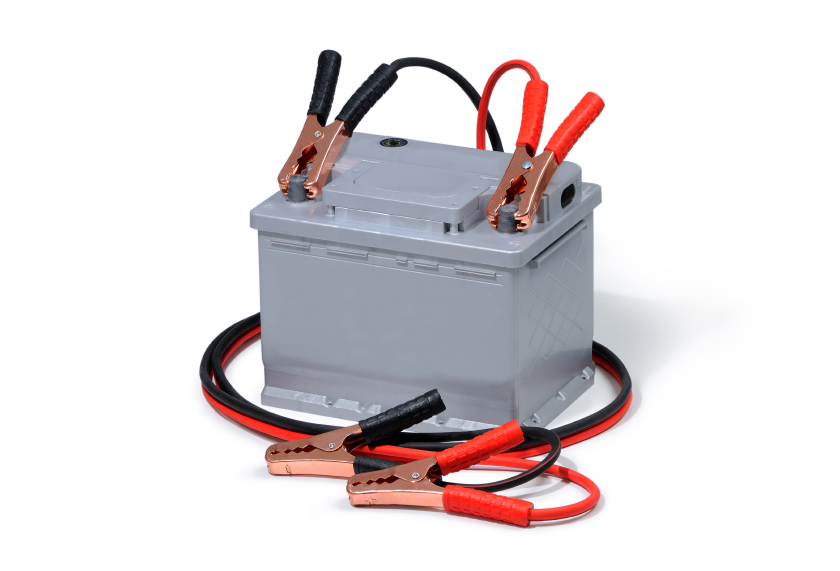
How Long Does It Take to Charge a Car Battery
The charging time depends on the battery's size, its current charge level, and the charger's output. A typical car battery with a capacity of 48 amp-hours can take anywhere from 4 to 24 hours to fully charge.
A trickle charger might take 24 hours or more for a deeply discharged battery. A standard 10-amp charger can usually do the job in 4 to 6 hours. Smart chargers are faster and more efficient because they adjust the rate based on the battery's needs.
If you're in a hurry, jump-starting the car and driving for at least 30 minutes can give the alternator enough time to partially recharge the battery, but it's not a full charge.
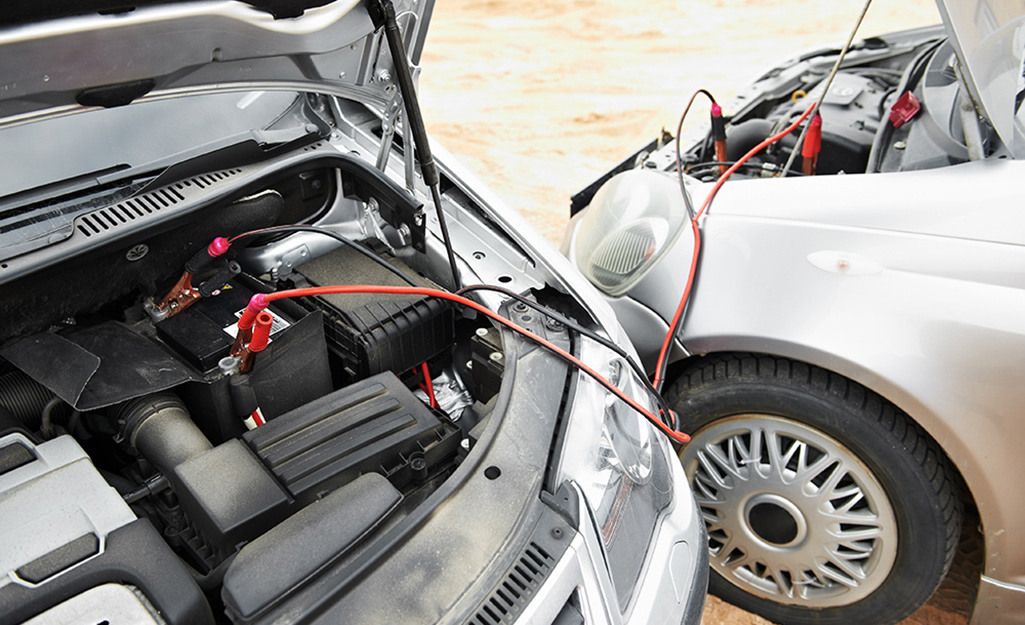
What Voltage Is Needed to Charge a Car Battery
A standard car battery needs between 13.7 and 14.7 volts to charge properly. The alternator typically provides this range while the engine runs.
When using an external charger, most modern chargers are designed to deliver the right voltage automatically. If you're using an older manual charger, make sure to set it to 12 volts and monitor the process to avoid overcharging.
A fully charged 12-volt battery should read about 12.6 volts when the engine is off. If it reads below 12 volts, it's discharged and needs charging.

Signs Your Car Battery Needs Charging
A weak battery often shows warning signs before it dies completely. Catching these early can save you from being stranded.
- The engine cranks slowly or makes a clicking sound when you turn the key.
- The dashboard lights appear dim or flicker.
- The radio, power windows, or other accessories work weakly.
- The battery warning light stays on after starting the engine.
- You haven't driven the car for several weeks, and it struggles to start.
If you notice any of these signs, it's a good idea to charge the battery soon or have it tested at an auto shop.

How to Jump Start a Dead Battery
Sometimes you don't have a charger, and the battery is completely dead. In that case, a jump start from another vehicle can get you moving.
- Park the working car close to the dead one, but make sure the cars don't touch.
- Turn off both engines and open the hoods.
- Connect one end of the red jumper cable to the positive terminal of the dead battery.
- Connect the other end of the red cable to the positive terminal of the good battery.
- Connect one end of the black cable to the negative terminal of the good battery.
- Connect the other end of the black cable to an unpainted metal surface on the dead car, away from the battery.
- Start the working car and let it idle for a few minutes.
- Try starting the dead car. If it starts, let both cars run for a few more minutes.
- Remove the cables in reverse order and drive the jumped car for at least 20 minutes to recharge.
Jump starting is a temporary fix. Once the car is running, drive to a shop or use a proper charger to fully restore the battery.
Can You Charge a Car Battery Without Removing It
Yes, in most cases you can charge the battery without removing it from the car. As long as you have access to the terminals and the area is well-ventilated, you can safely connect a charger.
However, some car manufacturers recommend disconnecting the battery before charging to protect the vehicle's computer and settings. If your vehicle is loaded with sensitive systems or you're using a high-amperage charger, it's safer to remove the battery first.
If you're unsure, check your owner's manual for the manufacturer's recommendation.
Tips to Extend Your Car Battery's Life
A little care can go a long way in keeping your battery healthy. Here are some practical tips I've picked up over the years.
- Drive your car regularly, especially on longer trips, to give the alternator time to recharge.
- Keep the battery terminals clean and free of corrosion. A simple baking soda and water scrub works well.
- Avoid leaving electronics on when the engine is off.
- If you store your car for weeks, use a trickle charger or disconnect the battery.
- Test the battery every six months, especially before winter or summer extremes.
Heat and cold both affect battery life. Hot weather speeds up chemical reactions inside the battery, which can shorten its life, while cold weather reduces its capacity.
Common Mistakes to Avoid When Charging a Car Battery
Over the years, I've seen people make the same avoidable errors. Here are a few to watch out for.
- Connecting the cables in the wrong order can cause sparks or damage the electrical system.
- Overcharging the battery by leaving the charger on too long can boil the electrolyte and damage the cells.
- Charging a frozen battery can cause it to crack. Always thaw it first.
- Using the wrong charger type can lead to undercharging or overcharging.
- Ignoring safety gear like gloves and eye protection can lead to acid burns.
Always read the charger's manual and follow the safety instructions carefully.
Frequently Asked Questions About Charging a Car Battery
How often should I charge my car battery?
If you drive regularly, your alternator should keep the battery charged. However, if the car sits unused for more than two weeks, it's a good idea to use a trickle charger or drive it for at least 30 minutes to maintain the charge.
Can a completely dead battery be recharged?
Yes, most dead batteries can be recharged if they haven't been damaged. A deeply discharged battery may take longer to charge and might not hold a full charge if the cells are damaged.
Is it safe to charge a car battery indoors?
Only charge a battery in a well-ventilated area. Lead-acid batteries release hydrogen gas, which can be dangerous in enclosed spaces. A garage with the door open is usually safe.
How do I know when my battery is fully charged?
A fully charged 12-volt battery reads between 12.6 and 12.8 volts with the engine off. Many smart chargers also have a display or light that indicates when charging is complete.
Can I drive with the battery light on?
If the battery light stays on while driving, the charging system isn't working properly. You should get to a mechanic as soon as possible to avoid being stranded.
Conclusion
Charging a car battery is a basic skill every driver should know. Whether it's your daily commute or a weekend road trip, understanding how your battery works, how to charge it, and how to spot early warning signs can save you time, money, and frustration. With the right tools, a little patience, and regular care, you can keep your battery strong and your car ready to go whenever you are. If you found this guide helpful, share it with a friend, leave a comment with your own battery tips, or explore our other articles for more practical car care advice.