A car battery dies from old age, extreme temperatures, leaving lights on, short trips, and a bad charging system. Most batteries last three to five years, but neglect and weather can cut that short fast.
Picture this: you turn the key on a freezing morning, and all you hear is a weak click. Your car battery gave up on you, and honestly, it usually does not happen out of nowhere. Something drained it, damaged it, or simply wore it down over time. After spending years working with cars and helping friends troubleshoot dead batteries, I have seen the same handful of culprits show up again and again. Let me walk you through the real reasons car batteries die so you can avoid the same headaches.
Common Causes of Car Battery Failure
Batteries do not just quit one day for no reason. There is always a story behind a dead battery, and once you know what to look for, the warning signs become pretty clear. Here are the most common things that kill a car battery.
Old Age and Wear
Nothing lasts forever, and your battery is no exception. Most car batteries have a lifespan of three to five years, depending on the climate, driving habits, and how well you maintain them. As a battery ages, the internal plates wear down, the electrolyte weakens, and the ability to hold a charge slowly fades.
I learned this the hard way with my old sedan. I kept pushing past the four-year mark, thinking the battery was fine because the car started every morning. Then one random Tuesday, nothing happened when I turned the key. The mechanic told me the battery had been running on borrowed time for months. Now I replace mine every four years without waiting for a failure.
Extreme Temperatures
Heat and cold are both brutal on batteries, just in different ways. High temperatures cause the fluid inside the battery to evaporate, which damages the internal structure. Cold weather thickens the engine oil and forces the battery to work harder while also slowing down the chemical reactions needed to produce power.
If you live somewhere with harsh winters or scorching summers, your battery takes a serious beating year after year. A garage or shaded parking spot can make a real difference over the life of the battery.
Leaving Lights and Accessories On
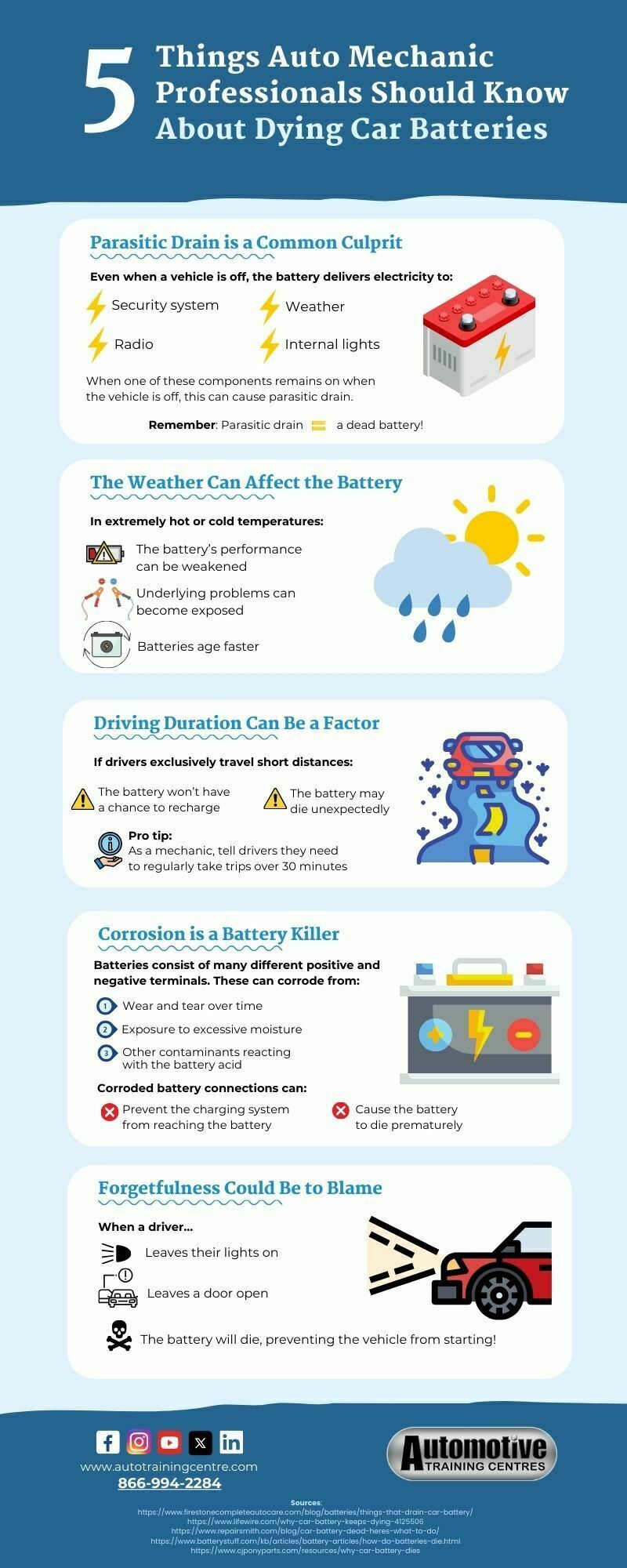
This one is painfully common. You park the car, forget to turn off the headlights, leave a dome light on overnight, or leave a phone charger plugged into a 12V outlet. By morning, the battery is dead or so weak that the car barely turns over.
Modern cars have automatic shutoffs for headlights, but interior lights and accessory ports still rely on you remembering to turn them off. A quick mental check before walking away can save you from needing a jump start.

Short Trips and Infrequent Driving
Your battery charges while you drive, but it only gets a full charge during longer trips. If most of your drives are under 15 minutes, the alternator never has enough time to top off the battery. Over weeks, this slowly drains it.
I see this a lot with people who work from home or only use their car for quick errands. The battery sits partially charged, the sulfation builds up on the plates, and eventually it cannot hold enough juice to start the engine.
A Faulty Charging System
The alternator is what keeps your battery charged while the engine runs. If the alternator fails or the voltage regulator goes bad, the battery either gets overcharged or undercharged. Both situations shorten its life quickly.
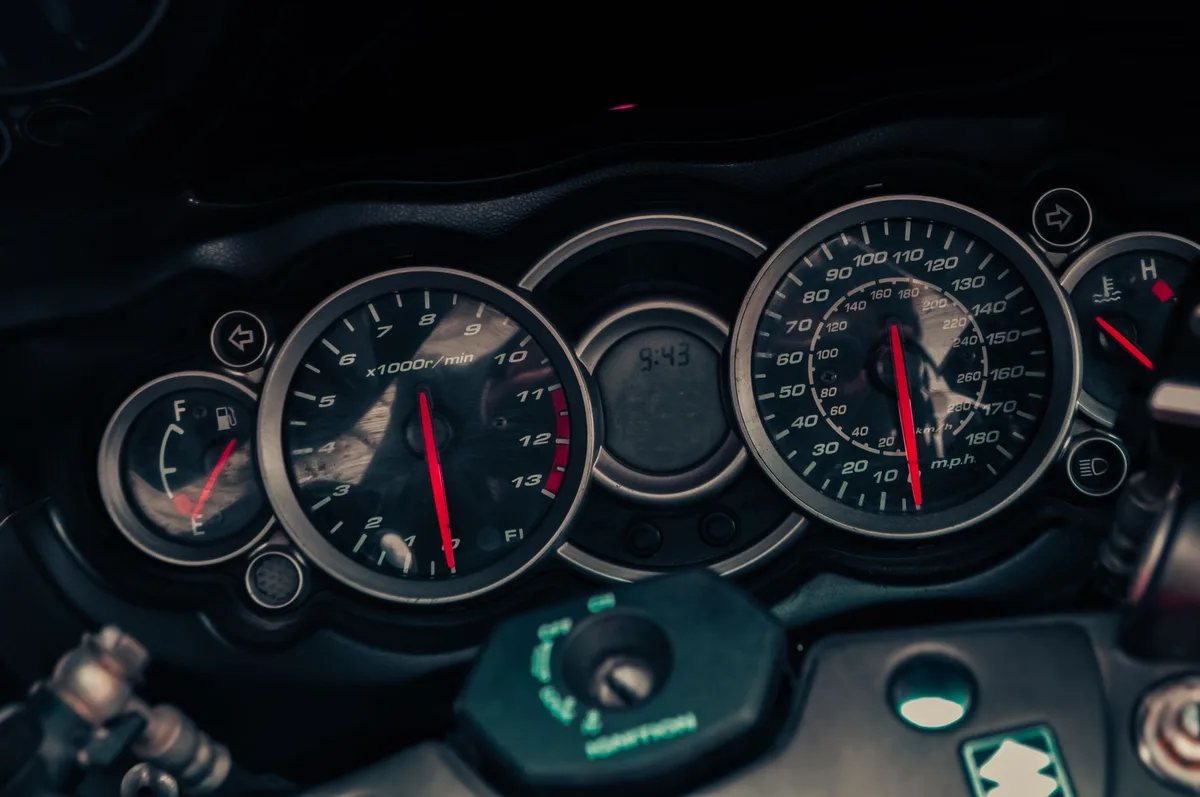
A common warning sign is a battery warning light on your dashboard. If that light comes on, do not ignore it. Get the charging system tested before you end up stranded.
Corroded or Loose Battery Connections
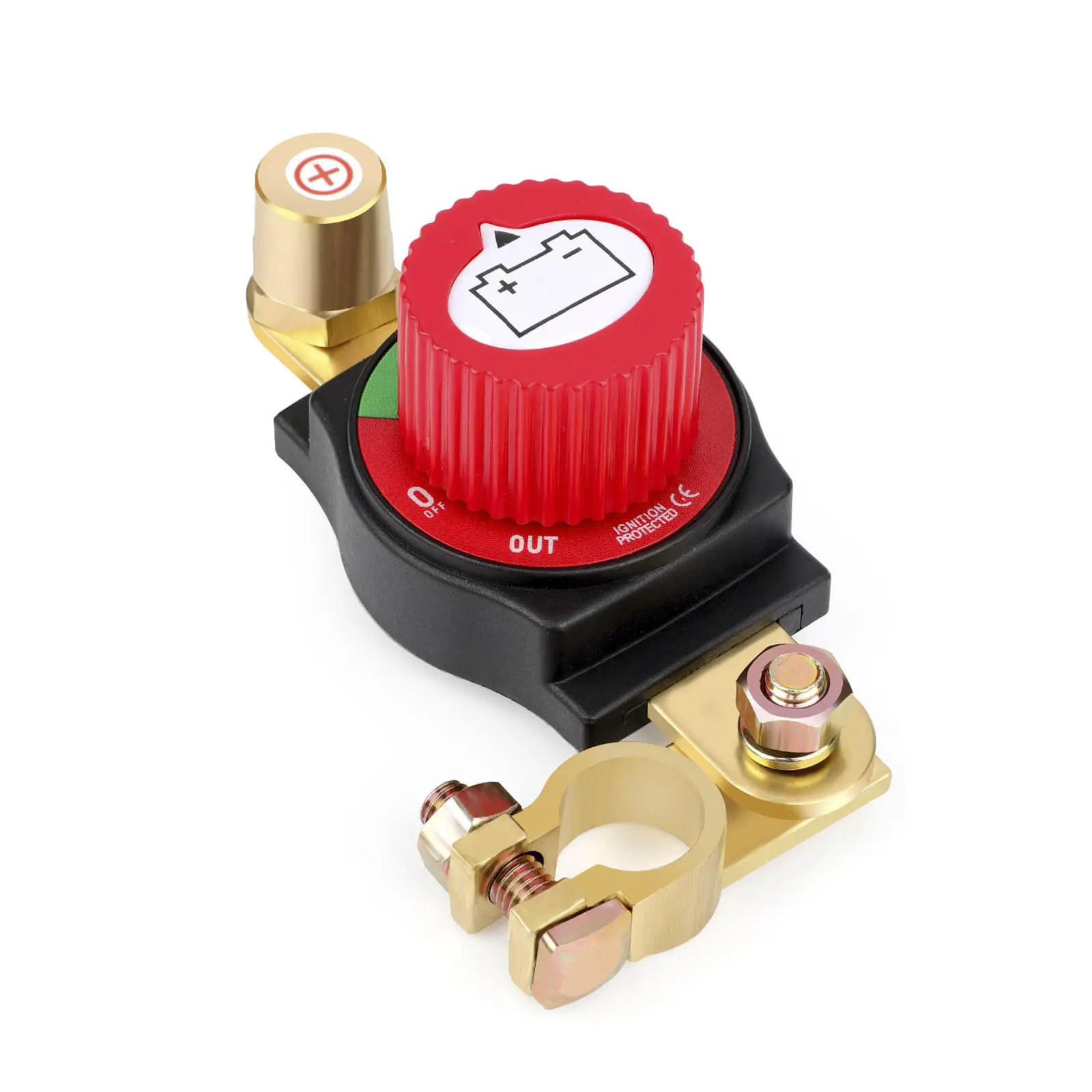
The battery terminals need a clean, tight connection to deliver power to the rest of the car. When corrosion builds up around the terminals, it creates resistance and blocks the flow of electricity. Loose cables cause similar problems.
A simple visual check once a month can catch this early. If you see a white or blue-green powdery substance on the terminals, clean it off with a wire brush and a little baking soda mixed with water.
Excessive Electrical Drain
Modern cars are loaded with electronics, from infotainment systems to seat heaters to always-on sensors. Some of these draw a small amount of power even when the car is off, which is called parasitic drain. A tiny amount is normal, but a stuck relay, a bad module, or an aftermarket accessory can pull too much and kill the battery in days.
If your battery keeps dying for no obvious reason, a mechanic can run a parasitic draw test to find the culprit.
How Heat and Cold Damage Batteries Differently
Weather is one of the biggest silent killers of car batteries, and understanding how each season affects your battery helps you stay ahead of problems.
Hot Weather Damage
Heat speeds up the chemical reactions inside a battery, which sounds like a good thing but actually shortens its life. The high temperatures cause the electrolyte to evaporate, exposing the lead plates. Once the plates are exposed to air, they oxidize and lose capacity.
Batteries in hot climates often fail suddenly, without the slow decline you see in milder weather. The battery seems fine one day, then the next morning it is completely dead.
Cold Weather Strain
Cold weather does not necessarily damage the battery, but it exposes weaknesses that were already there. A weak battery that managed to start the car in July may not have enough power to crank the engine in January. The cold thickens the engine oil, which makes the starter work harder, while the battery itself produces less current.
A battery that is more than three years old going into winter is living on borrowed time. It is smart to have it tested before the temperature drops.
Bad Habits That Drain Your Battery Faster
Sometimes the problem is not the battery itself but how we use the car. A few small habits can quietly shorten the life of even a brand-new battery.
Skipping Regular Maintenance
Batteries are pretty low maintenance, but they are not zero maintenance. Checking the terminals, making sure the battery is secured tightly, and getting it tested once a year can add years to its life.
Ignoring Warning Signs
A slow crank, dim headlights, or a flickering dashboard are all signs the battery is struggling. Most people ignore these until the car refuses to start. Catching the warning signs early gives you time to charge or replace the battery before it leaves you stranded.
Adding Too Many Accessories
Big sound systems, extra lighting, and phone chargers all draw power. If the charging system was not designed to handle the extra load, the battery pays the price. Every accessory added should be balanced with the alternator's output.

How to Extend the Life of Your Car Battery
The good news is that most battery problems are preventable. A little attention goes a long way.
Keep the terminals clean and tight. Check them every month and clean off any corrosion right away. Drive the car regularly and take longer trips when possible. If the car sits for more than a week, consider a battery maintainer. Park in the garage or shade when you can to limit temperature swings. Get the battery tested before winter and after summer. And finally, replace the battery proactively every four to five years instead of waiting for a failure.
Signs Your Battery Is About to Die
Catching a dying battery early can save you a lot of hassle. Watch for these warning signs.
- The engine cranks slowly when you try to start the car.
- Headlights look dim, especially at idle.
- The battery light or check engine light comes on.
- Electrical accessories act strange, like power windows moving slowly.
- The battery case looks swollen or bloated.
- You smell a rotten egg odor, which means the battery is leaking gas.
- The car needs frequent jump starts.
Any of these signs mean it is time to get the battery tested and likely replaced.
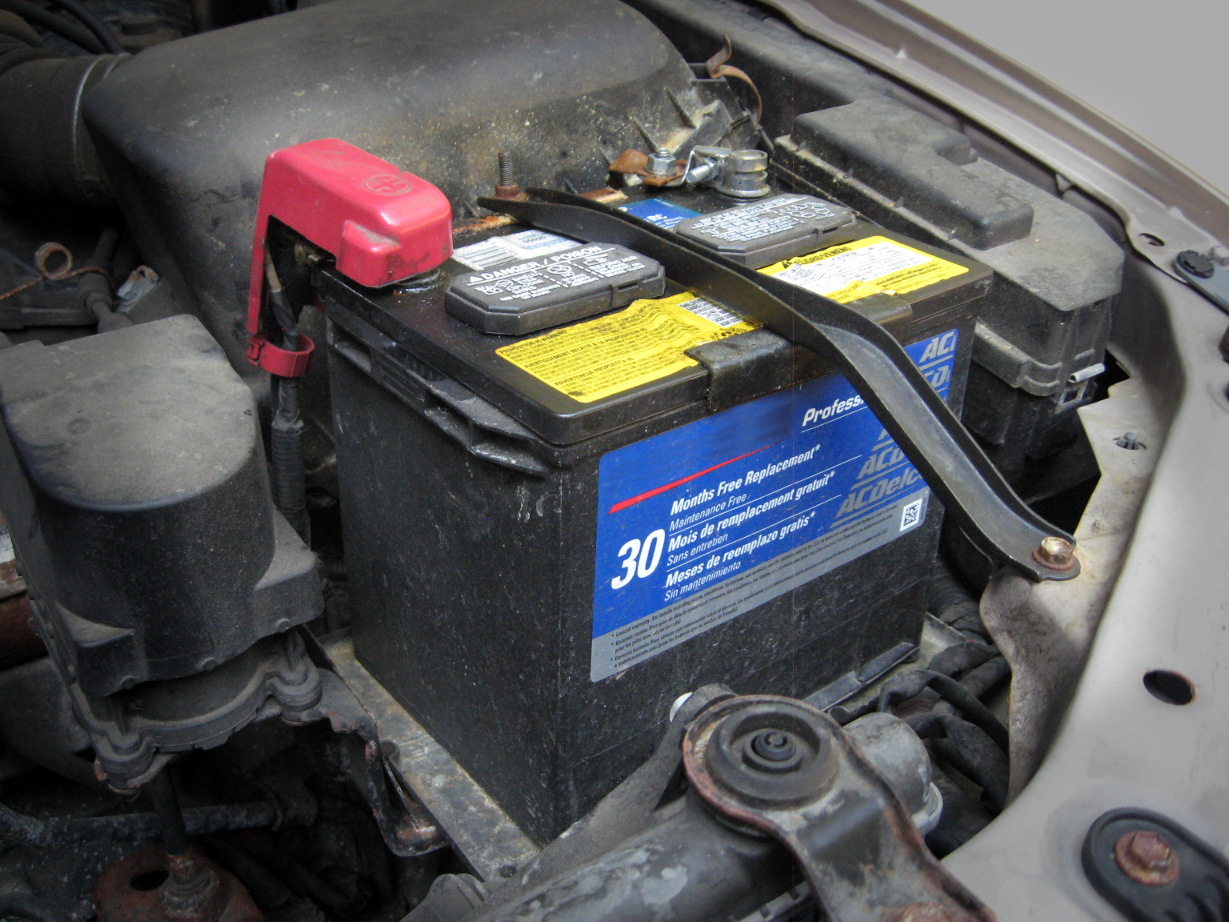
How to Test a Car Battery
Testing a battery is quick and easy, even for someone who has never done it before. Most auto parts stores will test it for free, but you can also do it at home with a multimeter.
Set the multimeter to 20 volts DC. Connect the red lead to the positive terminal and the black lead to the negative terminal. A fully charged battery should read between 12.4 and 12.7 volts with the car off. With the engine running, the reading should jump to between 13.7 and 14.7 volts, which confirms the alternator is charging properly.
If the reading is below 12 volts with the engine off, the battery is either discharged or failing. Charge it and test again. If the reading stays low, it is time for a new battery.
Can a Dead Battery Be Recharged?
Sometimes yes, sometimes no. If the battery died because of a simple mistake like leaving the lights on, a good drive or a battery charger can bring it back to full health. If the battery is old, sulfated, or physically damaged, a recharge will not fix it.
A good rule of thumb is that if a battery has been deeply discharged more than a few times, its lifespan is already shortened. Recharging is fine for a one-time mistake, but repeated deep drains will eventually kill the battery for good.
How Weather and Driving Habits Work Together
Where you live and how you drive matter more than most people think. Someone in Arizona who drives short trips in the heat will see battery failures sooner than someone in a mild climate who takes regular highway drives.
The combination of heat, short trips, and a heavy electrical load is the worst-case scenario. If that sounds like your situation, plan on replacing the battery every three years instead of five.
Choosing the Right Replacement Battery
Not all batteries are the same, and picking the right one matters. Look for a battery that matches your car's group size, terminal layout, and cold cranking amp rating. Buy from a trusted brand and make sure the warranty covers at least three years.
A more expensive battery with a longer warranty usually pays for itself by lasting longer and performing better in extreme conditions.
Frequently Asked Questions About Car Battery Failure
What is the most common reason a car battery dies?
The most common reason is simply old age. Once a battery passes the three-year mark, it starts to lose capacity, and by year four or five, it usually cannot hold a reliable charge anymore.
Can a car battery die from sitting too long?
Yes. A car battery slowly self-discharges even when the car is off. After a few weeks of sitting, the voltage can drop low enough to prevent the car from starting. A battery maintainer can prevent this.
Does heat really kill batteries faster than cold?
Heat is actually harder on batteries than cold. High temperatures cause internal damage and fluid loss, while cold just reveals a battery that was already weak. A battery in a hot climate often fails years sooner than one in a cold climate.
How do I know if my battery or alternator is bad?
If the car dies while driving or the battery light comes on, the alternator is likely the problem. If the car starts fine after a jump but dies again after sitting, the battery is the problem. A voltage test can confirm which one is failing.
Can jump starting a car damage the battery?
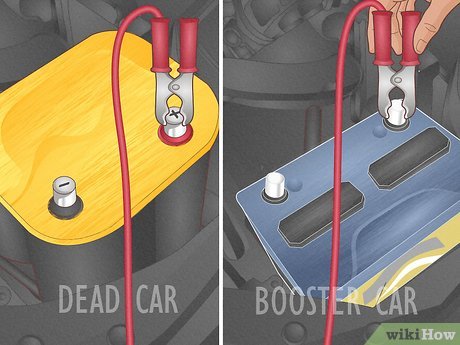
Jump starting is safe when done correctly, but repeated jump starts mean the battery is already failing. A battery that needs jumping more than once or twice should be tested and likely replaced.
A dead battery is one of the most frustrating car problems, but it is also one of the most preventable. The key is paying attention to the small things: clean terminals, regular driving, a working charging system, and proactive replacement every few years. Treat your battery well, and it will treat you well in return. Start by checking your battery's age today and getting it tested if it has been a while. Your future self will thank you the next time you turn the key on a cold morning.