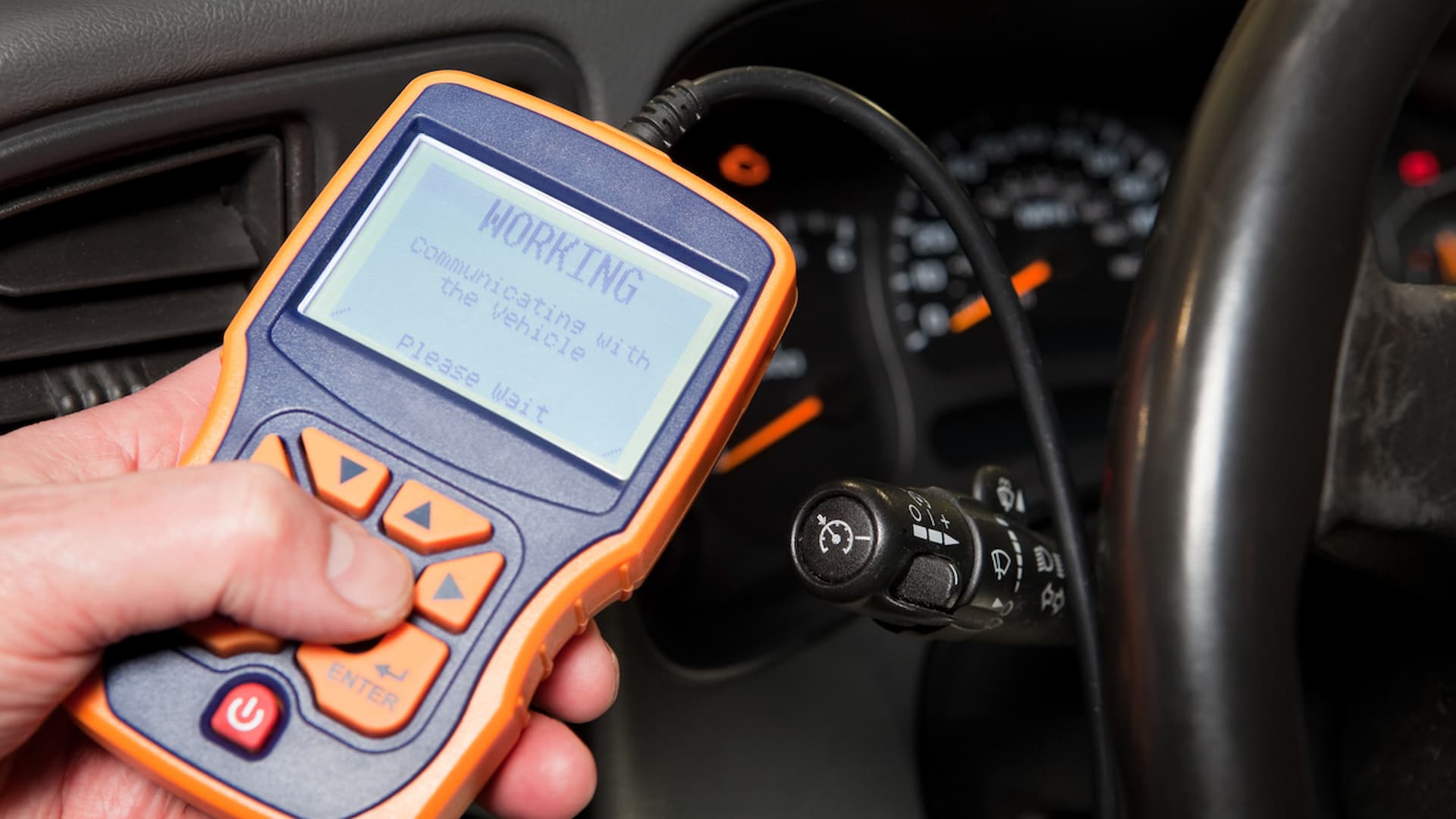
A healthy car battery should read between 12.4 and 12.7 volts when the engine is off and 13.7 to 14.7 volts when running.
If you've ever popped your hood, glanced at the battery, and wondered whether those numbers on your multimeter actually mean something good or bad, you're not alone. Understanding what should a car battery voltage be is one of the simplest yet most overlooked parts of vehicle ownership. I've spent years diagnosing electrical issues in everything from daily commuters to classic muscle cars, and I can tell you this: voltage readings tell a story. They reveal whether your battery is strong, struggling, or on its last legs. In this guide, I'll walk you through everything you need to know about car battery voltage, from resting readings to charging behavior, so you can spot problems before they leave you stranded.
What Is Car Battery Voltage and Why Does It Matter
Car battery voltage is the electrical pressure your battery uses to push current through your vehicle's starter, lights, and electronics. Think of it like water pressure in a hose. The higher the pressure, the more work it can do. A standard 12-volt automotive battery isn't actually exactly 12 volts. It's a lead-acid battery made up of six cells, each producing roughly 2.1 volts, which adds up to about 12.6 volts when fully charged.
This matters because every electrical component in your car depends on a stable voltage range. Too little voltage and your starter cranks slowly or not at all. Too much voltage and you risk damaging sensitive electronics like your alternator, ECU, or infotainment system. Voltage is the heartbeat of your car's electrical system, and monitoring it can save you hundreds of dollars in repairs.
What Should a Car Battery Voltage Be When the Car Is Off
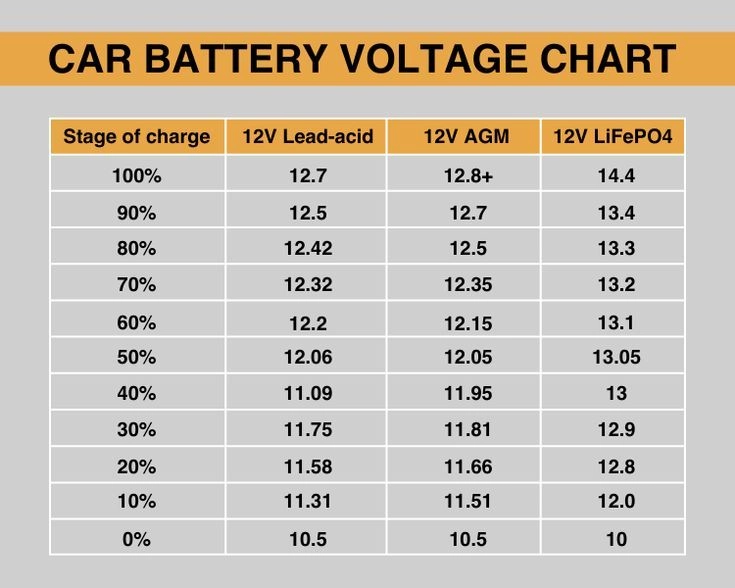
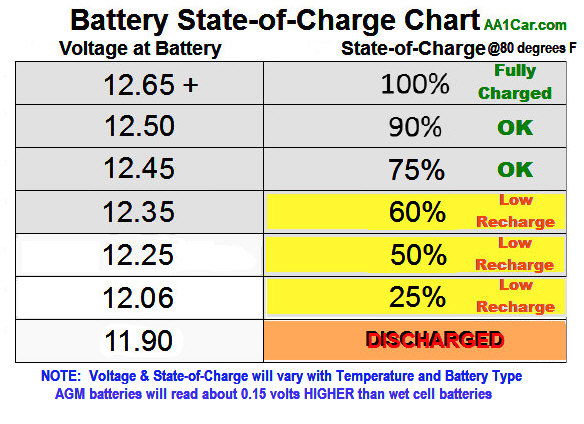
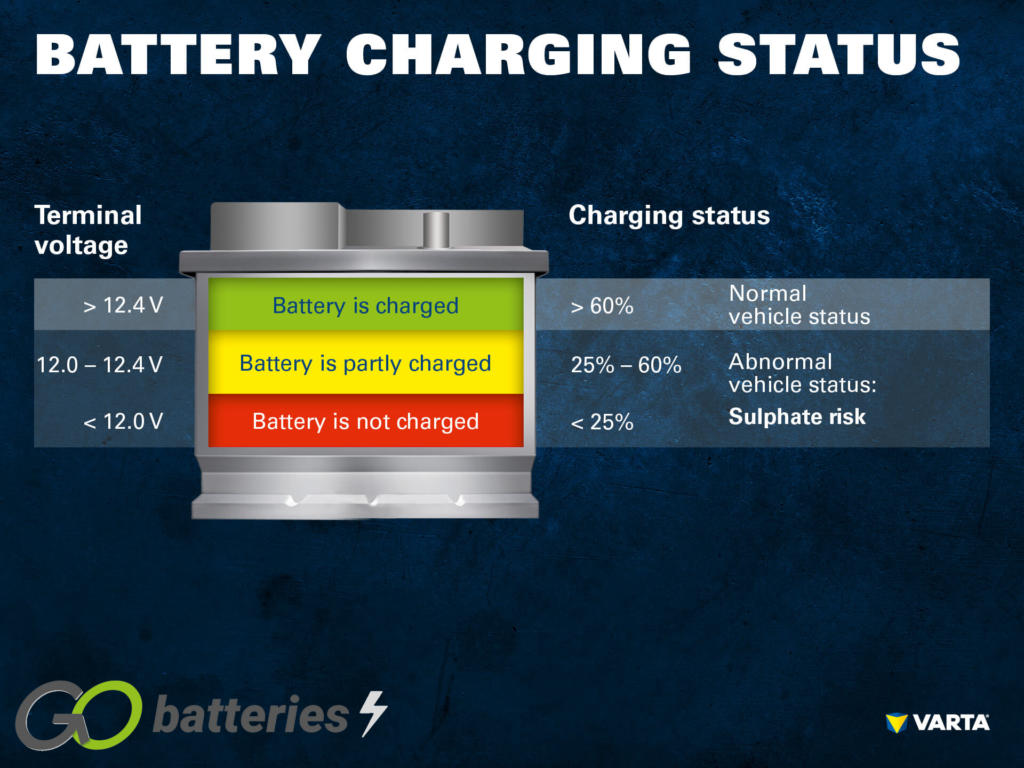
When your engine is off and the battery has been resting for at least a few hours, a healthy reading falls between 12.4 and 12.7 volts. This is called the resting voltage, and it's the truest measure of your battery's state of charge.
Here's a quick breakdown of what those numbers mean:
- 12.6 to 12.7 volts: Fully charged and in excellent condition.
- 12.4 volts: About 75 percent charged. Still healthy, but worth keeping an eye on.
- 12.2 volts: Roughly 50 percent charged. Time to think about charging or replacement.
- 12.0 volts or below: Significantly discharged. Your battery may be sulfated or failing.
I've tested batteries that read a perfect 12.6 volts after sitting overnight, only to drop to 11.8 volts under a load test. That's a sign of a weak cell or internal damage. If your resting voltage is below 12.2 volts regularly, your battery is likely on borrowed time.

What Should a Car Battery Voltage Be When the Engine Is Running
Once you start the engine, your alternator takes over and begins charging the battery. Under normal conditions, voltage should read between 13.7 and 14.7 volts. This range allows the alternator to replenish the energy used during startup while powering all your accessories.
If you're seeing readings outside this window, something is off:
- Below 13.5 volts: The alternator may not be charging properly, or there could be a loose belt or corroded connection.
- Above 15.0 volts: The voltage regulator might be failing, which can overcharge and damage your battery.
- Fluctuating readings: Often points to a bad ground, dirty terminals, or a failing alternator diode.
I remember a customer who came in complaining that his headlights kept flickering at idle. A quick voltage check showed 13.2 volts running and 11.9 volts off. Turned out his alternator was barely putting out enough juice to keep the battery alive. A new alternator and a clean ground wire fixed everything.
How to Measure Car Battery Voltage Accurately
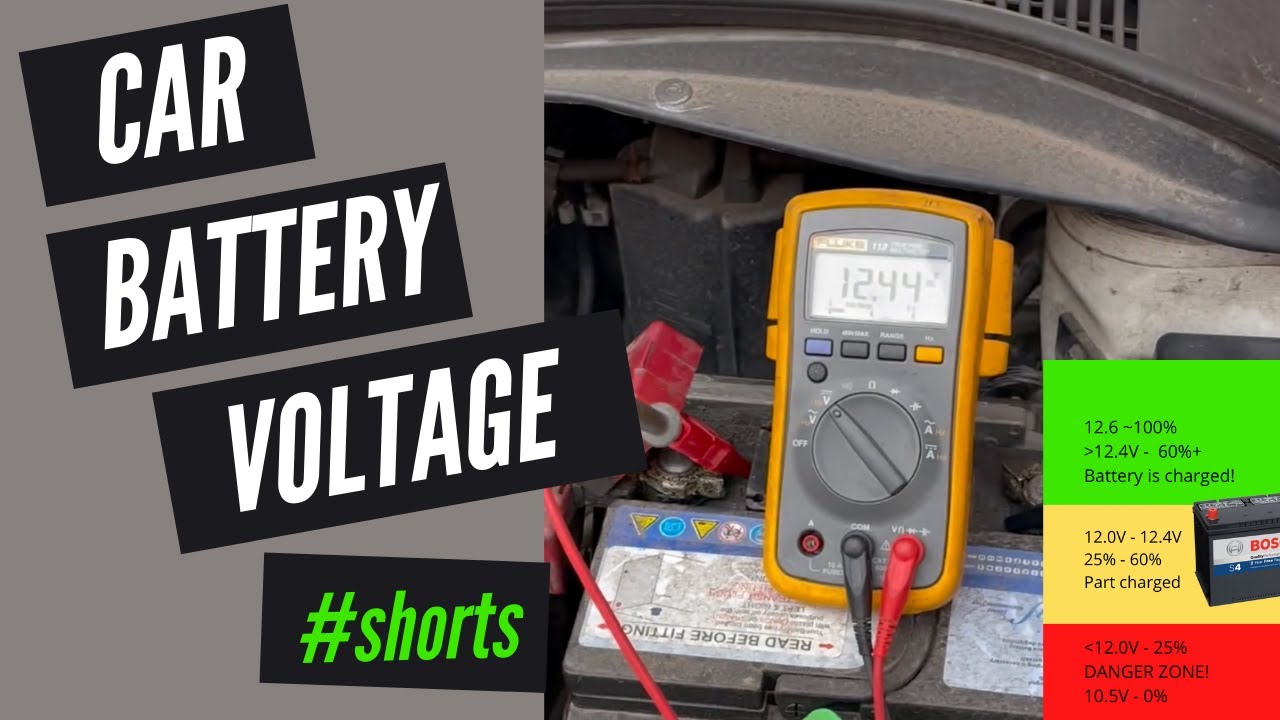
Getting a reliable reading is easier than most people think. All you need is a digital multimeter, which you can pick up for under $20.
- Turn off your engine and all accessories like lights, radio, and climate control.
- Wait at least 15 minutes to let the surface charge dissipate. For the most accurate resting voltage, wait a few hours or check first thing in the morning.
- Set your multimeter to DC volts, usually the 20V setting.
- Connect the red probe to the positive terminal, marked with a plus sign or red cover.
- Connect the black probe to the negative terminal, marked with a minus sign or black cover.
- Read the display and compare it to the healthy ranges above.
If you want to check voltage under load, turn on your headlights and blower motor while measuring. A healthy battery should not drop below 10.0 volts during this test. If it does, the battery lacks the cranking power needed to start reliably.
Factors That Affect Car Battery Voltage
Several things can influence voltage readings, and understanding them helps you interpret results correctly.
Temperature plays a big role. Cold weather slows down the chemical reaction inside your battery, which can temporarily lower voltage. A battery that reads 12.4 volts in winter might read 12.6 volts in summer. Heat does the opposite, accelerating internal corrosion and shortening lifespan.
Age matters too. Most car batteries last 3 to 5 years. As they age, their ability to hold a charge drops. If your battery is over four years old and showing lower readings, replacement is probably close.
Driving habits also affect voltage. Short trips where the engine runs for less than 20 minutes don't give the alternator enough time to fully recharge the battery. Over time, this leads to a chronically undercharged battery, which causes sulfation and permanent damage.
Accessory load is another factor. If you often run high-draw accessories like heated seats, aftermarket audio systems, or off-road lights while idling, your battery and alternator work harder. This can show up as lower resting voltage if the battery never gets a chance to fully recover.
Signs Your Car Battery Voltage Is Too Low or Too High
Voltage problems usually come with warning signs. If you notice any of these, it's worth checking your battery right away.
Slow engine cranking is the most common symptom. The starter sounds sluggish, like it's turning through molasses. This happens when voltage drops below the threshold needed to spin the starter motor at full speed.
Dim or flickering headlights often indicate voltage instability. If your lights brighten when you rev the engine and dim at idle, your alternator is likely struggling to keep up.
Battery warning light on the dash is a clear signal something is wrong. It could mean low voltage, high voltage, or a charging system fault.
Swollen or bloated battery case is a serious sign of overcharging. If your voltage regulator has failed, the battery can overheat and expand. This is dangerous and requires immediate attention.
Corroded terminals can mimic low voltage symptoms by creating resistance. A white or greenish powder around your terminals means you need to clean them before getting accurate readings.
How to Maintain Proper Car Battery Voltage
Keeping your battery in the healthy voltage range doesn't take much effort, but it does require consistency.
Drive your car regularly, especially if it's not your daily driver. A 30-minute drive once a week helps maintain charge and prevents sulfation.
Keep terminals clean by disconnecting them and scrubbing with a wire brush and a baking soda paste. Rinse with water and dry thoroughly before reconnecting.
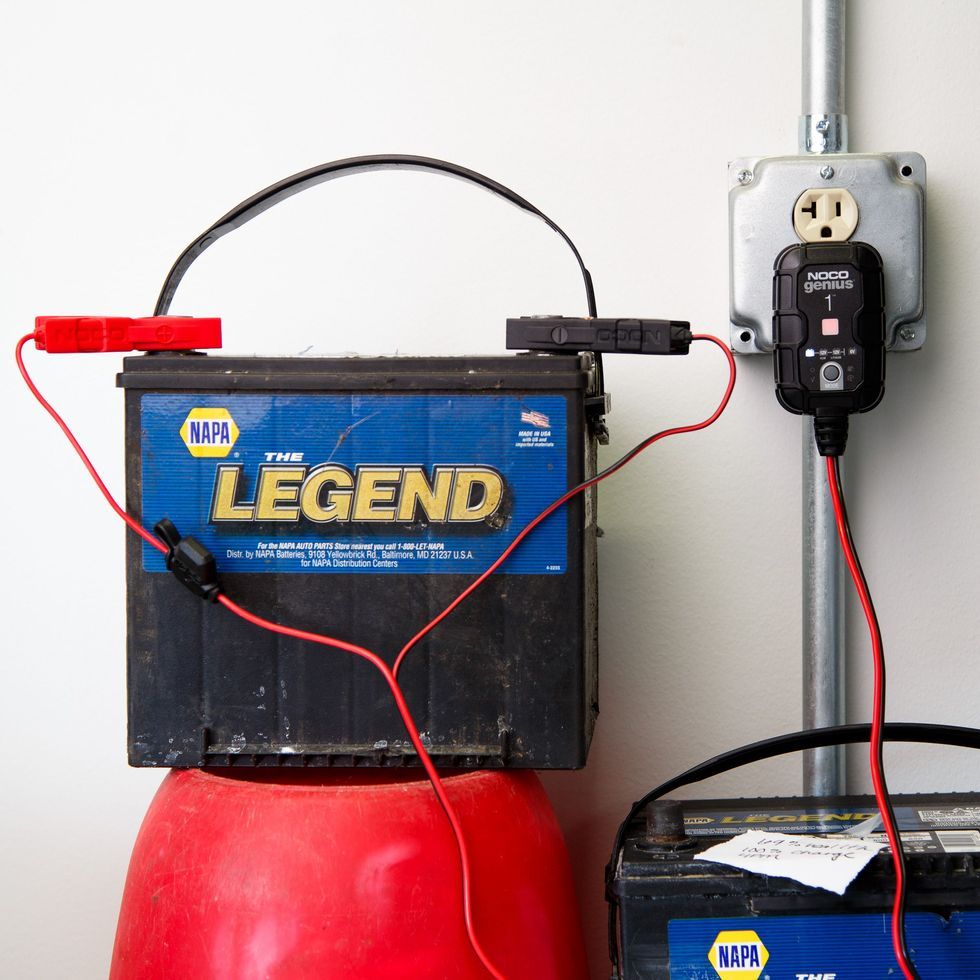
Use a battery maintainer or trickle charger if your car sits for long periods. These devices keep the battery at a full charge without overcharging it.
Check voltage monthly as part of routine maintenance. Catching a weak battery early gives you time to charge or replace it on your schedule, not when you're stranded.
Avoid deep discharges by turning off lights and accessories when the engine isn't running. Leaving your headlights on for an hour can drop voltage to dangerous levels.
Common Myths About Car Battery Voltage
Over the years, I've heard a lot of misinformation about battery voltage. Let me clear up a few common myths.
Myth 1: A new battery always shows 12.6 volts. Not necessarily. New batteries can sit on shelves for months, and their charge may be lower until they're topped off. Always check voltage after purchase.
Myth 2: If the car starts, the battery is fine. Not always. A weak battery can still start the engine on a warm day but fail the next morning or in cold weather.
Myth 3: Higher voltage means a stronger battery. Within reason, yes, but only when the engine is running. A resting voltage above 12.7 volts is unusual and could indicate a surface charge from recent charging.
Myth 4: You never need to check battery voltage. False. Voltage is one of the earliest indicators of battery health. Waiting until the car won't start is reactive, not preventive.
Frequently Asked Questions
What voltage is too low for a car battery?
Any resting voltage below 12.2 volts indicates a partially discharged battery. Below 12.0 volts is considered deeply discharged and can lead to permanent damage if not addressed quickly.
Can a car battery show 12 volts and still be good?
Yes, 12.0 volts is technically within a usable range, but it means the battery is only about 25 percent charged. It will likely struggle to start the engine and should be charged soon.
How often should I check my car battery voltage?
Checking once a month is a good habit, especially in extreme temperatures or if your battery is over three years old. Frequent checks help you catch problems early.
What does it mean if my car battery voltage keeps dropping?
If your resting voltage drops overnight, you may have a parasitic drain, a failing battery, or a charging system issue. A mechanic can perform a parasitic draw test to find the culprit.
Is 14.8 volts too high when running?
Slightly. While 13.7 to 14.7 is normal, 14.8 volts is on the edge and could indicate a failing voltage regulator. It's worth monitoring closely to prevent damage.
Conclusion
Knowing what should a car battery voltage be empowers you to take control of your vehicle's health. A healthy battery rests between 12.4 and 12.7 volts and runs between 13.7 and 14.7 volts. Anything outside these ranges deserves attention. By checking voltage regularly, keeping terminals clean, and understanding the signs of trouble, you can extend your battery's life and avoid the frustration of a dead battery at the worst possible moment. Treat your battery like the vital component it is, and it will reward you with reliable starts for years to come. Got questions or your own battery story to share? Drop a comment below, and don't forget to subscribe for more practical car care tips.