Reserve capacity on a car battery is the number of minutes a fully charged battery can run essential accessories if the alternator fails. If you've ever wondered what that mysterious number on your battery label really means, you're about to find out. I've spent years working with car batteries, testing them, replacing them, and yes, even getting stranded once because I ignored this spec. Trust me, by the end of this guide, you'll know exactly why reserve capacity matters, how to use it, and how to pick the right battery for your ride. Let's dive in.
What Exactly Is Reserve Capacity?
Think of reserve capacity (often abbreviated RC) as your battery's emergency fuel tank. It tells you how long your battery can keep the lights on, so to speak, when things go wrong.
Specifically, reserve capacity is defined as the number of minutes a new, fully charged battery can continuously deliver 25 amps at 80°F (26.7°C) before the voltage drops below 10.5 volts. That 10.5-volt mark is critical because once a 12-volt battery falls below that, it can no longer reliably power your car's electrical system.
In simpler terms, if your alternator suddenly dies while you're driving, reserve capacity is what keeps your headlights, radio, and ignition running until you can safely pull over or reach a mechanic.
Why Reserve Capacity Matters More Than You Think
Most drivers focus solely on cold cranking amps (CCA), especially if they live in cold climates. And while CCA is important for starting your engine, reserve capacity is the unsung hero that protects you when the unexpected happens.
Here's why RC deserves your attention:
- It keeps you safe if your alternator fails
- It powers accessories when the engine is off
- It protects sensitive electronics from voltage drops
- It extends the life of your battery by preventing deep discharges
- It gives you peace of mind on long trips
Picture this: you're driving down a remote highway at night, and your alternator belt snaps. Without enough reserve capacity, your engine would die within minutes, leaving you stranded in the dark. With a high RC battery, you'd have enough juice to keep your headlights on, hazard lights flashing, and maybe even your phone charging while you call for help.
How Reserve Capacity Is Measured and Rated
Battery manufacturers test RC under controlled conditions, but real-world performance can vary. Here's what affects it:
- Temperature: Extreme heat or cold reduces capacity
- Age: Older batteries hold less charge
- Load: More accessories drain it faster
- Battery health: Sulfation and corrosion lower performance
Most car batteries have an RC rating between 90 and 200 minutes. Compact cars typically need around 90–120 minutes, while luxury vehicles with lots of electronics might require 150+ minutes.
Reserve Capacity vs. Cold Cranking Amps: What's the Difference?
This is one of the most common questions I get, and honestly, I used to confuse the two myself when I first started working on cars.
Cold cranking amps measure how much power a battery can deliver to start your engine in cold weather, specifically for 30 seconds at 0°F while maintaining voltage above 7.2 volts. Think of CCA as your battery's muscle for that initial ignition burst.
Reserve capacity, on the other hand, is about endurance. It's not about starting power; it's about how long the battery can sustain a moderate load when the charging system isn't working.
You need both. CCA gets you going in the morning. RC keeps you going when something breaks.
How to Choose the Right Reserve Capacity for Your Vehicle
Picking the right RC isn't about buying the biggest number you can find. It's about matching the battery to your driving habits and vehicle demands.
Here's what I recommend:
- Check your owner's manual first for the manufacturer's RC specification
- Consider your climate; hotter climates benefit from higher RC
- Think about your accessory usage; if you run lots of electronics, go higher
- Don't forget about your driving patterns; short trips don't allow full recharging
- Upgrade if you tow, off-road, or use winches and high-draw accessories
When I upgraded my own SUV, I went from a battery with 120 minutes of RC to one with 160 minutes. The extra cost was minimal, but the added security during my off-road trips was priceless.
What Happens If Your Reserve Capacity Is Too Low?
I learned this the hard way during a winter road trip a few years back. My car had an older battery with depleted reserve capacity, and when my alternator started acting up, I had barely 20 minutes before everything shut down.
Low RC causes several problems:
- Your car dies quickly if the alternator fails
- Electronics reset or malfunction during low-voltage situations
- The battery sulfates faster, shortening its lifespan
- You risk being stranded in unsafe conditions
- Modern features like infotainment systems may not work properly
Tips to Maximize Your Battery's Reserve Capacity
Even the best battery won't perform well if you neglect it. Here are some practical tips I've picked up over the years:
- Keep your battery terminals clean and corrosion-free
- Avoid short trips that don't let the battery fully recharge
- Turn off accessories before shutting off the engine
- Check your charging system annually
- Store your vehicle properly if you don't drive it often
- Use a maintainer if your car sits for extended periods
One thing I've noticed is that many people overlook the simple act of tightening their battery terminals. A loose connection can mimic low reserve capacity symptoms and leave you scratching your head.
Common Misconceptions About Reserve Capacity
Let me clear up a few myths I hear all the time:
- "RC only matters in cold weather" – Wrong. Heat actually damages batteries faster than cold
- "A new battery always has full RC" – Not necessarily; some batteries sit on shelves for months
- "Higher RC means more starting power" – Nope, that's CCA's job
- "All batteries of the same group size have the same RC" – Definitely not; specs vary widely
How to Test Your Battery's Reserve Capacity
You can't easily test RC at home without specialized equipment, but you can get a rough idea of your battery's health with these steps:
- Load test it at an auto parts store (most do this for free)
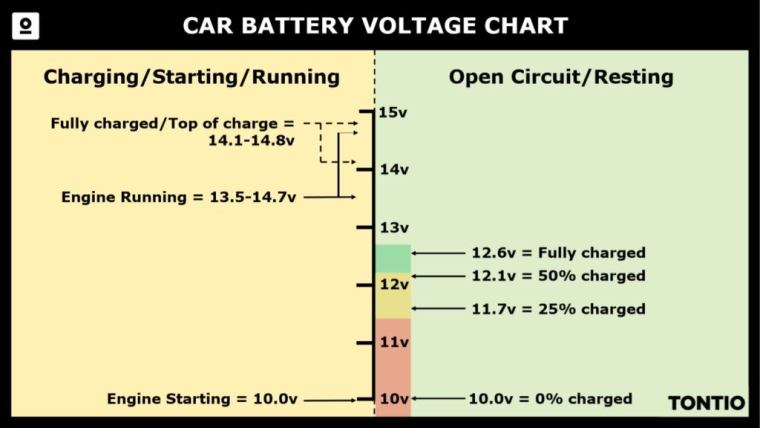
- Check voltage after the car sits overnight; it should read 12.4–12.7 volts
- Observe how long accessories run when the engine is off
- Watch for slow cranking or dim headlights, which signal weak capacity
I usually load-test my batteries every fall before winter sets in. It's a small investment of time that has saved me from more than one cold morning headache.
Reserve Capacity and Modern Vehicle Electronics
Today's cars are basically computers on wheels. Features like heated seats, advanced infotainment, lane-keeping assist, and 360-degree cameras all draw power.
If you drive a newer vehicle packed with tech, reserve capacity matters even more. These systems are sensitive to voltage fluctuations, and a weak battery can cause error codes, glitchy displays, or even transmission issues.
In my experience working with hybrid and start-up vehicles, RC plays a critical role. These systems frequently shut off the engine to save fuel, meaning your battery must reliably handle all electrical loads on its own.
Frequently Asked Questions
What is a good reserve capacity for a car battery?
A good reserve capacity for most passenger vehicles falls between 120 and 150 minutes. If your car has numerous electronic features or you frequently drive in hot climates, look for a battery with 150 minutes or higher.
Is higher reserve capacity better?
Higher reserve capacity generally means more runtime if your alternator fails, but the best RC for you depends on your vehicle's specifications. Going slightly above the recommended RC can provide extra security without harming your electrical system.
Does reserve capacity affect battery life?
Reserve capacity itself doesn't directly determine lifespan. However, batteries with higher RC often have stronger internal construction and can handle deep discharges better, which may extend their useful life.
How is reserve capacity different from amp-hours?
Reserve capacity and amp-hours both measure energy storage. RC is measured in minutes at a specific 25-amp load, while amp-hours measure total charge capacity. RC is more practical for automotive use because it reflects real-world scenarios.
Can a battery have high CCA but low reserve capacity?
Yes, this is common. A battery optimized for starting power may have impressive CCA but lower RC. That's why checking both specs is important, especially if you want reliable performance in all situations.
Wrapping It All Up
Reserve capacity might not be the flashiest spec on a battery label, but it's arguably one of the most important. It's your safety net when things go wrong, your insurance against being stranded, and your guarantee that modern electronics will keep working smoothly.
The next time you're shopping for a car battery, don't just look at CCA. Take a moment to check the reserve capacity, match it to your vehicle's needs, and consider your driving habits. A little extra attention now can save you a lot of headaches later.
If you found this guide helpful, consider subscribing for more practical automotive tips, or drop a comment below with your own battery experiences. I'd love to hear about the time you ignored RC and learned the hard way, because trust me, we all have that story.