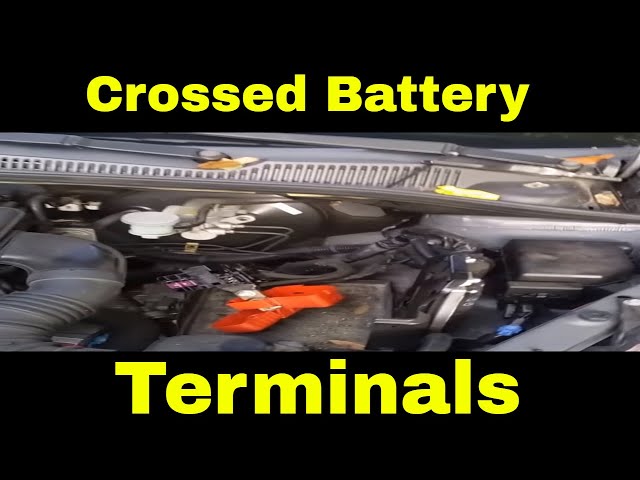
Reversing car battery polarity can cause severe electrical damage, blown fuses, fried components, and even fire risks, often resulting in costly repairs. This common mistake can send a surge of current flowing the wrong way through your vehicle's electrical system, turning a simple battery swap into a nightmare of fried wires, dead modules, and expensive damage.
I learned this the hard way years ago when I was trying to help a friend jump-start their car in a dark parking lot. In my rush, I mixed up the jumper cable connections, attaching the positive cable to the negative terminal and vice versa. The moment I turned the key, I heard a loud pop, saw a flash of sparks, and smelled something burning. That single mistake cost my friend over two thousand dollars in electrical repairs, and it was a painful lesson that taught me just how dangerous and expensive reversed polarity can be.
Whether you are a seasoned mechanic or a first-time car owner, understanding what happens if you connect a car battery backwards is essential knowledge. In this comprehensive guide, I will walk you through the science behind reversed polarity, the specific damage it can cause, how to recognize the warning signs, and most importantly, how to prevent this costly mistake from happening to you.
Understanding Car Battery Polarity
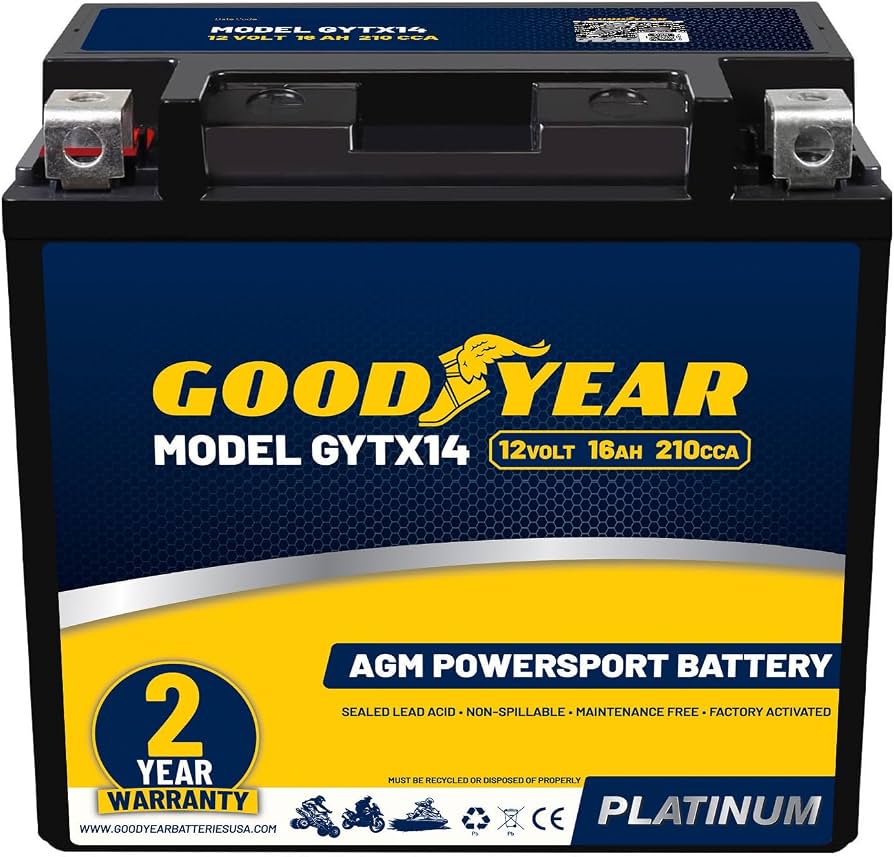
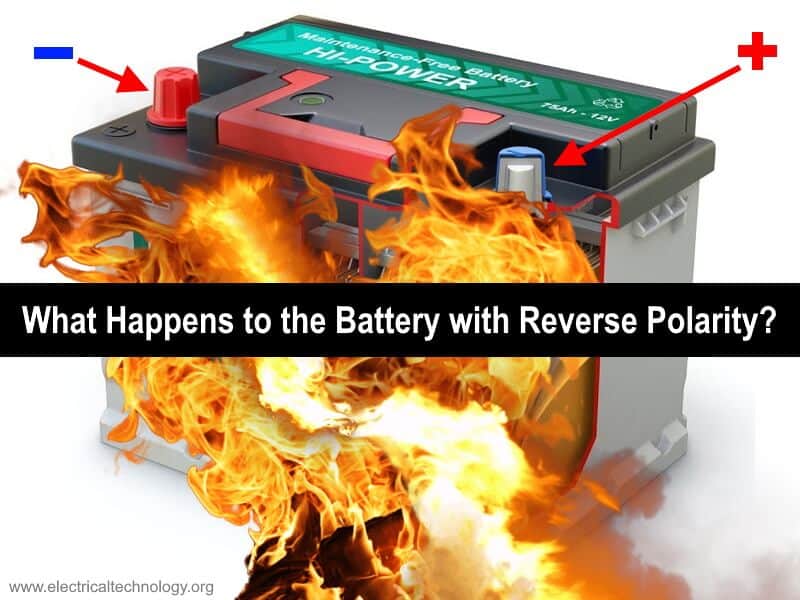
Every car battery has two terminals, one positive and one negative, and each plays a critical role in your vehicle's electrical system. The positive terminal, usually marked with a plus sign and often covered with a red cap, delivers power to your car's components. The negative terminal, marked with a minus sign and typically black, serves as the ground connection, completing the electrical circuit.
When you connect a battery correctly, current flows from the positive terminal through your vehicle's electrical system and back to the negative terminal. This creates a controlled loop that powers everything from your headlights to your engine control unit. Reversing this connection flips the entire flow, sending electricity backward through circuits never designed to handle it.
Think of it like plumbing in your house. If water flows backward through your pipes, it can damage faucets, contaminate clean water lines, and create pressure problems everywhere. Electrical systems work the same way, except instead of water, you have powerful current that can destroy sensitive components in milliseconds.
What Happens the Moment You Connect It Backwards
The instant you attach the cables incorrectly and complete the circuit, a chain reaction begins. Current rushes in the wrong direction, and your vehicle's electrical components have no protection against this reversed flow.
Several things typically happen almost simultaneously:
- Massive current spike that exceeds the design limits of most components
- Immediate heating of wires and circuit boards as they try to handle reversed flow
- Diodes in the alternator fail because they only allow current to pass one direction
- Fuses blow as they try to protect downstream components
- Electronic modules receive reversed voltage and short out internally
The damage can range from minor to catastrophic, depending on how long the reversed connection stays in place and which components happen to be most vulnerable at that moment.
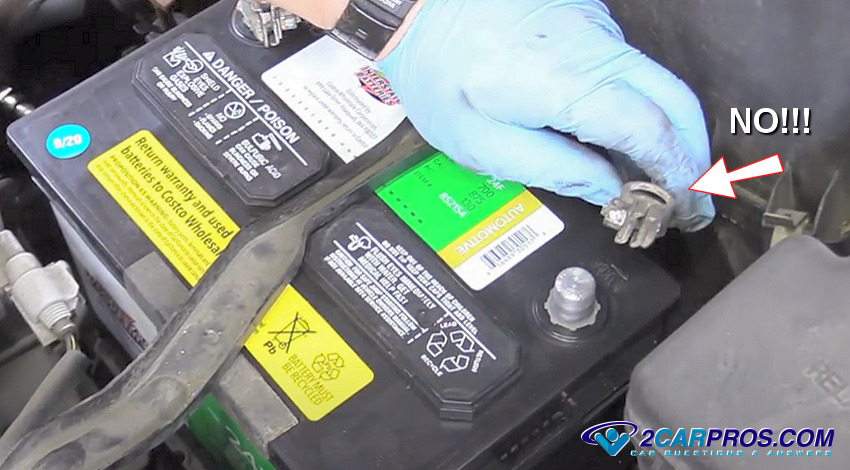
Common Components That Get Damaged
The Alternator and Its Diodes
The alternator is one of the first casualties of reversed polarity. Inside every alternator sits a diode pack, a set of one-way electrical valves that converts alternating current into the direct current your car needs. These diodes only work in one direction, so when you reverse the battery polarity, they essentially get hit with electricity flowing the wrong way.
Most alternators contain six diodes, and even brief reversed polarity can destroy all six at once. A bad alternator diode will usually cause your battery warning light to come on, your battery to drain while driving, or your vehicle to stall and not restart.
The Engine Control Unit (ECU)
Your car's ECU is essentially the brain of the engine, controlling fuel injection, ignition timing, emissions systems, and dozens of other critical functions. Modern ECUs contain microprocessors and memory chips that are extremely sensitive to voltage and polarity.
When you connect a battery backwards, the ECU can suffer immediate internal damage. Symptoms of a fried ECU include the engine not starting, random warning lights, rough idling, stalling, or complete loss of communication with diagnostic tools. Replacing an ECU can cost anywhere from five hundred to two thousand dollars, depending on your vehicle.
Fuses and Fusible Links
Fuses are designed to be the sacrificial lambs of your electrical system, blowing before more expensive components get damaged. When you reverse the polarity, the sudden current surge often blows multiple fuses at once.
You might find that your main fuse, ignition fuse, and several smaller fuses all blow simultaneously. While replacing fuses is relatively cheap and easy, the fact that they all blew tells you that significant current flowed somewhere it shouldn't have, and other components may have been damaged in the process.
The Onboard Computer and Infotainment System
Modern vehicles contain dozens of electronic modules beyond just the ECU. Your infotainment system, climate control module, body control module, airbag system, and anti-lock brake module all contain sensitive electronics that can be destroyed by reversed polarity.
These modules often share communication networks like CAN bus, so damage to one module can sometimes cascade and cause communication errors throughout the entire system. Diagnosing these issues can take hours of professional labor, adding hundreds of dollars to your repair bill.

Warning Signs That You Have Reversed Polarity
Sometimes you realize your mistake immediately, but other times, you might only notice the damage after the fact. Here are the most common warning signs that your battery has been connected backwards:
- Smoke or burning smell coming from the battery or engine bay
- Visible sparking at the battery terminals when you connect them
- Multiple blown fuses when you try to start the car
- Dashboard warning lights that were not on before
- Complete electrical failure where nothing works
- Melted or distorted battery cables
- Battery feels extremely hot to the touch
- Electrolyte leaking from the battery vents
If you notice any of these signs, the safest course of action is to disconnect the battery immediately and have your vehicle inspected by a professional before attempting to start it again.
Can a Car Battery Actually Explode
Yes, this is one of the most serious dangers of reversed polarity. When you connect a battery backwards and then attempt to crank the engine, the massive current flow can cause the battery to overheat rapidly. The electrolyte inside the battery is a mixture of sulfuric acid and water, and when it gets hot enough, it produces hydrogen gas.
Hydrogen is extremely flammable, and the heat from the reversed connection can ignite this gas, causing the battery to explode. An exploding battery can spray sulfuric acid everywhere, send plastic shrapnel flying, and cause serious injuries. I have seen batteries that looked like they had been through a small war after reversed polarity incidents, with the case cracked open and acid pooled underneath.

Steps to Take If You Realize Your Mistake
If you catch your mistake before doing any serious damage, quick action can save you thousands of dollars:
- Turn off the ignition and remove the key immediately
- Disconnect the negative cable first to break the circuit
- Inspect the battery terminals for heat, melting, or sparking damage
- Check the battery cables for any signs of burning or distortion
- Do not attempt to start the vehicle until you have inspected everything
- Test the battery voltage with a multimeter to verify it is still functional
- Replace any visibly damaged cables or connectors
- Have the electrical system professionally tested before driving
Acting within the first few seconds can mean the difference between a simple fix and a massive repair bill.
How to Prevent Connecting a Battery Backwards
Prevention is always better than repair, and there are several simple steps you can take to avoid this expensive mistake:
- Always identify the positive and negative terminals before connecting anything
- Replace lost or damaged terminal covers so the markings are always visible
- Use color-coded cables when possible, red for positive and black for negative
- Work in good lighting so you can clearly see what you are doing
- Never rush a battery installation, no matter how simple it seems
- Disconnect the negative cable first when removing a battery
- Connect the positive cable first when installing a battery
- Keep your phone's flashlight handy if you are working in a dim area
- If you are unsure, ask someone with experience to help or supervise
A few extra minutes of careful work can save you thousands of dollars and countless hours of frustration.

Repair Costs You Might Face
The cost of repairing reversed polarity damage varies wildly depending on your vehicle and how long the reversed connection stayed in place. Here is a general idea of what you might expect:
- Basic fuse replacement: twenty to fifty dollars
- Alternator replacement: three hundred to eight hundred dollars
- ECU replacement and programming: five hundred to two thousand dollars
- Complete wiring harness repair: one thousand to three thousand dollars
- Infotainment system replacement: five hundred to two thousand dollars
- Total electrical system rebuild: three thousand to ten thousand dollars or more
These numbers explain why taking a few extra minutes to double-check your connections is always worth the effort.
Jump-Starting Mistakes Are the Most Common Cause
In my experience working on cars and helping friends with battery issues, the vast majority of reversed polarity incidents happen during jump-starts. People are often in a hurry, working in poor lighting, or feeling pressure from other drivers waiting behind them.
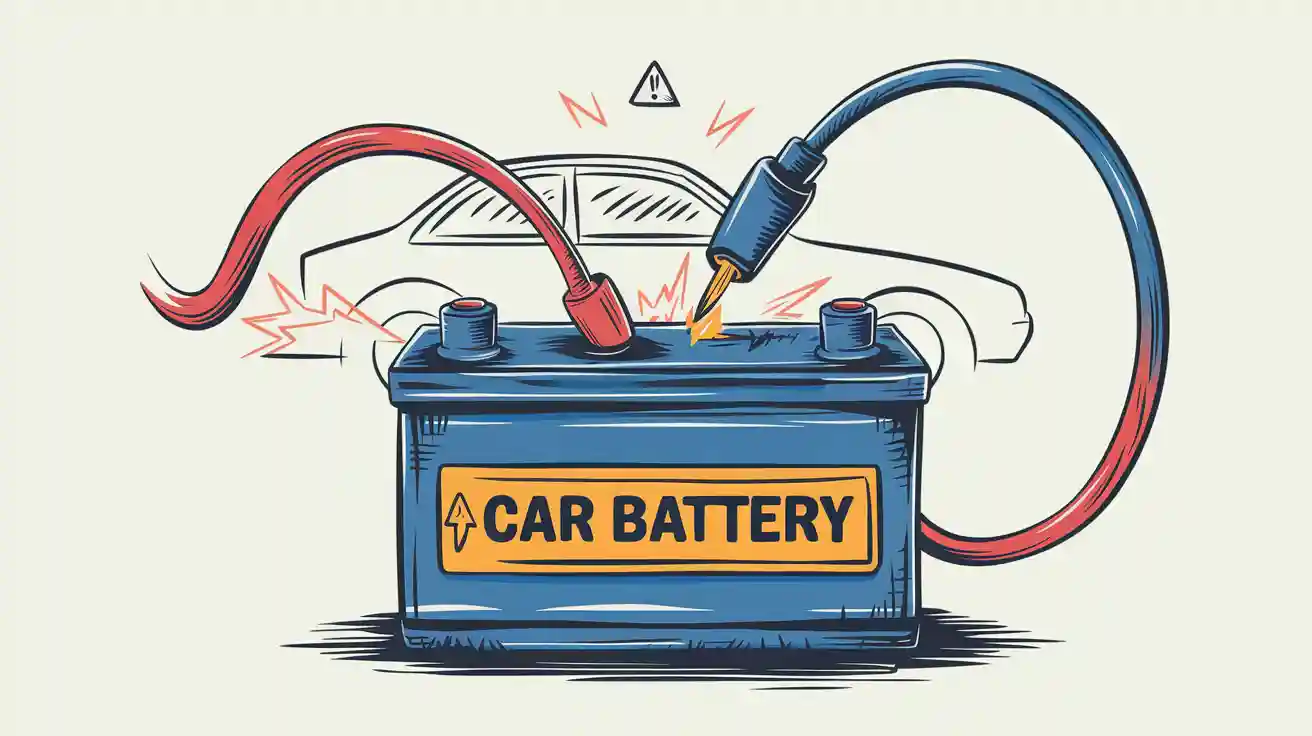
The classic mistake goes like this: one person connects the positive cable correctly, but the second person attaches the other end of the positive cable to the dead car's negative terminal instead of the positive terminal. Then when they connect the negative jumper cable, they create a reversed circuit that sends power flowing the wrong way.
Another common scenario involves people attaching jumper cables in the wrong order or mixing up which terminal is which on the dead vehicle. Taking a deep breath, identifying each terminal clearly, and connecting cables slowly and deliberately can prevent this mistake entirely.
Frequently Asked Questions
Will a car still run if the battery is connected backwards?
No, a car will not run properly with reversed battery polarity. The reversed voltage confuses the electronic modules, prevents the alternator from charging, and can cause immediate shutdown of critical systems. Even if the engine somehow starts, it will run poorly and likely stall within moments.
How long does it take for damage to occur when connecting a battery backwards?
Damage can begin in less than one second. The moment the reversed circuit is complete, current flows in the wrong direction, and sensitive components start failing. The longer the connection stays in place, the more extensive the damage becomes.
Can you fix reversed polarity damage yourself?
Minor damage like blown fuses can be fixed at home, but most reversed polarity damage requires professional diagnosis and repair. Electronic modules often need to be replaced and reprogrammed, and wiring issues can be complex and dangerous to handle without proper training.
Does insurance cover reversed polarity damage?
Standard auto insurance policies typically do not cover mechanical failures or DIY mistakes, but comprehensive coverage might help in some cases. If a mechanic made the mistake, their shop insurance might cover the damage. Always document everything and file a claim if you believe the damage resulted from someone else's error.
Is it safe to touch a battery that was connected backwards?
A battery that experienced reversed polarity can be extremely hot, leak acid, or have damaged terminals that pose shock and burn risks. Always wear protective gloves and eyewear, and let the battery cool down before attempting to handle it. If you see any swelling, cracking, or leaking, treat the battery as hazardous and dispose of it properly.
Wrapping Up the Discussion
Connecting a car battery backwards is one of the most expensive and dangerous mistakes a vehicle owner can make. The damage ranges from blown fuses costing a few dollars to complete electrical system rebuilds costing thousands, and the risk of battery explosion adds genuine physical danger to the equation. By understanding how polarity works, recognizing the warning signs, and taking your time when installing or jump-starting a battery, you can easily avoid this costly mistake.
Every time you work on your car's battery, remember that a few extra minutes of careful attention can save you days of repair shop visits and thousands of dollars in parts. Share this knowledge with friends and family members who might be tempted to rush through a battery job, and always keep the right tools and protective gear on hand for any automotive electrical work.
If you found this guide helpful, consider bookmarking it for future reference or sharing it with someone who might benefit. Have you ever experienced reversed polarity damage or witnessed the consequences firsthand? Drop your story in the comments below, and let us learn from each other's experiences.