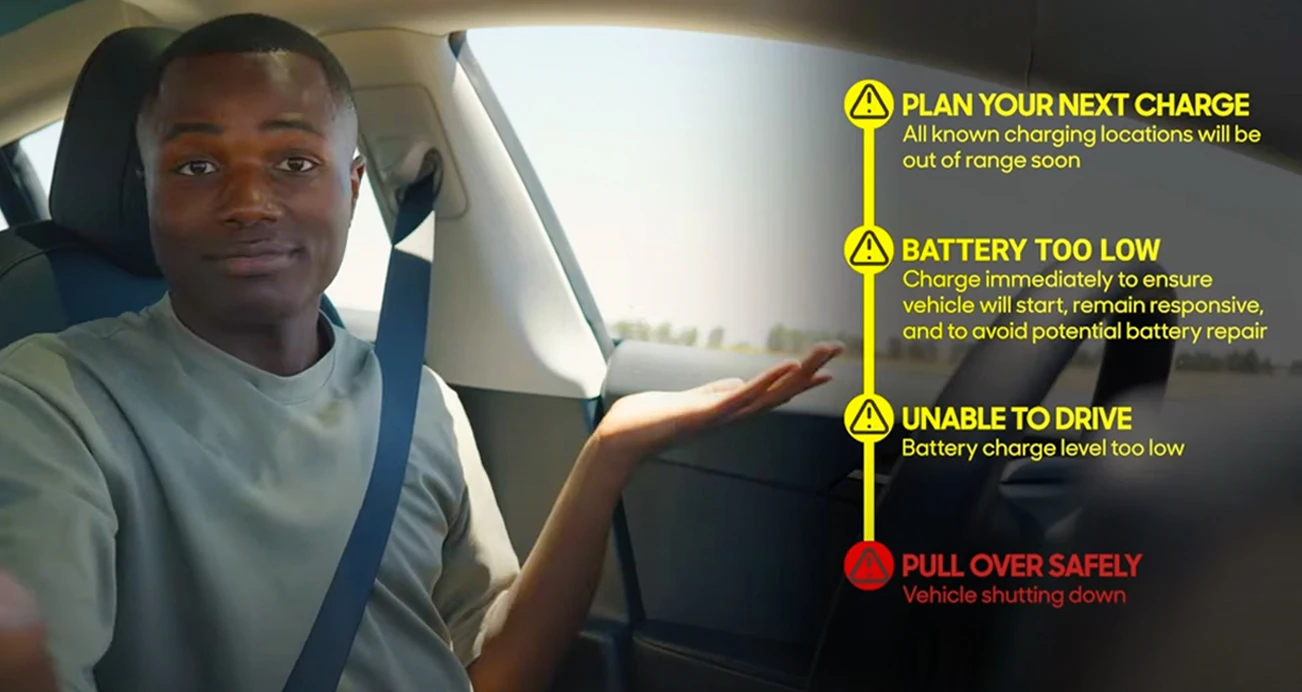
When your car battery dies, the engine won't start, electronics shut down, and you're left with a vehicle that can't move until the battery is recharged or replaced.
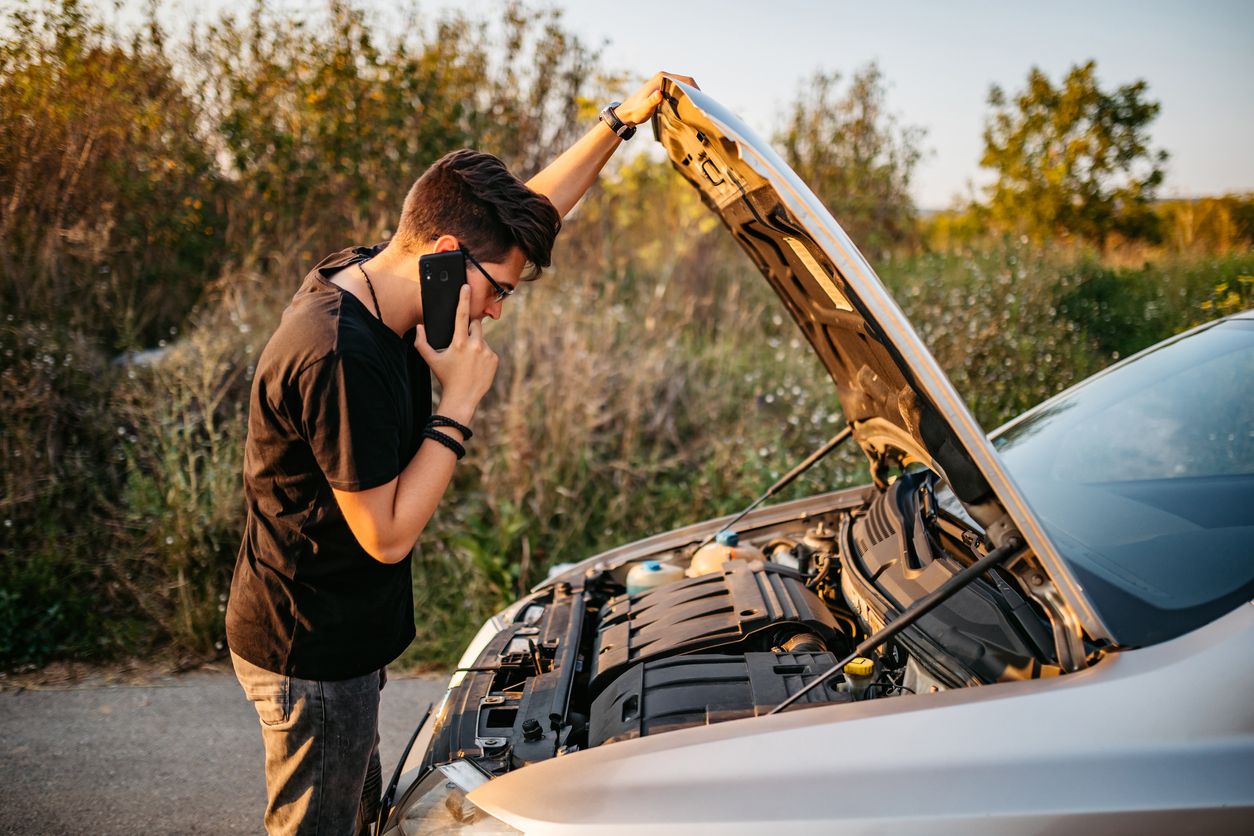
Imagine this: you turn the key one morning, ready to head to work, and all you hear is a slow clicking sound. No roar of the engine, no dashboard lights, no radio. That frustrating silence is something most drivers face at some point. A dead battery doesn't just stop your car; it affects your entire day, your plans, and sometimes even your safety. Knowing exactly what happens when your car battery dies, why it happens, and what you can do about it can save you time, stress, and money. Let me walk you through everything I've learned from years of dealing with batteries, jump-starts, and roadside headaches.
Understanding Your Car Battery and Why It Dies
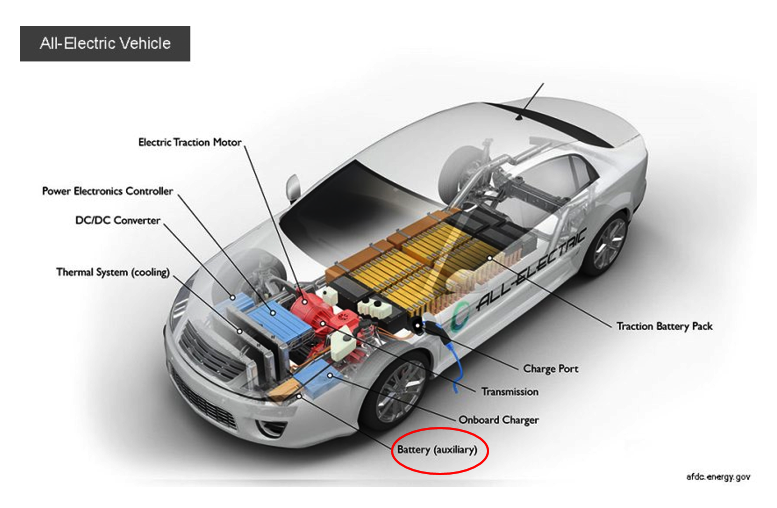
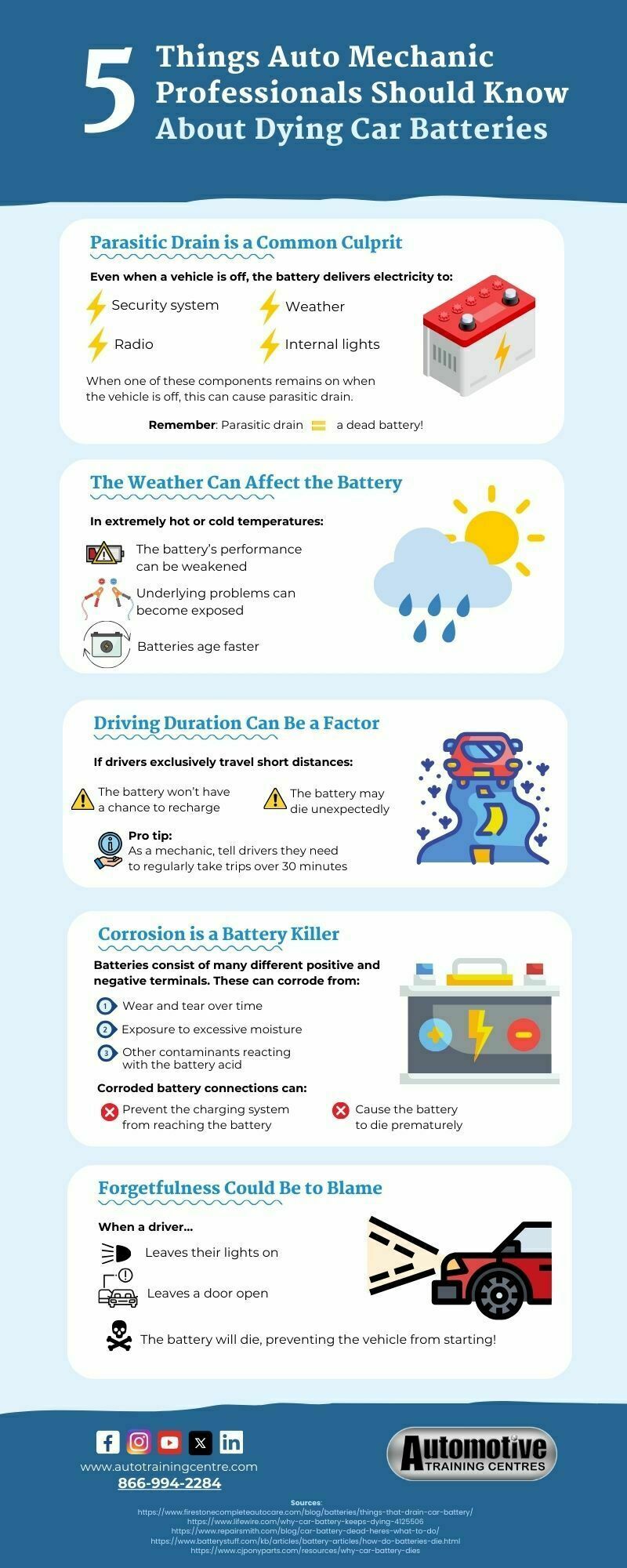
Your car battery is the heart of the electrical system. It stores the energy needed to start your engine and powers accessories like lights, radio, and sensors when the engine is off. Once the engine runs, the alternator takes over and keeps the battery charged. But when something breaks in that cycle, trouble follows.
A dead battery simply means it doesn't have enough stored electrical charge to do its job. It could be completely drained or so weak that it can't deliver the burst of power the starter motor needs. This is one of the most common reasons cars fail to start, especially in extreme weather.
Common Causes of a Dead Battery
There are several reasons a battery loses charge, and understanding them helps you prevent future problems:
- Leaving headlights or interior lights on overnight
- Extreme cold or hot temperatures that weaken battery cells
- A failing alternator that doesn't recharge the battery while driving
- Corroded or loose battery terminals that block power flow
- Short trips that don't give the alternator enough time to recharge
- An old battery that has reached the end of its service life
- Parasitic drains from electronics that continue pulling power when the car is parked
Signs Your Battery Is About to Die
Before a battery fails completely, it usually gives warning signs. If you notice any of these, it's time to act before you get stranded:
- The engine cranks slowly or makes a clicking sound
- Dashboard lights flicker or appear dim
- The check engine or battery warning light turns on
- Electronics behave erratically, like windows moving slowly
- A swollen or bloated battery case
- A rotten egg smell near the engine bay
I've personally had batteries die at the worst possible moments, like in a grocery store parking lot on a freezing night. That's why I always pay attention to these early warnings now.
What Happens Step by Step When Your Battery Dies
When the battery loses its charge, the effects cascade through the entire vehicle. Here's what typically happens:
- The starter motor can't engage because it lacks the electrical current needed to turn the engine.
- The engine control module, fuel pump, and ignition system all depend on battery voltage, so they shut down too.
- All electrical accessories stop working, including power windows, locks, lights, and infotainment systems.
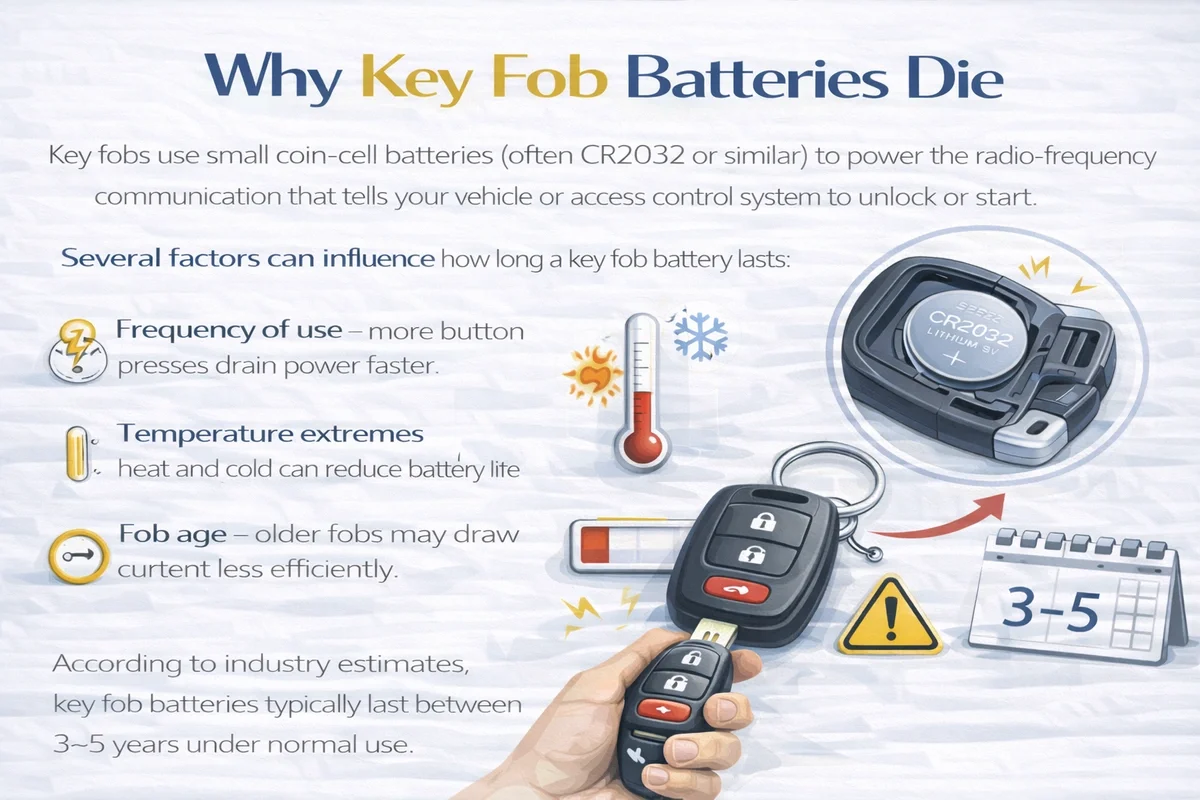
- In keyless vehicles, the smart key may not be recognized, and the doors might not unlock.
- The car goes completely unresponsive, sitting silently when you try to start it.
It's like pulling the plug on a small machine. Everything that relies on stored electrical energy simply goes dark.
The Difference Between a Dead Battery and Other Issues
Not every no-start situation means a dead battery. Sometimes the issue is the starter, alternator, or fuel system. Here's how you can roughly tell:
- If you hear a clicking sound but the engine doesn't turn over, the battery is likely weak or the starter is faulty.
- If the engine cranks but doesn't start, the problem may be fuel, spark, or sensors.
- If the car starts with a jump but dies shortly after, the alternator is probably failing.
- If everything is completely dead, even with a jump, there could be a blown fuse or wiring issue.
Can a Dead Battery Recharge on Its Own?
A completely dead battery won't recover by sitting idle. However, if it's only slightly drained, driving for 30 minutes or longer may let the alternator recharge it enough to start the engine next time. But if the battery is old or deeply discharged, it usually needs an external charger or a jump-start from another vehicle.
How to Jump-Start a Dead Battery the Right Way
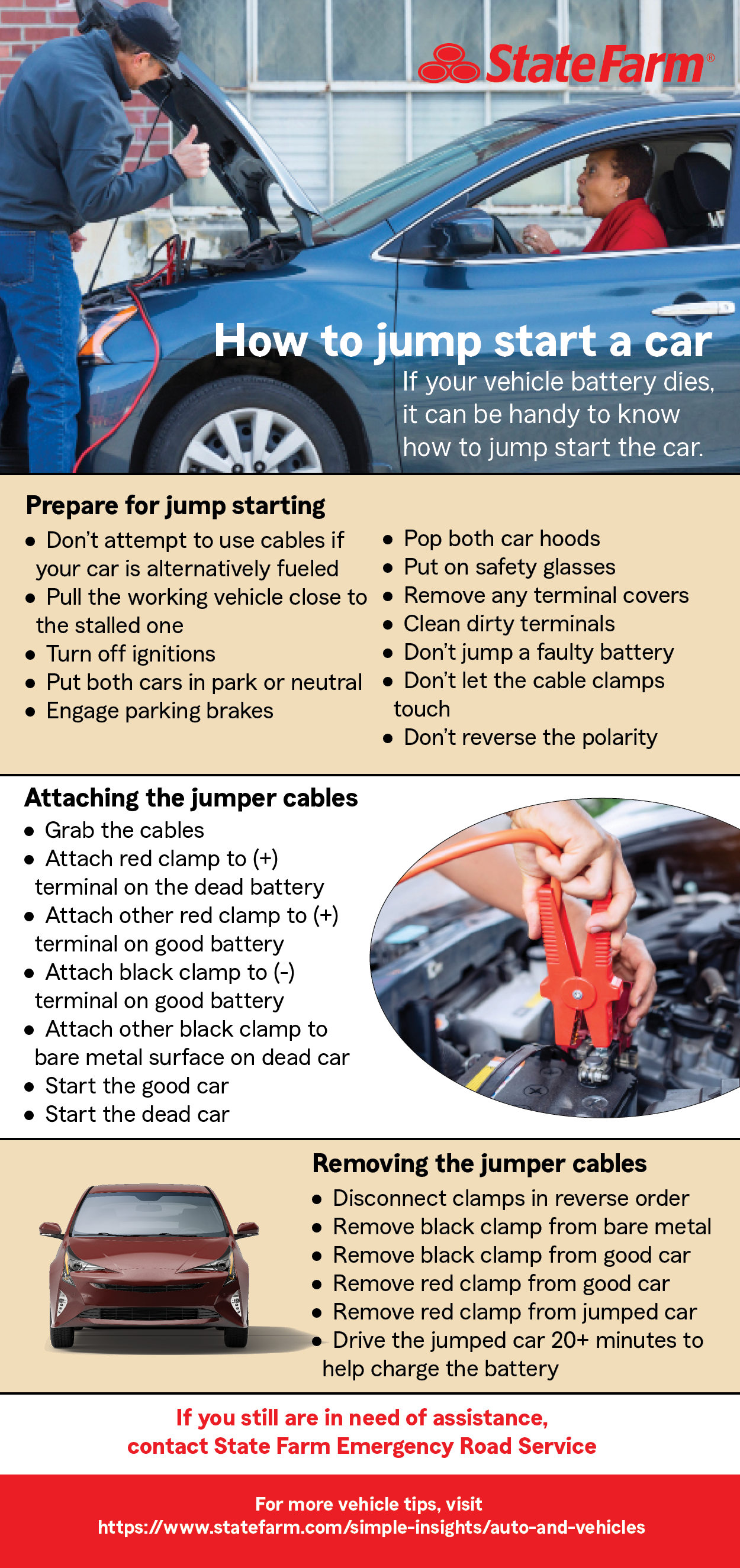
Jump-starting is the fastest way to get moving when your battery dies. But doing it wrong can damage your car or even cause injury. Here's the safe, step-by-step method I follow every time:
- Park a working vehicle close enough so the jumper cables can reach both batteries.
- Turn off both cars and remove the keys.
- Connect the red positive cable to the dead battery's positive terminal.
- Connect the other end of the red cable to the good battery's positive terminal.
- Connect the black negative cable to the good battery's negative terminal.
- Attach the other end of the black cable to an unpainted metal surface on the dead car, away from the battery.
- Start the working car and let it run for a few minutes.
- Try starting the dead car. If it starts, leave it running while gently removing the cables in reverse order.
Safety Tips I Always Follow
- Never let the cable clamps touch each other while connected.
- Avoid smoking or creating sparks near the battery.
- If the battery is cracked or leaking, don't attempt a jump; call for help.
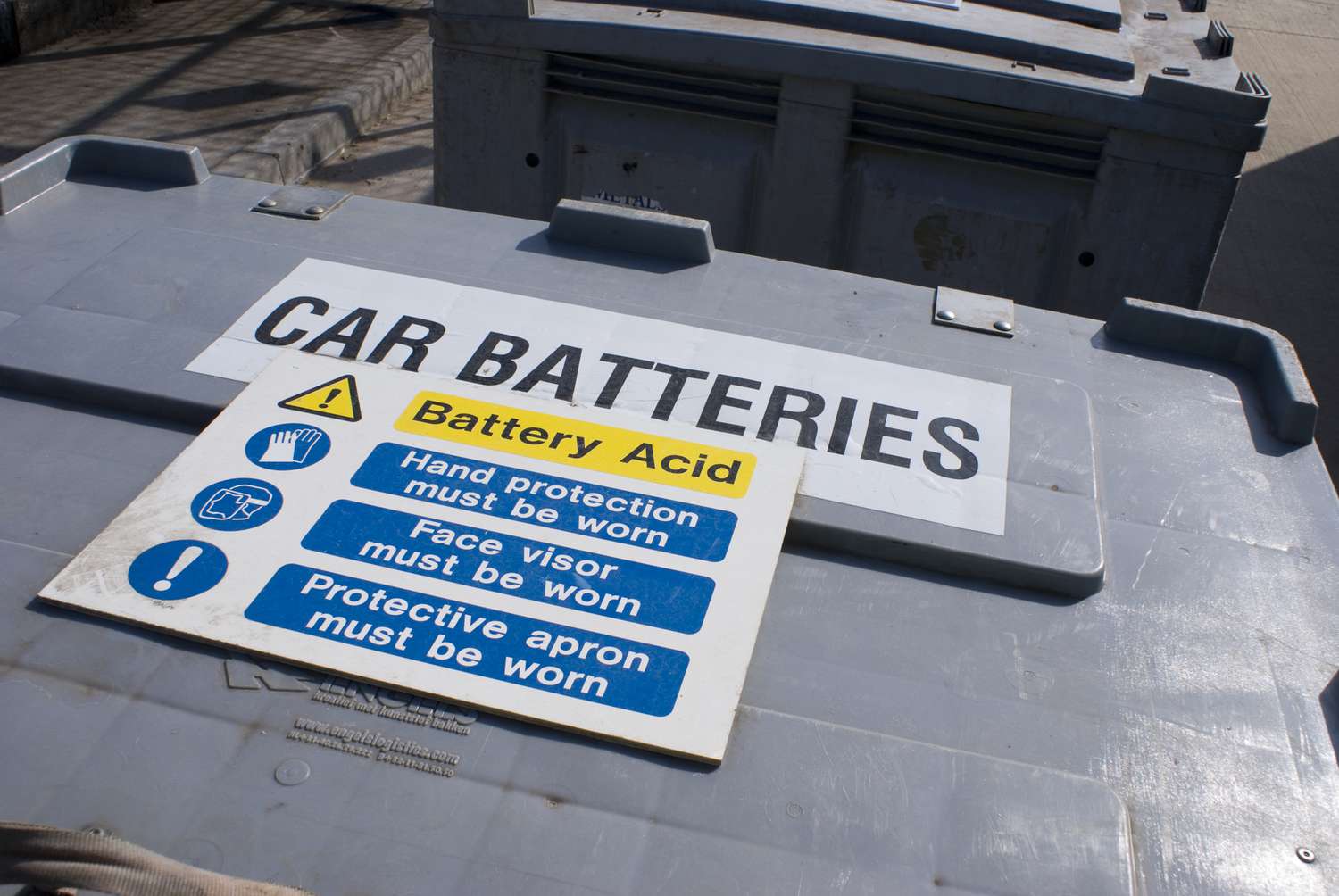
- Wear gloves and eye protection if possible.
Once your car is running, drive for at least 20–30 minutes to let the alternator recharge the battery. But keep in mind that if the battery is old, it might not hold a charge for long.
What to Do When Jump-Starting Doesn't Work
Sometimes a jump-start fails, and that's a sign of a deeper problem. Here's what I do when that happens:
- Check the cable connections to make sure they're tight and on the correct terminals.
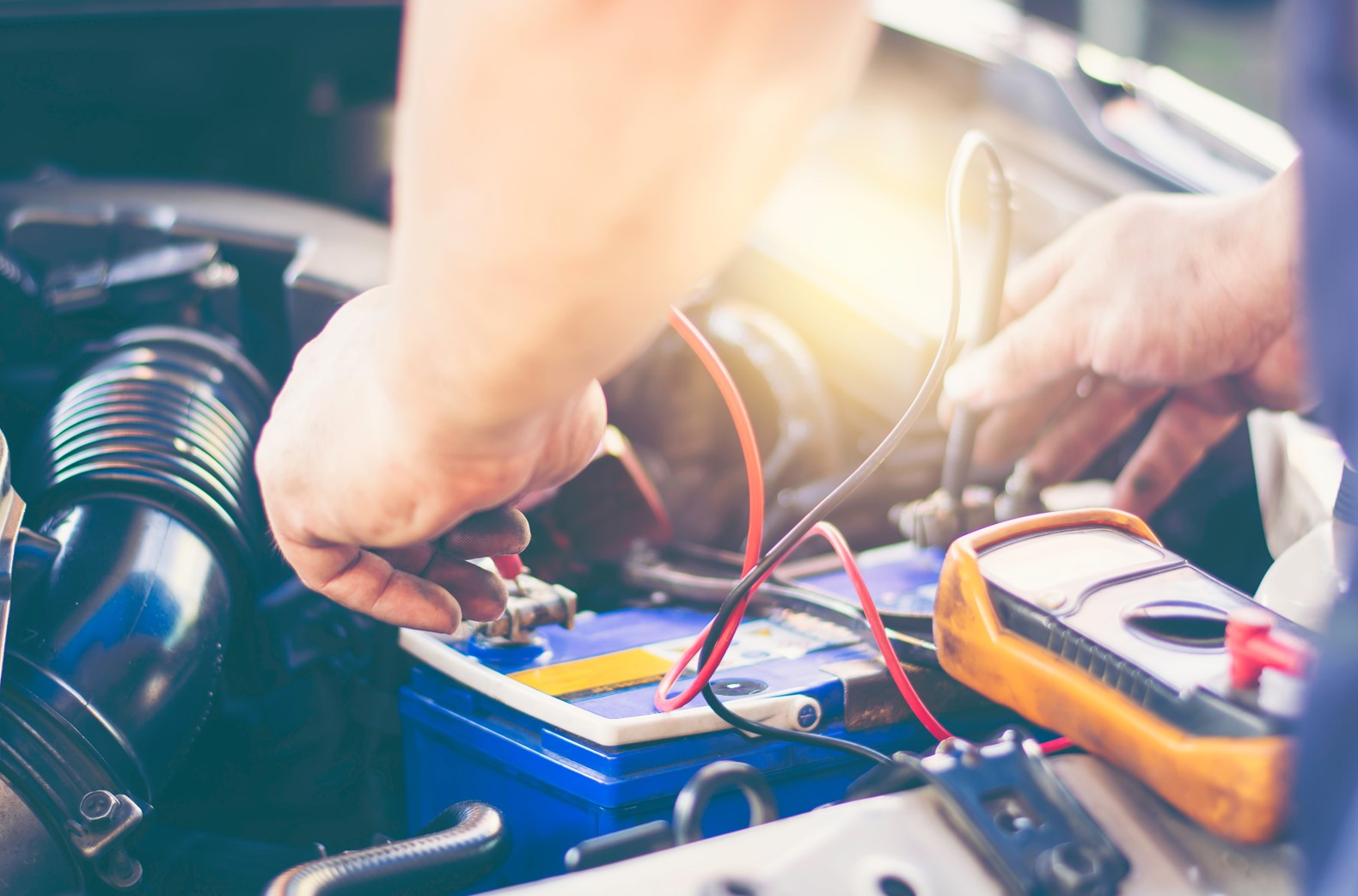
- Inspect the battery for corrosion, swelling, or leaks.
- Try a second jump-start after waiting a few minutes.
- Use a portable battery charger if available.
- Call roadside support if the car still won't start.
If multiple jump-starts fail, the battery may be beyond saving, or the alternator might not be charging properly. In that case, it's time for a professional diagnosis.
When to Replace a Dead Battery
A typical car battery lasts 3–5 years. You should replace it if:
- It fails to hold a charge after multiple jump-starts
- The battery case is swollen or damaged
- You notice a sulfur smell
- The battery is older than four years and showing weakness
- You experience repeated electrical issues
I always recommend choosing a battery with the correct group size, cold-cranking amps, and reserve capacity for your vehicle. Installing the right one ensures reliable starts and longer life.

How to Prevent Your Battery From Dying Again
After dealing with a dead battery, prevention becomes your best friend. Here are habits that have kept my batteries healthy for years:
- Drive your car regularly, especially if it's not used daily
- Turn off all lights and accessories before shutting off the engine
- Keep the battery terminals clean and tight
- Have the charging system checked during routine maintenance
- Park in a garage during extreme temperatures when possible
- Use a battery maintainer if you store a vehicle for weeks
- Replace the battery proactively before it fails completely
A little attention goes a long way. Most dead battery situations are completely avoidable with simple care.
Myths and Misconceptions About Dead Batteries
Over the years, I've heard some wild claims about batteries. Let me clear up a few myths:
- Freezing a dead battery won't bring it back to life; it actually damages it further.
- Driving short distances every day won't fully recharge a weak battery.
- You don't need to replace a battery just because it's old; check its voltage first.
- Disconnecting the battery won't fix alternator problems.
- Jumping a frozen battery is dangerous and can cause it to explode.
Knowing the truth helps you make smarter decisions and avoid costly mistakes.
Frequently Asked Questions
How long does it take to jump-start a dead car battery?
It usually takes 2–5 minutes of idling the working car before the dead battery has enough charge to start. If it doesn't start within 10 minutes, the battery may be completely dead or there could be another issue.
Can a dead battery damage my car's electrical system?
Yes, a deeply discharged battery can cause voltage fluctuations that may harm sensitive electronics, especially in modern vehicles with many computer modules.
Is it safe to drive with a weak battery?
It's risky because the car might stall unexpectedly, leaving you stranded. The alternator will also work harder to compensate, which can shorten its lifespan.
How do I know if my battery is dead or just low on charge?
A low battery usually starts the car after a jump, while a completely dead battery may not respond at all or may die again shortly after being disconnected from the charger.
Can extreme heat kill a battery as quickly as cold?
Yes, heat accelerates chemical reactions inside the battery, causing fluid evaporation and internal damage. Both extreme heat and cold reduce battery life, but heat often causes faster internal degradation.
Final Thoughts
A dead battery is more than just an inconvenience; it's a lesson in vehicle care. Understanding what happens when your car battery dies helps you react calmly, make smart choices, and avoid panic. From recognizing the warning signs to jump-starting safely and preventing future failures, every bit of knowledge puts you in control. Treat your battery well, stay alert to early symptoms, and you'll rarely find yourself stuck with a silent engine. Drive prepared, stay confident, and remember that a healthy battery is one of the simplest ways to keep your car reliable every single day.