For most standard cars a 4 or 6 gauge battery cable is perfect, while smaller vehicles may use 8 gauge and heavy-duty setups often need 2 or 1/0 gauge.
Choosing the right gauge cable for your car battery feels like a small detail, but it can make the difference between a smooth start on a freezing morning and the dreaded click of a dead engine. I've spent years working with car electrical systems, and I've seen firsthand how the wrong cable gauge can lead to voltage drops, overheating wires, and even damaged starters. If you want your car to start reliably and your electrical components to last, understanding cable gauge is one of the smartest things you can learn as a driver or DIY mechanic.

Why Cable Gauge Matters for Your Car Battery
Cable gauge refers to the thickness of the wire used to connect your battery to the rest of the electrical system. The American Wire Gauge (AWG) standard is what most automotive cables follow, and the rule is simple: the lower the gauge number, the thicker the wire. Thicker wires carry more current with less resistance, which means your starter gets the power it needs without losing energy along the way.
Think of it like a garden hose. A skinny hose can only carry so much water, and the pressure drops the farther it has to travel. A wider hose pushes more water with less effort. Battery cables work the same way. If the cable is too thin for the job, your starter motor struggles to crank, your lights may dim, and over time the cable can heat up and wear out its insulation.
Common Car Battery Cable Gauges and Their Uses
Different vehicles and setups call for different cable gauges. Here is a practical breakdown based on real-world experience and industry standards.
- 8 gauge: Suitable for small engines, motorcycles, lawn tractors, and some compact cars with low electrical demand.
- 6 gauge: A solid middle-ground option for many mid-size sedans and light trucks with standard starters.
- 4 gauge: Very common for full-size cars, SUVs, and trucks. Handles higher cranking amps easily and is a safe upgrade for older vehicles.
- 2 gauge: Often used in performance cars, diesel trucks, and vehicles with heavy audio systems or aftermarket accessories.
- 1/0 gauge: Reserved for high-output systems, large diesel engines, and custom builds that draw serious current.
If you drive a typical daily commuter car, chances are your factory cables are either 4 or 6 gauge. That is a good starting point when shopping for replacements.
Factors That Influence the Right Gauge for Your Vehicle
Choosing a gauge is not just about your car's size. Several other factors come into play, and overlooking them can lead to problems down the road.
Engine Size and Cranking Amps
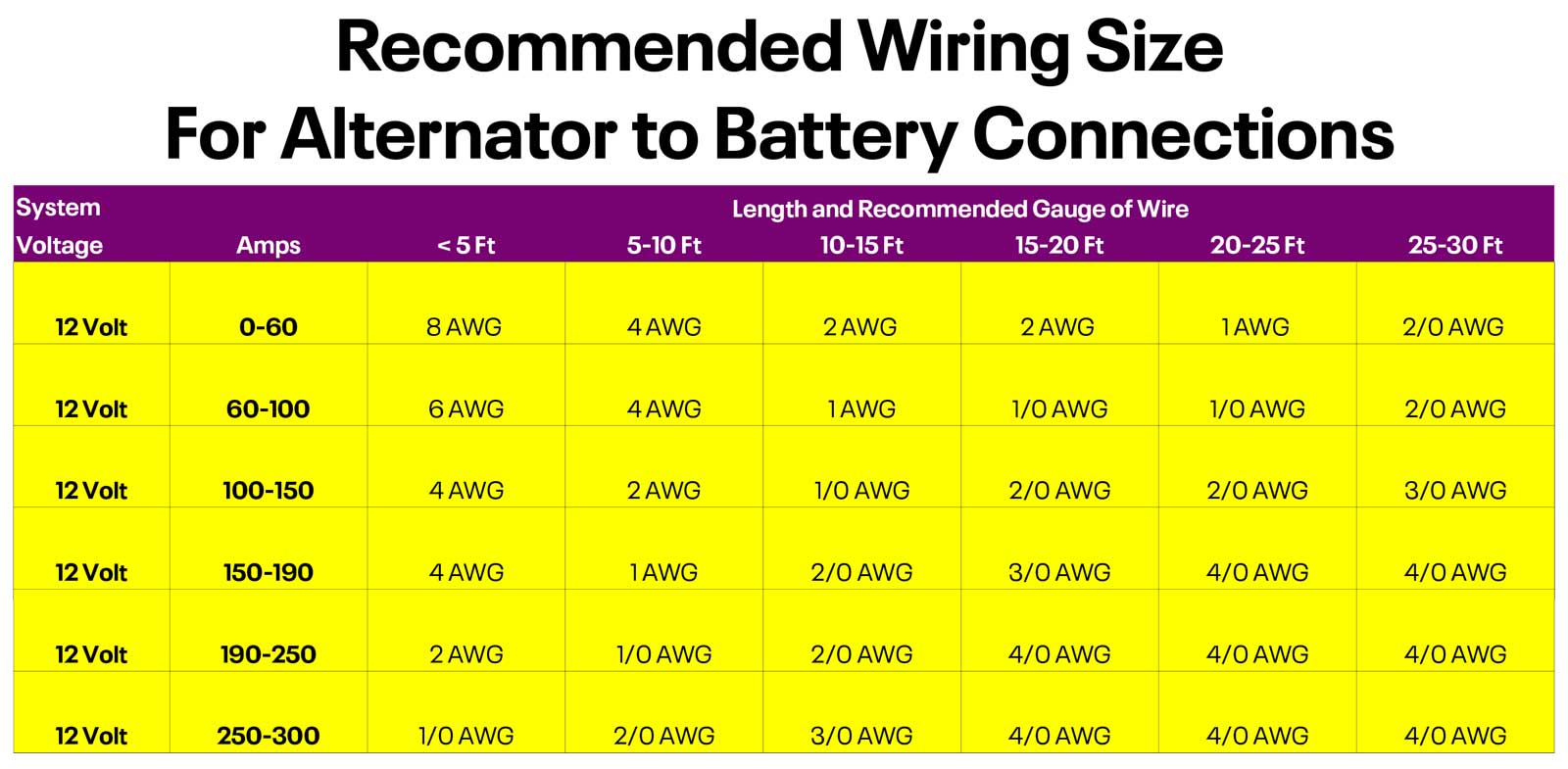
The bigger the engine, the more cranking amps it needs to turn over. A four-cylinder might pull around 150 to 200 amps at startup, while a V8 can demand 300 amps or more. Match the cable thickness to the current load to avoid voltage drop.
Cable Length
Longer cables create more resistance. If your battery is mounted in the trunk or far from the starter, you may need to go one gauge thicker than standard to compensate for the extra distance.
Electrical Accessories
Aftermarket stereos, winches, light bars, and heating elements add to the electrical load. If you have added accessories, upgrading to a thicker gauge helps keep everything running smoothly.
Climate
Cold weather increases the demand on your battery and starter. Thicker cables perform better in winter because they lose less voltage when the engine is hardest to crank.

How to Measure and Choose the Right Battery Cable
Before buying new cables, take a few minutes to check what you currently have. It saves time and helps you avoid guesswork.
- Look at the existing cable for printed gauge numbers or AWG markings.
- Measure the length you need, including routing paths and bends.
- Decide if you want a direct replacement or a heavy-duty upgrade.
- Check terminal sizes to ensure they fit your battery posts and ground points.
If your original cables are 6 gauge and your car starts strong, you can usually stick with 6 gauge. If you notice slow cranking, dimming headlights, or corrosion on the terminals, upgrading to 4 gauge is a smart move.
Signs You May Need Thicker Battery Cables
Sometimes your car tells you when the cables are not up to the job. Here are the warning signs I have seen most often.
- Slow engine cranking, especially in cold weather
- Flickering or dim headlights when starting
- Clicking sound from the starter without the engine turning over
- Battery terminals that feel hot after a start attempt
- Visible corrosion, fraying, or stiffness in the cable insulation
If any of these sound familiar, your cables may be undersized for your vehicle or worn out from age. Replacing them with the correct gauge can restore reliable starts and protect your electrical system.
Installation Tips from Experience
Swapping out battery cables is one of the more beginner-friendly car jobs, but a few tips can make it safer and easier.
Always disconnect the negative terminal first and reconnect it last to avoid short circuits. Use a wrench that fits snugly to avoid rounding off the bolt. If the new cables feel stiff, bend them gently before installation to put them in their natural shape. Apply a thin layer of dielectric grease or anti-corrosion spray to the terminals to extend their life. And always double-check that the positive cable is clearly marked and routed away from metal surfaces that could wear through the insulation.

Copper vs. Aluminum Battery Cables
Most automotive cables are copper because copper conducts electricity with very low resistance. Aluminum cables are lighter and cheaper, but they are not as efficient for high-current applications. For car batteries, copper is almost always the better choice.
If you see aluminum battery cables marketed for automotive use, treat them with caution. They can work for low-amperage accessories, but for starter cables they tend to run hotter and degrade faster at the connection points.
How to Calculate Voltage Drop for Your Setup
Voltage drop is the enemy of a healthy electrical system. A good rule of thumb for automotive battery cables is to keep voltage drop under 2 percent for the starter circuit.
Here is a simple way to estimate it. Multiply the length of the cable in feet by the cranking amps, then divide by the cable's circular mil rating. For a typical setup with 4 gauge cable, 10 feet of length, and 300 amps, you stay well within safe limits. If the number comes out high, go one gauge thicker.
Many auto electricians and enthusiasts use online voltage drop calculators to make this easier, but even a rough mental check helps you avoid undersized wires.
Common Mistakes to Avoid When Buying Battery Cables
Over the years, I have seen people make the same handful of mistakes when shopping for cables. Avoiding them saves time, money, and frustration.
- Buying cheap cables without checking the actual copper content
- Choosing the wrong length and forcing tight bends
- Ignoring terminal type and ending up with cables that do not fit
- Sticking with old corroded cables when an upgrade would solve starting issues
- Using the same gauge for a high-power sound system as for a stock electrical setup
Spending a little more on quality cables pays off in the long run. A good set can last ten years or more with proper care.
Frequently Asked Questions
What gauge cable is best for a standard car battery?
For most standard cars, a 4 or 6 gauge battery cable works well. Four gauge is a safe choice for full-size vehicles, while six gauge is fine for compact cars and many sedans.
Can I use a higher gauge number to save cash?
Using a higher gauge number means thinner wire. That can lead to voltage drop, slow cranking, and overheating cables. It is not worth the small savings.
What gauge do I need for a diesel truck?
Diesel engines need more current to start. A 2 gauge or 1/0 gauge cable is common for diesel trucks, especially in cold climates.
Does cable length affect the gauge I need?
Yes, longer cables create more resistance. If your battery is far from the starter, go one gauge thicker than standard to keep voltage drop low.
Are all battery cables copper?
Most quality automotive cables are pure copper or tinned copper. Aluminum cables exist but are less efficient and less common for starter circuits.
Conclusion
Picking the right gauge cable for your car battery is one of those small choices that pays off every time you turn the key. A 4 or 6 gauge cable covers most standard vehicles, while larger engines and accessory-heavy builds benefit from 2 gauge or thicker. Measure your setup, match the gauge to your engine's demand, and invest in good copper cables for the best results. If you take a few minutes to choose wisely, your car will start faster, run smoother, and thank you with years of reliable service. Drop a comment below with your vehicle and setup, and I will help you dial in the perfect gauge for your build.