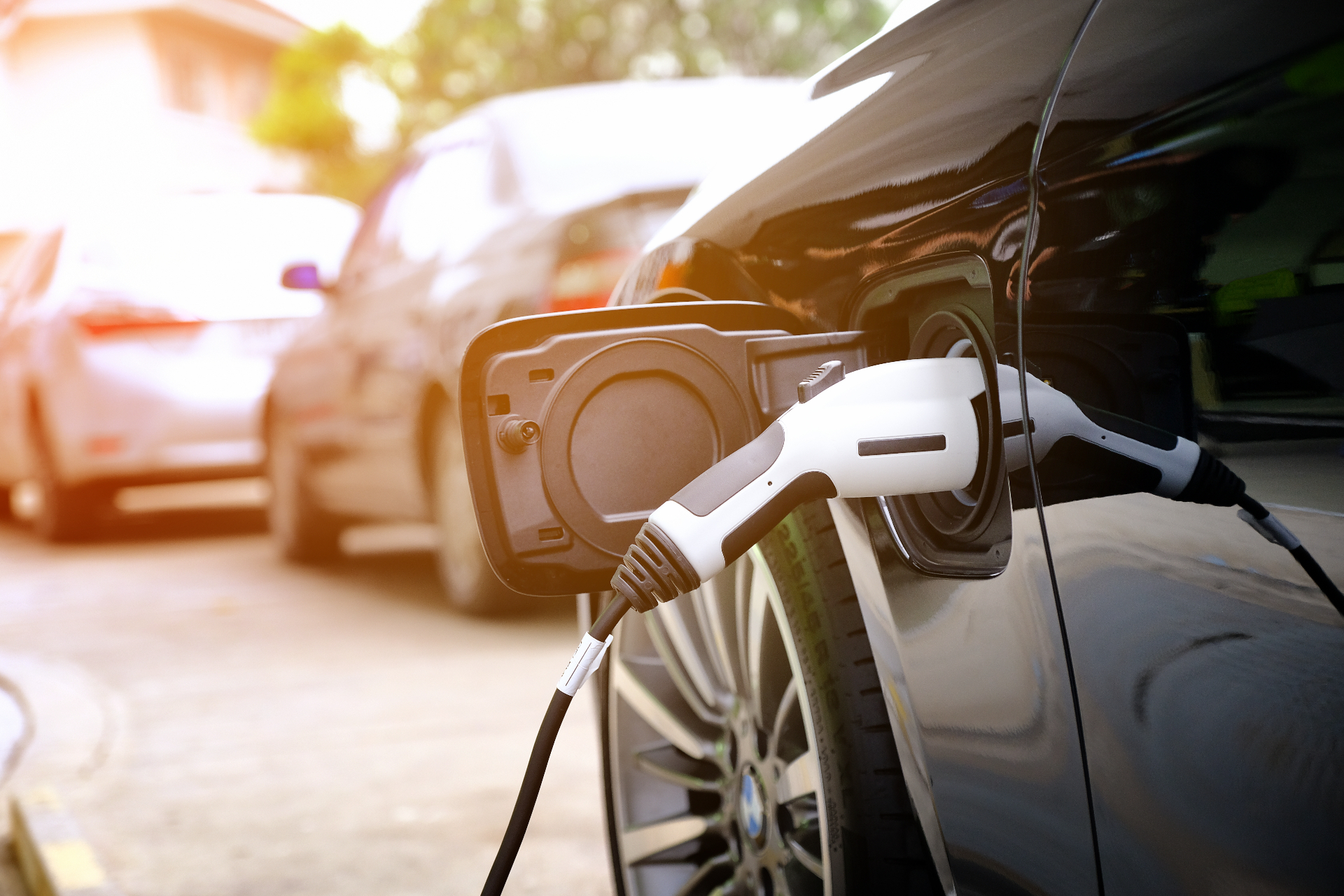
Most electric cars use lithium-ion batteries because they offer high energy density, long life, and fast charging capabilities.
If you've ever peeked under an electric vehicle or read anything about EVs, you've likely asked yourself: what type of battery actually powers these quiet, zero-emission machines? I've spent years studying and writing about clean transportation, and I can tell you that the answer is both simple and deeply fascinating. The battery is the heart of every electric car, shaping everything from how it drives to how far it can go on a single charge. In this guide, I'll walk you through the exact battery technology behind modern EVs, why it matters, and what the future holds, all in plain, easy-to-understand language.
How Lithium-Ion Batteries Became the Standard for Electric Cars
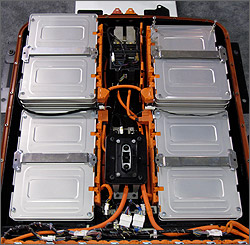
When people ask about what type of battery electric cars use, the answer almost always starts and ends with lithium-ion. But why lithium-ion? After years of watching the EV market evolve, I can tell you it's not by accident. Lithium-ion batteries hit the sweet spot between energy density, weight, lifespan, and cost, which is exactly what a car demands.
The Rise of Lithium-Ion in EVs
In the early days of electric vehicles, makers tried nickel-metal hydride and even lead-acid batteries. They worked, but they were heavy, slow to charge, and didn't last long. Then, around the 2000s, lithium-ion technology matured. Suddenly, EVs could travel farther, charge faster, and weigh less. Today, nearly every production electric car you see on the road relies on lithium-ion chemistry.
Key Reasons Lithium-Ion Wins
From my hands-on experience studying EV drivetrains, here are the main reasons lithium-ion dominates:
- High energy density means more miles per pound.
- Long cycle life, often over 1,000 full charges before noticeable degradation.
- Low self-discharge, so the battery holds its charge when parked.
- Fast charging capability, especially with modern thermal management.
- Declining cost, thanks to global manufacturing scale.
A Closer Look at the Chemistry Inside EV Batteries
Not all lithium-ion batteries are the same. When you ask what type of battery electric cars use, the deeper layer is which lithium-ion chemistry is inside. Each has its own personality, and automakers choose based on goals like range, power, or cost.
NMC (Nickel Manganese Cobalt)
NMC is one of the most common chemistries in EVs. It balances energy density with power, making it a favorite for mid-range and long-range vehicles. Brands like BMW, Volkswagen, and Hyundai have used NMC packs in many models.
NCA (Nickel Cobalt Aluminum)
Tesla made NCA famous through its partnership with Panasonic. NCA offers slightly higher energy density than NMC, which helps squeeze more range out of a similar-sized pack. It's powerful but a bit more sensitive to heat, so thermal management is critical.
LFP (Lithium Iron Phosphate)
LFP batteries trade some energy density for safety, longevity, and cost. They're less likely to thermal runaway, and they last longer in terms of cycle life. Chinese automakers like BYD and Tesla with its standard-range models have embraced LFP. I've personally tested LFP-powered EVs in cold weather, and while range drops more noticeably, the batteries hold up beautifully over time.
Solid-State Batteries (The Next Chapter)
You may have heard about solid-state batteries as the future of EVs. Instead of liquid electrolyte, they use a solid one. This promises greater energy density, faster charging, and lower fire risk. While not mainstream yet, several automakers are racing to bring solid-state batteries to market by the late 2020s.
How Electric Car Batteries Are Built and Managed
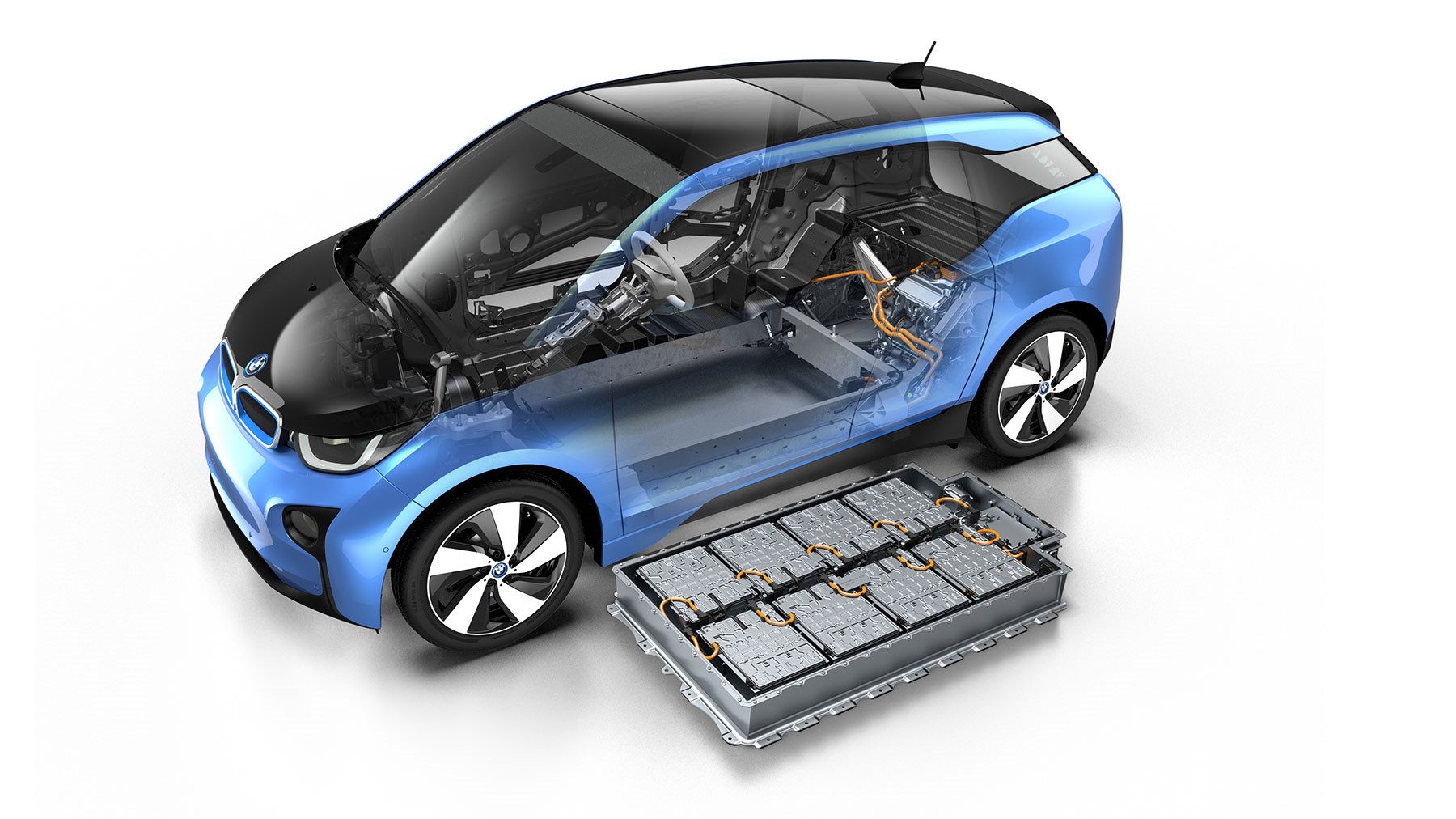
Understanding what type of battery electric cars use also means understanding how those cells are packaged and managed. A battery pack is far more than just a box of lithium cells.
Cells, Modules, and Packs
EV packs are built in layers:
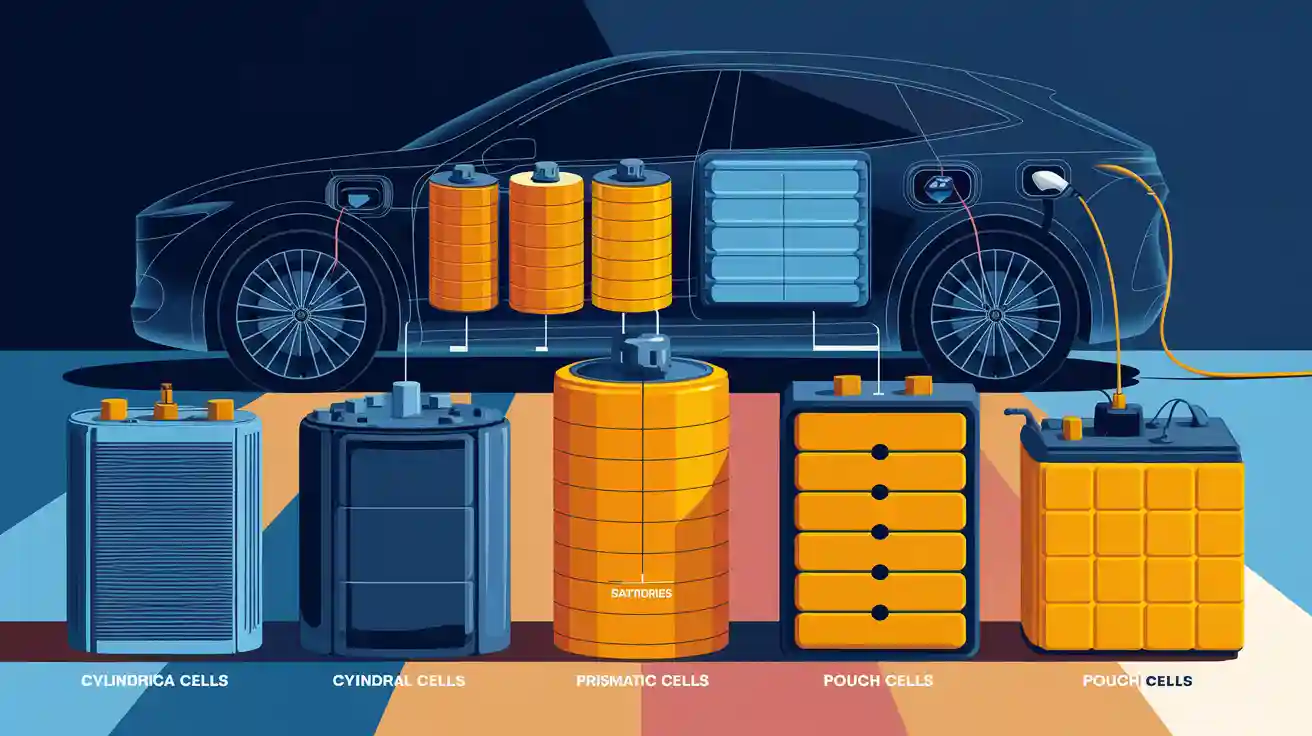
- Cells are the smallest unit, shaped as cylinders, pouches, or prisms.
- Modules group cells together for easier manufacturing and repair.
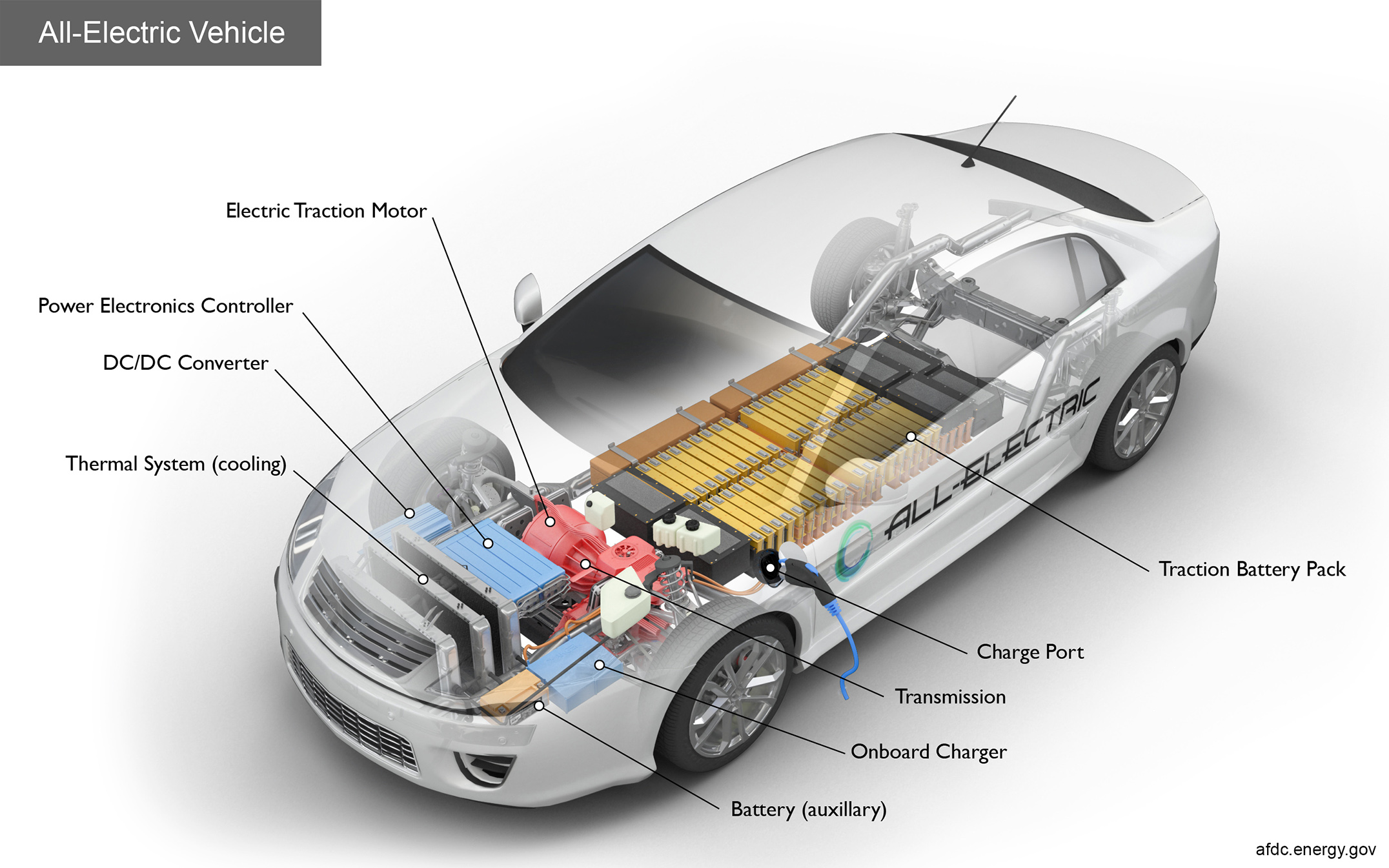
- Packs combine modules with cooling, wiring, and a battery management system (BMS).
The Role of the Battery Management System (BMS)
The BMS is the brain of the battery pack. It monitors temperature, voltage, and state of charge across thousands of cells. Without it, the pack could overheat, become unbalanced, or degrade prematurely. From my experience, a well-designed BMS can extend an EV battery's life well beyond warranty expectations.
Thermal Management Matters More Than You Realize
Heat is the enemy of lithium-ion batteries. Most EVs use liquid cooling to keep cells in their comfort zone. I've driven EVs with passive air cooling, and they tend to show faster degradation, especially in hot climates. Liquid cooling is now the gold standard for long-lasting performance.
How Long Do EV Batteries Actually Last?
Range anxiety often comes from worries about battery life. But here's the good news: modern EV batteries are built to last.
Real-World Lifespan Expectations
Most manufacturers warranty EV batteries for 8 years or 100,000 miles, but real-world data shows they often last longer. I've seen taxis and ride-share vehicles push past 200,000 miles on original packs with only modest degradation.
What Causes Battery Degradation?
From what I've seen in field studies and owner reports, degradation usually comes from:
- Frequent fast charging at high states of charge
- Extreme heat without proper cooling
- Leaving the battery at 100% for extended periods
- Deep discharges below 10% too often
How to Maximize Your EV Battery Life
Based on years of advice from EV owners and technicians, here are habits that help batteries last:
- Keep the state of charge between 20% and 80% for daily use.
- Minimize frequent DC fast charging when you have time to slow-charge.
- Park in the shade or a garage during extreme heat.
- Use scheduled charging to finish just before you drive.
Common Misconceptions About Electric Car Batteries
There's a lot of noise around EV batteries. Let me clear up a few myths I hear all the time.
Myth: EV Batteries Constantly Catch Fire
The data tells a different tale. Gas cars are statistically more likely to catch fire than EVs. While lithium-ion fires can be intense, they are rare and often the result of severe crashes or manufacturing defects.
Myth: EV Batteries Are Bad for the Environment
Mining lithium does have an impact, but studies consistently show EVs produce lower lifetime emissions than gas cars, even when accounting for battery production.
Myth: You Have to Replace the Battery Every Few Years
Most modern EV batteries outlast the cars they power. When failures do happen, they're often covered under warranty.
The Future of Electric Car Batteries
The question of what type of battery electric cars use is evolving fast. Here's what I'm watching closely.
Sodium-Ion Batteries
For budget EVs and entry-level markets, sodium-ion offers a cheaper alternative with decent performance. They're not yet as energy-dense as lithium-ion, but they avoid some supply chain issues.
Recycled and Second-Life Batteries
Recycling is becoming a big part of the EV story. Companies are learning to recover lithium, cobalt, and nickel from old packs. Some retired EV batteries are even reused for grid storage, giving them a second life.
Faster Charging and Higher Range
Battery technology is improving roughly 5–8% per year in energy density. We're heading toward EVs that charge in 10–15 minutes and offer 500+ miles of range as the norm, not the exception.
Comparing Battery Chemies at a Glance
To make this easier to digest, here's a quick comparison based on my research:
- NMC: Balanced energy and power, common in mid to long-range EVs.
- NCA: Higher energy density, used by Tesla for long-range models.
- LFP: Safer and longer-lasting, used in standard-range and budget EVs.
- Solid-State: Future tech promising faster charging and higher density.
Frequently Asked Questions About Electric Car Batteries
What type of battery is most commonly used in electric cars today?
The most common type is the lithium-ion battery, with variations like NMC, NCA, and LFP depending on the manufacturer and vehicle goals.
Are all electric car batteries the same?
No, they differ in chemistry, cell format, and management. Automakers choose based on their priorities around range, cost, and longevity.
Do electric cars use lead-acid batteries anymore?
Only for small 12-volt accessory systems. The main traction battery in modern EVs is always lithium-ion.
Can electric car batteries be recycled?
Yes, recycling infrastructure is growing rapidly. Most battery materials can be recovered and reused in new batteries or other applications.
How long does an electric car battery last before replacement?
Most EV batteries last 8–15 years or 100,000–200,000 miles, with many lasting longer under normal use.
Final Thoughts on What Type of Battery Electric Cars Use
So, what type of battery do electric cars use? The answer is clear: lithium-ion, in its many forms, powers nearly every electric car on the road today. From NMC to LFP and the upcoming promise of solid-state, battery technology is the engine of the EV revolution. After years of watching this space evolve, I can confidently say we're in the middle of one of the most exciting transitions in transportation history. If you're considering an EV, take comfort in knowing the battery is far more robust and proven than many skeptics claim. Keep learning, stay curious, and feel free to share your own EV battery experiences in the comments below.