A fully charged car battery freezes around -76°F (-60°C), but a discharged one can freeze at 32°F (0°C) because the electrolyte becomes mostly water. Knowing this can save you from a dead battery on a cold morning.
Imagine waking up on a freezing winter day, turning the key, and hearing nothing but silence. It's not just frustrating; it can throw off your entire day. After years of dealing with cars in all kinds of weather, I've learned that cold temperatures are one of the biggest enemies of a car battery. The chemistry inside slows down, the fluid can freeze, and suddenly your car won't start. In this guide, I'll walk you through exactly what temperature a car battery freezes, why it happens, and what you can do to prevent it. Whether you're a daily driver or someone who stores a car for winter, this information will help you avoid those cold morning surprises.
How Cold Affects a Car Battery
Cold weather has a major impact on how a car battery performs. When temperatures drop, the chemical reactions inside the battery slow down significantly. This reduces the battery's ability to deliver power to the starter and other electrical components.
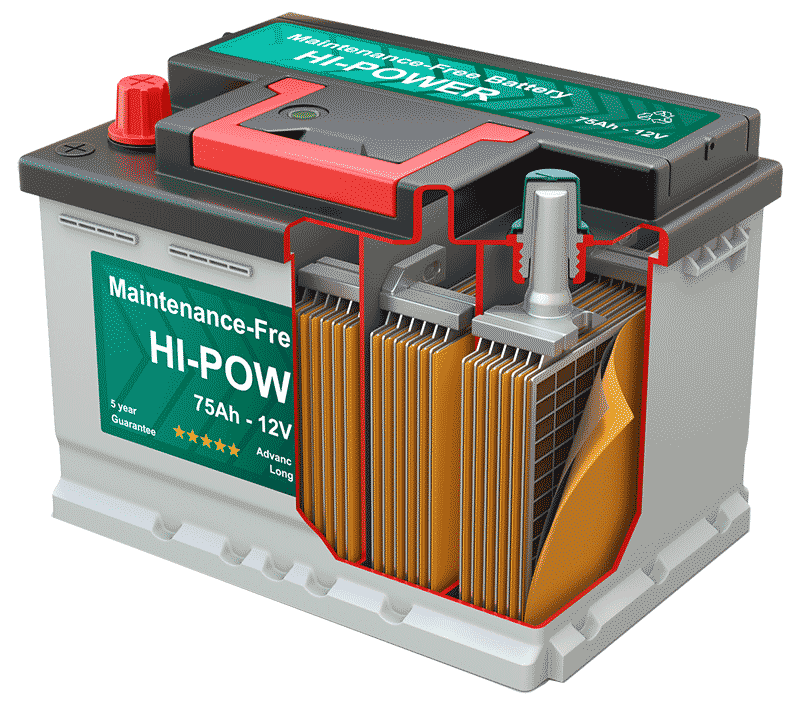
Most car batteries rely on a mix of sulfuric acid and water, known as electrolyte. The amount of acid in this mix determines the battery's freezing point. A fully charged battery has a higher acid concentration, which lowers the freezing point. A discharged battery has more water and less acid, making it much more likely to freeze.
The Chemistry Behind It
Inside a lead-acid battery, the electrolyte solution has a specific gravity that changes based on charge level. A fully charged battery has a specific gravity of around 1.265 to 1.285, which corresponds to a freezing point well below zero. As the battery discharges, the specific gravity drops, and the solution becomes more like plain water. Plain water freezes at 32°F (0°C), so a dead or weak battery is at serious risk in winter.
Why Cold Reduces Battery Power
In cold weather, the oil in your engine thickens, making the starter motor work harder. At the same time, the battery produces less electrical current. According to battery industry research, a battery can lose up to 35% of its starting power at 32°F and up to 60% at 0°F. This is why even a healthy battery can struggle in extreme cold.

What Temperature Does a Car Battery Freeze
The freezing point of a car battery depends entirely on its state of charge. Here's a general breakdown based on specific gravity and charge level:
- 100% charged: Freezes at approximately -76°F (-60°C)
- 75% charged: Freezes at approximately -35°F (-37°C)
- 50% charged: Freezes at approximately -10°F (-23°C)
- 25% charged: Freezes at approximately 5°F (-15°C)
- Fully discharged: Freezes at approximately 32°F (0°C)
This table shows why keeping your battery charged is so important during winter. A battery that sits at 50% charge in your garage could freeze solid if temperatures drop below -10°F, which is common in northern states during winter.
Real-World Freeze Risks
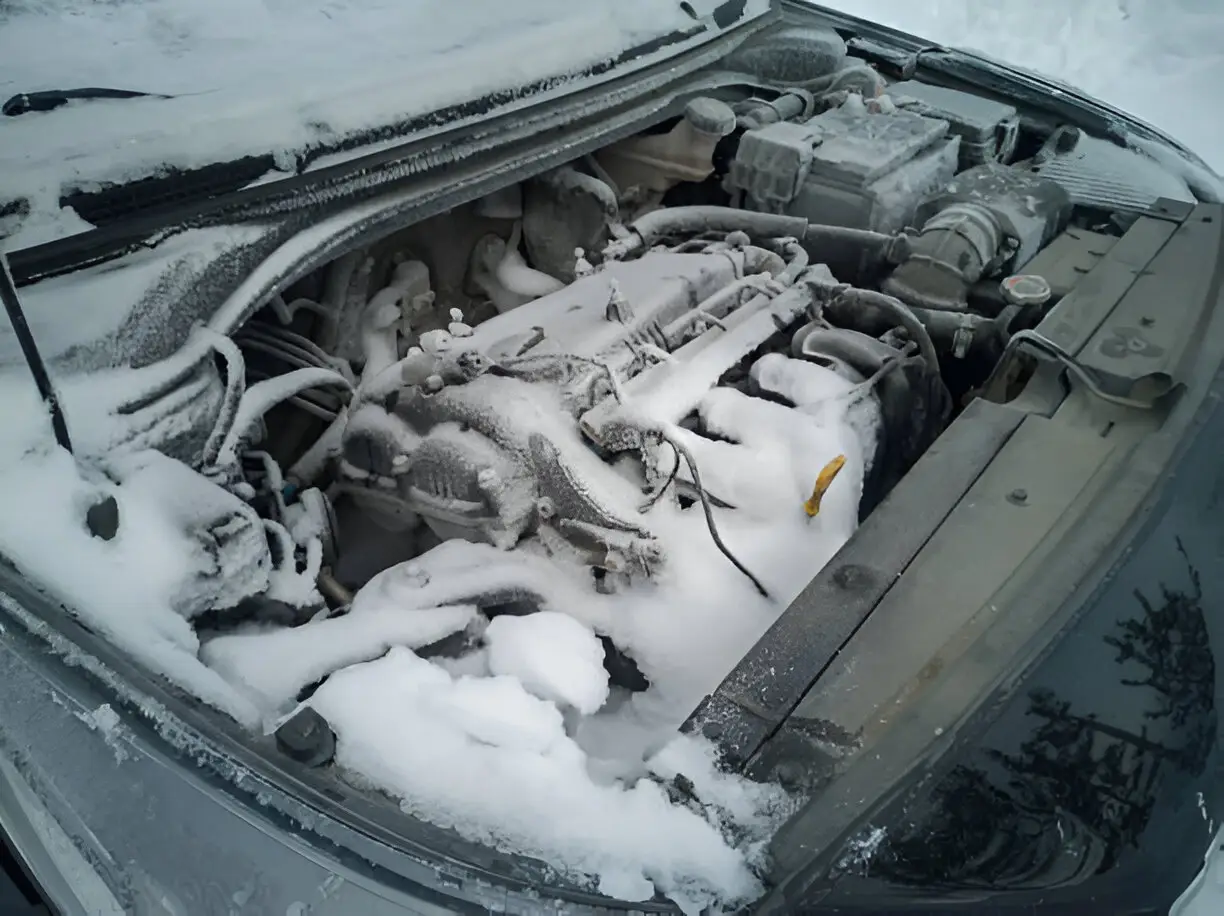
In most of the continental United States, temperatures rarely drop below -40°F, so a fully charged battery is unlikely to freeze solid. However, batteries that are weak, old, or partially discharged are at much higher risk. I've personally seen batteries crack open because the electrolyte froze and expanded, leaving the owner with a costly mess and a car that wouldn't start.
Why State of Charge Matters More Than Outside Temperature
A common misconception is that all batteries freeze at the same temperature. The truth is that the colder the weather, the more your battery struggles to hold a charge. Combined with increased electrical demand from heaters, defrosters, and lights, this creates a perfect storm for battery failure. The freeze point is really a reflection of battery health, not just the weather outside.
Signs Your Battery May Freeze or Fail in Cold Weather
A frozen or dying battery often gives warning signs before it leaves you stranded. Knowing what to look for can help you take action before it's too late.
- Slow engine crank: The starter turns over slowly or makes a clicking sound.
- Dim headlights: Lights appear weaker than usual, especially at idle.
- Battery warning light: The dashboard battery indicator stays on or flickers.
- Swollen battery case: Extreme cold can cause the case to bulge.
- Sulfur smell: A rotten egg odor often means the battery is overcharging or leaking.
- Old age: Most batteries last 3 to 5 years; older ones are more vulnerable in winter.
If you notice any of these signs before a cold snap, it's worth having your battery tested. Most auto parts stores offer free battery checks, and it only takes a few minutes.
How to Test Your Battery Before Winter
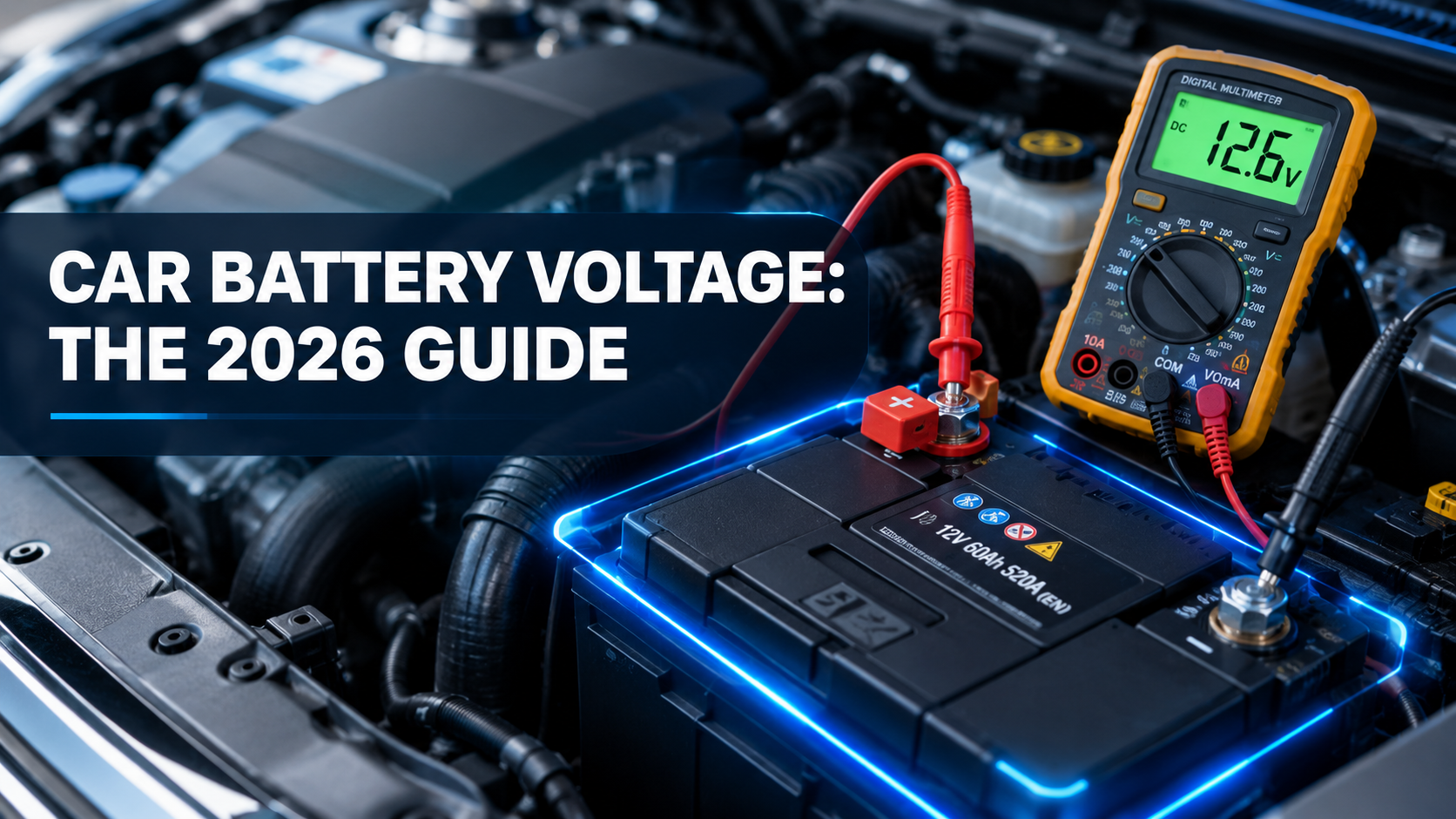
Before temperatures drop, have your battery load tested. This test simulates the demands of starting your engine and reveals the battery's true health. A good reading should show at least 12.4 volts when the engine is off and 13.7 to 14.7 volts when running. If your battery is below 12 volts, it's time to charge it or replace it.

How to Prevent a Car Battery from Freezing
The good news is that with a few simple habits, you can protect your battery from freezing and extend its life through the coldest months.
- Keep the battery fully charged: Drive your car regularly or use a trickle charger to maintain charge.
- Park in a garage or shelter: Even an unheated garage offers some protection from extreme cold.
- Clean the battery terminals: Corrosion can reduce the battery's ability to charge.
- Turn off electronics before shutting off the engine: This reduces drain on the battery.
- Have the battery tested annually: Especially before winter, a quick test can catch weak cells.
- Consider a battery warmer: Insulated wraps or electric warmers are available for extreme climates.
Personal Tip From Experience
I've lived in areas where winter temperatures regularly dropped below -20°F. The single most important habit I developed was using a battery maintainer on any car I wasn't driving daily. A maintainer is a small charger that keeps the battery at full charge without overcharging it. It costs around $30 to $50 and can add years to your battery's life. If you don't have an outlet, try to drive the car for at least 20 minutes every few days to keep the battery topped off.
What to Do If Your Battery Freezes
If you suspect your battery has frozen, do not try to jump-start it. A frozen battery can explode if you attempt to charge or jump it. Instead, remove the battery and allow it to thaw slowly in a warm, dry area. Once thawed, test it with a voltmeter. If it holds a charge and the case isn't cracked, it may still be usable. If the case is damaged, the battery must be replaced.

Common Myths About Car Batteries and Cold Weather
There are several misconceptions about car batteries and freezing temperatures. Let's clear up a few of the most common ones.
- Myth: All batteries freeze at the same temperature. Fact: A fully charged battery can withstand extreme cold, while a discharged one can freeze at 32°F.
- Myth: A frozen battery can be jump-started safely. Fact: Jumping a frozen battery is dangerous and can cause it to burst.
- Myth: Cold weather kills batteries. Fact: Cold weakens batteries, but heat and neglect are usually the main causes of battery failure.
- Myth: A new battery will never freeze. Fact: Even a new battery can freeze if it's discharged and exposed to freezing temperatures.
Why Heat Is Actually More Damaging Long-Term
While this article focuses on freezing, it's worth noting that extreme heat causes more long-term damage to batteries. Heat evaporates the electrolyte and accelerates internal corrosion. A battery that survives summer in Phoenix often has a shorter lifespan than one in Minnesota. The trick is to keep your battery healthy year-round, which makes it more resilient in winter too.

Frequently Asked Questions
Can a car battery freeze overnight?
Yes, if the battery is weak or discharged, it can freeze in a single cold night, especially if temperatures drop below 20°F. A fully charged battery is much more resistant, but a neglected one can freeze at temperatures just below freezing.
At what temperature will a car battery die?
A car battery can lose significant cranking power below 32°F, and at 0°F it may lose up to 60% of its strength. It doesn't always freeze solid, but it may not have enough power to start the engine.
How do I know if my battery is frozen?
Common signs include a swollen or cracked case, a sulfur smell, and no power when you turn the key. If you see frost or ice on the battery, it's almost certainly frozen.
Can a frozen battery be saved?
Sometimes, but only if the case hasn't cracked and the battery is thawed slowly. Once thawed, it should be tested before use. If the case is damaged, it must be replaced for safety reasons.
Does a car battery lose charge in cold weather?
Yes, cold batteries self-discharge more slowly, but the car's electrical demands and harder engine cranking can drain it quickly. A weak battery can drop to a dangerous charge level in just a few cold days.
Conclusion
A car battery doesn't freeze at one set temperature; instead, it depends on its state of charge. A fully charged battery can handle temperatures as low as -76°F, but a discharged one can freeze at 32°F. The best defense against winter battery failure is simple: keep your battery charged, clean, and tested. Park indoors when possible, use a maintainer if you don't drive often, and replace any battery older than five years before the cold hits. Your future self will thank you on that freezing Monday morning when your car starts on the first try. If you found this guide helpful, consider sharing it with a friend or leaving a comment with your own winter battery tips. Stay warm and stay charged.