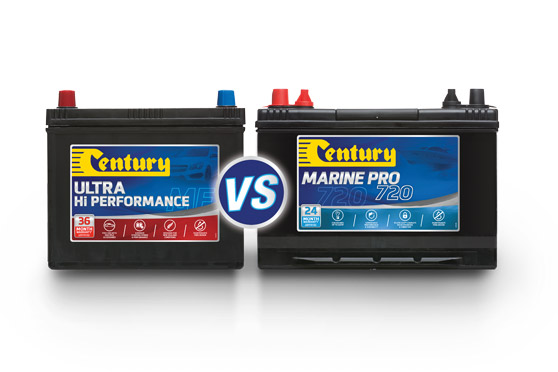
Marine batteries are built for deep, steady power over long periods on the water, while car batteries are made for short, strong bursts to start an engine. They may look similar on the outside, but the way they're designed, how they deliver power, and where they work best are totally different.
If you've ever wondered why your boat's battery keeps dying while your car's battery seems to last forever, or why you can't just swap one for the other, you're in the right place. I've spent years working with both types of batteries, testing them on the water and on the road, and helping people figure out which one they actually need. The difference between a marine battery and a car battery isn't just technical jargon. It's about safety, performance, and making sure your engine starts when it absolutely has to. Let me walk you through everything I've learned so you can make the right choice every single time.

Understanding the Basics of Marine and Car Batteries
Before we dive into the real differences, let's get a clear picture of what each battery actually does. Think of them like two different tools in your garage. A hammer and a screwdriver might look like simple tools, but you wouldn't use a hammer to turn a screw, right? Same idea here.
What Is a Car Battery?
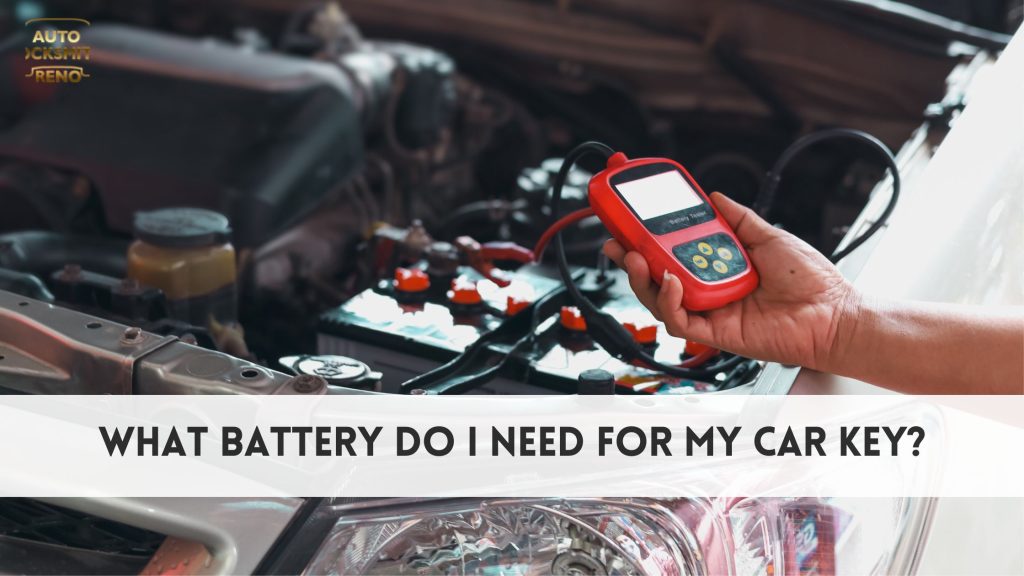
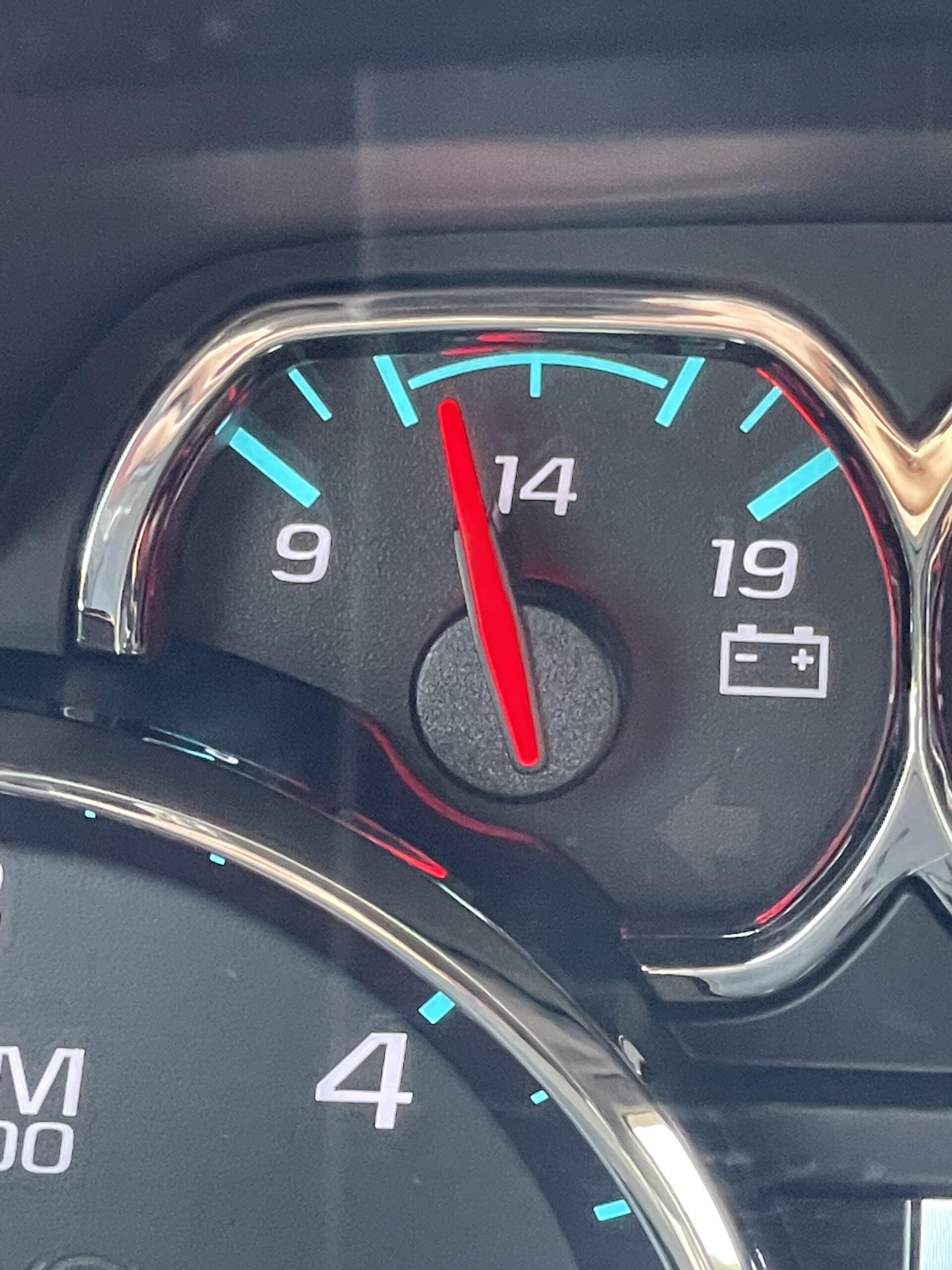
A car battery, also called a starting battery, is designed to do one thing really well: deliver a quick, powerful jolt of energy to crank the starter motor. Once your engine fires up, the alternator takes over and keeps everything running, including recharging the battery for the next start.
These batteries use thin lead plates, which give them a large surface area to push out a lot of current in a short burst. They're built for high cranking amps, the kind of power you need to turn over a cold engine on a frosty morning. But here's the catch: they don't like being drained down and recharged over and over. Do that too many times, and the plates start to warp or sulfate, killing the battery fast.
What Is a Marine Battery?
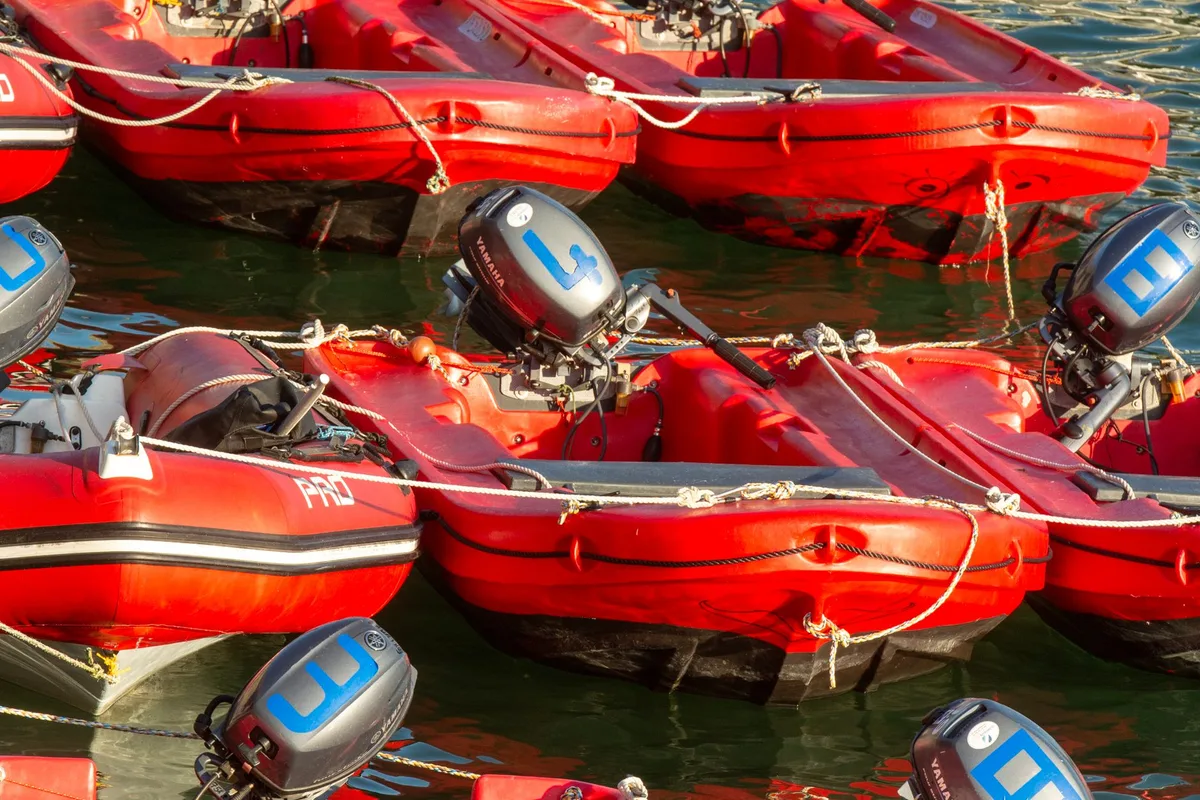
A marine battery lives a completely different life. Out on the water, you might need to run a trolling motor for hours, keep your fish finder glowing, power a radio, or run cabin lights all night. A regular car battery would be toast in no time.
That's why marine batteries are built tough. They use thicker plates and a stronger internal structure to handle the constant rocking of waves, the vibrations from the engine, and the deep discharge cycles that come with long days on the lake or ocean. There are actually three main types of marine batteries: starting, deep cycle, and dual purpose. Each one serves a different need on a boat.
The Core Differences That Actually Matter
Now that you know the basics, let's break down the real-world differences that separate marine and car batteries. Trust me, these are the things that matter when you're standing in the store trying to decide, or when something goes wrong and you need to figure out why.
Design and Plate Structure
This is where the biggest difference lives, deep inside the battery itself.
Car batteries have lots of thin plates packed close together. More plates mean more surface area, which means a bigger, faster burst of power. But thin plates are fragile. They can't handle being drained down low and pushed back up again very many times.
Marine batteries, especially deep cycle ones, have fewer but much thicker plates. They're heavier because they're literally packed with more lead. This design lets them discharge slowly and steadily over a long time without falling apart. I've personally seen deep cycle marine batteries last 5+ years on boats that run trolling motors daily, while a car battery would be dead in a season.
Cranking Amps vs. Reserve Capacity
These two numbers tell you a lot about what each battery is built to do.
Cranking amps (CA) or cold cranking amps (CCA) measure the burst of power a battery can deliver for a short time, usually 30 seconds. Car batteries rate very high here because they need to start an engine in any weather.
Reserve capacity (RC) tells you how long a battery can run essential stuff if the charging system fails. Marine batteries, especially deep cycle ones, rate much higher here because they're made to keep things running when the engine is off.
Think of it this way: a car battery is like a sprinter, fast and powerful for short distances. A marine deep cycle battery is like a marathon runner, slow and steady for the long haul.
Vibration and Shock Resistance
Boats take a beating from waves, wakes, and engine vibration. All that shaking can destroy a regular battery by breaking the internal connections or cracking the case.
Marine batteries are built like little tanks. They often have reinforced cases, extra plate support, and special designs to handle constant movement. I've pulled car batteries out of boats before (done by previous owners trying to save money) and they were always cracked, leaking, or completely dead way before their time.
Car batteries don't need this kind of heavy-duty construction because they sit snugly in a tray under the hood where things are pretty stable.
Mounting Position and Terminal Style
Here's a small but important detail. Car batteries are always mounted upright in a fixed tray. The terminals are usually on top, in a standard layout.
Marine batteries are more flexible. You can mount them in different positions depending on the boat's layout. Some even have terminals on the front or side for easier access in tight spaces. Many marine batteries also come with both post and stud terminals so you can hook up different types of accessories easily.

Types of Marine Batteries Explained
Not all marine batteries are the same. When you're shopping, you'll run into a few different types, and each one has a specific job on a boat.
Starting Marine Batteries
These look and act a lot like car batteries. They're made to give your boat's main engine a strong starting jolt. They have high CCA ratings but aren't designed for deep discharges.
Deep Cycle Marine Batteries
These are the workhorses. They power your trolling motor, electronics, lights, and anything else that runs for a long time. They can be drained down to 50% or even 80% repeatedly without damage. If you fish or spend weekends on the water, this is probably what you need most.
Dual Purpose Marine Batteries
As the name suggests, these try to do both jobs. They have decent cranking power and can handle moderate deep cycling. They're a good compromise for smaller boats with simple electrical needs, but they won't last as long as a dedicated deep cycle battery if you really push them.
Common Mistakes People Make with Batteries
Over the years, I've seen people make the same battery mistakes over and over. Let me save you the headache.
Using a car battery in a boat is the big one. It might work for a little while, but you'll replace it way more often, and you risk being stranded when it dies unexpectedly. The reverse is also true: using a marine battery in your car is usually overkill and a waste of money, though it won't hurt anything for short-term use.
Another mistake is mixing battery types in the same bank. If you have multiple batteries on your boat, make sure they're all the same type and roughly the same age. Mixing a new deep cycle with an old starting battery will cause both to fail faster.
People also forget about ventilation. Car batteries can gas a little during charging, which is fine in a well-ventilated engine compartment. In a sealed battery box on a boat, those gases can build up and create a serious explosion risk. Marine batteries often have special vents and require proper battery boxes for this reason.
How to Choose the Right Battery for Your Needs
Choosing the right battery doesn't have to be complicated. Just ask yourself a few simple questions.
First, where are you using it? If it's for a car or truck, stick with a standard starting battery. Match the CCA rating to your vehicle's needs and your climate. If you live somewhere cold, go higher on the CCA.
If it's for a boat, think about what you need to power. Just starting the engine? Go with a marine starting battery. Running a trolling motor and lots of electronics? You need a deep cycle or dual purpose.
Also think about how often you'll use it. Weekend warrior or daily fisherman? That makes a huge difference in battery life and what type you should buy.
Finally, don't cheap out. A quality battery from a trusted brand will cost more upfront but save you money (and headaches) in the long run. I've learned this the hard way after buying bargain batteries that died right after the warranty expired.
Caring for Your Battery to Make It Last
No matter which battery you choose, a little care goes a long way. Keep the terminals clean and tight. A small amount of corrosion can rob you of a lot of starting power.
If you're storing a boat for the winter, fully charge the batteries and disconnect them, or use a maintainer. Batteries left to sit will sulfate and lose capacity. Same goes for cars that sit for long periods.
Check the electrolyte level in flooded batteries every few months and top off with distilled water when needed. Keep them charged, keep them clean, and they'll keep you running.

Frequently Asked Questions
Can I use a marine battery in my car?
You can, and it will start your car just fine. A marine starting battery works very similarly to a car battery. However, deep cycle marine batteries aren't optimized for the quick burst of power a car starter needs, and they're usually more expensive. There's no real benefit unless you already have one lying around.
Can I use a car battery for my boat's trolling motor?
It's not recommended. A car battery will run a trolling motor for a short time, but it isn't built for deep discharges. You'll shorten its life dramatically and likely end up stranded when it won't hold a charge anymore. Always use a deep cycle marine battery for trolling motors.
How long do marine batteries last compared to car batteries?
With proper care, a car battery typically lasts 3 to 5 years. A deep cycle marine battery can last 4 to 6 years, sometimes longer depending on use and maintenance. The key difference is that marine batteries are designed for the harder life of constant discharge and recharge cycles.
What happens if I mix different types of batteries?
Mixing battery types, especially different ages or chemistries, causes uneven charging and discharging. The stronger battery will push current into the weaker one, creating heat and shortening both batteries' lives. Always use matched batteries in any multi-battery setup.
Are marine batteries worth the extra cost?
If you own a boat, absolutely yes. The extra cost pays for the heavy-duty construction, vibration resistance, and deep cycle capability. If you try to save money with a car battery, you'll replace it more often and risk getting stuck on the water. For boats, a marine battery is always the smarter investment.
Conclusion
The difference between a marine battery and a car battery really comes down to how they deliver power and what they're built to handle. Car batteries are sprinters, giving you a quick, powerful start. Marine batteries are marathon runners, providing steady power over the long haul while taking a beating from waves and vibration.
Using the wrong battery might seem like a small thing, but it can leave you stranded, cost you more money in the long run, and even create safety risks. Take the time to pick the right battery for your specific needs, invest in quality, and take care of it with simple maintenance. Your engine will thank you, and you'll spend less time dealing with dead batteries and more time enjoying the ride.
Got a battery question I didn't cover? Drop it in the comments below. I'd love to help you figure out exactly what you need for your setup.