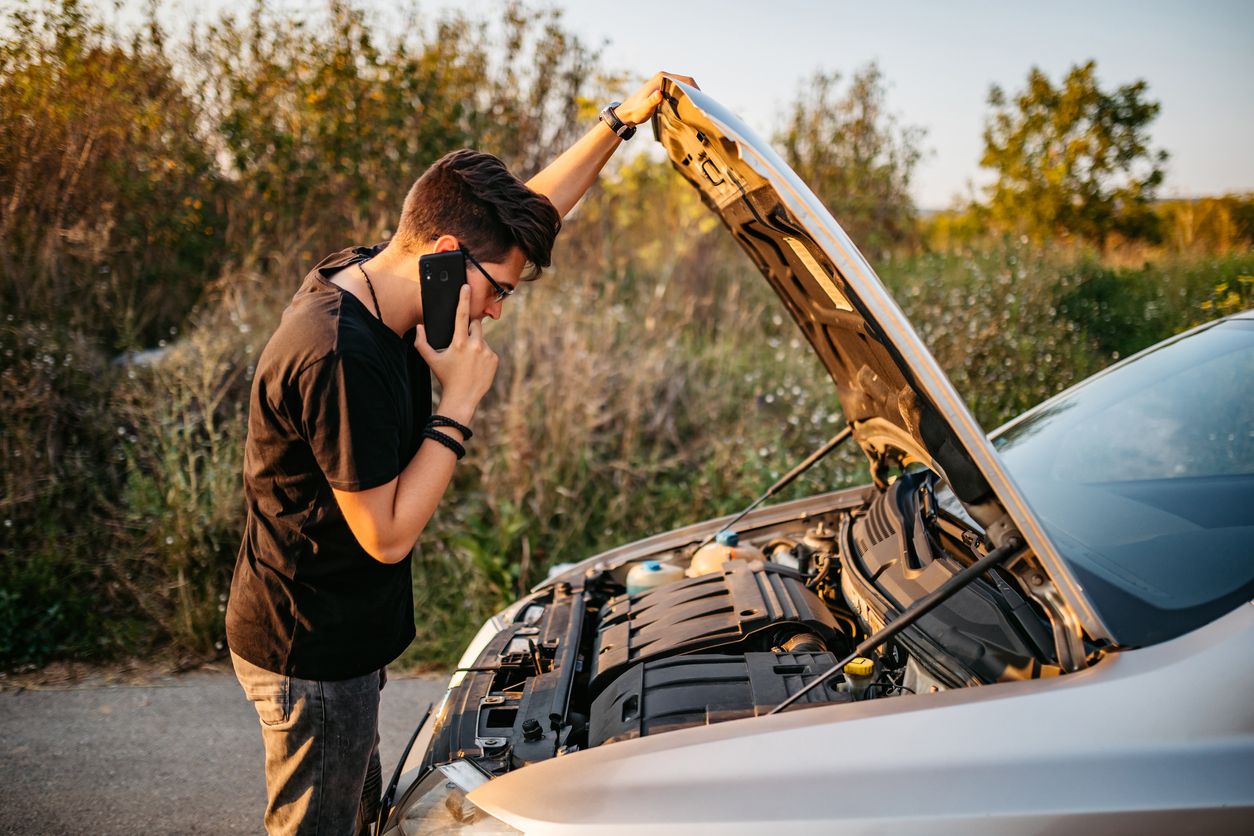
A dead car battery stops your engine from starting and disables electrical systems like lights, radio, and power accessories. Knowing what happens next helps you respond calmly and avoid bigger issues.
Picture this: you turn the key, and instead of the familiar rumble, you hear a slow click or nothing at all. Your dashboard lights flicker, your headlights dim, and suddenly you're stuck. A dead battery is one of the most common car problems drivers face, yet many people don't fully understand what it means or what to do about it. Over the last decade, I've helped hundreds of drivers diagnose battery issues, jump-start vehicles in parking lots, and prevent premature battery failure. In this guide, I'll walk you through exactly what happens when your car battery dies, what to do next, and how to keep it from happening in the future.
What Happens When the Battery Dies in Your Car
When your car battery dies, your vehicle loses the electrical power needed to start the engine and run accessories. The battery's main job is to send a burst of energy to the starter motor and power the ignition system. Without that energy, your engine won't crank, and your electrical components will shut down or behave unpredictably.
A dying battery usually gives warning signs before it fails completely. You might notice dimming headlights, slow engine cranking, or warning lights on your dashboard. Once the battery is dead, these symptoms turn into a no-start situation where nothing works without an external power source.
How a Car Battery Powers Your Vehicle
Your car battery stores chemical energy and converts it into electrical energy on demand. When you turn the key or press the start button, the battery sends voltage to the starter, which turns the engine over. Once the engine runs, the alternator takes over and recharges the battery while powering your car's electrical systems.
If the battery is dead, this chain breaks at the very first step. No power to the starter means no engine turnover. No engine turnover means the alternator never kicks in, so nothing else works either.
Immediate Symptoms of a Dead Battery
Recognizing a dead battery is usually straightforward once you know what to look for. Here are the most common signs:
- Clicking sound when you turn the key
- No sound, lights, or response at all
- Dashboard lights flicker or appear very dim
- Headlights and interior lights won't turn on
- Radio and power windows stop working
- Engine cranks very slowly or not at all
- Electrical accessories behave erratically
What Happens to Electrical Systems When the Battery Dies
Modern cars rely heavily on electronics, and a dead battery affects more than just starting. Power steering may become heavier, automatic door locks might fail, and your infotainment screen will go dark. Some vehicles even store error codes in their computer systems when voltage drops too low.
Once you jump-start the car or install a new one, most of these systems reset on their own. In rare cases, you may need to reset your clock, radio presets, or window auto-up features.
Common Causes of a Dead Car Battery
Batteries die for many reasons, and understanding the cause helps you prevent it from happening again. Some causes are simple, like leaving your headlights on overnight. Others are more complex, like a failing alternator or old age.
Leaving Accessories or Electronics Running
This is the most common cause of a dead battery. Leaving your headlights, interior lights, or charging cables plugged in overnight can drain a battery in hours. Even a dome light left on for a full day can kill an older battery.
Battery Age and Wear
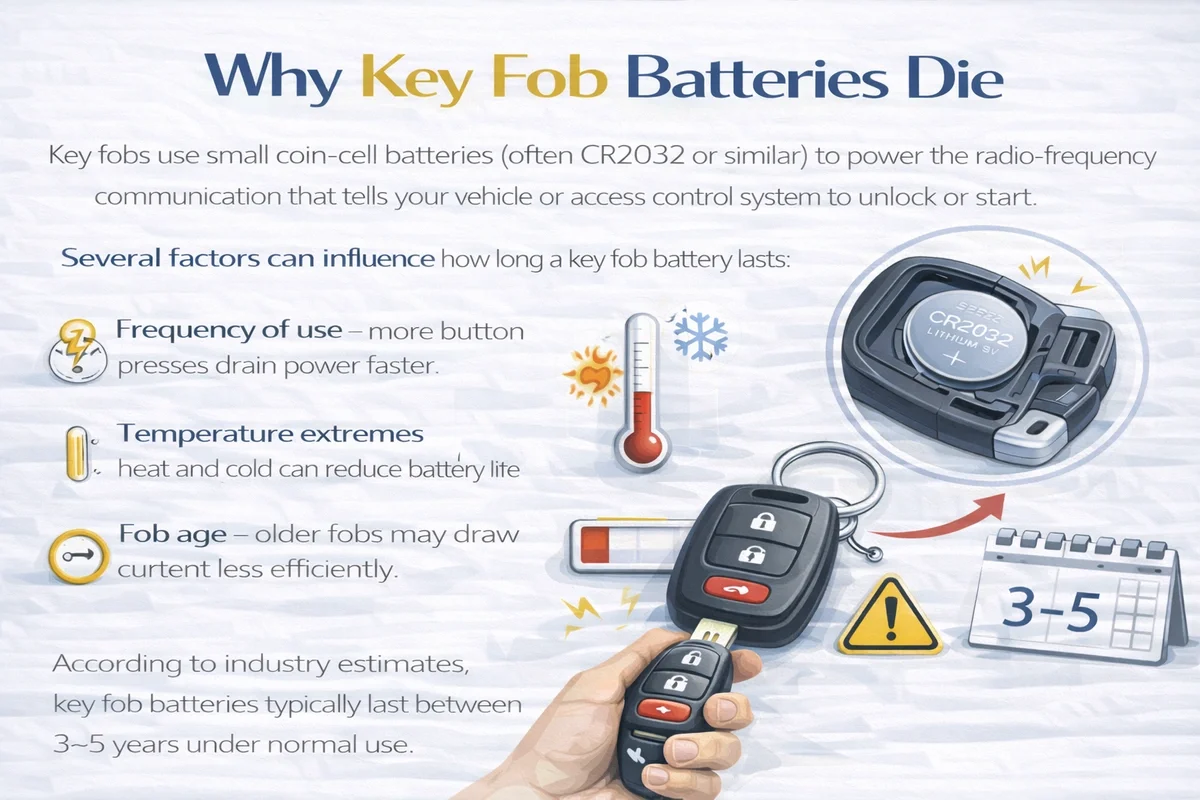
Most car batteries have a lifespan of three to five years. As they age, their ability to hold a charge drops. If your battery is older than four years, it's more likely to die unexpectedly, especially in extreme temperatures.
Extreme Weather Conditions
Both hot and cold weather affect battery performance. Heat speeds up internal corrosion, while cold thickens engine oil and makes the battery work harder. If you live in a climate with harsh winters or blazing summers, your battery will wear out faster.
Faulty Alternator or Charging System
The alternator recharges your battery while the engine runs. If it fails, your battery will slowly lose charge every time you drive. A bad alternator can also send irregular voltage that damages the battery over time.
Corroded or Loose Battery Connections
Corrosion on the battery terminals blocks the flow of electricity. Loose cable connections can interrupt the circuit entirely. Either issue can mimic a dead battery or cause one by slowly draining power.
Parasitic Drain
Some electrical drain is normal, but a parasitic drain means something is pulling power when the car is off. Common culprits include a stuck relay, faulty infotainment system, or an aftermarket accessory that's improperly wired.

What to Do When Your Car Battery Dies
When your battery dies, staying calm and following a few simple steps can get you back on the road quickly. The right response also prevents damage to your car's electrical system.
Step 1: Confirm the Battery Is the Problem
Before assuming the battery is dead, check a few things. Make sure your headlights and interior lights work. If they're dim or off, the battery is likely the issue. If lights work normally but the engine won't crank, you might have a starter problem instead.
Step 2: Try a Jump Start
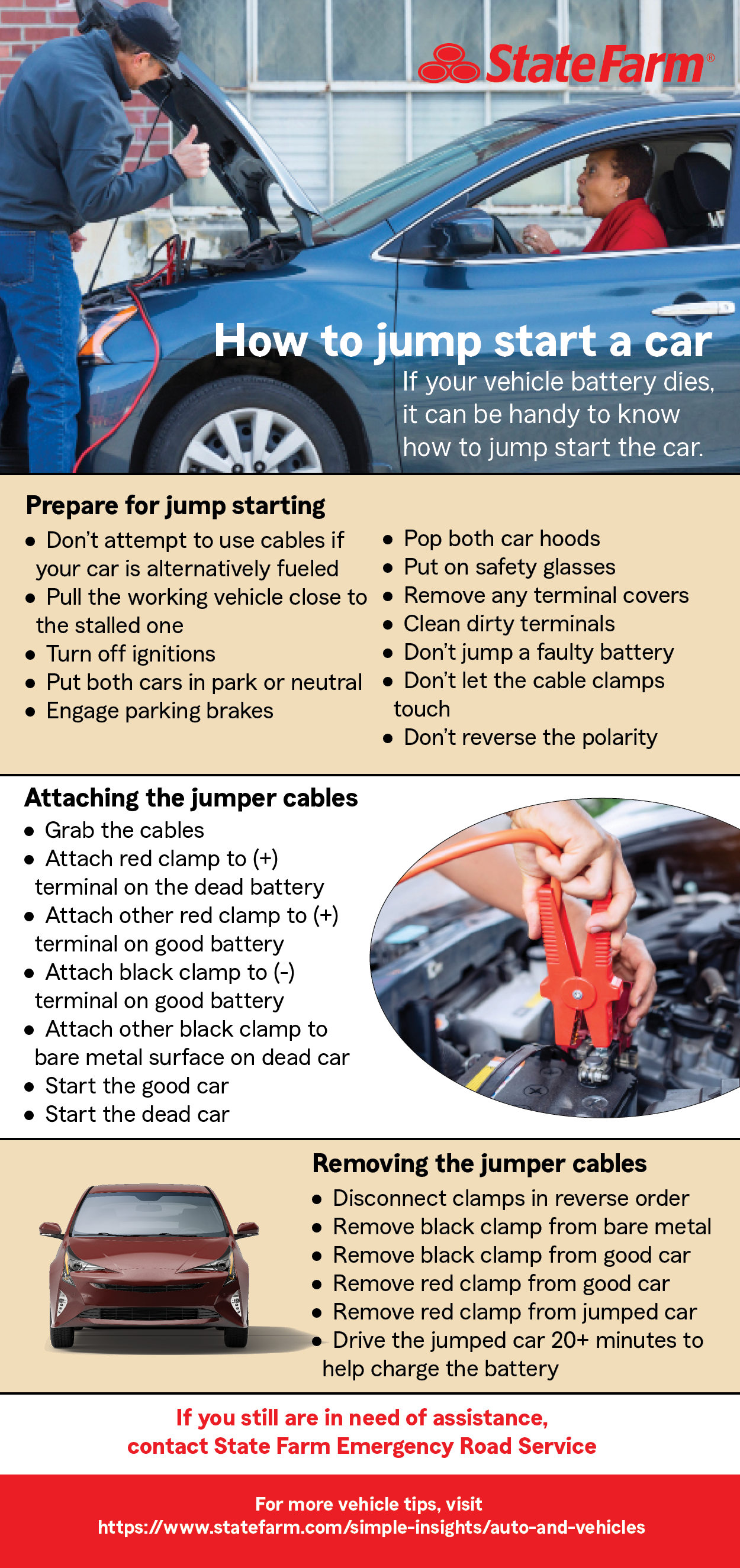
Jump-starting is the fastest way to get going if your battery is dead. You'll need jumper cables and another vehicle with a working battery. Connect the red cable to the positive terminal on both batteries, then connect the black cable to the negative terminal on the working battery and an unpainted metal surface on your car. Start the working car, let it run for a few minutes, then try starting yours.
Step 3: Drive to Recharge the Battery
Once your car starts, don't turn it off right away. Drive for at least 20 to 30 minutes to let the alternator restore enough power. Short trips won't fully recharge a dead battery, so plan a longer drive if possible.
Step 4: Get the Battery Tested
Even after a successful jump start, visit an auto parts store or mechanic to test the battery. Most stores offer free testing. The results tell you whether the battery can hold a charge or needs replacement.
Step 5: Replace the Battery if Needed
If the battery is old or fails the test, replace it as soon as possible. A new battery costs between $100 and $250 depending on the brand and type. Many stores install them for free, and you can often recycle your old one on the spot.
How to Prevent Your Car Battery from Dying
Preventing a dead battery is much easier than dealing with one. A little routine care goes a long way and can extend your battery's life by months or even years.
Drive Your Car Regularly
Batteries lose charge when sitting unused. If you don't drive often, take a 20-minute trip at least once a week. This keeps the battery charged and prevents the fluids inside from stratifying.
Keep the Terminals Clean
Check your battery terminals every few months. If you see white, blue, or greenish powder, clean it off with a wire brush and a mix of baking soda and water. Clean terminals ensure a strong connection and better charging.
Turn Off All Lights and Accessories
Before exiting your car, double-check that your headlights, dome lights, and infotainment screen are off. This habit alone prevents the most common cause of dead batteries.
Disconnect the Battery for Long-Term Storage
If you're storing your car for more than a month, disconnect the negative battery cable or use a trickle charger. This prevents slow drain and preserves battery life.
Test Your Battery Annually
Once your battery is three years old, get it tested every year. Many mechanics and auto parts stores include this in routine maintenance. Catching a weak battery early saves you from being stranded.

Can a Dead Battery Be Recharged?
Yes, in many cases, a dead battery can be recharged and continue working for a while. The method depends on how dead it is and the battery's condition.
Using a Battery Charger
A portable battery charger plugs into a standard wall socket and slowly restores your battery over several hours. This method is safer and gentler than jump-starting. It's a great option if your car is parked at home and you have time to wait.
Driving to Recharge
Driving recharges the battery through the alternator, but only if the alternator is working properly. A 30-minute drive at highway speeds usually adds enough charge for daily use. However, deeply discharged batteries may need a full overnight charge.
When Recharging Won't Work
If your battery is old, damaged, or has a dead cell, recharging won't help. A dead cell means the battery can't hold a charge, no matter how long you leave it on the charger. In this case, replacement is the only option.
When a Dead Battery Signals a Bigger Problem
Sometimes a dead battery is a symptom of a deeper issue. If your battery keeps dying even after recharging or replacement, something else is wrong.
Alternator Failure
A bad alternator won't recharge it while driving. If your battery dies again shortly after a jump start, the alternator is a likely culprit. You may also notice dimming lights or a warning light on your dashboard.
Starter Motor Issues
The starter uses power from the battery to crank the engine. A failing starter can draw too much power and drain the battery quickly. If you hear a grinding noise or nothing at all when turning the key, the starter might be the issue.
Electrical Short or Parasitic Drain
A short circuit or parasitic drain pulls power even when the car is off. Finding the source requires a technician who can test the electrical system with a multimeter. Once found, the fix is usually straightforward, like replacing a relay or fixing a wire.
What Happens If You Drive with a Dead Battery
Driving with a dead battery isn't really possible since the car won't start. However, if your battery is weak and the car barely starts, driving short distances can make things worse. The alternator isn't designed to fully recharge a dead battery from scratch, so you'll end up with a low battery and a strained alternator.
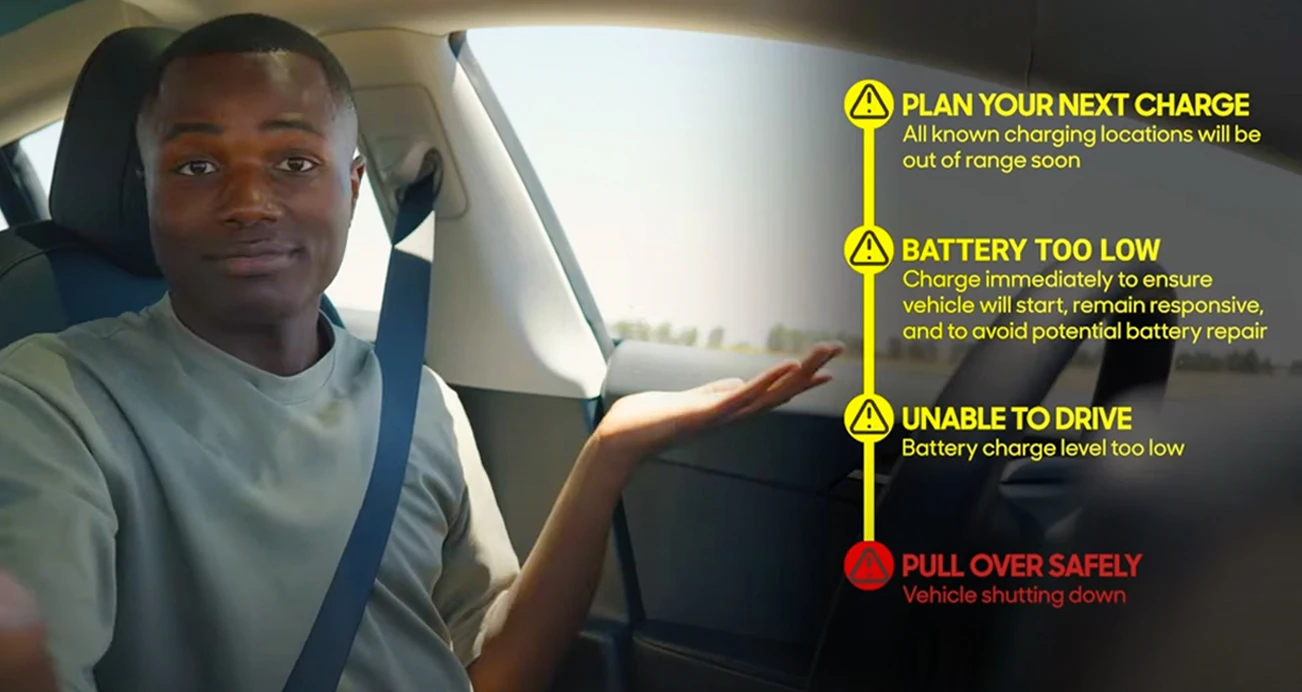
If your car dies while driving, the alternator has likely failed. Pull over safely, turn on your hazard lights, and call for roadside assistance. Driving with a dead electrical system can damage sensitive electronics like your ECU, infotainment system, and sensors.

Myths About Dead Car Batteries
There's a lot of misinformation out there about car batteries. Let me clear up a few common myths I hear all the time.
Myth 1: Jump-Starting Damages Your Car
Modern cars are designed to handle jump starts safely. As long as you connect the cables correctly and use a quality battery in the donor vehicle, you won't damage anything.
Myth 2: A Dead Battery Means You Need a New One
Not always. If your battery dies because you left the lights on, it just needs a recharge. Age and testing tell you whether replacement is necessary.
Myth 3: Idling Your Car Charges the Battery
Idling charges the battery very slowly because the alternator isn't working at full capacity. Driving at higher RPMs charges it faster.
Myth 4: All Car Batteries Are the Same
Batteries vary by size, power output, and technology. Using the wrong type can shorten its life and harm your electrical system. Always match the specs recommended by your manufacturer.
Frequently Asked Questions About a Dead Car Battery
How long does a car battery last before it dies?
Most car batteries last between three and five years, depending on climate, driving habits, and maintenance. Extreme temperatures and frequent short trips can shorten its lifespan.
Can a dead battery damage my car's computer?
A deeply discharged battery can sometimes cause voltage spikes when jump-started, which may affect sensitive electronics. Using a surge-protected jump starter or connecting the cables properly reduces this risk.
How do I know if my battery is dead or just low on charge?
A low battery usually still has enough power to dimly light the dashboard and click when you turn the key. A dead battery shows no signs of life at all. A quick test with a voltmeter can tell you the difference.
Is it safe to jump-start a car in the rain?
Yes, jump-starting in the rain is generally safe. The voltage in a car battery is too low to cause electrical hazards in wet conditions. Just make sure the cables and terminals stay dry and properly connected.
What should I do if my battery keeps dying?
If your battery keeps dying after recharging or replacement, have your alternator, starter, and electrical system tested. A parasitic drain or failing component is likely the root cause.
Conclusion
A dead car battery is more than just an inconvenience. It's a signal that something needs to be addressed, from simple habits to serious electrical issues. Understanding what happens when the battery dies helps you stay calm, take the right steps, and prevent future problems.
Start by checking your battery's age, keeping the terminals clean, and avoiding leaving accessories on when the engine is off. If your battery is older than three years, get it tested annually. And if you ever find yourself stranded, remember that a quick jump start, a long drive, or a simple replacement is usually all it takes to get back on the road.
Take a few minutes this week to pop the hood, inspect your battery, and make sure everything looks good. A little preventive care today can save you from the frustration of a dead battery tomorrow.