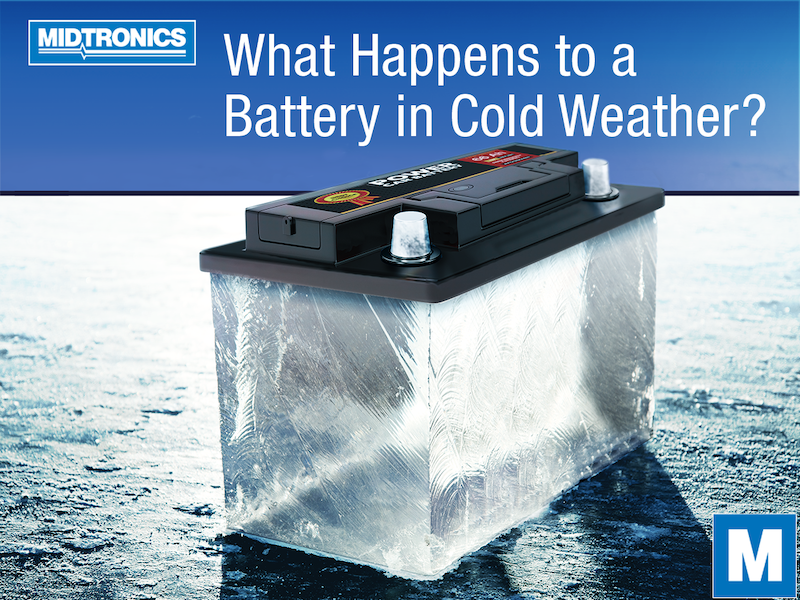
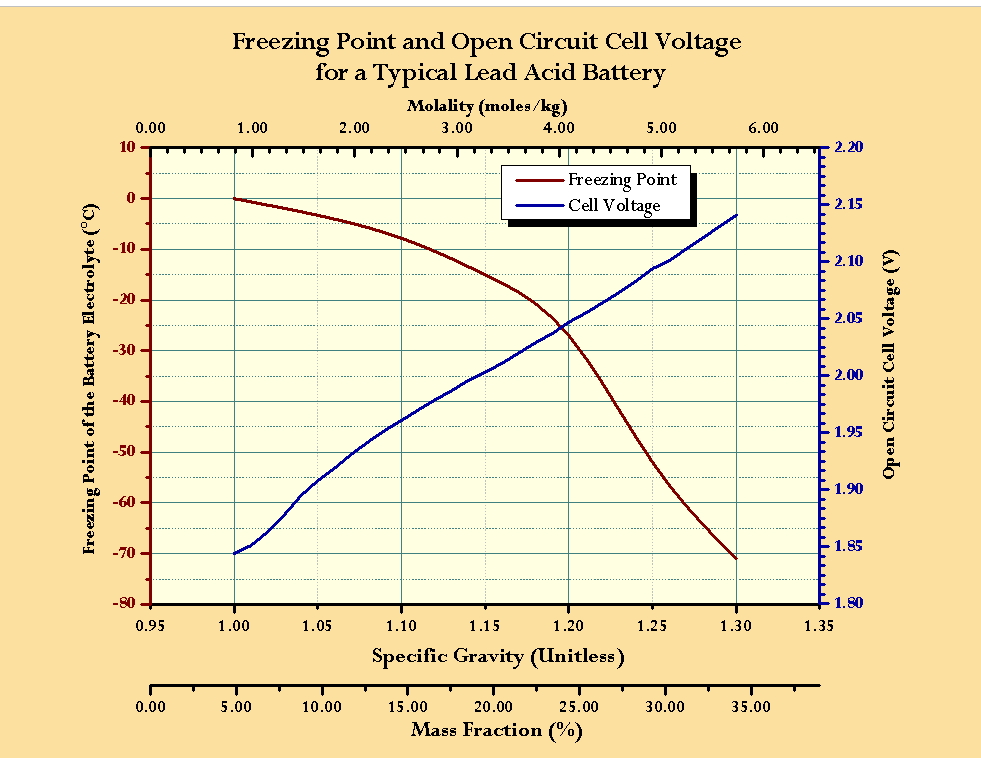
A fully charged car battery freezes at about -76°F (-60°C), while a dead battery can freeze at just 32°F (0°C). Cold weather can turn a weak battery into a solid block of ice, leaving you stranded on the coldest morning of the year. Understanding exactly what temp car batteries freeze can save you from a world of frustration, expensive repairs, and missed appointments. Over the past decade working hands-on with vehicles in freezing climates, I have seen firsthand how a few degrees can mean the difference between a car that starts and one that doesn't budge.
How Car Batteries Work and Why Cold Affects Them
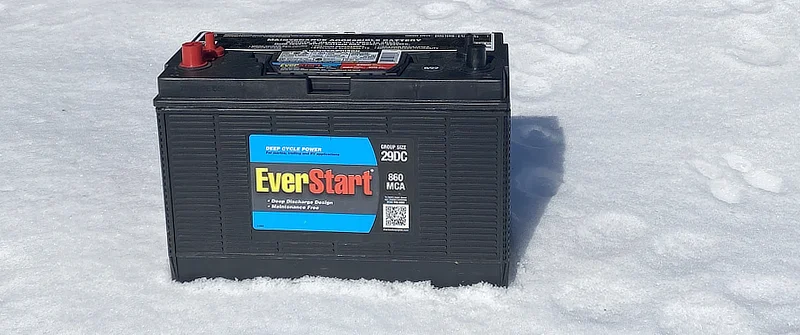
A standard 12-volt car battery is a lead-acid battery filled with a liquid electrolyte made of sulfuric acid and water. When the battery discharges, the electrolyte becomes more watery because the acid concentration drops. This change in chemistry is the single biggest reason why temperature matters so much.
Think of your battery like a sponge soaked in antifreeze. When the fluid is strong, it resists freezing. When the fluid is weak, even a light frost can turn it solid. Once the electrolyte freezes, it expands, cracks the internal plates, and permanently damages the battery.
Key points to remember:
- A fully charged lead-acid battery has a high acid concentration and a very low freezing point.
- A discharged battery has a mostly water electrolyte, which freezes at or near 32°F.
- Internal damage from ice expansion is often invisible until the battery suddenly fails.
The Exact Freezing Point Based on Battery Charge Level
The freezing point of a car battery is directly tied to its state of charge. This is one of the most overlooked facts in car maintenance, and it is the reason why a battery that worked fine in November can die in January.
Here is a general guide based on real-world testing:
- 100% charged: freezes around -76°F (-60°C)
- 75% charged: freezes around -35°F (-37°C)
- 50% charged: freezes around -10°F (-23°C)
- 25% charged: freezes around 5°F (-15°C)
- Fully discharged: freezes around 32°F (0°C)
Most winter mornings in the northern United States hover between 0°F and 20°F. If your battery is below 50% charge, it is already skating on thin ice, literally.
Why a Frozen Battery Is a Serious Problem
A frozen battery is not just a battery that will not start the car. The damage runs much deeper. When the electrolyte freezes, it expands by about 10%. This expansion pushes against the lead plates inside the battery, warping them and breaking the internal connections.
I have personally opened frozen batteries that looked perfectly fine on the outside but had cracked plates and shorted cells inside. Once that happens, the battery cannot hold a charge, no matter how long you drive the car.
Other risks include:
- Cracked battery case leaking sulfuric acid
- Permanent loss of cranking amps
- Complete electrical failure in modern vehicles with sensitive computers

Early Warning Signs Before a Battery Freezes
The good news is that your car usually gives you warning signs long before the battery actually freezes. Ignoring these signs is like ignoring a check-engine light in the middle of nowhere.
Watch for these symptoms:
- Slow engine crank on cold mornings
– Dim headlights when the car is idling - Clicking sound when turning the key
- Battery warning light on the dashboard
- Visible bulging or swelling of the battery case
- Rotten egg smell indicating a weak charge
If you notice any of these, get the battery tested immediately. A simple load test at any auto parts store takes less than five minutes and can tell you exactly how much life is left.
How to Prevent a Car Battery from Freezing
Prevention is always cheaper than replacement. Over the years, I have developed a simple winter routine that has saved me hundreds of dollars and dozens of frustrating mornings.
Here is what works best:
- Park in a garage whenever possible, even an unheated one stays warmer than the outdoors
- Use a battery blanket or heater pad for extreme cold climates
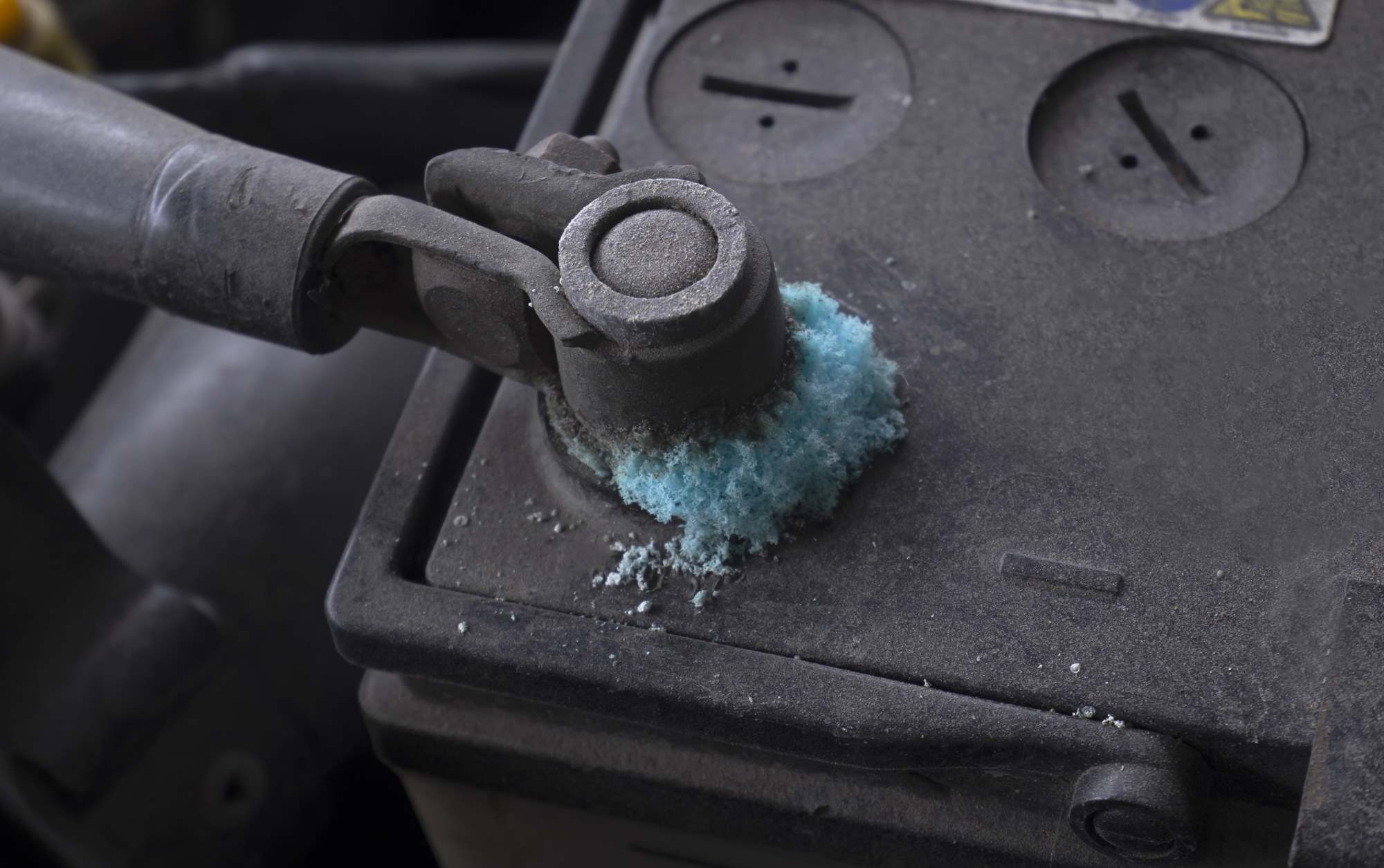
- Keep the battery terminals clean and free of corrosion
- Drive the car for at least 20 minutes several times a week to maintain charge
- Disconnect the battery if storing the car for more than two weeks
- Consider a battery maintainer or trickle charger for long-term storage
I personally use a small 2-amp maintainer on my classic truck during the winter, and it has kept the same battery healthy for over five years.

What to Do If You Suspect Your Battery Is Frozen
If you wake up to a dead car on a freezing morning, do not assume the battery is just dead. It might be frozen, and jump-starting a frozen battery is extremely dangerous.
Follow these steps:
- Look for physical signs like a swollen case or ice on the terminals
- Do not attempt to jump-start if you see bulging or cracks
- Bring the battery indoors and let it thaw slowly for 24 to 48 hours
- Test the voltage after thawing. A reading above 12.4 volts means it might be salvageable
- If voltage stays low or the case is damaged, replace the battery immediately
Attempting to charge a frozen battery can cause the ice to melt unevenly, leading to internal shorts and even explosions. Patience here is not just a virtue; it is a safety requirement.
Best Battery Types for Extreme Cold Weather
Not all batteries handle the cold the same way. If you live in a region where temperatures regularly drop below zero, choosing the right battery can make a huge difference.
Top options to consider:
- AGM batteries: Absorbed Glass Mat batteries hold up much better to freezing temperatures than traditional flooded batteries
- Lithium iron phosphate: These can operate in extreme cold but require heated versions for sub-zero cranking
- High CCA ratings: Choose a battery with at least 700 cold cranking amps for reliable winter starting
When I upgraded my daily driver to an AGM battery three years ago, the difference was night and day. The engine spun over faster, the lights stayed bright, and I never once worried about being stranded.
Frequently Asked Questions
Can a car battery freeze while still in the car?
Yes, a car battery can absolutely freeze while still installed in the vehicle. The surrounding metal parts do not insulate it enough to prevent freezing, especially if the battery is discharged.
At what temperature will a car battery not start?
A fully charged battery will struggle to start the engine once temperatures drop below -20°F (-29°C). A weak battery can fail to start at temperatures as warm as 20°F (-7°C).
How long does it take for a car battery to freeze?
The exact time depends on the charge level and the outside temperature, but a fully discharged battery can freeze in just a few hours at 32°F. A fully charged battery can take days or weeks in extreme cold.
Can a frozen battery be saved?
Sometimes. If the case is not cracked and the battery thaws without internal damage, it may still hold a charge. However, the safest option is always to replace it after a deep freeze.
Does idling the car warm up the battery?
Yes, idling does generate some heat, but it is not the most efficient way to keep a battery warm. Driving the car is better, and using a battery heater is the most reliable method.
Conclusion
Knowing what temp car batteries freeze is the difference between a smooth winter commute and a frozen, expensive mess. The simple rule of thumb is this: keep your battery fully charged, stay alert to the warning signs, and invest in proper cold-weather protection. Your battery is the heart of your vehicle, and a little attention during the cold months goes a long way. Stay proactive, stay charged, and never let winter catch you off guard. If you found this guide helpful, consider sharing it with a friend or leaving a comment with your own winter battery tips.