Jump-start the car with jumper cables, call roadside assistance, or replace the dead battery to get your vehicle running again safely.
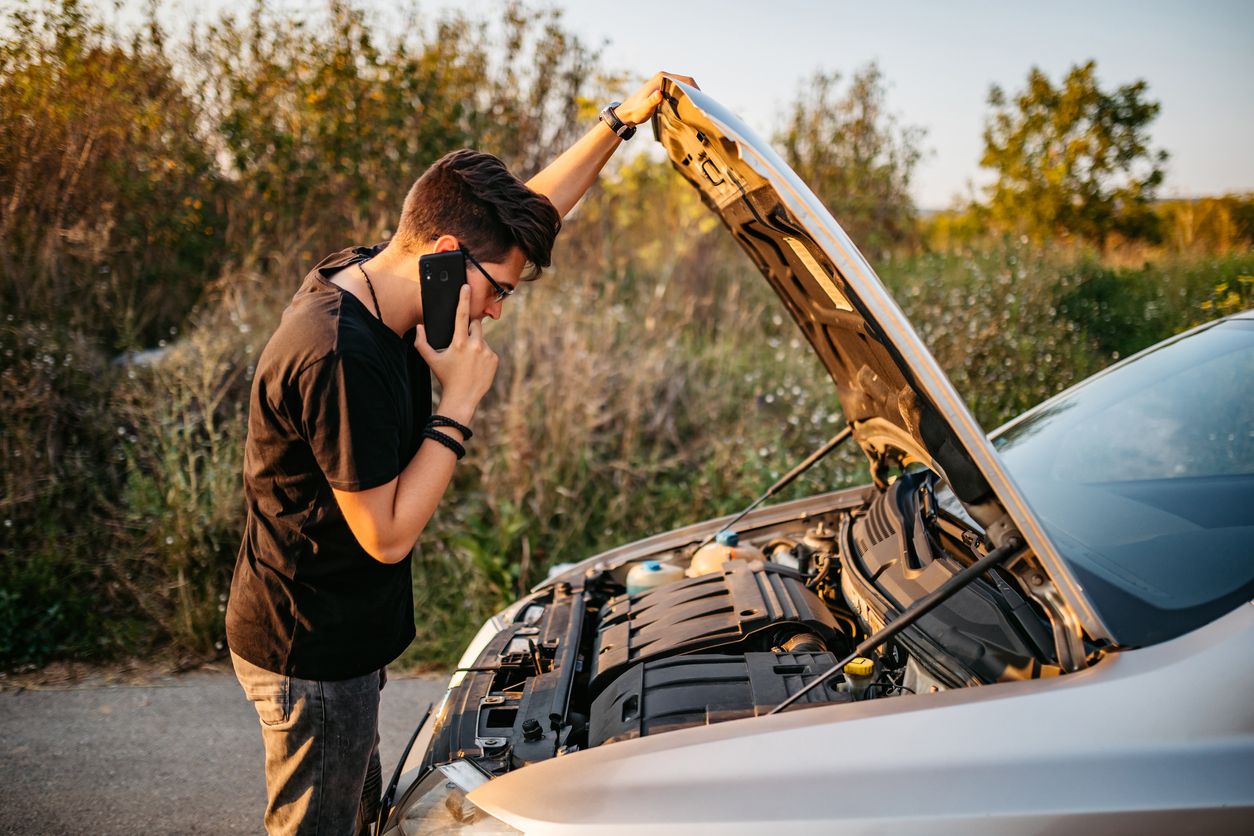
We've all been there. You turn the key, and instead of the familiar rumble of the engine, you hear nothing but silence. A dead car battery is one of those frustrating moments that can ruin your day. But don't worry, getting back on the road is often simpler than you think. With years of experience helping drivers handle roadside emergencies, I've seen just about every battery failure scenario you can imagine. In this guide, I'll share exactly what to do when your battery dies in your car, so you can handle the situation with confidence and ease.
Safety First: What to Do Before You Try Anything
Before you pop the hood or grab those jumper cables, let's talk safety. A dead battery can sometimes involve corrosive materials or electrical hazards, so a careful approach matters.
Here are the key steps to take right away:
- Move to a safe location if possible. If your car died in traffic, steer it to the shoulder or a safe spot away from moving vehicles.
- Turn off all accessories like lights, climate control, and the radio to prevent further battery drain.
- Set your parking brake to keep the vehicle stable while you work.
- Put on safety gloves and glasses if you have them, especially if you notice any corrosion on the battery terminals.
- Avoid smoking or open flames near the battery, as it can release hydrogen gas.
Once you've secured the scene and checked for any visible battery damage, you're ready to take the next step.
How to Jump-Start Your Car the Right Way
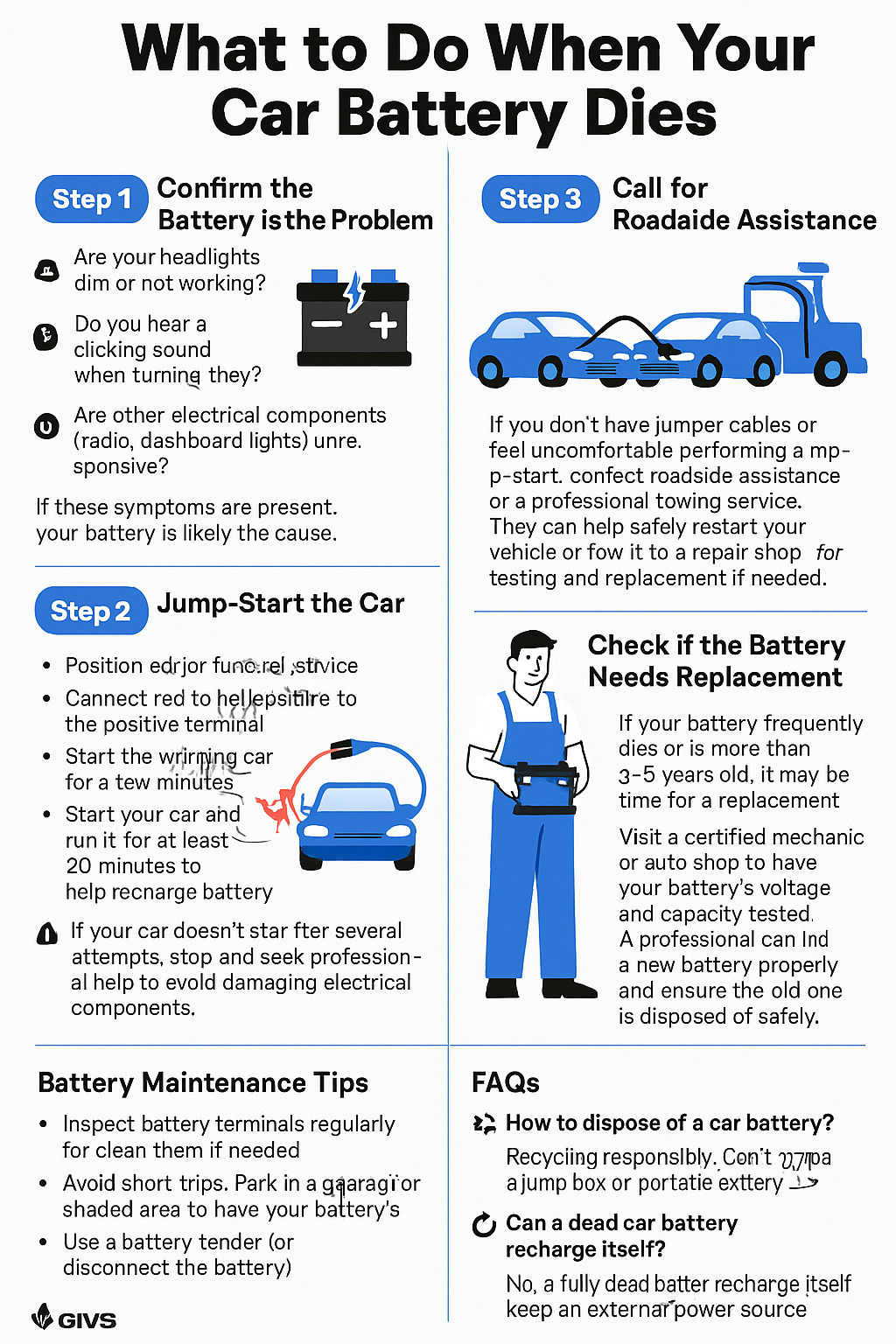
Jump-starting is the most common fix for a dead battery, and it works in most cases. The process is straightforward, but the order of connection matters to avoid sparks or damage.
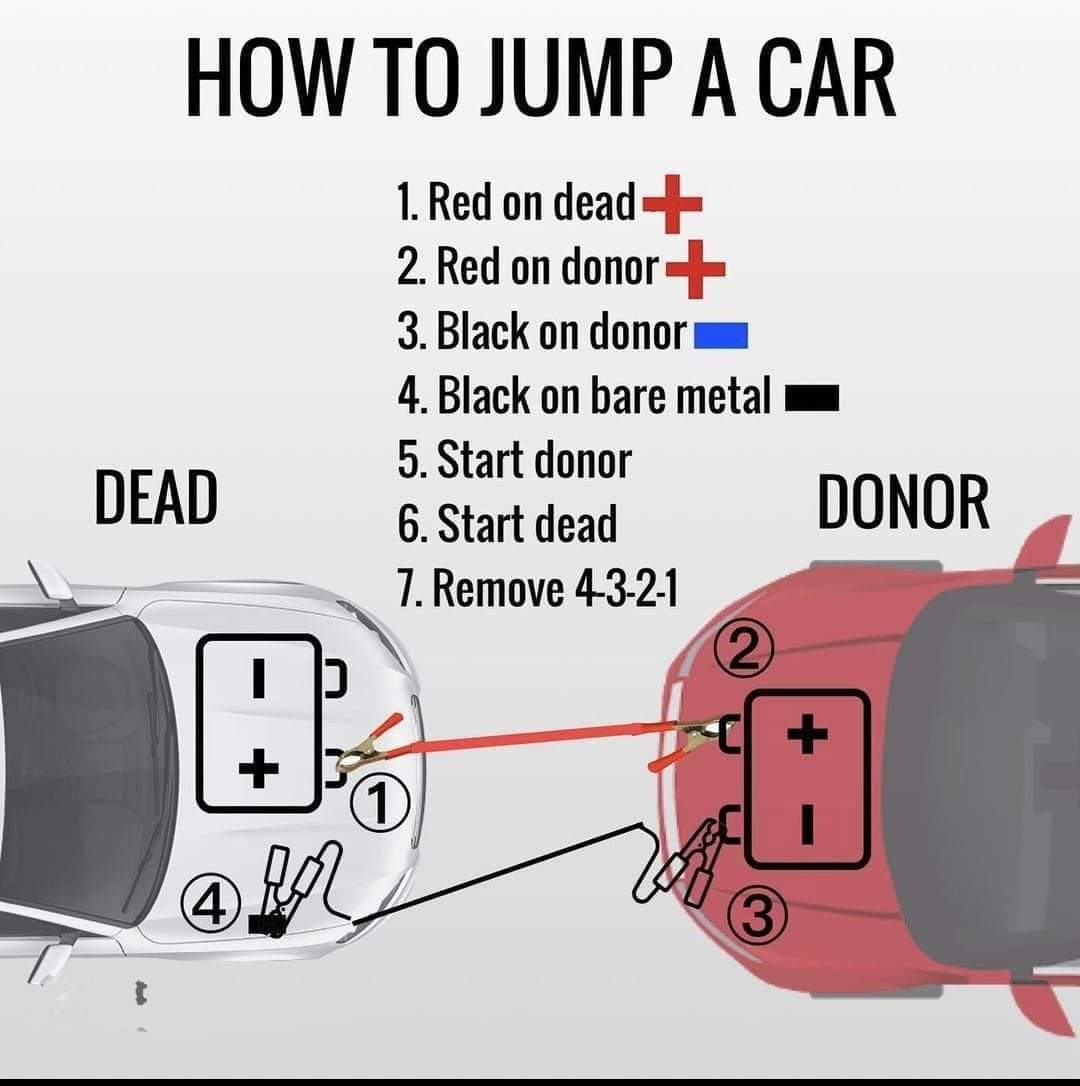
Here's a simple step-by-step guide:
- Park a working vehicle close enough that the jumper cables can reach both batteries, but make sure the cars don't touch.
- Turn off both vehicles and remove the keys from the ignitions.
- Connect the red positive clamp to the dead battery's positive terminal.
- Attach the other red clamp to the positive terminal of the good battery.
- Connect the black negative clamp to the negative terminal of the good battery.
- Ground the final black clamp on an unpainted metal surface on the dead car, like a bolt or bracket, away from the battery.
- Start the working car and let it run for a few minutes.
- Try starting your car. If it starts, leave it running and carefully disconnect the cables in reverse order.
I remember one cold morning when my own car wouldn't start in the grocery store parking lot. A kind stranger helped me jump it, and the relief I felt taught me to always carry jumper cables. You never know when you or someone else might need them.
What to Do If You Don't Have Jumper Cables
Sometimes you find yourself stranded without cables. Don't panic, because you still have options.
Here are practical alternatives:
- Call roadside assistance. Services like AAA or your insurance app can send help quickly.
- Ask a nearby store if they have a portable jump starter you can borrow or rent.
- Use a portable battery pack if you keep one in your trunk for emergencies.
- Flag down a passing driver to see if they can help.
- Walk to the nearest auto shop if it's close enough.
These backup plans have saved me more than once, especially on long road trips through rural areas where help isn't always around the corner.

Signs That Your Battery Needs Replacement Instead of a Jump
Sometimes a jump-start is just a temporary fix. If your battery keeps dying, it might be time for a new one.
Watch for these warning signs:
- The engine cranks slowly even after a jump.
- Your headlights look dim, especially at idle.
- The battery is more than three to five years old.
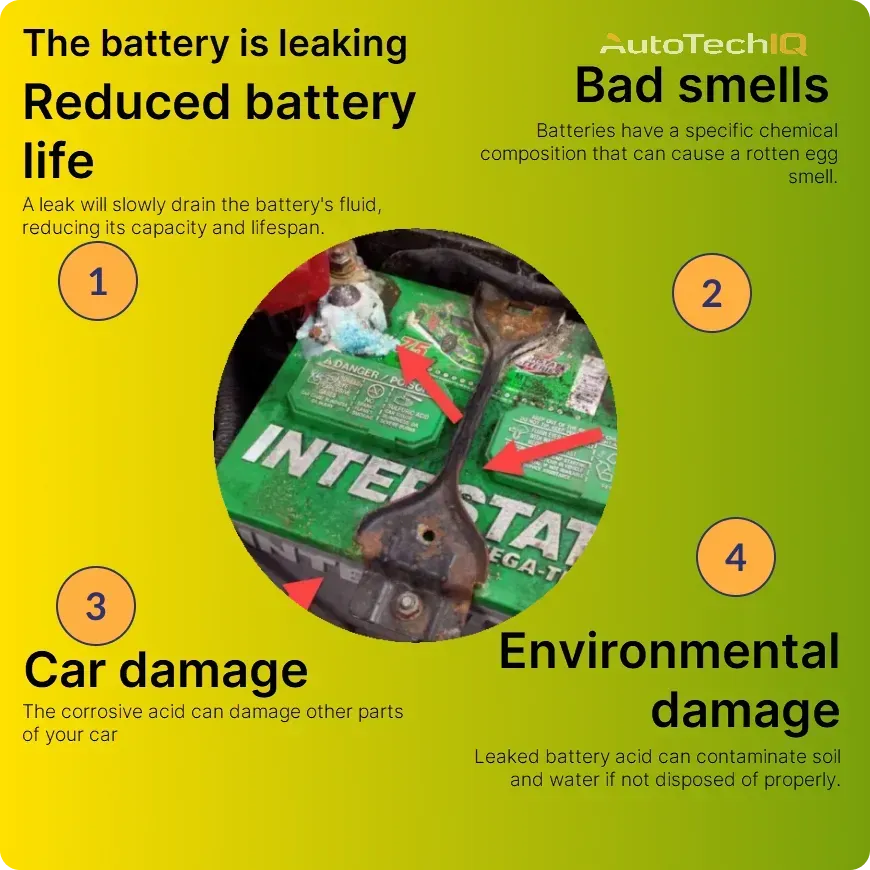
- You notice a rotten egg smell, which points to a leaking battery.
- The battery case looks swollen or cracked.
- Electrical systems act erratically, including power windows and dashboard lights.
If you notice any of these issues, visit a mechanic or auto parts store for a battery test. Many will check it for free and help you find the right replacement.
How to Prevent Your Battery from Dying Again
Once you're back on the road, a little prevention can save you future headaches.
Try these simple habits:
- Drive your car regularly to keep the battery charged.
- Turn off all lights and accessories before exiting the vehicle.
- Clean the battery terminals every few months to prevent poor contact.
- Get your battery tested once a year, especially before winter.
- Park in a garage during extreme cold to protect the battery.
- Avoid short trips that don't give the alternator enough time to charge the battery fully.
These small steps have kept my cars running smoothly for years, and they can do the same for you.

When to Call for Professional Roadside Help
Sometimes the situation calls for expert hands. If your car won't start after a jump, or if you smell something burning, it's time to call for help.
Reach out to professionals when:
- The battery is visibly damaged or leaking.
- You hear clicking but the engine won't turn over.
- The electrical system shows no power at all.
- You're alone in an unsafe location and feel uncomfortable handling the situation.
- The car needs to be towed to a repair shop.
There's no shame in asking for help. Even seasoned drivers call for assistance when things get tricky.
Frequently Asked Questions
Can a completely dead battery be recharged?
Yes, in many cases a dead battery can be recharged using a jump-start or a battery charger. However, if the battery is old or damaged, it may need to be replaced instead.
How long does it take to jump-start a car?
The actual jump-start takes just a few minutes, but you should let the working car run for about five minutes before trying to start the dead vehicle. After starting, drive for at least 20 minutes to help recharge the battery.
Is it safe to jump-start a car in the rain?
Yes, jump-starting in the rain is generally safe as long as you follow the proper steps. Just make sure both vehicles are off before connecting cables, and keep the connections dry where possible.
What causes a car battery to die suddenly?
Common causes include leaving lights on, a faulty alternator, extreme temperatures, corrosion on terminals, or an old battery that has reached the end of its life.
Do I need to replace my battery after it dies?
Not always. If the battery died due to a one-time issue like leaving lights on, a jump-start may be all you need. But if it dies repeatedly, replacement is usually the best long-term fix.
Final Thoughts
A dead battery doesn't have to mean a ruined day. With the right knowledge and a few simple tools, you can handle the situation like a pro. Whether you jump-start your car, call for help, or replace the battery, the key is staying calm and working safely. Keep jumper cables or a portable battery pack in your trunk, and make battery checks part of your regular car care routine. If you found this guide helpful, feel free to share it with fellow motorists or drop a comment below with your own tips for handling a dead battery. Safe driving out there.