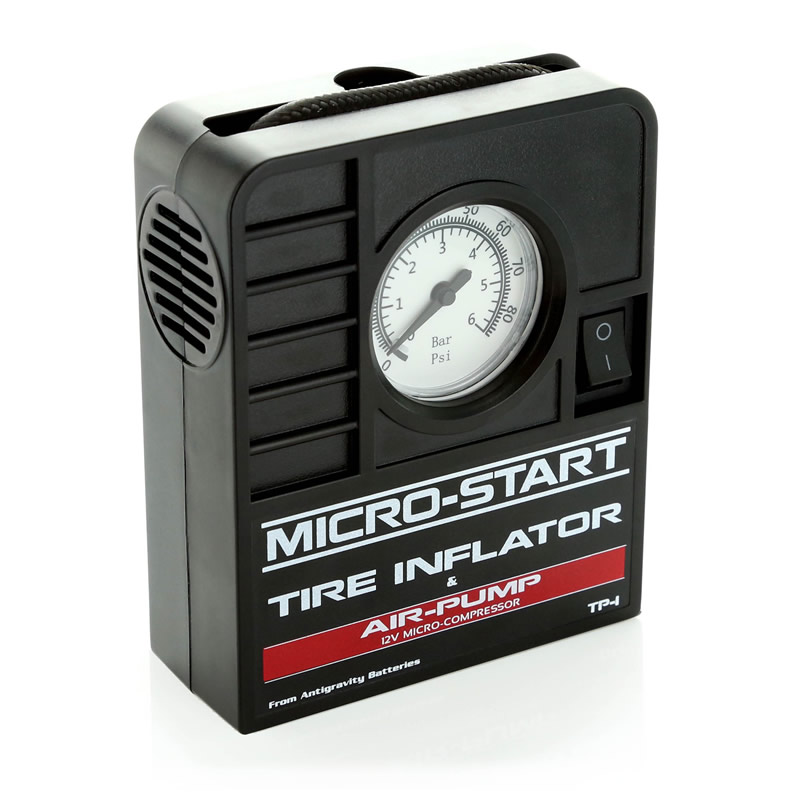
A tire inflator is a portable device that pumps air into vehicle tires to maintain proper pressure, improving safety, fuel efficiency, and tire life.
If you've ever been stranded on a roadside with a flat tire, you already know how valuable a tire inflator can be. Over the years, I've tested dozens of these devices, from bulky garage units to compact emergency gadgets, and I can tell you this: understanding what a tire inflator is and how it works can genuinely change the way you drive. Whether you're a daily commuter, a road trip lover, or someone who just wants peace of mind in the trunk, this guide will walk you through everything you need to know.
How a Tire Inflator Works
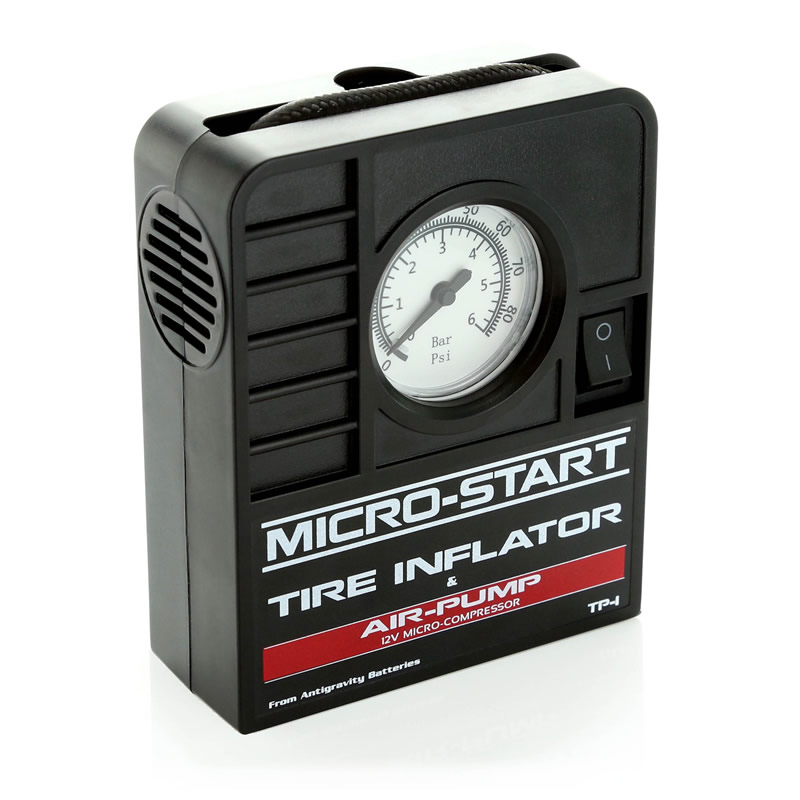
At its core, a tire inflator is a motorized air pump designed to push compressed air into a tire. The process is simple but effective. The device draws in ambient air, compresses it, and forces it through a hose connected to your tire's valve stem. Most inflators come with a built-in pressure gauge so you can monitor how much air is going in.
From my own experience, the first time I used a tire inflator, I was honestly surprised at how fast it worked. A completely flat tire on my sedan went from zero to the recommended PSI (pounds per square inch) in under five minutes. That moment alone made me a believer in keeping one in every car I own.
Here is the basic working process:
- The inflator connects to a power source, either a 12V car outlet, a rechargeable battery, or a wall plug.
- Air enters the device through an intake vent and gets compressed by a small motor.
- The compressed air travels through a delivery hose.
- A pressure gauge or digital display shows the real-time PSI reading.
- The device shuts off automatically or manually once the desired pressure is reached.
Modern inflators often include safety features like auto shut-off, LED lights for nighttime use, and even built-in pressure sensors for accuracy.
Types of Tire Inflators
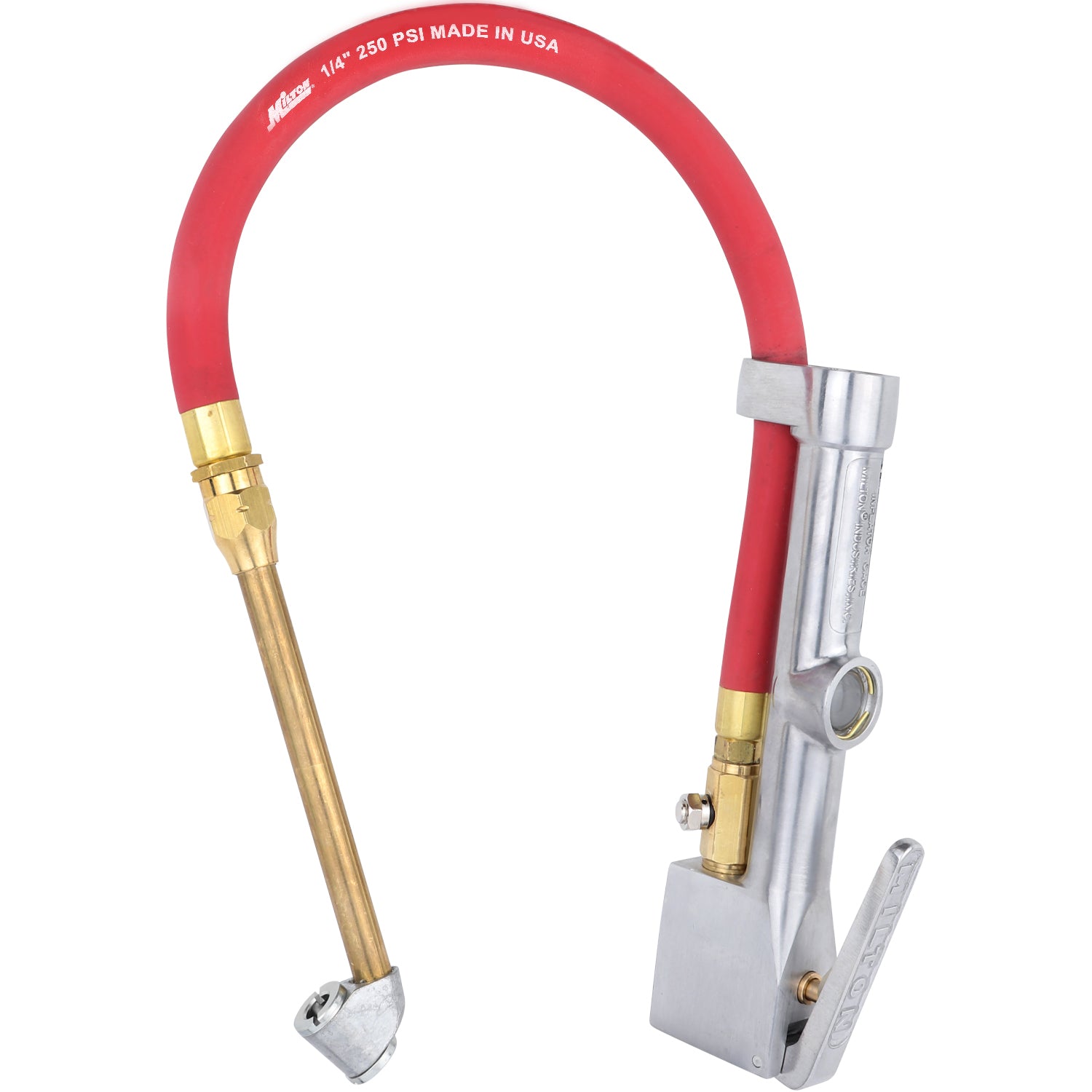
Not all tire inflators are the same, and choosing the right one depends on your lifestyle and vehicle. I've personally used all three main types, and each has its own strengths.
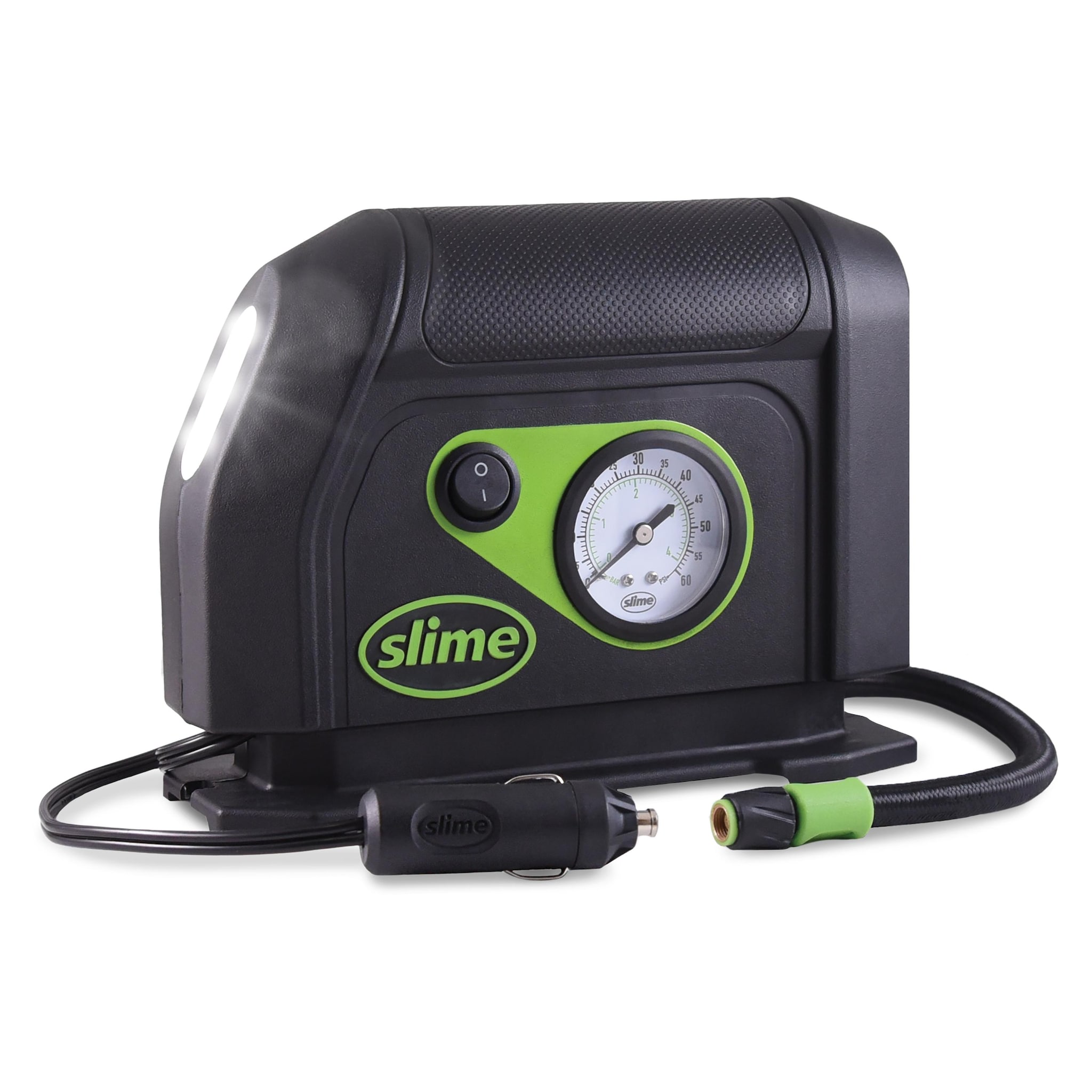
Portable 12V Inflators
These plug directly into your car's cigarette lighter or 12V outlet. They are compact, lightweight, and ideal for emergency use. Most drivers keep them in the trunk as a backup. During a winter trip through Colorado, my 12V inflator saved me when temperatures dropped and my tire pressure warning lit up. It was a lifesaver.
Pros:
- Affordable and widely available
- Easy to store in small spaces
- Works without needing a separate battery
Cons:
- Limited power compared to larger units
- Cord length can be restrictive
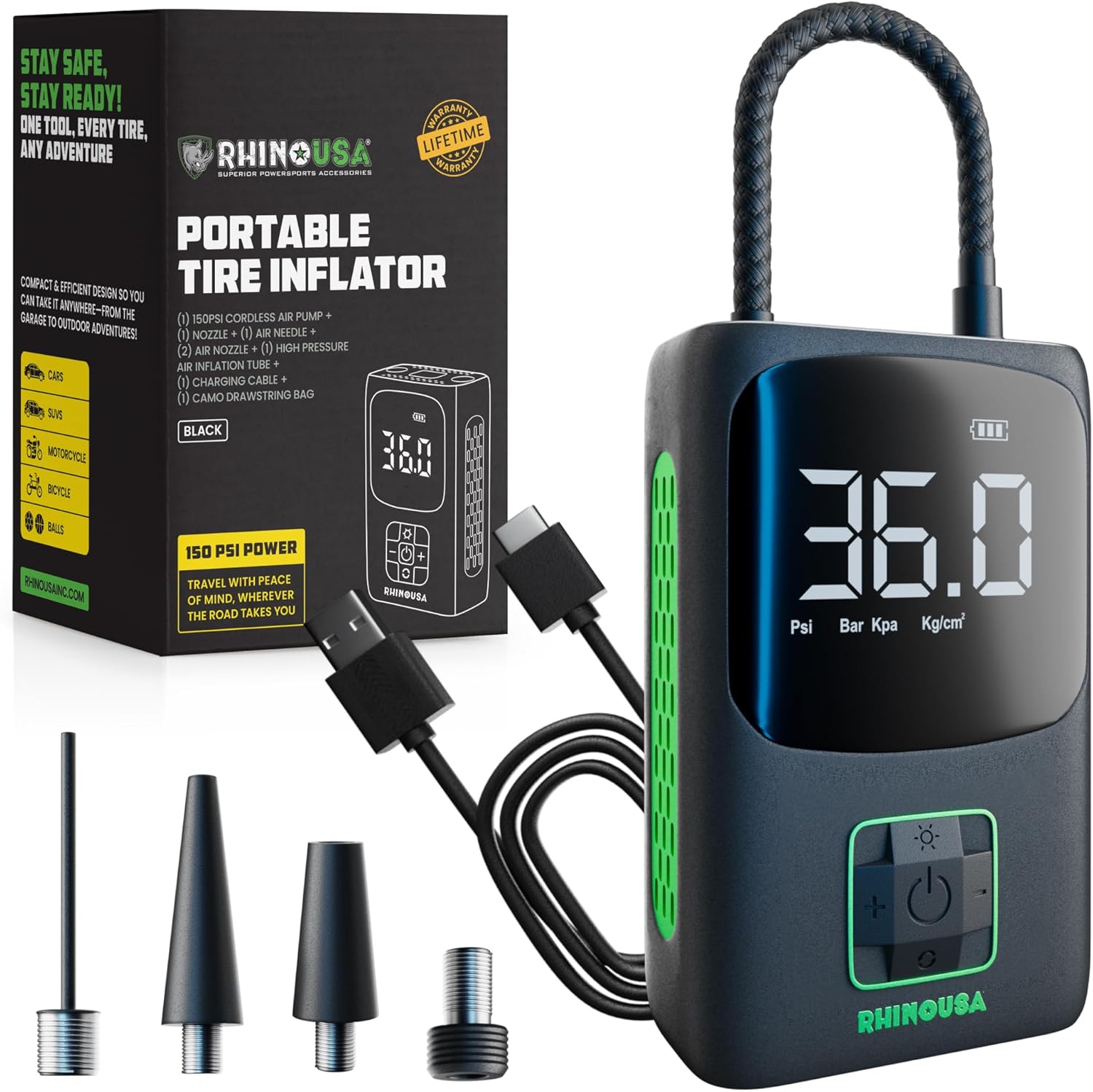
Rechargeable Cordless Inflators
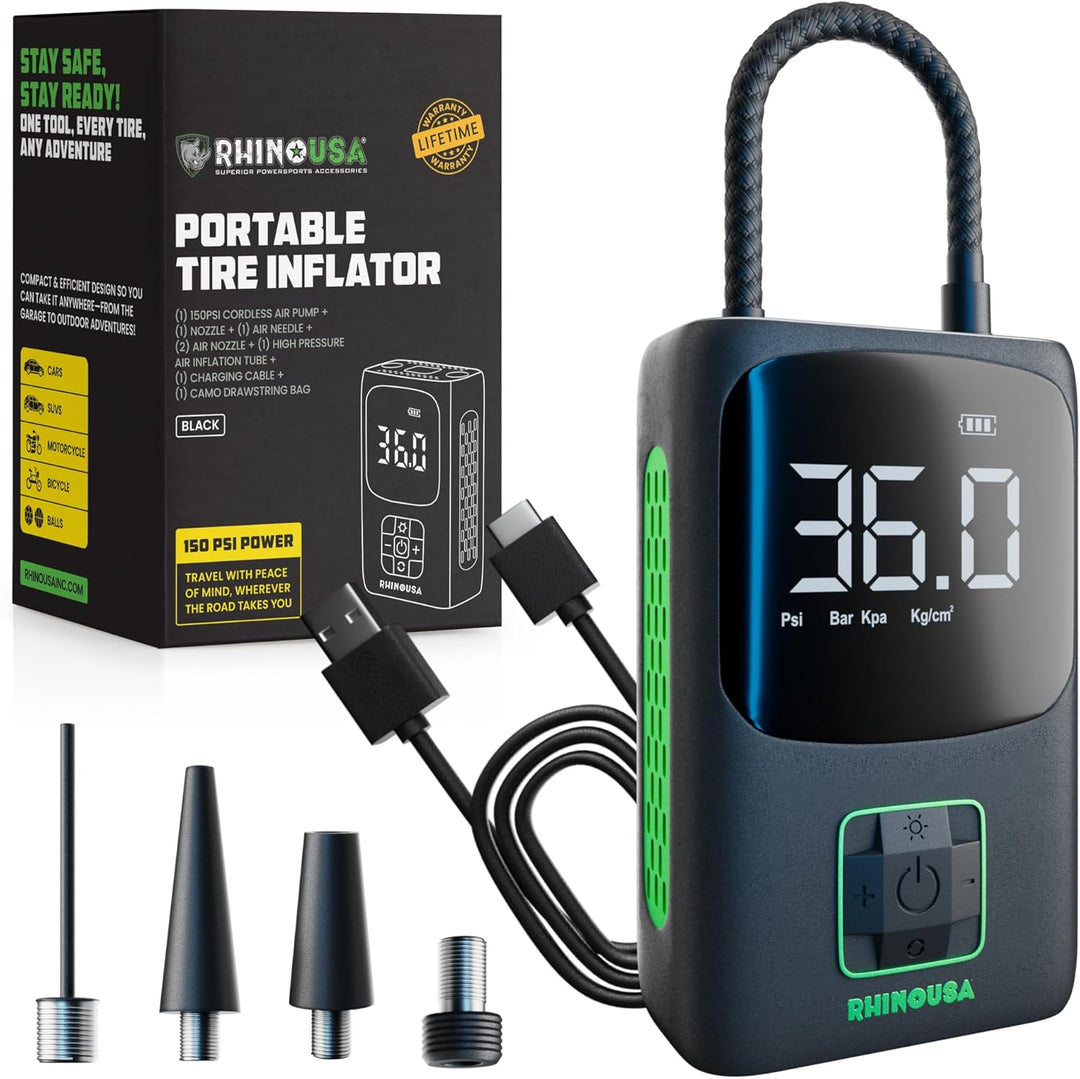
These run on built-in lithium-ion batteries, which makes them incredibly convenient. You don't need to be near a power outlet or even inside a vehicle to use them. I bought one for cycling and inflating sports equipment, and it quickly became a household favorite.
Pros:
- Truly portable and wireless
- Often comes with multiple nozzle attachments
- Great for bikes, balls, and small inflatables
Cons:
- Battery life limits continuous use
- Higher price point
Heavy-Duty Garage Inflators
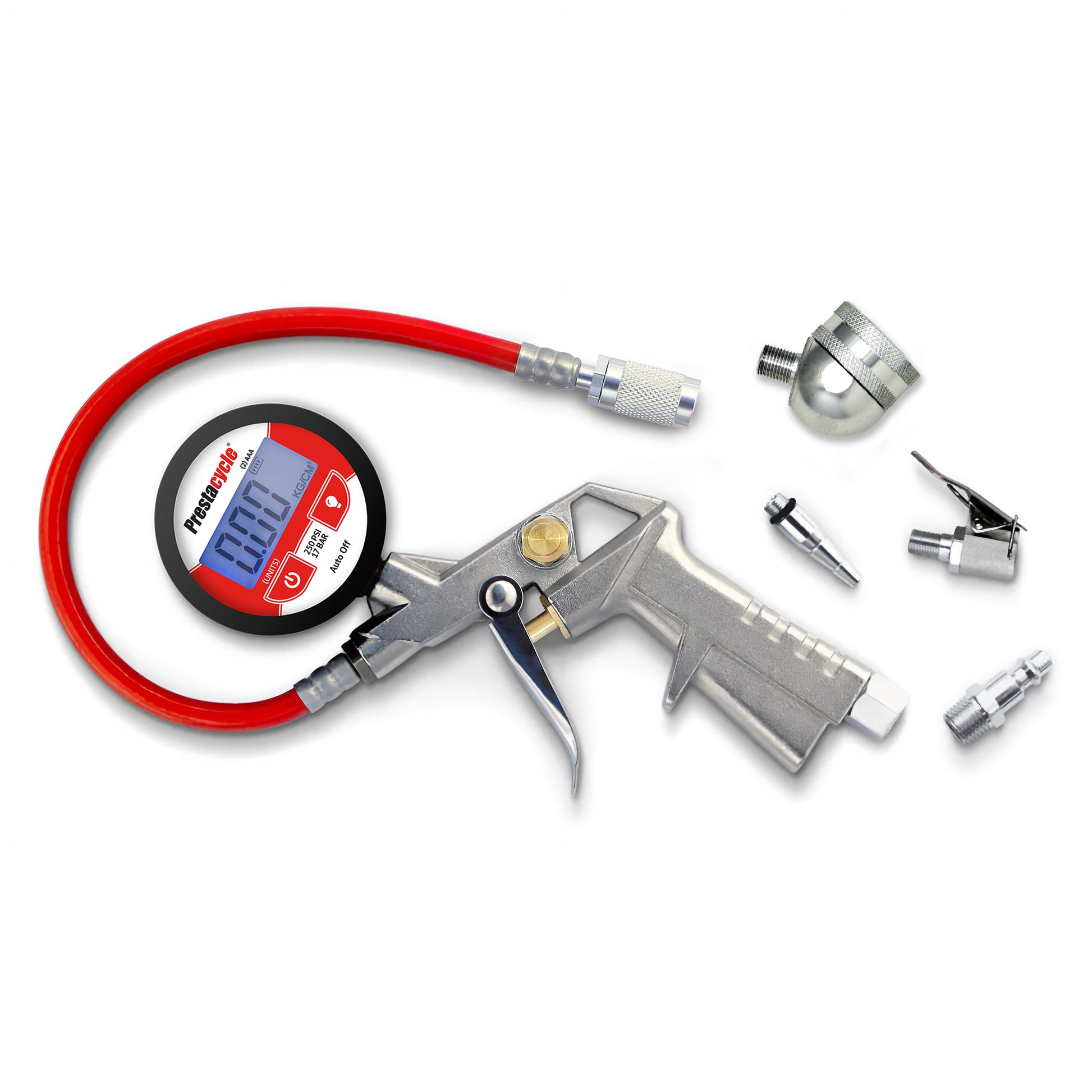
These are larger, more powerful units designed for workshops or frequent heavy use. They typically run on standard wall outlets and can fill larger tires like those on trucks, RVs, or trailers much faster.
Pros:
- High airflow and faster inflation
- More durable and long-lasting
- Often includes advanced features like dual gauges
Cons:
- Not portable
- Requires access to AC power
Why Tire Pressure Matters
You might be wondering why tire pressure is such a big deal. Let me break it down from both a safety and savings perspective. Driving on under-inflated tires increases rolling resistance, which means your engine works harder. That translates to lower fuel economy. It also causes uneven tire wear, which shortens the lifespan of your tires.
More importantly, low tire pressure affects braking distance and handling. I've driven on tires that were just 5 PSI below recommendation, and the car felt noticeably sluggish, especially on wet roads. According to industry research, properly inflated tires can improve gas mileage by up to 3 percent and extend tread life by thousands of miles.
Key Features to Look for in a Tire Inflator
When shopping for a tire inflator, I always tell friends to focus on a few essential features. Over the years, I've learned that the cheapest option isn't always the smartest investment.
- Auto Shut-Off: This stops the inflator once your preset pressure is reached. It prevents overinflation and saves you from babysitting the device.
- Digital Pressure Gauge: Analog gauges work, but digital displays are easier to read and more accurate.
- Maximum PSI Rating: Make sure the inflator can handle your tire's required pressure. Most car tires need 30 to 35 PSI.
- Noise Level: Some inflators are loud enough to wake the neighbors. Look for models with noise-reduction features if that matters to you.
- Hose Length and Storage: A longer hose gives you better reach, especially on larger vehicles.
- Built-in Light: This is a small but incredibly useful feature for nighttime emergencies.

How to Use a Tire Inflator Safely
Using a tire inflator is straightforward, but there are a few best practices I always follow to stay safe and get the best results.
- Park on a flat, stable surface and turn off the engine.
- Remove the valve cap from the tire you want to inflate.
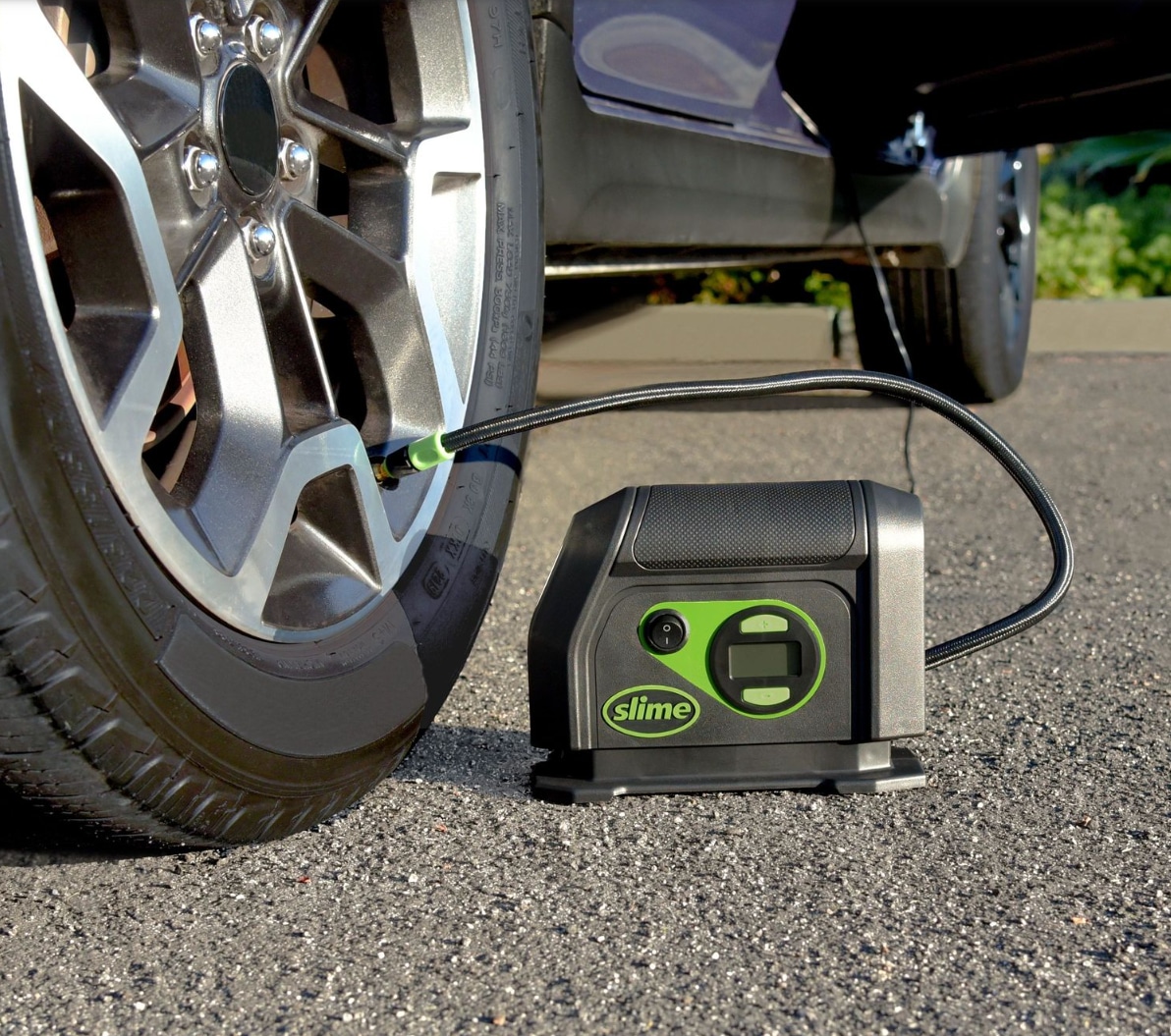
- Attach the inflator hose securely to the valve stem. You should hear a slight hiss of escaping air if it's not tight enough.
- Set your desired pressure on the inflator if it has a digital control.
- Turn on the inflator and monitor the pressure gauge.
- Once the correct PSI is reached, turn off the device and disconnect the hose.
- Replace the valve cap and repeat for any other tires that need attention.
One mistake I made early on was overinflating my tires. I assumed more air meant better performance, but the ride became harsh and bouncy. Stick to your vehicle's recommended PSI, which is usually listed on the driver's side door jamb or in the owner's manual.
Common Misconceptions About Tire Inflators
There are a few myths floating around that I'd like to clear up based on my own learning curve.
Myth 1: All inflators are the same.
Truth: Power, accuracy, and durability vary widely. A cheap inflator might work in a pinch, but it won't last long with regular use.
Myth 2: You only need an inflator if you have old tires.
Truth: Even brand-new tires can lose pressure due to temperature changes, small punctures, or slow leaks. A tire inflator is useful for every driver.
Myth 3: Inflators can replace a mechanic.
Truth: While an inflator can top off air, it cannot fix a serious puncture, sidewall damage, or valve stem issue. For those, professional repair is still necessary.
The Environmental and Financial Benefits
Here's something most people overlook: keeping your tires properly inflated is one of the easiest ways to save money and reduce your carbon footprint. Under-inflated tires waste fuel, and wasted fuel means more emissions. By maintaining proper pressure with a tire inflator, you're not just saving money at the gas pump. You're also doing your part for the environment.
I tracked my fuel economy before and after committing to regular tire pressure checks. The difference was about 2 to 4 miles per gallon, which over a year added up to real savings. Multiply that by the lifespan of a good tire inflator, and the device practically pays for itself.
Maintenance Tips for Your Tire Inflator
Like any tool, your tire inflator needs a little care to keep it running well. I learned this the hard way when I left mine in a freezing trunk all winter, and the seals cracked.
- Store it in a dry, temperature-controlled environment when possible.
- Check the hose and connectors regularly for cracks or wear.
- Keep the battery charged if you own a cordless model.
- Clean the air intake vent to prevent dust buildup.
- Test it every few months, even if you don't need it, to make sure it's ready when you do.
Frequently Asked Questions About Tire Inflators
What is a tire inflator used for?
A tire inflator is used to add air to vehicle tires that are low on pressure. It helps maintain proper inflation for safer driving, better fuel efficiency, and longer tire life.
Can a tire inflator fill a completely flat tire?
Yes, most portable tire inflators can fill a completely flat tire, though it may take longer than topping off a slightly low one. For severely damaged tires, professional repair is recommended after inflation.
Are tire inflators safe to use on all vehicles?
Tire inflators are generally safe for cars, trucks, SUVs, motorcycles, and bicycles. Just make sure the maximum PSI rating of the inflator meets or exceeds your tire's requirements.
How long does it take to inflate a tire with a portable inflator?
On average, a portable 12V inflator can fill a standard car tire in 3 to 7 minutes, depending on the tire size and how low the pressure is.
Do I need a tire inflator if I have roadside assistance?
While roadside assistance is helpful, a tire inflator gives you immediate control without waiting for help. It's a small investment for big peace of mind.
Final Thoughts
A tire inflator might seem like a simple gadget, but it's one of the most practical tools you can own. From preventing roadside headaches to saving money on fuel and tire replacements, the benefits are real and lasting. After years of using various models, I can confidently say that every driver should have one within reach. Think of it as insurance you can actually use. Take a few minutes to find the right model for your needs, learn how to use it properly, and you'll wonder how you ever drove without one. Safe travels, and keep those tires properly inflated.