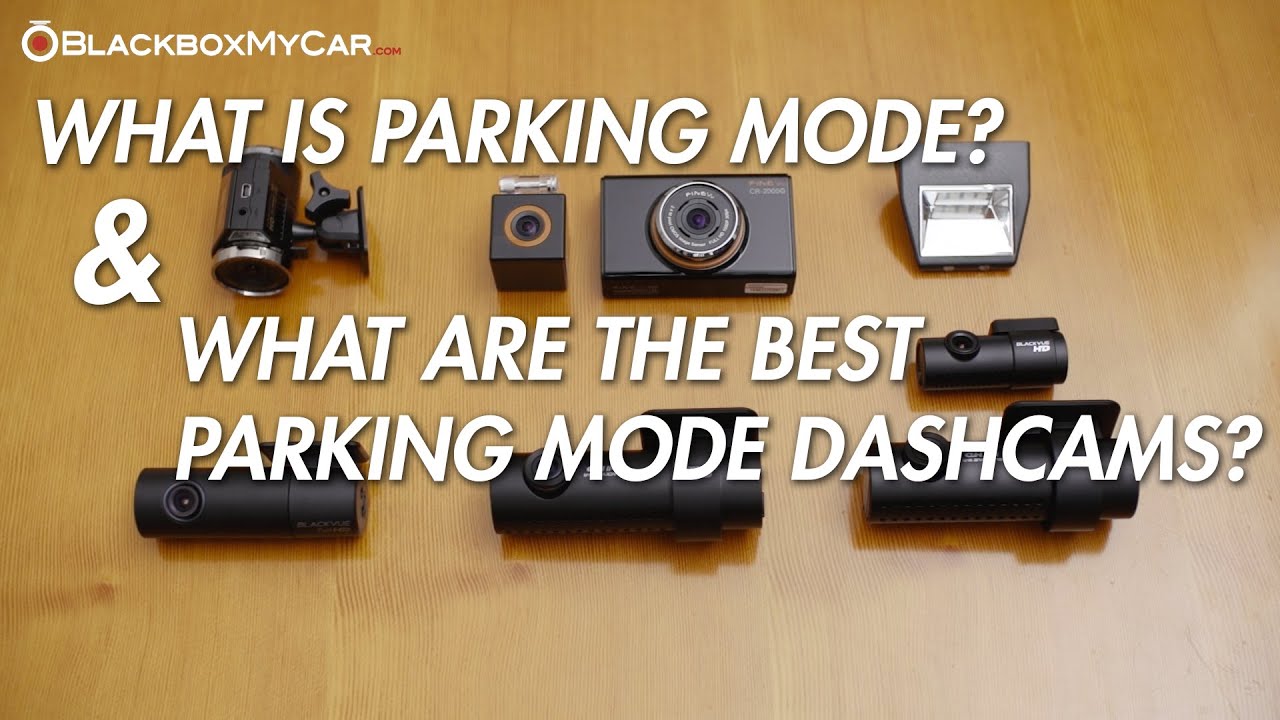
Dash cam parking mode is a feature that lets your dash cam keep recording while your car is parked and turned off. It watches over your vehicle using motion or impact sensors, so you have video evidence if something happens while you're away.
If you've ever come back to your car and found a new dent with no clue how it got there, you know that sinking feeling. That's exactly why I started digging into parking mode after my own door mysteriously got scratched in a grocery store lot. Let me walk you through everything I've learned so you can decide if this feature is worth it for you.
How Dash Cam Parking Mode Works
Parking mode turns your dash cam into a silent security guard. When you turn off your engine, the dash cam doesn't just shut down. Instead, it switches into a low-power standby mode and stays alert for two main triggers: motion and impact.
Most dash cams use either a built-in voltage monitor or a dedicated hardwiring kit to draw a small amount of power from your car's battery. When the camera senses movement in front of the lens or feels a bump, it automatically wakes up and starts recording. The video is usually saved to a separate folder so it doesn't get overwritten by your regular driving footage.
I remember testing this for the first time in my own driveway. I walked in front of my parked car and waved my hand. Within seconds, the dash cam beeped and the indicator light started blinking. It felt like having a tiny witness always on duty.
There are a few common ways parking mode is triggered:
- Motion detection, which records when something moves in the camera's field of view
- Impact detection, which uses a G-sensor to record when your car is hit or bumped
- Time lapse, which records continuously at a low frame rate to save storage
- Buffered mode, which saves footage from a few seconds before and after the trigger
The buffered option is my personal favorite because it captures the whole story, not just the moment of impact.
Types of Parking Mode
Not all parking modes work the same way. Depending on your dash cam brand and model, you might run into a few different versions.
Motion-Triggered Parking Mode
This is the most basic type. The dash cam stays in standby and only records when it detects motion. It saves power and storage, but you might miss important details if the motion happens just outside the camera's field of view.
Impact-Triggered Parking Mode
Also called G-sensor parking mode, this only records when the car feels a bump or jolt. It's great for hit-and-runs, but it won't catch someone simply keying your car or stealing a package off your seat.
Time Lapse Parking Mode
Your dash cam records continuously at a low frame rate, usually one frame every second or two. When you play it back, it looks like a fast-forwarded video. This gives you a full record of everything that happened around your car without filling up your memory card.
Buffered Parking Mode
This is the gold standard in my opinion. The dash cam constantly buffers video but only saves it to the memory card when an event is triggered. That means you get footage of the five seconds before and after the impact or motion, which can be huge for proving what actually happened.
When I upgraded to a dash cam with buffered mode, I noticed a big difference. I once caught a video of someone backing into my bumper at a mall. Because of the buffer, I could see them pull in, misjudge the distance, and hit my car. Without that extra footage, it would have been their word against mine.
Why Parking Mode Matters
Parking mode isn't just a fancy extra feature. It can genuinely save your time, money, and sanity. Here are a few reasons I think it's worth considering.
Protection Against Hit-and-Runs
According to insurance industry reports, hit-and-run incidents make up a significant portion of all traffic accidents. If someone dings your car in a parking lot and drives off, your dash cam parking mode footage can be the difference between paying for repairs yourself and having clear evidence to share with your insurance or the police.
Vandalism and Theft Deterrent
Just the visible presence of a dash cam can discourage someone from messing with your car. If they do act anyway, you'll have their face on video. I have a friend who caught a clear shot of someone trying to break into his car at night. The footage helped police make an arrest within a few days.
Peace of Mind
Honestly, this is the biggest benefit for me. Knowing my car is being watched even when I'm not there gives me a sense of calm. Whether I'm at work, home, or on vacation, I don't have to worry as much about mysterious dings or scratches.
Lower Insurance Premiums
Some insurance companies offer discounts if you have a dash cam with parking mode installed. It's worth calling your provider to ask. Even a small discount adds up over time.
Do You Need a Hardwire Kit?
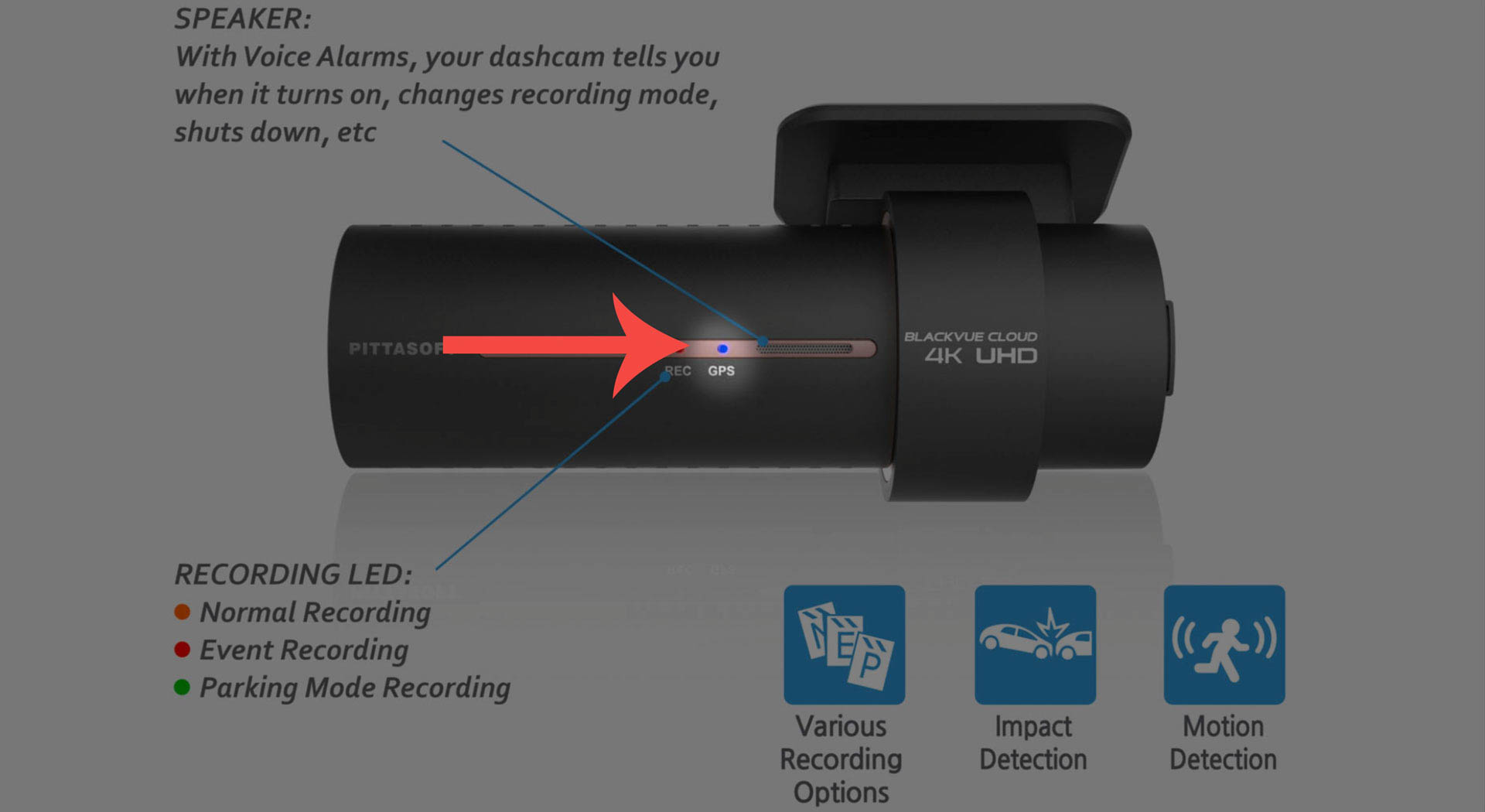
Most parking modes require a constant power source. Your car's 12V cigarette lighter port usually turns off when you shut off the engine, which means your dash cam won't stay on. That's where a hardwire kit comes in.
A hardwire kit connects your dash cam directly to your car's fuse box. It usually includes a low-voltage cutoff that prevents your dash cam from draining your battery. Without this cutoff, you could come back to a dead battery, and nobody wants that surprise on a Monday morning.
There are two main ways to power your dash cam for parking mode:
- Hardwiring kit: This is the cleanest and most reliable option. It draws power directly from your car's electrical system and usually includes voltage protection.
- External battery pack: Some companies sell dash cam battery packs that charge while you drive and power your camera when parked. These are great if you don't want to mess with your car's wiring.
If you're not comfortable working with your car's fuse box, most car audio shops or even some best buy locations will install a hardwire kit for a reasonable price. I had mine installed in about 30 minutes, and the installer even tucked all the cables neatly along the headliner and door seals.
What to Look for in a Dash Cam with Parking Mode
Not all parking modes are created equal. Here are the key features I always recommend looking for.
- G-sensor sensitivity settings: Make sure you can adjust how sensitive the impact detection is. Too sensitive and every strong wind will trigger a recording. Too low and you might miss real bumps.
- Buffered recording: As I mentioned, this gives you the full picture before and after an event.
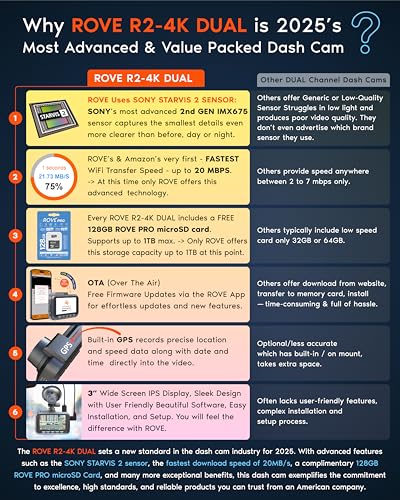
- High-quality night vision: Parking incidents often happen at night. Look for a dash cam with good low-light performance, like one with a Sony STARVIS sensor.
- Sufficient storage support: Make sure the dash cam supports large memory cards, usually 128GB or higher, so you don't run out of space during long parks.
- Heat resistance: Cars get hot, especially in summer. A good parking mode dash cam should handle extreme temperatures without failing.
- Voltage cutoff: This protects your car battery from being drained.
I personally learned the hard way about heat resistance. My first dash cam died after a hot summer because I didn't check the operating temperature range. Now I always look for a model rated for at least 140°F or 60°C.
Common Limitations of Parking Mode
While parking mode is awesome, it's not perfect. Here are a few things to keep in mind.
- Battery drain: Even with a voltage cutoff, parking mode does use your car battery. If you don't drive often, this can be an issue.
- Storage limits: Continuous recording fills up memory cards fast. You'll need to regularly back up important footage or let older files overwrite.
- False triggers: Wind, passing shadows, or even rain can sometimes trigger motion detection. Adjusting sensitivity helps, but it can still happen.
- Limited field of view: Most dash cams face forward, so they might not catch something happening on the side or behind your car. Some people add a rear camera for more coverage.
- Installation complexity: Hardwiring takes a little effort. If you're not comfortable doing it yourself, factor in the cost of professional installation.
Tips for Getting the Most Out of Parking Mode
After using parking mode for a few years now, I've picked up a few tricks that really help.
- Format your memory card once a month. This keeps the card healthy and prevents file corruption.
- Park in well-lit areas when possible. Better lighting means clearer footage if something happens.
- Adjust your G-sensor sensitivity based on where you park. Tight parking lots might need lower sensitivity to avoid constant triggers.
- Use a high-endurance memory card designed for dash cams. Regular cards wear out faster with constant writing.
- Check your footage occasionally. Don't just assume it's working. I make it a habit to glance at recent files once a week.
One time, I found a great parking spot under a tree, only to discover later that falling branches were constantly triggering my dash cam. I moved to a spot closer to a light pole and the false triggers dropped to almost zero.
Frequently Asked Questions
Does parking mode drain my car battery?
Yes, but only a small amount. Most hardwire kits have a voltage cutoff that stops drawing power when your battery reaches a safe level. If you drive daily, this shouldn't be a problem. If your car sits for long periods, consider an external battery pack.
Can I use parking mode without hardwiring?
It depends on your dash cam. Some models have built-in batteries that last a few hours, but they're not ideal for long-term parking surveillance. A hardwire kit or external battery pack is the most reliable solution.
How long can parking mode record?
This varies by storage size and recording type. With time lapse mode and a 128GB card, you can often get 24 to 48 hours of footage. Motion or impact-triggered recordings can last much longer since they only save when something occurs.
Will parking mode work in extreme cold or heat?
Most modern dash cams handle a wide temperature range, but it's important to check the specs. Look for models rated for the climate you live in. Extreme temperatures can shorten battery life or affect performance.
Do I need a rear camera for parking mode?
Not necessarily, but it helps. A rear camera adds coverage for incidents behind your car, like someone backing into your bumper. If you want full protection, a front and rear setup is ideal.
Conclusion
Dash cam parking mode is one of those features you don't realize you need until something happens. It gives your car a watchful eye even when you're not around, capturing everything from minor bumps to serious hit-and-runs. With the right dash cam, a solid hardwire kit, and a few smart settings, you can protect your vehicle around the clock. If you care about your peace of mind and want video evidence when it counts, parking mode is absolutely worth it. Take the time to choose a model that fits your needs, install it properly, and check it once in a while. You'll thank yourself the first time it saves you from a costly mystery scratch or dent.