So, you've got that nagging feeling. That knot in your stomach telling you something's seriously wrong with your motor. Maybe it's a car, a boat, some piece of equipment, or even a household appliance, when a motor really goes south, it's a major problem. It's not always obvious how do you know if your motor is blown beyond just a guess.
We're here to help you figure that out. What sounds like a blown motor often has clear indicators, and sometimes, it's a fixable issue that just needs careful diagnosis. We'll walk you through the key signs and simple checks to get you a clearer picture of your motor's health, so you can make the right decision.
What Does "Blown" Really Mean for Your Motor?
When people say a motor is "blown," they usually mean it's suffered catastrophic internal failure. This isn't just a minor hiccup or a part that needs replacing; it’s a severe event that has rendered the motor inoperable, often beyond economical repair. Think of it like a major organ failure, it’s usually terminal for the component itself.
This kind of failure typically isn't gradual. It often happens suddenly, sometimes with a dramatic noise or event, and leaves the motor unable to perform its basic function, which is to convert energy into mechanical motion. Because this internal damage is extensive, replacement is almost always the only viable solution, rather than trying to repair what's been so thoroughly compromised.
Listening and Looking: The First Clues to Engine Failure
Your ears and eyes are your first line of defense when a motor starts acting up. These immediate sensory inputs can often tell you more than a complex diagnostic tool might at first glance. If you experienced any of these during the motor's last moments of operation, it's a strong signal that you might be dealing with a blown motor.
- Sudden Loud Noises: A sharp, explosive bang, a deep, resonant knock, or a violent clunk followed by immediate shutdown is a classic sign of internal mechanical distress. It suggests something has broken or come loose with significant force.
- Persistent, Unusual Sounds: Beyond sharp bangs, a continuous grinding, heavy knocking, or extreme whining that doesn't subside, even at idle, points to serious internal friction or impact. Manufacturer specifications for components like connecting rod bearings, for instance, often detail acceptable noise levels that are far below these extreme sounds.
- Visible Smoke: Not just a wisp of steam on a cold day. We're talking about thick, acrid smoke, often with a strong smell of burnt oil, billowing from the engine compartment or exhaust. Different smoke colors can indicate different issues, but any significant, dark, or persistent smoke is a major warning.
Let's Get Diagnostic: Your Step-by-Step Motor Check
If you've noticed any of the above, or if the motor simply died without warning and won't even attempt to run, it’s time for a more methodical approach. These steps are designed to help you move from suspicion to a more concrete diagnosis without necessarily needing to be a seasoned mechanic.
Step 1: Can Your Motor Crank Over?
The first crucial question is whether the motor can even turn over. This initial check helps narrow down the possibilities significantly. If you turn the key or press the start button, what does it do?
- It Cranks But Won't Start: This is often a more hopeful scenario. It means the motor's basic mechanical ability to rotate is intact, and the problem might lie with fuel delivery, ignition (spark), or air intake. This usually doesn't indicate a blown motor.
- It Makes a Clicking Noise, No Crank: This typically points to a weak or dead battery, a faulty starter solenoid, or a poor electrical connection, rather than internal engine failure.
- It Spins Freely Without Resistance: If the motor spins over much faster and easier than it should, with no audible effort, this is a strong indicator of a significant lack of internal resistance, such as blown piston rings or severely damaged valves that are no longer sealing. This is a common symptom of severe internal damage.
- It Won't Crank At All, No Sound: This could be a simple electrical issue, a safety interlock preventing startup, or, in more serious cases, a completely seized motor where internal components are physically jammed.
Step 2: If It Cranks But Won't Start: The Compression Test
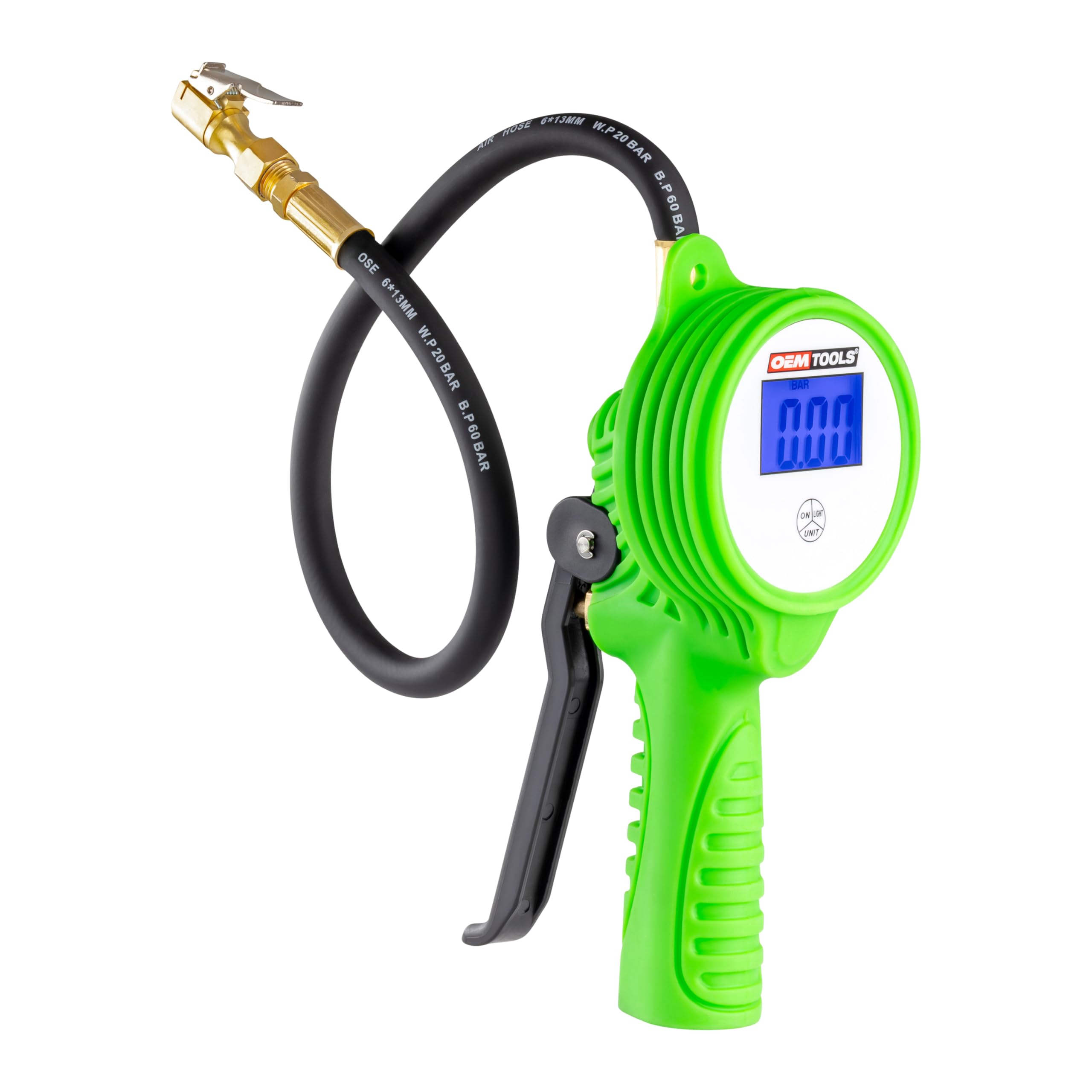
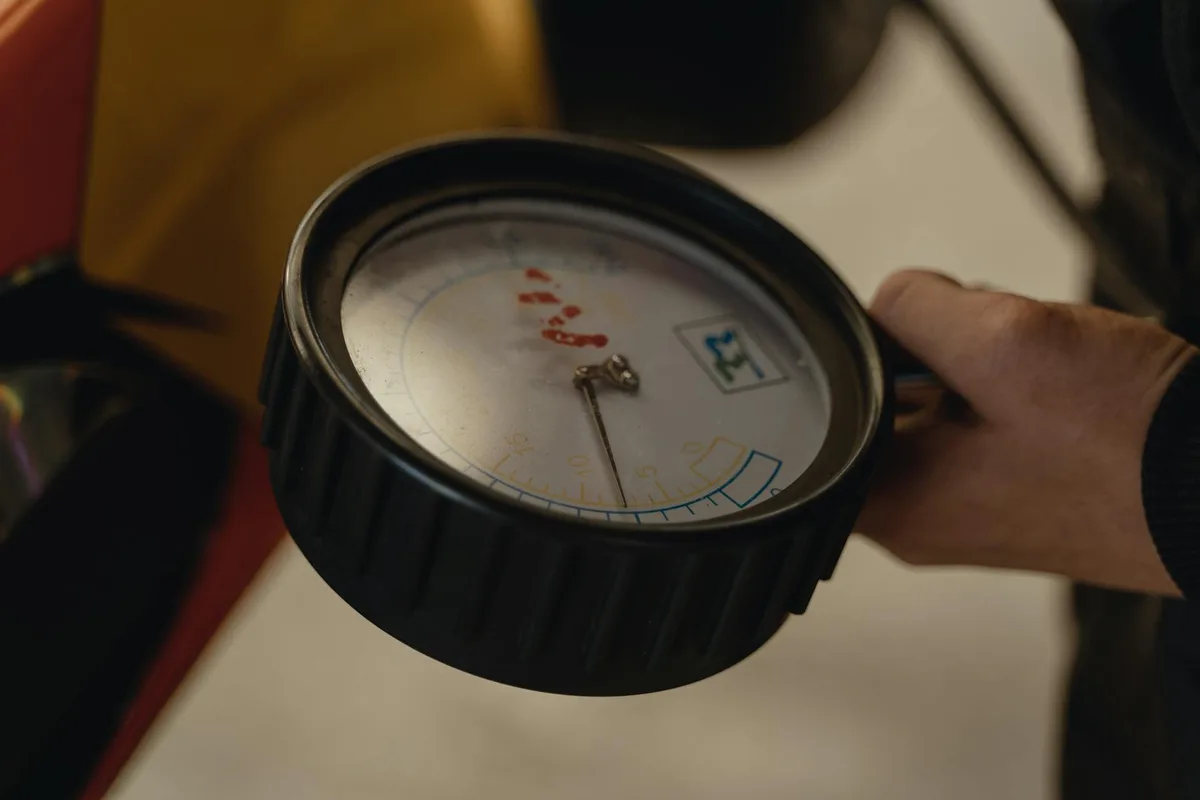
If your motor cranks over but refuses to ignite, and you're worried about internal damage, performing a compression test is your next logical step. This test measures the ability of each cylinder to hold air pressure, which is vital for combustion. You can often rent or purchase a compression tester from automotive supply stores.
Here's the breakdown of what you're doing and what the results mean:
- How it Works: You'll remove the spark plugs from each cylinder. Then, you screw the compression gauge into the spark plug hole. When you crank the motor, the gauge measures the peak pressure built up in that cylinder.
- Interpreting the Readings:
- All Cylinders Very Low or Zero: If every cylinder shows significantly low or no compression numbers, it's a strong signal of widespread internal failure. This could mean issues like blown head gaskets across multiple cylinders, severely worn piston rings, or damaged valves that aren't sealing properly. This situation often confirms a blown motor condition.
- One or Two Cylinders Significantly Lower: If one or two cylinders are drastically lower than the others, it indicates a problem localized to those cylinders. This might still be severe (like a burnt valve or a hole in a piston) but doesn't necessarily mean the entire motor is "blown" in the same catastrophic way.
- Consistent Readings (Even if Slightly Low): If all cylinders show reasonably close pressure readings, even if they're a bit below the manufacturer's specification (e.g., for a typical gasoline engine, readings should generally be within 10-15% of each other), your motor is likely not suffering from a major internal failure like a blown motor. The issue is probably elsewhere in the fuel, ignition, or air systems.
Step 3: If Your Motor Feels Seized: What to Check Next
A seized motor is one that absolutely refuses to turn, no matter what. This is a more serious sign than just not starting, as it implies a physical obstruction or damage preventing rotation. If your motor won’t crank at all, and it feels like it's locked solid, we need to investigate further.
- Gentle Manipulation (Use Extreme Caution): For some engines, like those in cars, you might try gently rocking the vehicle in a high gear. If the engine doesn't respond to even slight movement, it indicates a severe internal jam. Never force this movement, as it can cause additional, irreversible damage.
- Visual Inspection of the Oil Pan: If you're comfortable removing the oil pan, this can provide a direct view of the motor's bottom end. Drain the oil carefully, and then remove the pan.
- Signs of Severe Damage: If you discover large chunks of metal, a broken connecting rod, a damaged crankshaft, or pieces of the oil pump, the motor is almost certainly blown. This is direct evidence of catastrophic mechanical failure.
- External Check: Sometimes, external factors can jam a motor. Look for anything obviously broken or jammed against rotating parts, such as debris that may have fallen into the drivetrain or a component that has failed and is now binding the engine.
What Catastrophic Engine Failure Looks Like Inside
When a motor truly blows, the internal damage is often dramatic and unmistakable. It's the physical manifestation of what was causing those alarming sounds and symptoms. Understanding these specific failure points can help confirm your diagnosis, and frankly, it's often quite visceral.
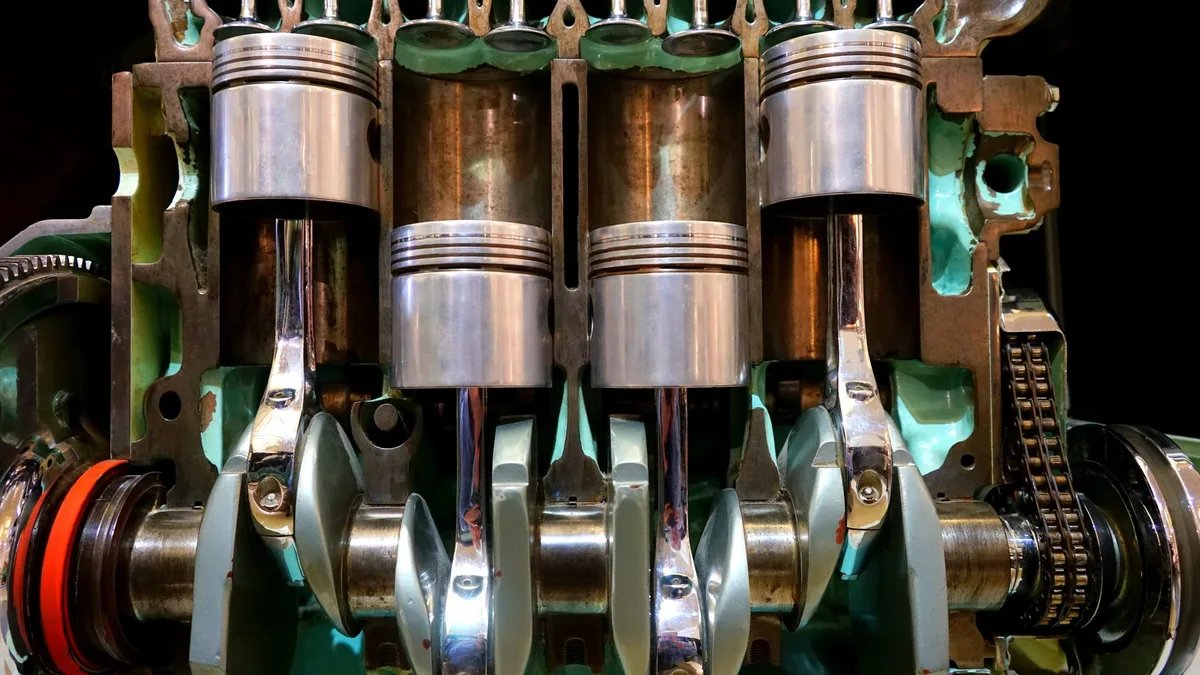
Here are some of the most common ways an engine meets its end:
- Broken Connecting Rod: This is a well-known failure mode. The connecting rod, which links a piston to the crankshaft, can fracture under extreme stress, often punching a hole through the engine block or oil pan as it ruptures.
- Hole in Piston or Cylinder Wall: Pistons can melt, crack, or wear through to the point of creating a hole. Similarly, the cylinder wall itself can be breached due to excessive wear, detonation, or impact.
- Damaged Crankshaft: The crankshaft is the backbone of the engine's rotating assembly. It can become bent, cracked, or completely break if subjected to extreme forces or lubrication failure.
- Severe Valve Train Failure: This involves the valves, camshaft, and associated components. A bent valve, a broken valve spring, or a failure in the timing mechanism can lead to pistons colliding with valves, causing widespread destruction.
- Catastrophic Head Gasket Failure: While head gasket failures can range from minor coolant leaks to major issues, a complete breach can allow coolant to flood cylinders, leading to hydra-lock and internal component damage, or extreme oil contamination. This can quickly escalate into a blown motor scenario.
Trust Your Senses, Do Your Checks: Making the Call on Your Motor
Ultimately, most people who suspect a blown motor have a strong initial instinct based on sound, smoke, or how the motor died. The diagnostic steps we've outlined are designed to confirm or deny that initial suspicion. If you’ve heard significant bangs or knocks, seen thick smoke, experienced a complete loss of power, and especially if the motor won't crank or shows critically low compression, you're very likely looking at a blown engine.
For instance, engine manufacturer specifications, like those found in official service manuals, often state that a cylinder's compression should not deviate by more than 10-15% from the highest reading. Consistently getting readings below 50% of the expected value across multiple cylinders almost always points to severe internal wear or damage, making the "blown" diagnosis accurate. As of 2026, these fundamental diagnostic principles remain consistent across most internal combustion engines.
If your motor still cranks over freely but without starting, the problem might be less severe than a complete internal meltdown, though still potentially costly. However, if it feels seized or the diagnostic checks reveal critical internal damage, the likelihood of a blown motor is extremely high, and you're probably facing replacement.
Engine Repair or Replacement: Weighing Your Options
Once you've concluded your motor is indeed blown, the big question becomes: what next? You're generally faced with two main paths: repairing the existing motor or opting for a replacement unit. Each has its own set of considerations, and the best choice often depends on the specific motor, your budget, and how long you need the equipment to last.
Repairing a blown motor usually means a full rebuild, which can be incredibly labor-intensive and costly. It often involves dismantling the entire motor, sourcing new internal parts, and reassembling everything to precise specifications. Replacement, on the other hand, means swapping out the failed unit for a new, remanufactured, or used motor. This can sometimes be quicker and more predictable in terms of outcome.
Common Motor Failure Mistakes to Avoid
Even with the best intentions, people can make critical errors during diagnosis or decision-making that lead to more problems or unnecessary expense. Understanding these common pitfalls can save you a lot of grief and money down the line. These mistakes often stem from rushing the process or lacking a clear understanding of what a "blown" motor truly implies versus a less severe issue.
- Assuming a Blown Motor Too Quickly: Sometimes, a motor might seem "blown" due to a dead battery or a simple electrical fault. Jumping straight to replacement without confirming basic electrical integrity or ruling out simpler fuel/spark issues is a common, costly mistake.
- Ignoring Warning Symptoms: Pushing a motor that's making unusual noises, smoking, or running rough significantly increases the chances of turning a fixable problem into a full-blown catastrophe. Addressing issues early can sometimes prevent the need for a complete motor replacement.
- Choosing the Wrong Replacement Option: Whether it's opting for a cheap, used motor with unknown history or paying for a brand-new, top-of-the-line unit for a piece of equipment that doesn't warrant it, the decision needs careful consideration of performance needs and budget.
What Does a Motor Replacement Actually Cost?
The financial implications of a blown motor are often the biggest concern for owners. The cost can vary wildly depending on the type of motor, its size, and whether you opt for a new, remanufactured, or used unit. It's crucial to get detailed quotes and understand what's included with each option.
- New Motors: These are typically the most expensive, offering the longest warranties and the highest reliability. For a standard car engine, expect costs easily ranging from $3,000 to $7,000 or more, not including labor.
- Remanufactured Motors: These have been taken apart, inspected, repaired, and rebuilt to factory specifications. They offer a good balance of cost and reliability, often coming with warranties comparable to new units. Prices might range from $2,000 to $5,000.
- Used Motors: The cheapest option, but also the riskiest. You're buying a motor with an unknown history. While prices can be as low as $500 to $1,500, there's a significant chance it could fail prematurely.
- Labor Costs: Don't forget the cost of installation, which can add several hundred to thousands of dollars depending on the complexity of the job and the shop's rates. For a vehicle, labor alone can easily be $500 to $1,500.
Expert Tips for Diagnosing and Deciding
Leveraging the knowledge of experienced professionals can make a world of difference when you're facing a potential motor failure. They've seen it all and can often spot issues or guide your decisions based on practical, real-world experience that goes beyond a simple checklist.
- Consult a Trusted Mechanic: If you're unsure, get a professional opinion. A good mechanic can perform a thorough diagnosis and give you a realistic assessment of the motor's condition and repair feasibility.
- Understand Warranty Implications: Always check the warranty on your existing motor or any replacement you consider. Manufacturer specifications for limited warranties on new or remanufactured units can provide peace of mind, but read the fine print carefully.
- Compare "Repair vs. Replace" Value: Sometimes, the cost of repairing a severely damaged motor can approach or even exceed the cost of a good remanufactured replacement. Consider the age and overall condition of the equipment. If it's old, sinking a lot of money into its original motor might not be the best long-term investment.
Real Scenarios: When It Was Worth Repairing vs. Replacing
Looking at real-world examples can provide valuable context for your own situation. These scenarios illustrate how different factors, like the type of motor, the extent of damage, and the age of the equipment, can influence the final decision between repair and replacement. By understanding these outcomes, you can better assess your own motor's prognosis.
- Scenario 1: The 'Fixable' Head Gasket: A neighbor's car developed a coolant leak and started overheating. A compression test showed only one cylinder was low. A mechanic diagnosed a blown head gasket, a fixable issue. The repair cost around $1,200, and the car, being relatively new and in good condition, continued to run reliably for years. This was a repair worth making.
- Scenario 2: The 'Definitely Blown' Engine: My uncle’s older pickup truck made a terrible BANG and then stopped. Inspection revealed a broken connecting rod that had punched through the engine block. The motor was beyond any reasonable repair for the truck's age and value. He opted for a remanufactured engine, which cost about $3,500 plus labor, and breathed new life into his trusty truck. Replacing was the only logical step.