Getting dash cam footage from the police typically involves submitting a formal public records or FOIA request, since police dash cam videos are generally considered government records. The exact process depends on your state or local laws, but most departments require a written request, specific details like the date, time, and location of the incident, and sometimes a small processing fee.
If you've been in an accident, witnessed a crime, or just want to review footage for legal or personal reasons, knowing how to navigate this process can save you a lot of stress. I've helped people retrieve police dash cam and body cam footage for years, and let me tell you, the system isn't always intuitive. Some departments release footage within days, others take weeks or even months, and a few flat-out deny requests without proper paperwork. But here's the good news: if you follow the right steps and know your rights, getting that footage is completely doable. Let me walk you through the entire process, including the legal stuff, the paperwork, and a few insider tips that can speed things up.
Understanding Police Dash Cam Footage and Public Access
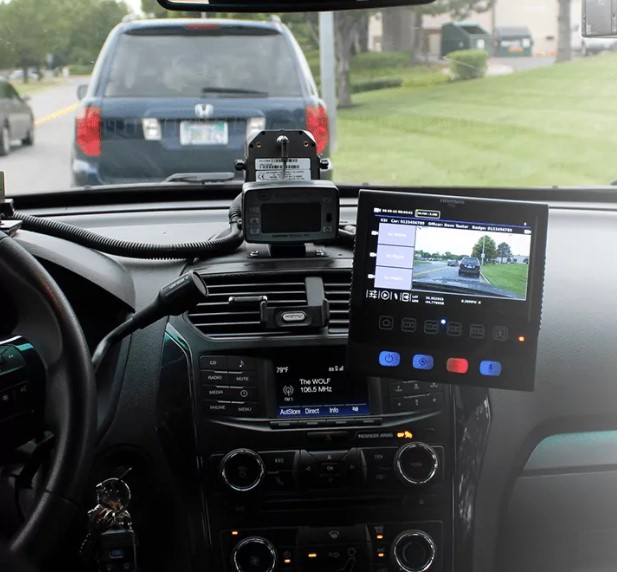
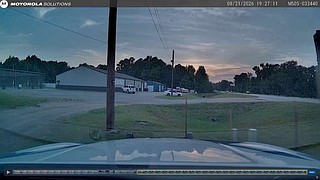
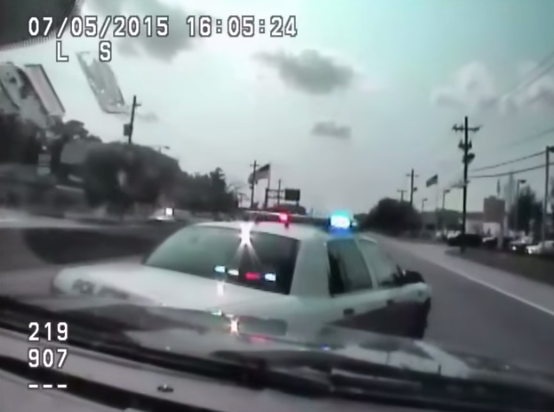
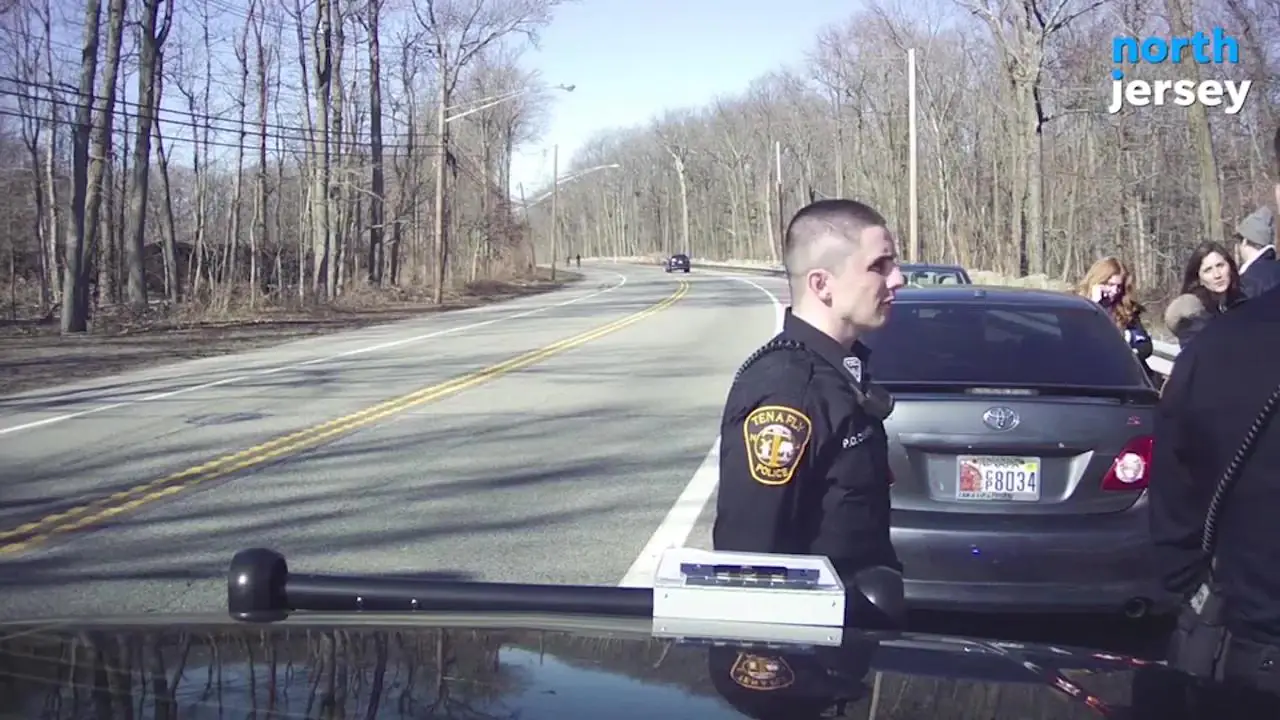
Police dash cam footage is video recorded by cameras mounted on law enforcement vehicles. It captures traffic stops, pursuits, accidents, and other on-duty interactions. Because police departments are government agencies, their records often fall under public access laws, though there are important exceptions for privacy, ongoing investigations, and juvenile matters.
Who Owns the Footage?
The footage is owned by the police department or law enforcement agency, not the officer or the public. That means you generally can't just walk in and ask for a copy. You have to go through official channels. Think of it like a library book. The library owns the book, but you can borrow it under certain rules. The same logic applies here.
When Is Dash Cam Footage Public Record?
In most U.S. states, dash cam footage is considered a public record, but the rules vary widely. Some states make it freely available upon request, while others restrict access to people directly involved in the incident, like drivers, passengers, or witnesses. A few states treat all police footage as confidential unless a court orders otherwise.
For example, California's Senate Bill 1421 changed the rules significantly, making footage related to officer shootings and serious use-of-force incidents public. On the other hand, states like Florida have stricter laws, often requiring a court order before release.

How to Get Dash Cam Footage from Police: Step-by-Step Process
Let me break down the exact steps to request dash cam footage, based on what actually works in most jurisdictions. I'll include tips from my own experience helping people through this process.
Step 1: Determine the Right Agency to Contact
Start by identifying the law enforcement agency involved. Was it a city police department, county sheriff, or state highway patrol? Each agency has its own records department and request procedures. If you're not sure, a quick call to the non-emergency line can point you in the right direction.
Step 2: Gather Key Details About the Incident
Before submitting a request, collect as much information as possible. This includes:
- Date and time of the incident
- Location, including street names and cross streets
- Names of officers involved, if known
- Badge or vehicle numbers
- Case or report number, if you have one
- Your contact information and relationship to the incident
The more specific you are, the faster the agency can locate the footage. I once saw a request get denied simply because the person only wrote "that night on Main Street" without a time or date. Don't let that be you.
Step 3: Submit a Public Records Request or FOIA Request
Most police departments accept public records requests, sometimes called FOIA (Freedom of Information Act) requests at the federal level or state-level equivalents. You can usually submit these by mail, email, or through an online portal.
Your request should include:
- A clear statement that you're requesting dash cam footage under public records laws
- The incident details you gathered in Step 2
- A preferred format for receiving the footage, like DVD, USB drive, or digital file
- Your contact information
Step 4: Pay Any Required Fees
Some agencies charge a fee for copying and processing footage. The cost varies but is usually reasonable, often between $10 and $50. Some departments waive fees for victims or if the footage is needed for a criminal case. If the fee seems too high, you can sometimes negotiate or ask for a specific time segment to reduce costs.
Step 5: Wait for a Response
Response times can range from a few days to several weeks. Many states have laws requiring agencies to respond within 10 to 30 business days. If you don't hear back, follow up politely but firmly. Persistence pays off here.
Step 6: Review the Footage and Know Your Options if Denied
Once you receive the footage, review it carefully. If the agency denies your request, they usually have to provide a reason in writing. Common reasons include:
- Ongoing investigation
- Privacy concerns of victims or juveniles
- Exemptions under state law
- Footage was lost, deleted, or not preserved
If you believe the denial is wrong, you can often appeal the decision or seek help from an attorney. In some cases, a court order can compel the release of footage.
What If the Police Department Refuses to Release the Footage?
Getting a denial isn't the end of the road. Here's what you can do if your request is rejected.
File an Appeal
Most public records laws allow you to appeal a denial, often to a supervisor, records commission, or state attorney general. Include a copy of your original request and the denial letter, and explain why you believe the footage should be released.
Seek Legal Assistance
If the appeal fails, consult an attorney who handles public records or civil rights cases. They can file a lawsuit to compel the release of footage, especially if it's critical for a legal case.
Contact Local Media or Advocacy Groups
Journalists and organizations like the ACLU often have experience obtaining public records. They might be able to help or put public pressure on the agency to release the footage.

State Laws That Affect Dash Cam Footage Requests
Dash cam footage laws aren't uniform across the U.S. Here are a few examples to give you an idea of the variation.
California
Since 2019, SB 1421 requires release of footage from officer-involved shootings and certain use-of-force incidents. SB 16 expanded this further in 2022.
Texas
The Texas Public Information Act makes most government records available, but dash cam footage can be withheld if it involves an open investigation or violates privacy.
New York
New York's Freedom of Information Law allows access, but agencies often claim exemptions for law-enforcement records, making it harder to obtain.
Florida
Florida law is stricter, often requiring a court order for release, especially in criminal cases. However, footage from traffic stops may be more accessible.
Always check your specific state's laws or consult a local attorney. A quick search for "dash cam footage public records [your state]" can point you to the right statutes.
Common Challenges and How to Overcome Them
Even with a perfect request, you might run into obstacles. Here are common issues and practical solutions.
Footage Was Deleted or Not Preserved
Many police departments have automatic deletion policies, sometimes as short as 30 to 90 days, unless the footage is flagged. If you know dash cam footage exists, act fast. Submit your request as soon as possible.
Blurry or Edited Footage
Sometimes departments release footage that's redacted or of poor quality. You can request unredacted versions, but the agency will often refuse if it involves private individuals or graphic content.
Privacy Concerns
If the footage includes bystanders, the agency might blur faces or license plates. In some cases, you can negotiate a version that's only partially redacted.
Officer or Witness Refuses Consent
If the footage involves statements from non-police witnesses, the department might need their consent before releasing. This is rare, but it happens.
Tips From My Experience Helping People Get Dash Cam Footage
Over the years, I've seen what works and what doesn't. Here are some hard-earned tips to make the process smoother.
- Always submit your request in writing, even if you call first. Verbal requests are easy to ignore or forget.
- Be polite but persistent. A friendly tone goes a long way with records clerks who handle dozens of requests daily.
- If your request is denied, ask for the specific legal exemption cited. Vague denials are often a red flag.
- Keep records of every communication, including emails, letters, and phone call notes.
- If you're using the footage for a lawsuit, mention that in your request. Sometimes urgency is given to legal matters.
How Long Do Police Departments Keep Dash Cam Footage?
Retention policies vary by department and state, but typical timelines are:
- 30 to 90 days for routine footage
- 1 year or more for footage involved in incidents or complaints
- Indefinite retention for footage related to criminal investigations or officer-involved shootings
This is why timing is everything. The sooner you request, the better your chances of getting the footage before it's automatically deleted.

Can You Get Dash Cam Footage Without a Lawyer?
Yes, absolutely. Most people successfully request dash cam footage on their own. However, if your case involves a lawsuit, criminal defense, or significant damages, hiring a lawyer is a smart move. They can ensure the request is properly worded, follow up effectively, and take legal action if needed.

Frequently Asked Questions
How long does it take to get dash cam footage from police?
Most agencies respond within 10 to 30 business days, but complex requests can take longer. If your request is urgent, mention any court deadlines or upcoming legal dates in your letter.
Can I get dash cam footage if I wasn't involved in the incident?
In many states, only directly involved parties, like drivers, passengers, or witnesses, can request footage. However, journalists and legal representatives often have broader access under public records laws.
Is dash cam footage free?
Some agencies provide it for free, while others charge a copying or processing fee. The cost usually covers the media, like a DVD or USB drive, and staff time.
What if the police say the footage is lost?
If footage is lost or deleted, the agency may not be required to release it. However, if you believe it was intentionally destroyed, you can file a complaint or lawsuit, especially if preservation was legally required.
Can I request dash cam footage online?
Many departments accept requests through online portals, email, or dedicated public records platforms. Check the agency's website for specific submission options.
Final Thoughts
Getting dash cam footage from the police isn't always simple, but it is possible with the right approach. By understanding the laws in your state, submitting a clear and detailed request, and following up persistently, you can access footage that might be critical for your case or peace of mind. Remember, time is your enemy, so act quickly before automatic deletion policies kick in.
If you found this guide helpful, feel free to share it with anyone who might need it. And if you have questions or want to share your own experience getting dash cam footage, drop a comment below. Your story might help someone else navigate the process more smoothly.