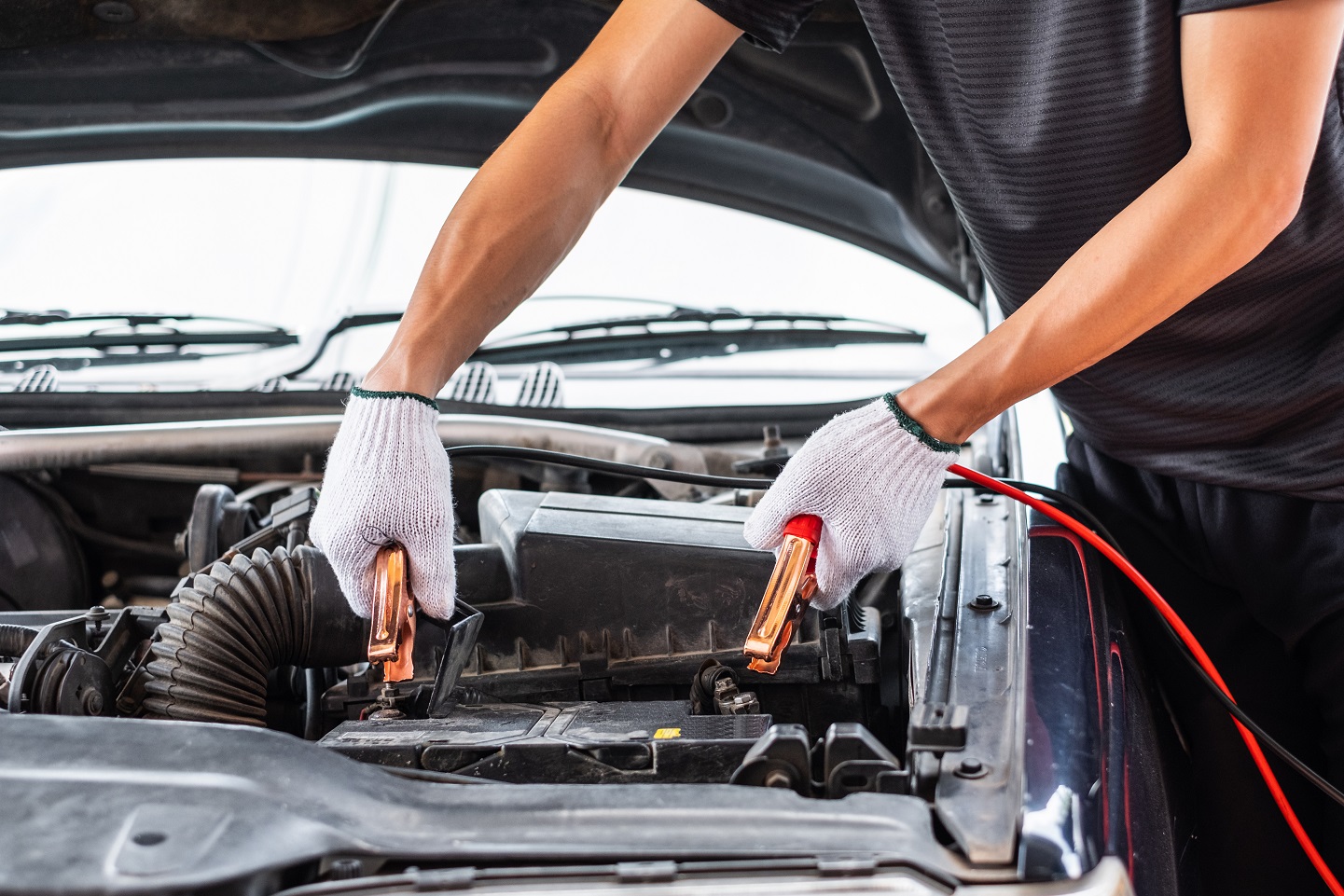
Most car batteries last between three and five years, though some can push past six with proper care. If you've ever been stranded by a dead battery or watched your dashboard lights flicker at the worst possible moment, you already know how much that little box under the hood matters. I learned this the hard way one freezing morning when my car refused to start in a grocery store parking lot. That frustrating experience sparked years of curiosity about why batteries die, how long they really last, and what drivers can do to extend their life. Today, I'll walk you through everything I've learned about car battery lifespan, blending hands-on experience with solid research so you can avoid the same surprise I had.

Understanding Car Battery Lifespan
A car battery lifespan refers to the total time a battery reliably holds a charge and delivers the cranking amps needed to start your engine. On average, drivers can expect about four years of service, but climate, driving habits, and battery type play huge roles in how long a battery actually lasts.
Think of a battery like a rechargeable water bottle. Every day you sip from it, every extreme temperature it sits in, and every time you forget to refill it on time chips away at its total capacity. Eventually, it can't hold enough to get you through the day, and that's when you're stuck calling for a jump.
Why Car Batteries Die
Batteries don't last forever because of simple chemistry. Inside a lead-acid battery, sulfuric acid and lead plates react to produce electricity. Over time, that reaction degrades the plates, the acid weakens, and corrosion builds up on the terminals. Add heat, vibration, and frequent short trips, and you've got a recipe for early failure.
Here's what wears a battery down the fastest:
- Extreme heat that evaporates internal fluid
- Cold snaps that slow down the chemical reaction
- Short drives that never fully recharge the battery
- Corroded or loose terminal connections
- Constant electrical drain from accessories or faulty wiring
Average Lifespan by Battery Type
Not all batteries are created equal. Here's a realistic look at how long common types tend to last:
- Flooded lead-acid batteries: three to five years, the most common and affordable
- Absorbent glass mat (AGM) batteries: four to six years, better for start-stop vehicles
- Enhanced flooded batteries (EFB): three to five years, designed for vehicles with basic start-stop systems
- Lithium-ion car batteries: up to eight years or more, though rare in standard gas-powered cars
In my experience, AGM batteries outlast flooded ones by about a year when properly maintained. I once swapped out a six-year-old AGM battery that still held voltage well, while a flooded battery in the same climate rarely makes it past four.
Signs Your Battery Is Nearing the End
Batteries rarely die without warning. They usually send little signals first. If you pay attention, you can avoid a breakdown.
Watch for these common warning signs:
- Slow engine crank when you turn the key
- Dim headlights or interior lights
- Clicking sound when you try to start the car
- Battery warning light on the dashboard
– Swollen or bloated battery case - Frequent need for jump starts
I remember a friend who ignored the slow crank for weeks until his car refused to start on a road trip. A quick load test at an auto parts store confirmed the battery was toast. He learned the hard way that those little symptoms are your battery crying for help.
Factors That Shorten or Extend Battery Life
Climate is one of the biggest factors. Hot climates kill batteries faster because heat accelerates fluid loss and plate corrosion. Cold climates reduce cranking power but don't usually damage the battery itself. Short city drives, where the alternator never fully charges the battery, can also shorten it. On the flip side, long highway drives and proper maintenance can extend life.
Here are practical ways to extend your battery lifespan:
- Drive regularly for at least 20 minutes to allow full recharge
- Keep terminals clean and tight
- Avoid leaving electronics on when the engine is off
- Park in a garage or shaded area during extreme heat
- Test the battery annually after the three-year mark
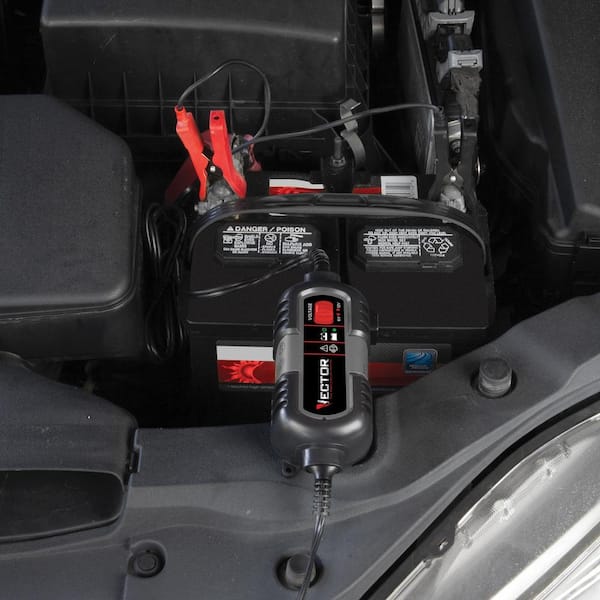
- Use a battery maintainer if the car sits for weeks
A simple battery terminal cleaning once a year can add months to its life. I use a wire brush and a paste of baking soda and water. It looks like five minutes of work, but it keeps the connection strong and corrosion-free.
How to Test Your Car Battery
Testing a battery is easier than most people think. Most auto parts stores will test it for free in about two minutes. They use a load tester that simulates the strain of starting your engine and measures how the battery responds.
If you prefer to do it at home, here's a basic approach:
- Set your multimeter to DC voltage
- Turn off the car and all accessories
- Touch the red probe to the positive terminal and the black probe to the negative
- A healthy battery reads between 12.4 and 12.7 volts
- Below 12.2 volts means it's undercharged and may need attention
A fully charged battery that drops significantly under load is a clear sign it's on its last leg. I always recommend testing before winter since cold weather exposes weak batteries.
When to Replace Your Battery
The best time to replace a battery is before it fails. If your battery is over four years old, shows symptoms, or fails a load test, it's time. Waiting until it dies leaves you stranded and stressed.
A good rule of thumb:
- Test every battery after three years
- Replace preventively at five years if you live in a hot climate
- Replace immediately if you see swelling, leaking, or persistent slow cranking
Proactive replacement might feel unnecessary, but it's a lot cheaper than a tow truck on a Sunday morning. I've learned that spending a hundred dollars on a new battery beats the frustration of being stuck at a busy intersection.
Common Myths About Car Battery Lifespan
A few myths float around that can actually hurt your battery. Let me clear up the most common ones:
- Myth: Driving short distances is fine for your battery. Reality: Short trips prevent full recharging and slowly wear it out.
- Myth: A battery will last longer if you disconnect it when not in use. Reality: Modern cars often need a constant power source for electronics, and disconnection can reset settings.
- Myth: All batteries last five years. Reality: Climate, type, and maintenance vary widely.
- Myth: You can revive a dead battery by driving around. Reality: A deeply discharged battery needs a proper charger, not just a drive.
I once believed the driving myth myself until I watched a battery fail after weeks of only five-minute trips. Lesson learned: short drives are a battery's silent enemy.
Environmental Impact and Recycling
Car batteries contain lead and sulfuric acid, which makes recycling critical. Almost every part of a lead-acid battery gets reused. The lead is melted down and reformed, the plastic becomes new cases, and the acid is neutralized or converted into other products.
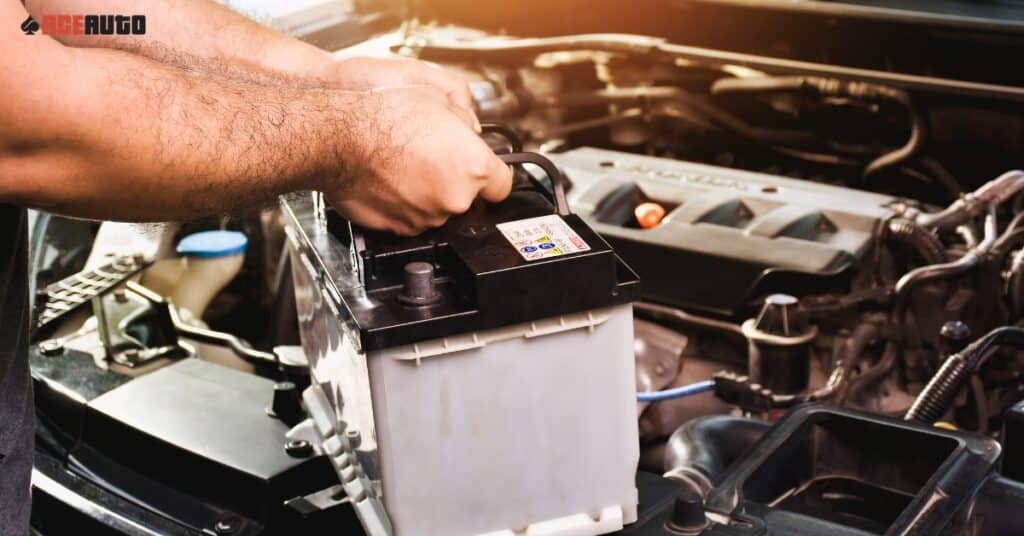
When you replace a battery, always return the old one to a certified recycler or auto parts store. Most stores offer a core credit when you trade it in. I've been doing this for years, and it's one small way to keep harmful materials out of landfills while saving a few dollars at the same time.

Frequently Asked Questions
How do I know if my car battery is bad?
If your engine cranks slowly, headlights dim, or you need frequent jump starts, your battery is likely failing. A voltage test below 12.2 volts or a failed load test confirms it.
Can a car battery last 10 years?
In rare cases with excellent care, mild climate, and low electrical demands, yes. But for the average driver, anything past six years is exceptional.
Does idling the car charge the battery?
Yes, but very slowly. Idling produces low alternator output and isn't an efficient way to recharge. A proper charger or extended driving is much better.
What shortens car battery life the most?
Heat, vibration, and chronic undercharging are the top killers. Short trips in hot climates are the worst combination.
Should I replace my battery before it dies?
Absolutely. Preventive replacement avoids breakdowns and gives you control over the timing and cost instead of dealing with a surprise failure.
Conclusion
Your car battery works hard every single day, and it deserves a little attention in return. With an average lifespan of three to five years, the smartest move is to test it annually, watch for warning signs, and replace it before it strands you. Treat your battery well, and it'll return the favor with years of reliable starts. If this guide helped you, feel free to leave a comment with your own battery stories or questions, and don't forget to subscribe for more practical car care tips.