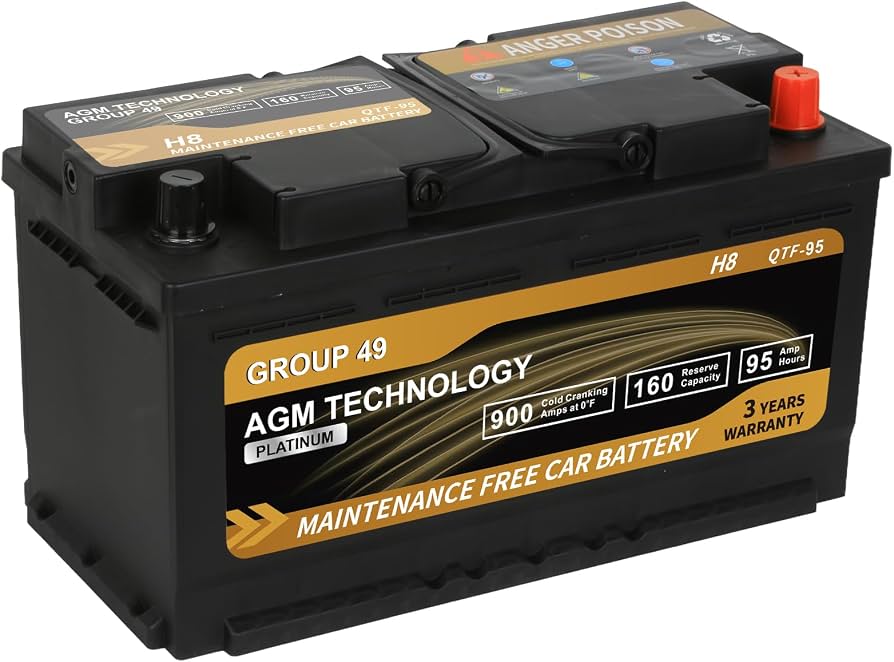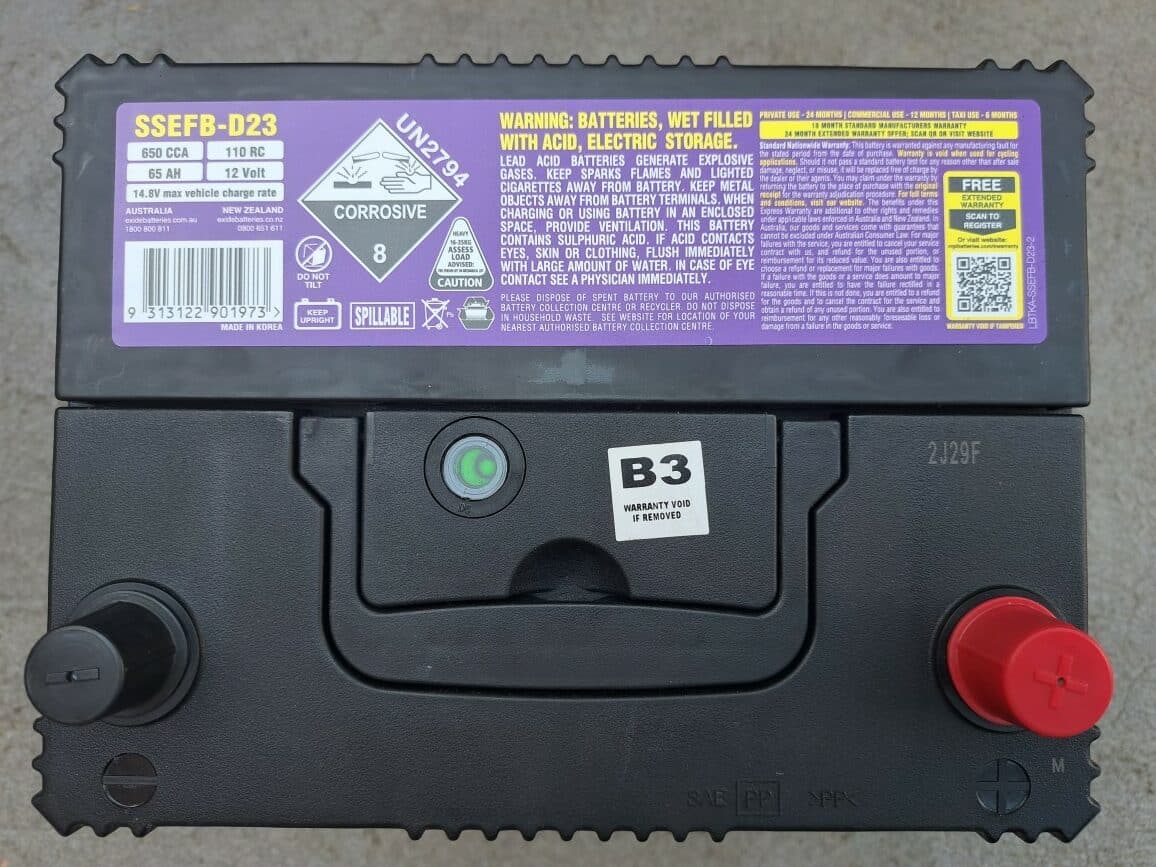
CCA stands for Cold Cranking Amps, a rating that measures how much current a car battery can deliver for 30 seconds at 0°F while keeping voltage above 7.2 volts.
Think of CCA like a quick burst of energy your battery needs on a freezing morning. When you turn the key and your engine groans to life, that's the battery flexing its CCA muscle. Most drivers never think about this number until their car refuses to start on a cold day, and suddenly it becomes the most important spec on the label. Whether you're shopping for a new battery, trying to understand why yours died last winter, or just curious about what those numbers mean, getting a grip on CCA can save you from a lot of headaches.
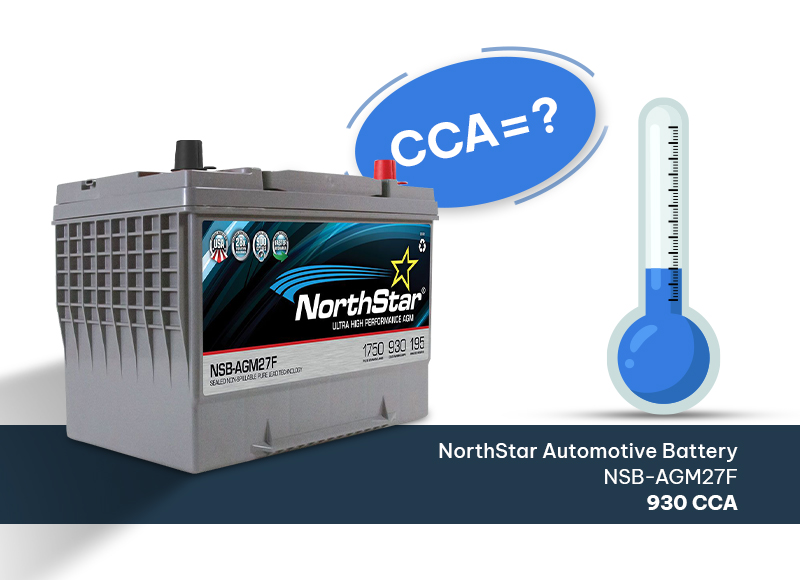
What Exactly Does CCA Mean in a Car Battery?
CCA is short for Cold Cranking Amps, and it's one of the most important ratings you'll see on a car battery. It tells you how much power the battery can push out in cold weather when your engine needs the most help starting.
Here's the official definition: CCA is the number of amps a fully charged 12-volt battery can deliver for 30 seconds at 0°F (about -18°C) while still maintaining at least 7.2 volts. The higher the CCA, the stronger the battery's starting power in cold conditions.
Why does cold matter so much? Well, cold weather thickens your engine oil and slows down the chemical reactions inside the battery. Both of these make it harder for the engine to turn over. A battery with a higher CCA rating can push through that resistance more easily.
In my years of helping friends and customers with battery issues, I've learned that CCA is often the difference between a car that starts every morning and one that leaves you stranded in a parking lot. It's a number that quietly does a lot of heavy lifting.
How Is CCA Measured and Tested?
Battery manufacturers test CCA in controlled lab conditions. The process is pretty straightforward but very precise.
A fully charged battery is cooled down to 0°F. Then a load is applied that matches the battery's rated CCA. The battery has to hold at least 7.2 volts for 30 straight seconds. If it does, it passes the test.
Two main organizations set the standards for this test:
- SAE (Society of Automotive Engineers) — the most common standard used in the U.S.
- EN (European Norm) — used in Europe, with slightly different testing rules
- DIN (German Institute for Standardization) — an older European standard
The SAE standard is what you'll see on most batteries sold in American auto parts stores. When you see "SAE CCA" on a label, you know it was tested using the strict SAE method.

Why Is CCA So Important for Your Vehicle?
CCA matters because your battery works hardest when it's coldest. Let me walk you through why this rating should be on your radar.
Cold weather is a battery's worst enemy. At 0°F, a battery can lose up to 35% of its cranking power. At -20°F, it can lose up to 60%. If you live somewhere with harsh winters, that CCA number on your battery isn't just a marketing gimmick. It's a survival rating.
Your starter motor needs a big burst of power to turn the engine over, especially when the oil is thick and the engine parts are stiff. A battery with the right CCA makes that first crank smooth and quick. A weak one? You'll hear that slow, painful "rrr…rrr…rrr" sound that nobody wants to hear on a Monday morning.
From my own experience, I once owned an old truck with a battery that was rated way too low for the climate. Every winter, I'd get stuck at least once. After upgrading to a battery with higher CCA, the problem vanished. It was one of those "why didn't I do this sooner" moments.
What Is a Good CCA Rating for a Car Battery?
There's no single "good" CCA number because it depends on your car, engine size, and where you live. But here are some general guidelines.
Most standard passenger cars need between 400 and 600 CCA to start reliably. Larger vehicles like trucks and SUVs often need 600 to 800 CCA or more. Diesel engines, which have higher compression, can require 800 to 1000+ CCA.
Here's a quick breakdown by vehicle type:
- Small 4-cylinder cars: 400-500 CCA usually works fine
- Mid-size sedans and 6-cylinder engines: 500-650 CCA
- SUVs and full-size trucks: 650-850 CCA
- Heavy-duty trucks and diesel engines: 800-1000+ CCA
Climate also plays a big role. If you live in a warm area like Florida or Southern California, you don't need to max out the CCA. But if you're in Minnesota, Michigan, or anywhere with brutal winters, more CCA is always better.
CCA vs. CA vs. MCA vs. HCA: What's the Difference?
You'll see a bunch of amp ratings on a battery label, and they all mean different things. Let me clear up the confusion.
CA (Cranking Amps) is measured at 32°F, not 0°F. It looks like a higher number than CCA, but the testing is easier on the battery. Some manufacturers use this number because it sounds more impressive, but it's not the same as CCA.
MCA (Marine Cranking Amps) is similar to CA but tested at 32°F for marine batteries. Boats and watercraft use this rating more often than cars.
HCA (Hot Cranking Amps) is tested at 80°F. Honestly, this rating isn't very useful for most drivers because we care more about cold starts than hot ones.
The key takeaway: CCA is the most realistic and demanding rating for everyday car use, especially in cold climates. When comparing batteries, always compare CCA to CCA, not CCA to CA.

How to Choose the Right CCA for Your Vehicle
Picking the right CCA is easier than you think if you follow a few simple steps.
Step 1: Check your owner's manual. The manufacturer will list the minimum CCA your vehicle needs. This is your baseline.
Step 2: Consider your climate. If you live in a cold region, go above the minimum. A good rule of thumb is to add 100-200 CCA above the recommended rating for areas with harsh winters.
Step 3: Think about your driving habits. If you take lots of short trips, your battery doesn't get fully charged often. A higher CCA can help compensate for that.
Step 4: Match the battery type. Standard flooded lead-acid batteries, AGM batteries, and EFB batteries all have different CCA characteristics. AGM batteries typically offer higher CCA and better cold performance.
Step 5: Don't overdo it. While more CCA is generally better, going way overboard doesn't give you extra benefits. A 1000 CCA battery in a small sedan is just overkill and wastes money.
Common Misconceptions About CCA
Let me bust a few myths that I hear all the time.
A higher CCA doesn't mean a better battery in every situation. If you live in a warm climate and drive a small car, you don't need a massive CCA number. It just means you're paying for power you'll never use.
CCA doesn't equal battery life. A battery with 800 CCA won't necessarily last longer than one with 600 CCA. Reserve capacity and build quality matter more for longevity.
You can't just add CCA by charging your battery. A weak battery might show low CCA readings, but that's a sign it's failing, not a fixable number.
A battery can test fine on CCA but still be bad. CCA measures one thing: cold starting power. It doesn't tell you about the battery's overall health or how long it will last.

How to Test CCA at Home or at a Shop
Want to know what your battery's CCA actually is? You can test it without being a mechanic.
Most auto parts stores like AutoZone, O'Reilly, and Advance Auto Parts offer free battery testing. They use a conductance tester that gives you a CCA reading in about a minute. It's quick, easy, and totally free.
If you want to test at home, you can buy a battery load tester. These clamp onto your battery terminals and apply a load while measuring voltage. They range from $30 to $100 depending on quality.
A third option is a digital battery analyzer. These are more accurate and don't put stress on the battery like a load tester does. They're a bit pricier but worth it if you want to keep tabs on multiple vehicles.
From my experience, the free in-store tests are good enough for most people. I usually get mine checked twice a year, once before winter and once before summer.
Signs Your Battery Might Have Low CCA
Your battery usually gives you warning signs when its CCA is dropping. Watch for these red flags.
- Slow cranking: The engine takes longer to start, especially in the morning
- Clicking sound: You hear rapid clicking when turning the key
- Dim headlights: Lights look weak, particularly at idle
- Electrical issues: Power windows move slowly, or the radio cuts out
- Battery warning light: The dashboard battery symbol stays on
- Swollen battery case: Extreme cold or heat can damage the battery physically
If you notice any of these, get your battery tested. A weak battery with low CCA will eventually leave you stranded, and it's always better to replace it before that happens.
Does a Higher CCA Battery Last Longer?
This is a question I get a lot, and the short answer is: not necessarily.
CCA measures starting power, not durability. A battery's lifespan depends more on factors like:
- Number of charge cycles
- Operating temperature
- Vibration resistance
- Build quality
- Maintenance habits
That said, a higher CCA battery often has thicker plates and stronger internal construction, which can contribute to longer life. But this isn't a rule. A well-made 500 CCA battery can outlast a cheap 800 CCA one.
From what I've seen, premium AGM batteries with higher CCA tend to last the longest, often 5-7 years compared to 3-4 years for standard flooded batteries. But they also cost more upfront.
Frequently Asked Questions About CCA
What does CCA mean on a car battery?
CCA stands for Cold Cranking Amps, which measures how much current a battery can deliver for 30 seconds at 0°F while keeping voltage above 7.2 volts. It's a key indicator of starting power in cold weather.
Is a higher CCA battery better?
A higher CCA battery is better for cold climates and larger engines, but it's not always necessary. For warm regions and small engines, a standard CCA rating works just fine and saves money.
How many CCA do I need for my car?
Most cars need between 400 and 600 CCA, while trucks and SUVs often need 600 to 800 CCA. Always check your owner's manual for the manufacturer's recommended minimum.
Can I use a battery with higher CCA than recommended?
Yes, using a battery with higher CCA than recommended is perfectly safe and can actually be beneficial in cold climates. Your vehicle will only draw the power it needs, so there's no risk of damage.
Does CCA drop as a battery ages?
Yes, CCA gradually drops as a battery ages due to sulfation, plate wear, and internal corrosion. A battery that originally had 600 CCA might only deliver 300 CCA after several years of use.
Wrapping It All Up
CCA is one of those specs that seems technical but is actually pretty simple once you break it down. It tells you how well your battery can start your car when the temperature drops, and it's measured under the toughest conditions your battery will face.
If you remember nothing else, remember this: match the CCA to your vehicle and your climate. Don't undersize it if you live where winters are brutal, and don't oversize it if you don't need the extra power. Check your battery's health regularly, especially before the cold season, and replace it before it leaves you stranded.
Got a battery story or a question I didn't cover? Drop a comment below and let me know. I'd love to hear about your experiences with CCA, whether it's a battery that saved the day or one that left you stuck in a snowstorm.