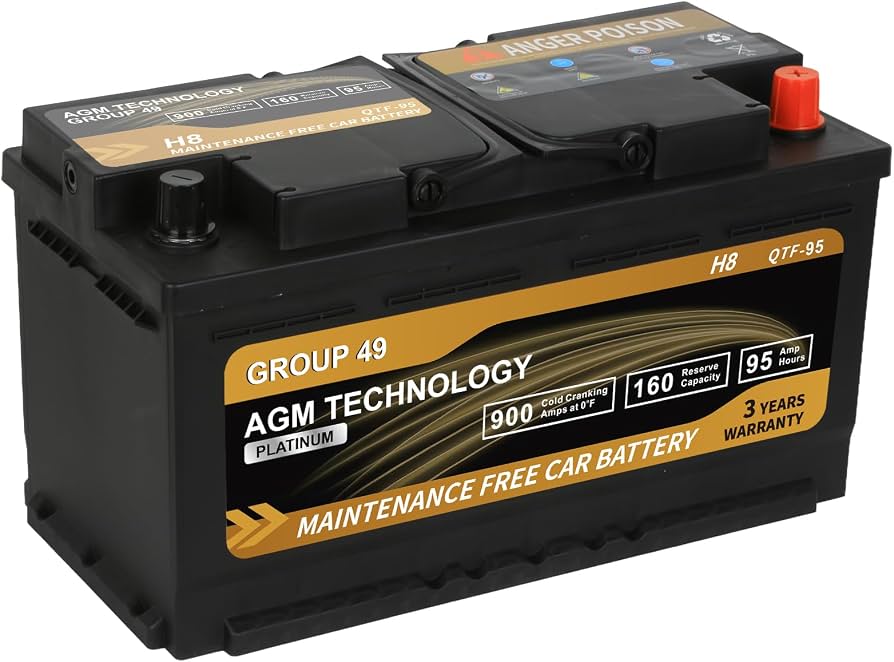
CCA, or Cold Cranking Amps, is the rating that tells you how much power a battery can deliver to start your engine in cold weather.
If you've ever turned the key on a freezing morning and heard that weak, struggling crank, you already know how important a strong battery is. Over the years, I've tested dozens of batteries in everything from icy pickup trucks to mild commuter cars, and the one number that consistently predicts real-world starting power is CCA. In this guide, I'll break down exactly what CCA is, why it matters, how to pick the right rating for your vehicle, and what mistakes I've seen people make when they ignore it.
What Exactly Does CCA Mean on a Car Battery?
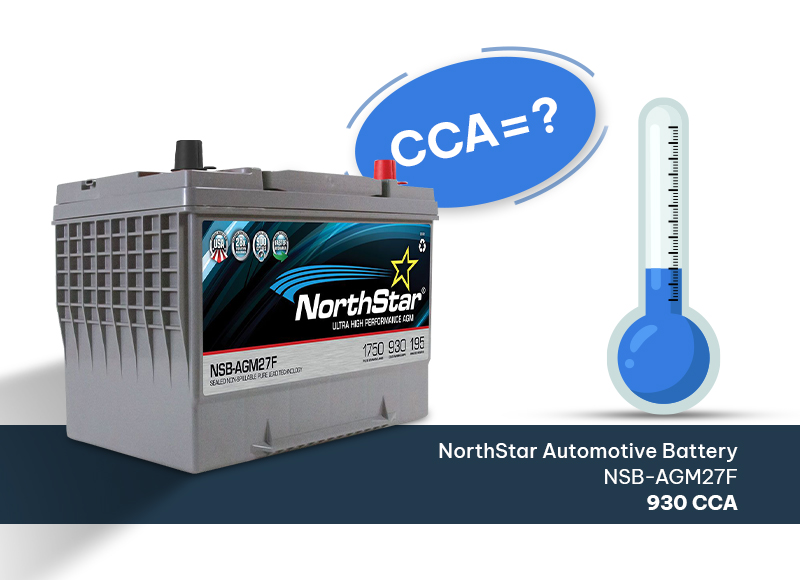
CCA stands for Cold Cranking Amps, and it's one of the most important numbers printed on any car battery. It measures the number of amps a 12-volt battery can deliver for 30 seconds at 0°F (about −18°C) while maintaining at least 7.2 volts.
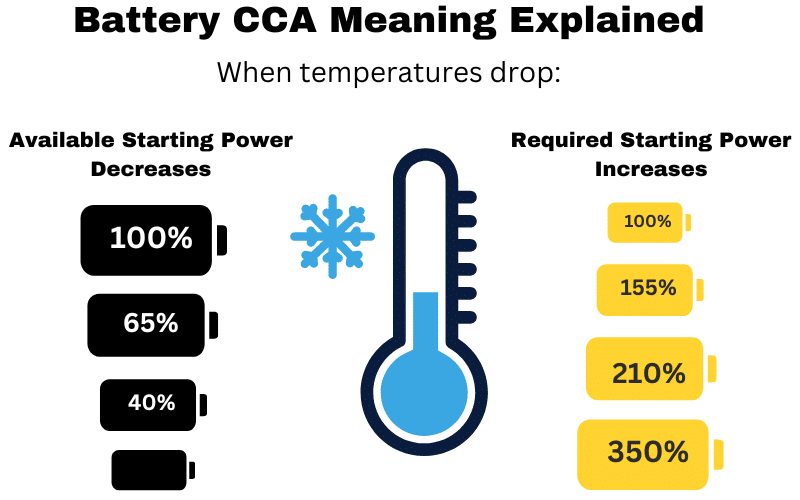
Think of it as a stress test for cold mornings. The colder it gets, the harder your engine is to turn over because the oil thickens and chemical reactions inside the battery slow down. A higher CCA rating means the battery can push more current through that thick, cold engine until it finally fires up.
When you look at a battery label, you'll usually see two related ratings:
- CCA (Cold Cranking Amps): The cold-weather starting power.
- CA (Cranking Amps): The same test but at 32°F (0°C), so the number is always higher and a bit misleading for true winter performance.
- MCA (Marine Cranking Amps): Used for boats, tested at 32°F.
- RC (Reserve Capacity): How long the battery can power accessories if the alternator fails.
- AH (Amp Hours): How much energy the battery stores over time.
The cold cranking amp rating is the one that tells you how your battery will behave when you need it most.
Why CCA Matters More Than You Might Think
A battery can look healthy on a warm day and still leave you stranded in January. I've seen it happen to friends who bought a "good" battery based on price alone, only to find out it had a low CCA rating that couldn't handle their V8 in 10°F weather.
Here's why CCA matters:
- It directly affects how reliably your engine starts in cold climates.
- Diesel engines, big V6s, and V8s need more cranking power than small 4-cylinder engines.
- Accessories like heated seats, sound systems, and plugged-in phone chargers all add demand when starting.
- A battery with too little CCA will wear out faster because it's always being stressed to its limit.
If you live somewhere the temperature drops below freezing for months, CCA isn't just a spec, it's peace of mind.

How CCA Is Tested and Rated
Battery manufacturers follow a strict standard so you can compare apples to apples. The most common standard is set by SAE (Society of Automotive Engineers) J537.
Here's how the test works:
- The battery is chilled to 0°F.
- It's discharged at its rated CCA number of amps.
- The discharge continues for 30 seconds.
- At the end, the voltage must stay above 7.2 volts.
If the voltage drops below 7.2 volts during those 30 seconds, the battery fails that CCA rating. So when you see "650 CCA" on a label, it means that battery can reliably push 650 amps under those harsh conditions.
Some brands also advertise CA (Cranking Amps at 32°F), which gives a bigger number but doesn't reflect real winter conditions. Always look for the CCA number when comparing batteries.

How to Find the Right CCA Rating for Your Car
Choosing the right CCA isn't about getting the biggest number you can afford. It's about matching what your vehicle was designed for.
Here's how I approach it:
- Check your owner's manual. It will list the minimum CCA rating recommended for your specific engine.
- Look at your climate. If you regularly see temps below 20°F, go a step or two above the minimum.
- Consider your driving style. Short trips, lots of accessories, or heavy electrical loads call out for more power.
- Match your engine size. A 2.4L four-cylinder might be happy with 500 CCA, while a 5.7L Hemi may want 700 or more.
A quick rule of thumb: don't drop below the factory recommendation, and going 10–20% higher is fine if you live in a cold area or want extra reliability.

Common Myths About CCA You Should Ignore
Over the years, I've heard a lot of myths about battery ratings. Let me clear up the most common ones:
- Myth: A higher CCA will damage my car. False. Your car only draws what it needs. Extra CCA just gives you a safety cushion.
- Myth: All batteries with the same CCA perform the same. Not true. Build quality, plate design, and warranty matter a lot.
- Myth: CCA doesn't matter in warm climates. Even in hot areas, cold mornings happen, and a strong battery resists wear longer.
- Myth: You only need to look at CCA. RC and AH ratings matter too if you run lots of electronics or sit in traffic with the AC on.
Knowing these myths has saved me money and frustration when helping others pick batteries.

Signs Your Battery's CCA Has Dropped
Batteries lose cranking power as they age, even if they still show 12 volts on a multimeter. Here are the warning signs I watch for:
- Slow cranking, especially on cool mornings.
- Clicking sounds when you turn the key.
- Dim headlights when starting.
- The check engine or battery light flickers.
- The car starts fine one day and struggles the next.
If you notice two or more of these, it's worth getting a load test at an auto parts store. Many will test your battery for free and tell you its current CCA compared to its rated CCA. When it drops below 70–80% of the original rating, it's time to replace it.

How to Maximize Your Battery's CCA and Lifespan
A battery that takes care of its CCA will treat you right for years. Here's what I do with every battery I own:
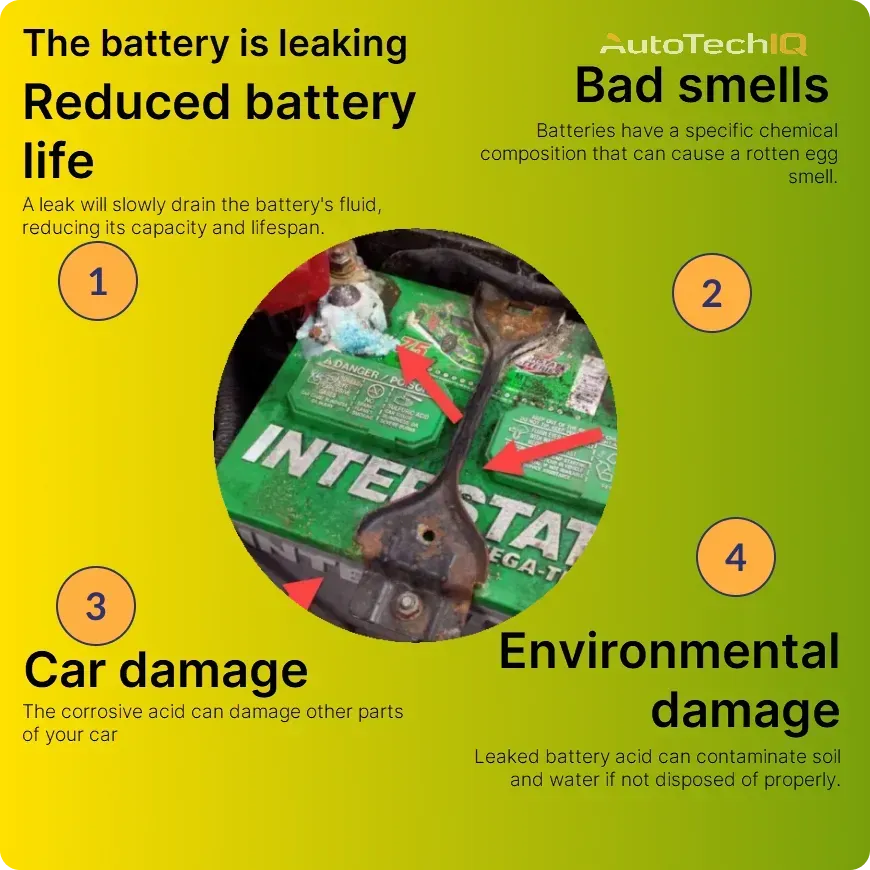
- Keep the terminals tight and free of corrosion.
- Drive the car regularly; long enough for the alternator to fully recharge.
- Avoid deep discharges from leaving lights or accessories on.
- Park in a garage or use a battery tender in extreme cold.
- Check the electrolyte level if you have a serviceable battery.
These small steps keep the internal chemistry healthy, which keeps your CCA strong season after season.

Personal Tips From Years of Battery Testing
I've been around car batteries long enough to know a few things that don't always show up on the spec sheet.
First, don't buy by price alone. A cheap battery with low CCA will cost you more in tow trucks and headaches than the savings.
Second, buy from a brand with a good warranty. A 3- or 4-year full replacement warranty tells you the company trusts its build quality.
Third, think about your future car. If you plan to keep the vehicle for years, stepping up one CCA tier is worth it.
And finally, always recycle your old battery. Most stores give you a core credit, and the lead inside is almost 100% recyclable.
Frequently Asked Questions About CCA
Is higher CCA always better?
Not always. Higher CCA gives you more starting power, but going way above your needs just costs more money. Match or slightly exceed your manufacturer's recommendation for the best balance.
Can I use a battery with less CCA than recommended?
You can, but you'll notice slower starts and a shorter battery life, especially in cold weather. In warm climates with small engines, it may work fine, but it's never ideal.
How does temperature affect CCA?
Cold reduces a battery's ability to deliver power. A battery rated at 650 CCA may only perform like 500 CCA at 0°F and even less at −20°F. That's why cold climates demand higher ratings.
Does a bigger engine always need more CCA?
Generally yes. Larger engines have more compression and heavier rotating parts, so they need more amps to turn over. A 6.2L V8 will always need more CCA than a 1.8L 4-cylinder.
How often should I replace my car battery?
Most batteries last 3 to 5 years. If you live in extreme heat or cold, expect closer to 3 years. Regular testing will tell you when the CCA has dropped too low.
Wrapping It All Up
CCA is one of those little numbers that can make the difference between a smooth start and a frustrating morning. It tells you exactly how much power your battery has when conditions are at their worst, and matching the right rating to your engine and climate is one of the smartest things you can do for your car.
Pick a battery that meets or slightly beats your manufacturer's CCA recommendation, take care of it with simple maintenance, and you'll avoid most of the starting problems that send people to the parts store in a panic. If you're shopping for a new battery today, start by checking your owner's manual, look for a trusted brand with a solid warranty, and don't be afraid to step up one tier for extra confidence. Have questions or want to share your own battery experience? Drop a comment below, I'd love to hear what works for you.