A G sensor dash cam is a camera that automatically saves footage when it detects sudden movement or impact, like in a crash or hard brake.
If you've ever been in a minor fender bender and wished you had proof of what really happened, a G sensor dash cam might be exactly what you need. Think of it as your silent witness on the road, always watching, always ready. I've spent years testing and reviewing dash cams, and I can tell you that models with G sensors are a game changer for anyone serious about safety, evidence, and peace of mind.
How a G Sensor Dash Cam Actually Works
At its core, a G sensor (short for gravity sensor) is a tiny accelerometer inside the dash cam. It measures forces like acceleration, braking, and sharp turns in real time. When it senses a sudden jolt, say, someone rear ends you at a stoplight, the camera instantly marks that footage as important and locks it away so it doesn't get overwritten.
It's kind of like having a black box in your car. Even when you're not paying attention, the dash cam is. The sensor works in three axes, front to back, side to side, and up and down, so it can catch impacts from almost any direction.
Here's what typically happens during an event:
- The sensor detects a force above a set threshold
- The dash cam flags the current clip as an "event"
- The footage gets saved to a protected folder on the memory card
- Some models even start recording automatically when the car is parked and someone bumps it
Why This Matters in Real Life
A buddy of mine was parked at a store when someone backed into his bumper and drove off. Because his dash cam had a G sensor and parking mode, it captured the entire hit and run. He had clear video of the license plate. The police used it to track down the other driver within hours. Without that G sensor triggered recording, the footage might have looped over and been lost forever.
Key Features That Make G Sensor Dash Cams Stand Out
Not all dash cams handle G sensors the same way. After testing dozens of them, I've noticed a few features that separate the good from the great.
Adjustable Sensitivity Settings
Most quality dash cams let you tweak how sensitive the G sensor is. If it's set too high, every speed bump or pothole will trigger an event. Too low, and you might miss a real collision. I usually recommend starting at medium and adjusting based on your driving conditions.
Automatic Event Locking
When the sensor triggers, the clip gets locked automatically. You don't have to fiddle with buttons while you're shaken up after an accident. That footage is safe.
Loop Recording Compatibility
G sensor dash cams usually work with loop recording, meaning the camera continuously records and overwrites old footage. The G sensor makes sure important clips never get erased during that loop.
Parking Mode Integration
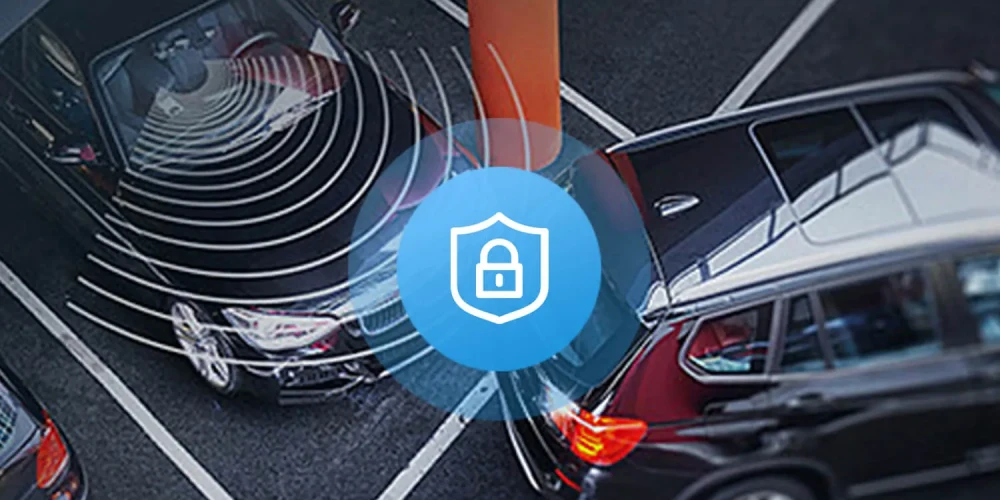
Many G sensor dash cams double as a parking surveillance system. If someone hits your parked car, the sensor wakes the camera up and starts recording right away. Some even buffer a few seconds before the impact so you don't just catch the aftermath.
Benefits of Using a G Sensor Dash Cam
The obvious win is having video evidence when you need it most. But there are other perks too.
Protection Against Fraud
Staged accidents and false claims are more common than people think. A G sensor dash cam gives you timestamped, impact triggered video that can prove you weren't at fault.
Lower Insurance Premiums
Some insurance companies offer discounts for drivers who use dash cams, especially ones with G sensors. It's worth asking your provider.
Peace of Mind for New Drivers
If you've got a teen behind the wheel, a G sensor dash cam can be a quiet safety net. You'll know that any hard braking, swerving, or fender bender gets recorded automatically.
Helpful in Hit and Runs
According to the National Highway Traffic Safety Administration, hit and run crashes result in thousands of injuries and deaths each year. Having a dash cam that locks in footage during an impact gives you a fighting chance at identifying the culprit.
Limitations You Should Know About
G sensor dash cams are powerful tools, but they aren't perfect. Here's where they fall short sometimes.
False Triggers
Rough roads, railroad tracks, or even slamming a door can set off the sensor. That's why tweaking sensitivity is so important.
Storage Concerns
Because locked clips don't get overwritten, your memory card can fill up with event files. You'll need to clear them manually or use a larger card.
Not a Substitute for Safe Driving
A dash cam records what happens, but it doesn't prevent accidents. Stay focused on the road, not the footage.
Tips for Getting the Most Out of Your G Sensor Dash Cam
After years of installing and using these cameras, I've picked up a few habits that make a big difference.
- Format your memory card once a month to keep it healthy
- Mount the cam behind your rearview mirror for a clean view
- Use a high endurance microSD card designed for continuous recording
- Set sensitivity to medium unless you drive on rough roads
- Check the lens regularly for dust, bugs, or glare
How to Choose the Right G Sensor Dash Cam
There's no one size fits all here. Think about how and where you drive.
Daily Commuters
If you just want basic protection, look for a reliable mid range cam with a decent G sensor and 1080p recording. Brands like Viofo, Garmin, and Nextbase have solid options.
Rideshare Drivers
If you drive for Uber or Lyft, consider a dual cam setup that records inside and outside the cabin. A G sensor is a must here.
Road Trippers
Long distance drivers should look for cams with GPS logging and large storage support. That way, your G sensor footage also includes speed and location data.
Frequently Asked Questions
What does a G sensor do in a dash cam?
A G sensor detects sudden movements or impacts and automatically saves the current footage so it doesn't get overwritten during loop recording.
Can a G sensor dash cam record when the car is off?
Yes, many models support parking mode, where the G sensor wakes the camera and starts recording if it detects a bump or vibration while parked.
Is a G sensor the same as motion detection?
Not exactly. A G sensor reacts to force and impact, while motion detection reacts to movement in the camera's field of view. Many dash cams offer both.
Will a G sensor drain my car battery?
If the dash cam is hardwired or left plugged in for long periods, it can drain the battery. Using a parking mode kit with a voltage cutoff prevents this.
Do all dash cams have G sensors?
Most modern dash cams do, but cheaper or older models might not. Always check the specs before buying.
Wrapping It All Up
A G sensor dash cam is one of the smartest upgrades you can make for your car. It watches the road when you are and keeps working when you are not. From capturing hit and runs to protecting you from false claims, the value speaks for itself.
If you drive daily, park on busy streets, or just want peace of mind, this is the kind of gear that pays for itself the first time you really need it. Pick a model that fits your driving habits, tweak the sensitivity, and let it do its job. You'll be glad you did.
Got questions or want a recommendation based on your specific needs? Drop a comment below. I'm always happy to help fellow drivers stay safe out there.