You can get police dash cam footage by filing a public records request with the relevant law enforcement agency, providing details like the date, time, location, and incident description.
I've been through this process a few times myself, both as a writer covering traffic incidents and as someone who needed footage after a fender-bender. It's not always quick, but it's absolutely doable when you know the right steps and what to expect. Let me walk you through the whole thing so you don't waste time chasing the wrong doors.

Understanding Police Dash Cam Footage and Who Owns It
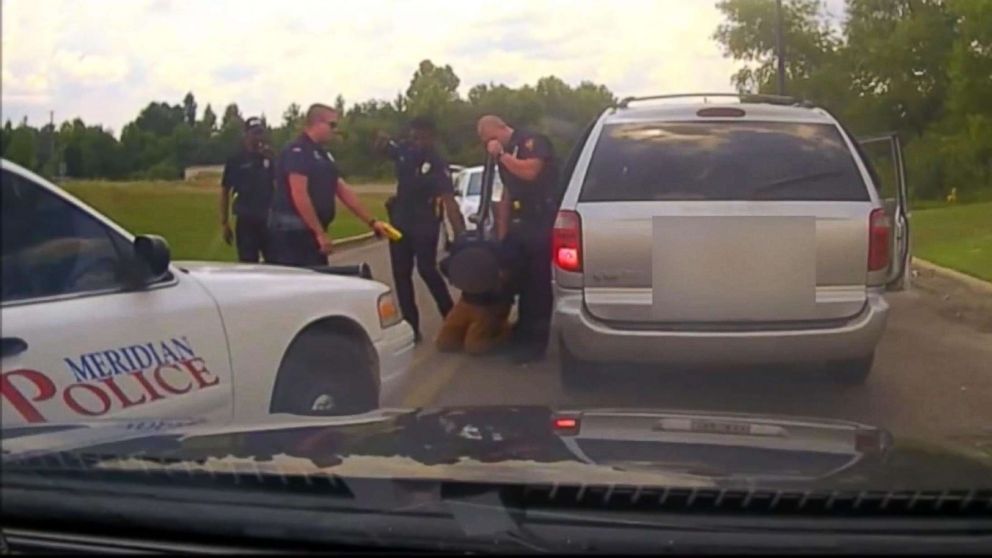
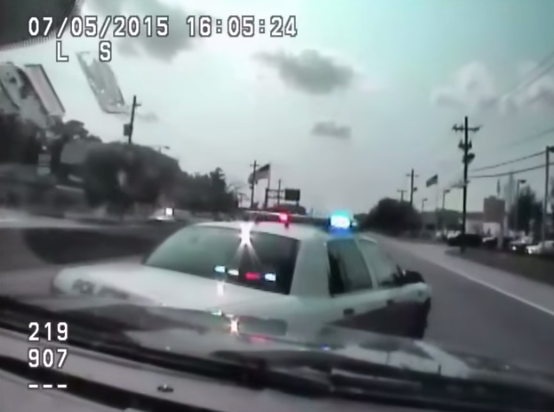
Police dash cam footage is recorded video from cameras mounted in or on a patrol vehicle. It typically captures what's happening in front of the car, though some systems also record the rear view and the inside of the vehicle. The footage can show traffic stops, pursuits, accidents, and even officer interactions with the public.
Who owns the footage? That depends on the jurisdiction, but in most cases, the footage belongs to the law enforcement agency that created it. Even when the video is public record, agencies still control how and when it's released. Some states treat dash cam video as a public record under freedom of information laws, while others give agencies more leeway in deciding what to release.
In my experience, treating the footage as a formal records request rather than a casual ask gets you much further. Just calling and asking rarely works, but a written request almost always does.
Step-by-Step Process to Request Police Dash Cam Footage
Here's the process that works in most jurisdictions across the United States.
Identify the Right Law Enforcement Agency
First, figure out which agency has the footage. If it was a city police department responding to a call, that's who you contact. If it was a county sheriff, highway patrol, or state trooper, the request goes to that agency instead. Getting this wrong is one of the most common mistakes people make, and it just delays everything.
Gather Key Details About the Incident
Before you file anything, write down everything you can remember.
- Date and time of the incident
- Location, including street names or highway mile markers
- Names of officers involved, if you have them
- Badge numbers or patrol car numbers
- Case or incident report number, if one was filed
- A clear description of what happened
The more specific you are, the easier it is for the records department to find the footage.
File a Public Records Request
Most agencies accept public records requests through a formal process. This might be called a Freedom of Information Act (FOIA) request at the federal or state level, or it may simply be called a public records request at the local level. Many departments now have online portals where you can submit these requests directly.
In your request, include the incident details, specify that you're asking for dash cam footage, and ask for any associated audio recordings as well. Be polite and professional. The records clerk is your best friend in this process, and being respectful goes a long way.
Pay Any Required Fees
Some agencies charge a small fee for copying or redacting footage. This might cover the cost of a DVD, the time it takes to blur faces, or processing time. The fee is usually reasonable, but ask about it upfront so you're not surprised.
Wait for a Response
Response times vary widely. Some agencies respond within a few days. Others may take several weeks, especially if the footage is part of an active investigation. Most states have a law that says public records requests must be answered within a set timeframe, often 10 to 30 business days.
Common Reasons Your Request Might Get Denied
Even when you do everything right, your request can be denied. Knowing the most common reasons helps you plan your next move.
Active Investigation or Pending Litigation
If the incident is part of an ongoing criminal investigation or court case, agencies often withhold the footage. The reasoning is that releasing it could compromise the case or influence a jury. In my experience, this is the most common reason for denial, especially in serious cases like car accidents with injuries or suspected DUIs.
Privacy Concerns
Dash cam video can capture bystanders, victims, and other people who didn't consent to being recorded. Agencies often redact faces and license plates before releasing footage to protect privacy. In some cases, they may deny the entire request if redaction would be too time-consuming.
Footage Was Never Recorded or Was Overwritten
Many dash cam systems automatically overwrite old footage after a set period, often 30 to 90 days. If you wait too long to request it, the video may be gone forever. This is one of the most frustrating situations, but it happens more often than people realize.
Exemptions Under State Law
Every state has its own public records laws, and some have broader exemptions than others. In some states, law enforcement footage is treated more like an internal personnel record than a public document. Knowing your state's specific law is important if you plan to appeal a denial.
How Long Police Keep Dash Cam Footage
Retention policies vary by agency, but most departments keep dash cam footage for at least 30 days and often longer for incidents involving use of force, accidents, or complaints. Some agencies keep everything for a year or more, while smaller departments may have shorter retention windows because of limited storage.
If you need the footage, don't wait. The sooner you request it, the better your chances of getting it before it's deleted.
What to Do If Your Request Is Denied
A denial isn't always the end of the road. You usually have a few options.
- Ask for a written explanation of why the request was denied
- Request a meeting or call with the records custodian to discuss the denial
- File an appeal under your state's public records law
- Contact your local newspaper or a legal aid organization if the case involves public interest
- Consult an attorney, especially if the footage is critical to a personal injury claim or criminal defense
I once helped a friend appeal a denied request by writing a polite but firm letter citing the specific state law. The agency reversed its decision within a week. Persistence often pays off.
Tips for a Successful Dash Cam Footage Request
Here are a few practical tips that have worked for me and others.
- Submit your request in writing, even if the agency accepts phone requests
- Keep your request specific and focused on one incident
- Include your contact information so the agency can reach you with questions
- Follow up politely if you don't hear back within the expected timeframe
- Be prepared to provide identification, especially if the footage involves you personally
- Consider using a lawyer or public records advocate if the case is high-stakes

Legal Uses for Police Dash Cam Footage
People request dash cam footage for many reasons, and the law generally allows it for legitimate purposes.
- Personal injury claims after a car accident
- Criminal defense in cases where the video might prove innocence
- Insurance disputes over fault in a collision
- Civil rights complaints against law enforcement
- Journalistic investigations and news reporting
- Academic research on policing practices
Each of these uses has its own legal considerations, but the request process is usually the same.
How Police Dash Cam Footage Compares to Body Camera Footage
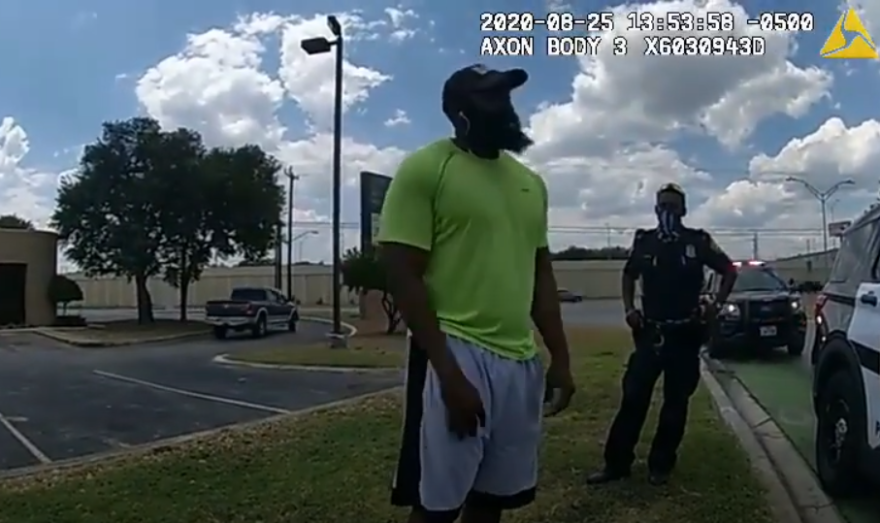
Dash cams and body cams are different, and knowing the difference matters when you file a request. Dash cam footage comes from a vehicle-mounted camera and usually shows the road and sometimes the interior of the car. Body cam footage comes from a camera worn on the officer's uniform and shows the officer's point of view during an interaction.
If you need footage of a specific conversation or interaction, body cam footage may be more useful. If you need footage of a traffic stop, accident, or pursuit, dash cam footage is usually better. In some cases, you may want to request both.
Working With an Attorney to Get Dash Cam Footage
If the footage is important to a legal case, working with an attorney can speed things up significantly. Attorneys know how to draft subpoenas, navigate exemptions, and push back on improper denials. They can also file court orders if necessary, which often compels agencies to release footage that would otherwise be withheld.
I always tell people not to wait until the last minute. If you think you might need the footage for a legal matter, start the process as early as possible.
Common Misconceptions About Police Dash Cam Footage
A few myths come up again and again.
Many people believe dash cam footage is automatically public, but that's not always true. Others think the police are required to hand it over on request, but agencies often have discretion. Some assume all agencies use the same process, but procedures vary widely. And many believe footage is kept forever, when in reality, most systems overwrite old video on a regular schedule.
Knowing what's true and what's not helps you set realistic expectations and avoid frustration.
Final Thoughts on Getting Police Dash Cam Footage
Getting police dash cam footage takes patience, preparation, and a little persistence. The process is usually straightforward once you know the steps, and in most cases, agencies are willing to work with you if you're respectful and organized. The key is to act quickly, keep good records, and follow up if you don't hear back.
Frequently Asked Questions About Getting Police Dash Cam Footage
How long does it take to get police dash cam footage after a request?
It usually takes between 10 and 30 business days, depending on the agency and the complexity of the request. Some agencies respond faster, while others may take longer if the footage needs redaction or is part of an active investigation.
Is police dash cam footage public record?
In many states, it is considered a public record, but agencies can withhold it for reasons like active investigations, privacy concerns, or internal personnel matters. The rules vary by state and by agency.
Can I get dash cam footage without a lawyer?
Yes, in most cases you can file a public records request on your own. However, if the request is denied or the case involves legal action, working with an attorney can help you navigate appeals and subpoenas.
What if the police department loses or overwrites the footage?
Unfortunately, that can happen, especially if you wait too long to request it. Many systems automatically delete footage after 30 to 90 days, so it's important to act quickly.
Can I request dash cam footage for a minor traffic accident?
Yes, even for minor accidents, you can request footage. Just be prepared to provide clear details about the date, time, and location, and know that the footage may have already been deleted if too much time has passed.
Conclusion
Getting police dash cam footage doesn't have to be a mystery. Start by figuring out which agency has the video, gather the details of the incident, and file a clear public records request. Be patient, follow up if needed, and know your rights if the request is denied. Whether you need the footage for an insurance claim, a legal case, or just peace of mind, the process is within reach for anyone willing to put in a little effort. Take the first step today, and don't let important evidence slip away.