
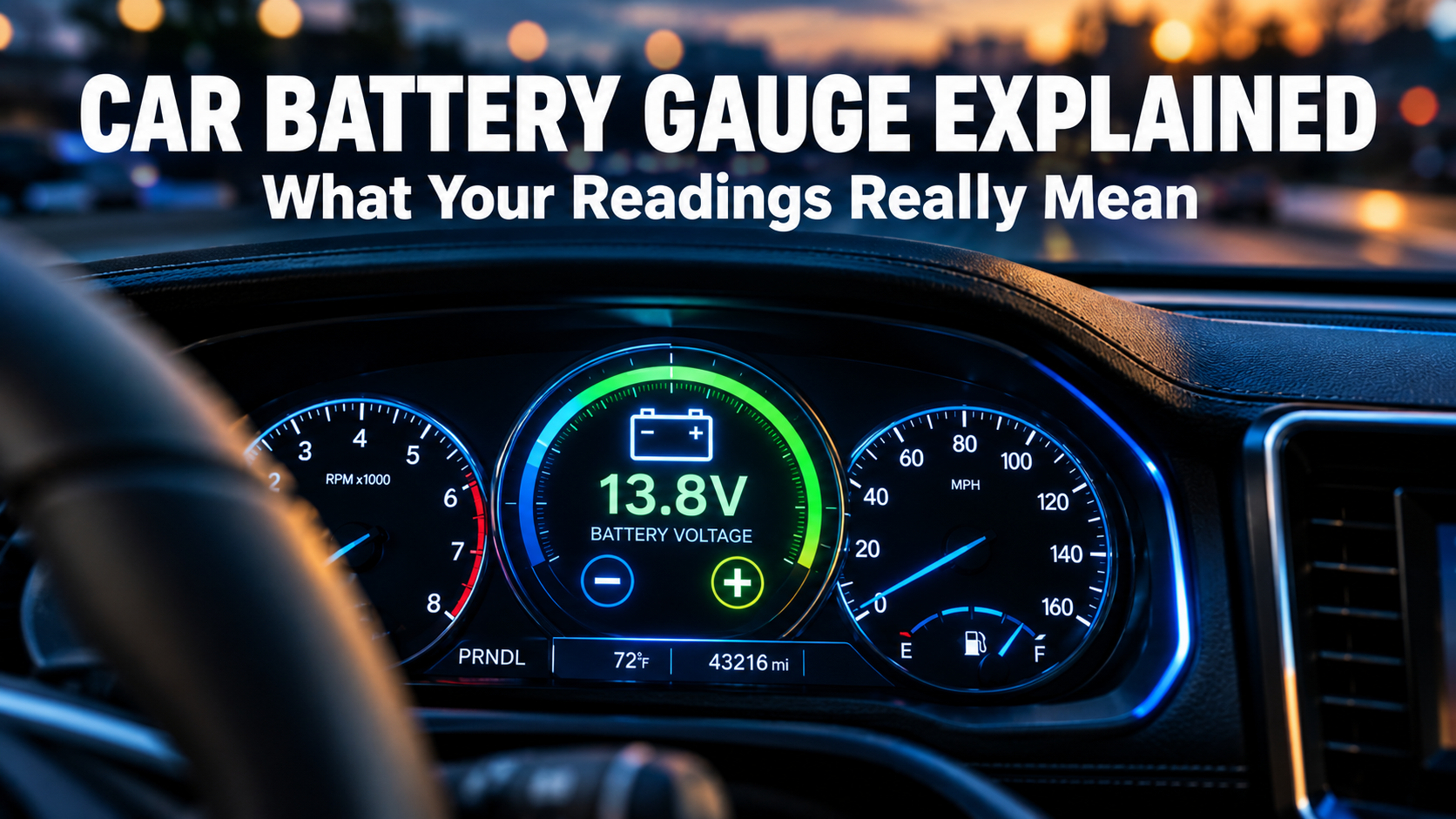
The battery gauge in your car shows how much charge your battery has, so you know if it is strong, weak, or somewhere in between.
Ever glanced at your dashboard and wondered what that little gauge with the plus and minus sign is actually telling you? You are not alone. Most drivers see it every day but have no idea what the readings really mean. I have spent years working with cars and testing batteries, and I can tell you that this small gauge is one of the smartest tools on your dashboard. It gives you a real-time look at how your battery and charging system are doing. Think of it as a fuel gauge, but for your battery's health instead of gasoline. When you understand what it is showing, you can catch problems early, avoid getting stranded, and keep your car running smoothly for years. Let me walk you through everything you need to know, from how it works to what each reading means.
How the Car Battery Gauge Works
Your battery gauge is more than a simple meter. It is connected to your car's electrical system and gives you live feedback. Here is how it all comes together behind the scenes.
The Role of the Alternator
The alternator is the heart of your car's charging system. While the engine runs, the alternator spins and generates electricity. This power charges your battery and runs everything from your headlights to your radio. The gauge reflects what the alternator is doing at any given moment.
The Role of the Battery
The battery stores electrical energy. It gives power to start the engine and keeps accessories running when the engine is off. Once the engine is running, the alternator takes over, but the battery stays in the circuit as a backup and stabilizer.
How the Gauge Reads the Voltage
The gauge measures voltage, which is the pressure of electricity flowing through the system. Most cars run on a 12-volt system, but the actual voltage moves up and down based on what is happening. The gauge translates that voltage into a simple reading you can understand at a glance.

What the Different Readings on the Battery Gauge Mean
The gauge usually shows three main zones. Each one tells a story about the health of your battery and charging system.
Normal or Middle Reading
When the gauge sits right in the middle, usually around 13 to 14.5 volts, your system is happy. The alternator is charging the battery properly, and everything is working as it should. This is the sweet spot you want to see during regular driving.
Low or Toward the Minus Side
If the needle drops toward the minus sign or reads below 12 volts while the engine is running, something is wrong. It usually means the alternator is not charging properly. You might also see this if the battery itself is weak or old. I have seen drivers ignore this warning and end up stranded in a parking lot. Do not let that be you.
High or Toward the Plus Side
If the gauge climbs too high, above 15 volts, it often points to a voltage regulator problem. The alternator is pushing too much power into the battery. Over time, this can overheat the battery, boil the fluid inside, and damage other electrical parts. It is less common but just as serious as a low reading.

Why the Battery Gauge Reading Changes While Driving
You might notice the gauge moving up and down during your drive. That is normal and expected. Here is what causes those changes.
When You Start the Engine
Right after you turn the key or push the start button, the battery does the heavy lifting. You may see the gauge dip low for a second. Once the engine fires up and the alternator kicks in, the reading should climb back to the normal range.
When You Use High-Demand Accessories
Turn on the AC, heated seats, headlights, and your sound system all at once, and the gauge might drop slightly. The alternator is working hard to keep up with the demand. This is normal, and the reading should recover quickly.
When You Idle for a Long Time
Sitting in a parking lot with the engine idling puts extra stress on the charging system. The alternator spins slower at idle, so it produces less power. If the gauge drops during long idles, it could be a sign of a weak alternator or an aging battery.

Signs Your Battery or Charging System Has a Problem
The gauge is a great early warning system, but your car will often give you other hints when there is trouble. Watch for these signs along with a low or high gauge reading.
Slow or Sluggish Engine Start
If the engine turns over slowly when you try to start, the battery is probably weak. It does not have enough cranking amps left to do its job.
Dim or Flickering Lights
Notice your headlights dimming when you stop at a red light? That is a classic sign of a weak alternator or a failing voltage regulator.
Warning Lights on the Dashboard
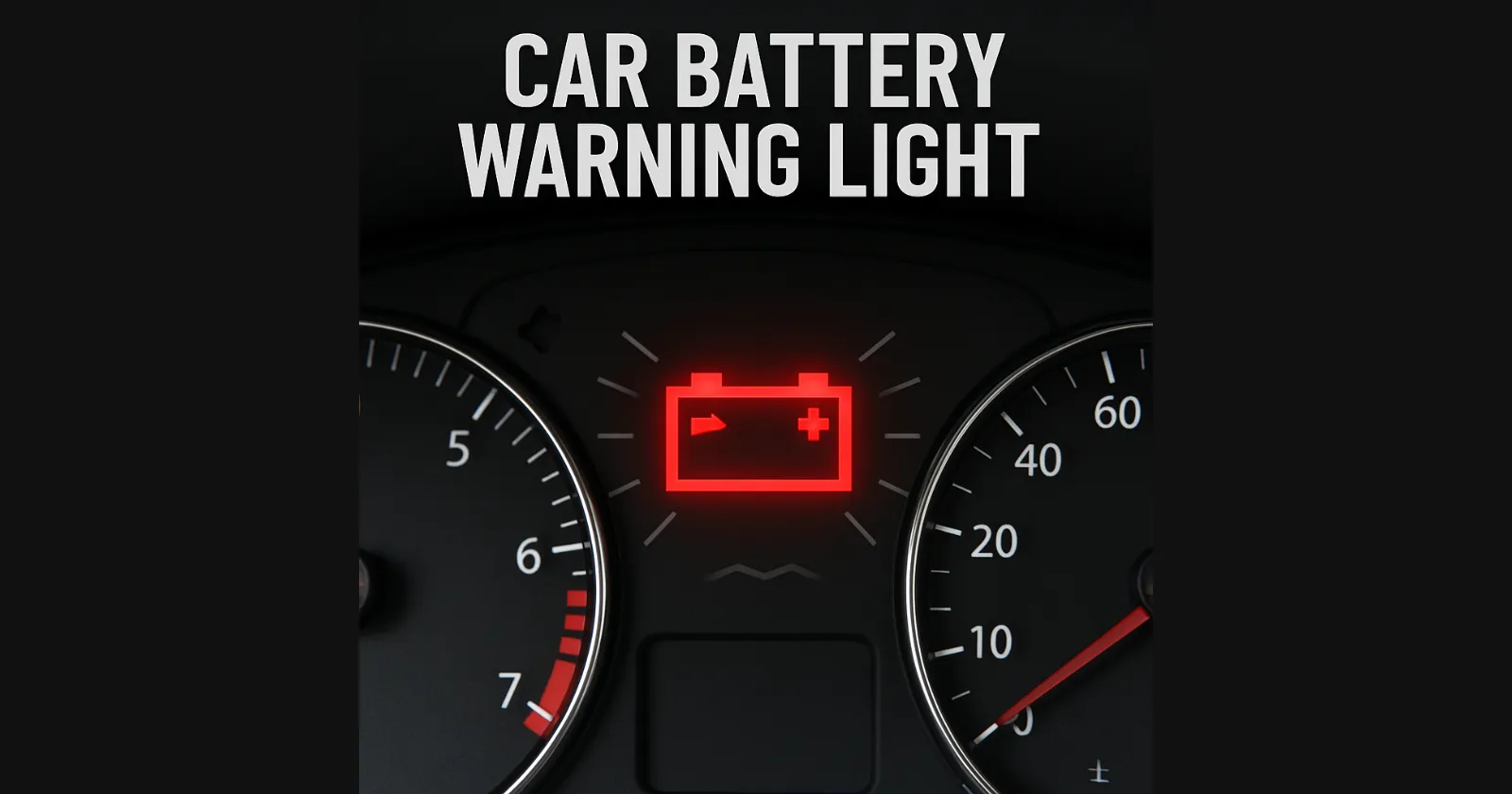
Many cars have a separate battery warning light that looks like a little battery icon. If this light comes on, the system has detected a problem and you should get it checked right away.
Strange Electrical Behavior
Power windows moving slowly, radio cutting out, or dashboard lights flickering are all clues that the electrical system is not getting steady power.

How to Keep Your Battery and Charging System Healthy
A little care goes a long way. Here are some simple habits that can extend the life of your battery and keep the gauge reading in the green zone.
Drive Your Car Regularly
Batteries lose charge when they sit unused. If you leave your car parked for weeks, the battery can drain and even sulfate, which damages the internal plates.
Keep the Terminals Clean
Corroded battery terminals block the flow of electricity. A quick clean with a wire brush and some baking soda mixed with water can restore a solid connection.
Test the Battery Every Year
Most auto parts stores will test your battery for free. A yearly test can tell you if it is weakening before it leaves you stranded.
Avoid Short Rides
Quick trips around the corner do not give the alternator enough time to fully recharge the battery. Over time, this can slowly drain the battery and shorten its life.
Common Myths About the Car Battery Gauge
There are a few things drivers get wrong when it comes to the battery gauge. Let me clear those up so you can avoid unnecessary worry or mistakes.
Myth: The Gauge Only Matters When the Car Won't Start
Many drivers think the gauge is only useful right before a breakdown. In reality, it gives you constant feedback, and small changes over time can warn you of problems weeks before a failure.
Myth: A Full Charge Reading Means the Battery Is New
Even an old battery can show a full reading if the alternator is doing all the work. The gauge reflects system voltage, not the actual condition of the battery itself.
Myth: You Only Need to Check the Battery in Winter
Cold weather does make batteries work harder, but heat in summer is actually harder on battery lifespan. You should pay attention all year long.

When to See a Mechanic About the Battery Gauge
Sometimes the gauge is telling you something that needs a professional eye. Here is when you should not wait.
The Gauge Stays Low While Driving
If the needle stays near the minus side during normal driving, the alternator is likely failing. Get it tested before the battery dies completely.
The Gauge Spikes High
A sudden jump above 15 volts can damage the battery and electronics. A mechanic can test the voltage regulator and alternator output.
The Battery Warning Light Stays On
This is never a good sign. It means the car has detected a charging issue. Do not ignore it, even if the gauge looks okay.
Frequently Asked Questions About the Battery Gauge in Your Car
What should the battery gauge read while driving?
It should sit in the middle, usually between 13 and 14.5 volts, which means the alternator is charging the battery properly.
Why does my battery gauge drop when I idle?
The alternator spins slower at idle, so it produces less power. If the drop is large, it could signal a weak alternator or an old battery.
Can I drive with the battery gauge in the red?
You can, but it is risky. If it stays in the red, your battery is not charging, and you could stall out at any moment.
Does the battery gauge show battery health or charging system health?
It shows both. The voltage reflects the alternator's output and the battery's ability to hold a charge.
How often should I check my battery gauge?
Glance at it every time you drive. A quick look takes one second and can catch a problem early.
Conclusion
Your battery gauge is one of the most useful tools on your dashboard, and now you know how to use it. The key is to remember that the middle is good, low means trouble, and high means bigger trouble. Make it a habit to glance at the gauge every time you drive. If you notice something off, do not wait. A quick test at an auto parts store or a visit to your mechanic can save you from a costly breakdown. Keep your battery terminals clean, drive your car often, and stay ahead of the little problems before they turn into big ones. Your car will thank you with years of reliable starts and smooth drives. If you found this guide helpful, feel free to share it with a fellow driver or drop a comment below with your own battery tips and experiences.