You need a 10mm wrench to remove most car battery terminals. In most cases, a 10mm box-end or open-end wrench is the standard tool for loosening the nut on the battery cable clamp. However, some vehicles use 12mm or 13mm, and a few older or specialty models may require a different size. Having the right wrench ready before you start can save you time and frustration.
When I first tried changing a battery in my driveway, I grabbed a random wrench from my toolbox and ended up stripping the bolt. That small mistake turned a 10-minute job into an hour-long headache. Since then, I always check the bolt size first and keep a few common wrenches nearby. Whether you're swapping in a new battery, cleaning corrosion, or just doing a quick inspection, knowing the correct wrench size is the first step. In this guide, I'll walk you through how to find the right size, why it matters, and what tools make the job easier.
Understanding Car Battery Terminal Hardware
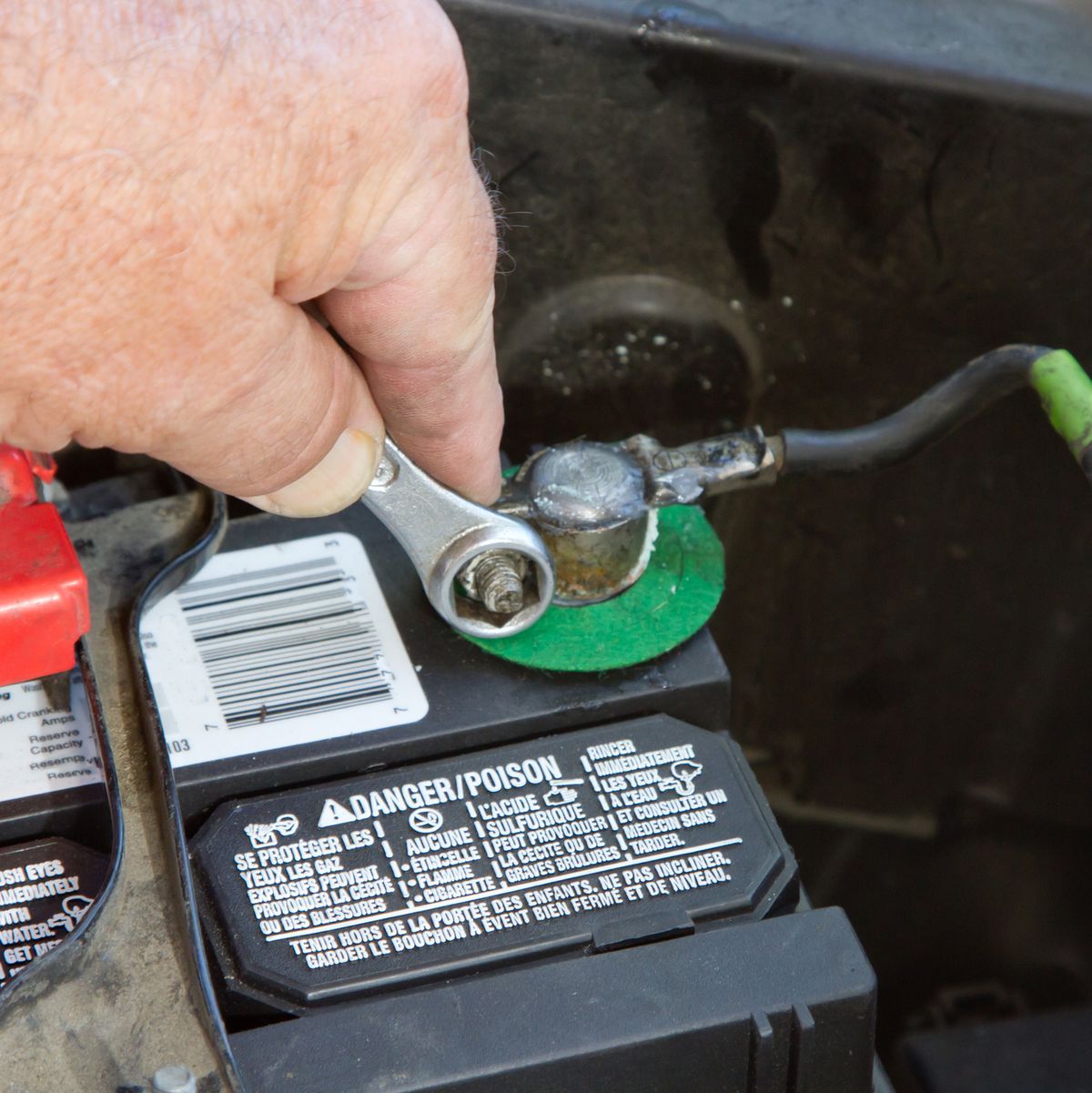
Car battery terminals are the metal connectors that link your battery cables to the battery posts. Most terminals use a bolt-and-nut system that clamps the cable tightly around the battery post. This hardware is what you'll loosen to disconnect the battery.
The two main types of terminals you'll encounter are:
- Top-post terminals, which are the most common in modern vehicles
- Side-post terminals, often found in GM vehicles and some older models
Both styles rely on a bolt to secure the connection, and that bolt is what your wrench will turn.
The Most Common Wrench Size for Car Batteries
The standard wrench size for most car battery terminals is 10mm. This applies to the majority of domestic and import vehicles on the road today. If you own a typical sedan, SUV, or truck built after the late 1990s, there's a strong chance you'll need a 10mm wrench.
Here's a quick breakdown of common sizes by vehicle type:
- Most Japanese and domestic cars: 10mm
- Many European vehicles: 10mm or 13mm
- Some trucks and heavy-duty vehicles: 12mm or 13mm
- Older vehicles (pre-1990): May use 5/16-inch or 3/8-inch (imperial sizes)
That said, always double-check before forcing anything. Using the wrong size can round off the bolt head and create a much bigger problem.
How to Identify the Correct Wrench Size
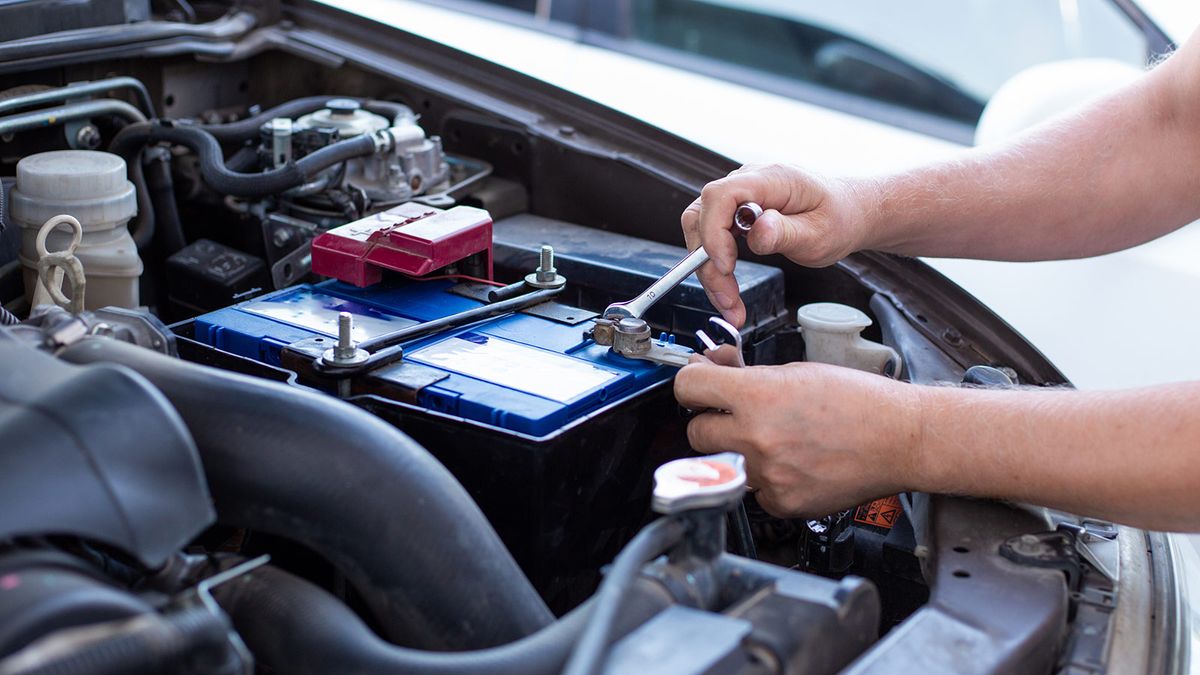
Before you start turning anything, take a moment to identify the bolt size. Here's a simple method I've used many times:
- Visually inspect the bolt head and compare it to your wrench set
- Look for any markings on the bolt, though most battery bolts aren't labeled
- Check your vehicle's owner's manual for battery service specifications
- Use a wrench that fits snugly without any wobble or play
If the bolt looks like a 10mm but feels slightly loose, try a 13mm. Bolts can appear smaller or larger depending on wear and corrosion. A snug fit is your best indicator.
Step-by-Step Guide to Removing a Car Battery Terminal
Once you have the right wrench, follow these steps to safely remove the battery terminal:
- Turn off the vehicle and remove the key from the ignition
– Open the hood and locate the battery - Identify the negative terminal (marked with a minus sign) and the positive terminal (marked with a plus sign)
- Always disconnect the negative terminal first to prevent electrical shorts
- Place your wrench on the nut and turn counterclockwise to loosen
- Once loose, wiggle the cable clamp off the battery post
- Repeat the process for the positive terminal if needed
Take your time and avoid using excessive force. If the bolt won't budge, a little penetrating oil can help free up corrosion.
Why the Correct Wrench Size Matters
Using the wrong size wrench isn't just inconvenient. It can cause real damage. Here's what can go wrong:
- Stripping the bolt head, making it nearly impossible to remove later
- Cracking the battery terminal clamp
- Damaging your wrench
- Creating a safety hazard if the battery sparks or arcs
A proper-fitting wrench grips all six sides of the bolt head (in the case of a box-end wrench) and distributes force evenly. This protects both the hardware and your hands.
Different Tools You Can Use
While a standard wrench works fine, there are a few specialized tools that make the job even easier:
- Battery terminal wrench: A small, purpose-built tool designed specifically for battery terminals
- Ratcheting wrench: Saves time by allowing you to turn without repositioning
- Socket wrench with extension: Useful for batteries located in tight spaces
- Adjustable wrench: Works in a pinch, but provides less grip and can slip
If you do any amount of DIY car work, a battery terminal wrench is a worthwhile addition to your toolbox. They're cheap, compact, and make the job much faster.
Common Mistakes to Avoid
Over the years, I've seen people make the same handful of mistakes when removing a battery. Here are the biggest ones:
- Forgetting to disconnect the negative terminal first
- Using a wrench that's too small or too large
- Applying too much force and stripping the bolt
- Letting the wrench touch both terminals at the same time
- Not wearing gloves or eye protection
Each of these can turn a simple job into a frustrating or even dangerous one. A little patience goes a long way.
What If the Bolt Is Stripped or Rounded?
If you've already damaged the bolt or it was damaged before you started, don't panic. There are a few tricks to remove a stripped battery bolt:
- Use a slightly larger wrench and apply firm, even pressure
- Try a bolt extractor set designed for rounded fasteners
- Place a rubber band between the wrench and bolt head for extra grip
- Apply penetrating oil and let it soak before trying again
In worst-case scenarios, you may need to cut the terminal clamp and replace it. Most auto parts stores sell replacement battery terminals for just a few dollars.

Side-Post vs. Top-Post Battery Differences
Side-post batteries are common on many General Motors vehicles and some older trucks. They use a bolt that threads directly into the side of the battery case. Here's what you need to know:
- Side-post terminals typically use a 10mm or 13mm bolt
- The bolt threads into the battery itself, not a separate nut
- A long extension or specialty tool is often needed due to limited space
- Avoid over-tightening, as you can crack the battery case
If you're unsure which type your vehicle has, look at how the cables connect. Top-post batteries have cables that slide over a small post, while side-post batteries have cables that bolt onto the side of the battery.
Tips for Reconnecting the Battery
When you're ready to put everything back together, keep these tips in mind:
- Clean the terminals with a wire brush or baking soda solution before reconnecting
- Connect the positive terminal first, then the negative
- Tighten the bolts snugly, but avoid over-tightening
- Apply a thin layer of dielectric grease or petroleum jelly to prevent future corrosion
- Test your electrical systems to make sure everything works
Taking a few extra minutes during reassembly can extend the life of your battery and prevent future headaches.
Frequently Asked Questions
What size wrench do I need for a Toyota battery?
Most Toyota vehicles use a 10mm wrench for the battery terminals. Some heavier-duty Toyota trucks may use a 12mm, but 10mm is the most common size across the brand's sedans, SUVs, and pickup trucks.
Can I use an adjustable wrench instead of a fixed-size wrench?
Yes, an adjustable wrench can work in a pinch, but it provides less grip and is more likely to slip. A fixed-size 10mm wrench is the safer and more reliable choice for battery work.
Do I need to disconnect the battery to work on my car?
It depends on the job. For electrical work, sensor replacement, or anything involving the battery itself, you should disconnect it. Always disconnect the negative terminal first and reconnect it last.
What happens if I strip the battery terminal bolt?
A stripped bolt can be removed using a bolt extractor, a slightly larger wrench, or by placing a rubber band between the wrench and the bolt for extra grip. In severe cases, you may need to replace the terminal clamp.
Is it safe to touch the battery terminals with my hands?
Yes, as long as you avoid touching both terminals at the same time with a metal object. The voltage in a car battery is low enough that casual contact is safe, but a short circuit between terminals can cause sparks, heat, or damage.
Final Thoughts
Choosing the right wrench size is a small detail that makes a big difference when working on your car battery. For most vehicles, a 10mm wrench is all you'll need, but it's smart to have a 12mm and 13mm on hand just in case. Take a moment to identify your bolt size, use the correct tool, and follow the proper disconnect and reconnect steps. Your battery will last longer, your electrical system will stay healthy, and you'll avoid the frustration of stripped bolts and wasted time. If you found this guide helpful, share it with a friend who's just starting their DIY journey, or drop a comment below with your own battery tips and tricks.